

| Product Name | Smart Poultry Waterline Cleaning System | ||||||||||||||||||||
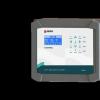
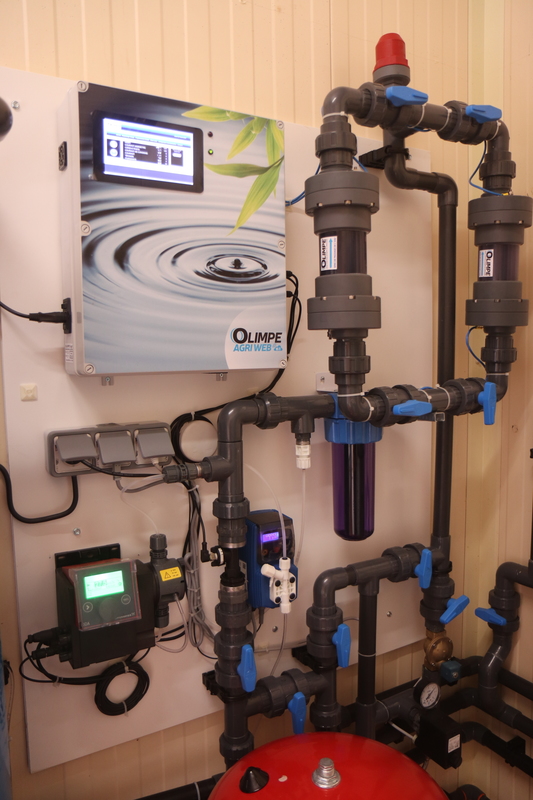
| Product Image | 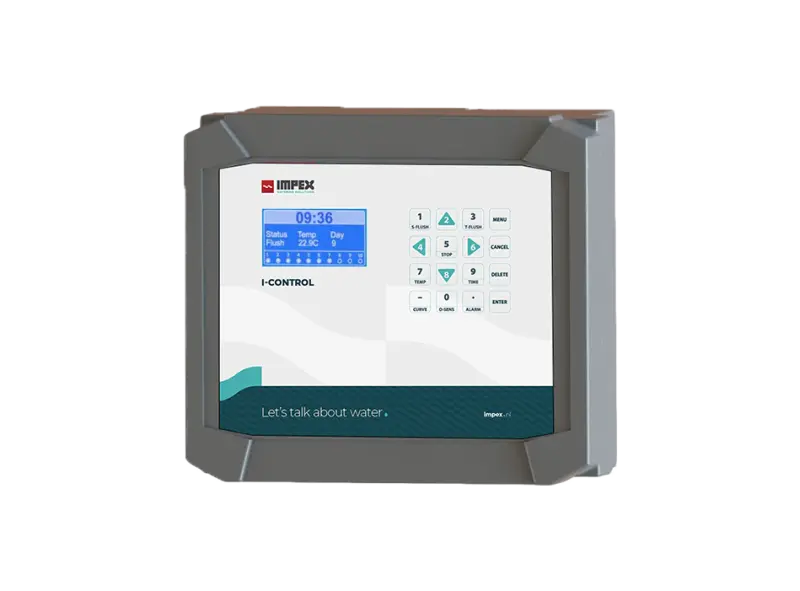 |
||||||||||||||||||||
| Product Overview | The Smart Poultry Waterline Cleaning System is designed for automatic flushing and hygiene management of poultry drinking water lines. It helps remove stagnant water, suspended contamination and residues from nipple drinking pipelines while reducing the labor required for routine manual flushing. The system can coordinate pressure regulators and flushing actuators through a programmable controller. Depending on the project configuration, flushing can be initiated according to scheduled programs or information from optional temperature and biofilm sensors. It is suitable for broiler, pullet, layer and breeder houses and can be integrated into new poultry farm construction, existing drinking-system upgrades and complete livestock equipment projects. |
||||||||||||||||||||
| Key Features |
|
||||||||||||||||||||
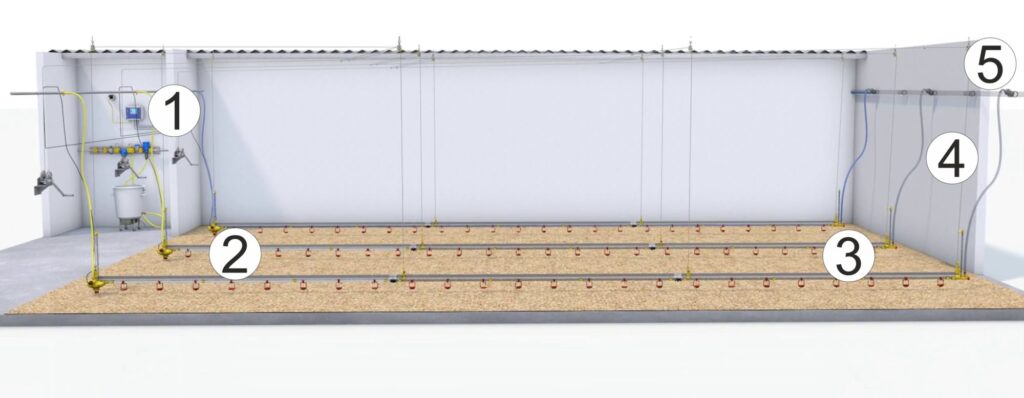
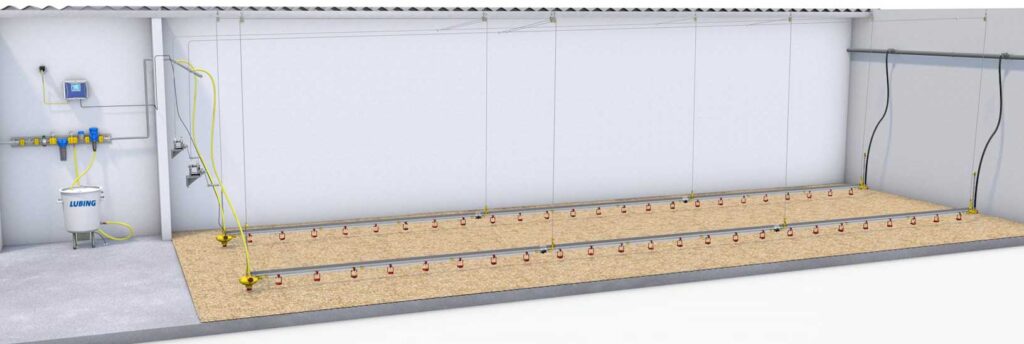
| Structural Components | A typical automatic poultry waterline cleaning system may include:
|
||||||||||||||||||||
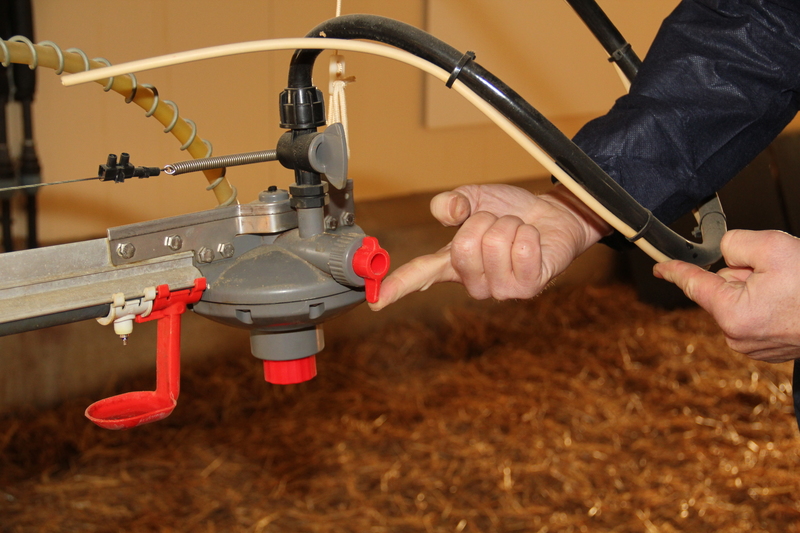
| Working Principle | During normal operation, the poultry drinking system supplies water at the regulated pressure required by the nipple drinkers. When a programmed flushing cycle starts, the controller sends a signal to the pressure-regulator flushing actuator. The system then allows a higher-volume flushing flow through the drinking line, carrying stagnant water and loose contamination toward the line end. The flushed water exits through the end outlet and is transferred by a drainage hose to the farm drainage system. In advanced configurations, temperature or contamination sensors can provide input to the controller so flushing begins automatically when preset operating limits are reached. A maximum flushing frequency can also be programmed according to management requirements. |
||||||||||||||||||||
| Technical Specifications |
|
||||||||||||||||||||
| Applications |
|
||||||||||||||||||||
| Customization Options |
|
||||||||||||||||||||
| Installation & Maintenance | Before installation, confirm the number and length of poultry drinking lines, pressure-regulator positions, line-end outlets and available drainage routes. The control unit should be installed in an accessible location protected from direct livestock contact and excessive moisture. Flushing actuators should be matched to compatible pressure regulators. Each line-end outlet should be connected securely to a drainage hose with sufficient capacity to discharge flushing water to the designated drain. During commissioning, test each drinking line separately and confirm that normal drinking pressure returns after flushing. Sensor thresholds and flushing programs should be adjusted according to water temperature, contamination risk and farm management requirements. Routine maintenance should include checking actuators, pressure regulators, sensors, drainage hoses and line-end assemblies. Drinking lines should also be thoroughly cleaned between production cycles and after medication or additive programs when required. |
||||||||||||||||||||
| Project Cases | Automatic flushing systems are suitable for commercial poultry farms with multiple long drinking lines where manual flushing requires significant labor and consistent hygiene management is important. In multi-house projects, one coordinated control strategy can be designed around individual line groups, house sections or complete poultry buildings according to the project layout. The system can be supplied together with nipple drinking lines, pressure regulators, water filters, dosing equipment and other livestock equipment for new poultry farm construction and steel structure building projects. |
||||||||||||||||||||
| Product FAQ | Q: What is the main purpose of an automatic poultry waterline cleaning system? A: It automatically flushes drinking lines to remove stagnant water and loose contamination while helping maintain drinking-water hygiene. Q: Can the system flush according to a programmed schedule? A: Yes. Automatic flushing schedules can be created according to farm management requirements. Q: Can flushing be triggered by water temperature? A: Yes. An optional temperature sensor can be used so the controller initiates flushing when a preset temperature threshold is exceeded. Q: Can the system detect biofilm or contamination? A: Sensor-based configurations can use a biofilm or turbidity sensor to provide contamination information to the controller and initiate flushing according to preset limits. Q: Where does the flushed water go? A: Water leaves the drinking line through the end outlet and is normally carried by a drainage hose to the main drain. Q: Can it be added to an existing poultry drinking system? A: Yes. Retrofit configurations may be possible when existing pressure regulators, drinking lines and line-end components are compatible with the selected flushing equipment. |
||||||||||||||||||||
| Product Gallery | 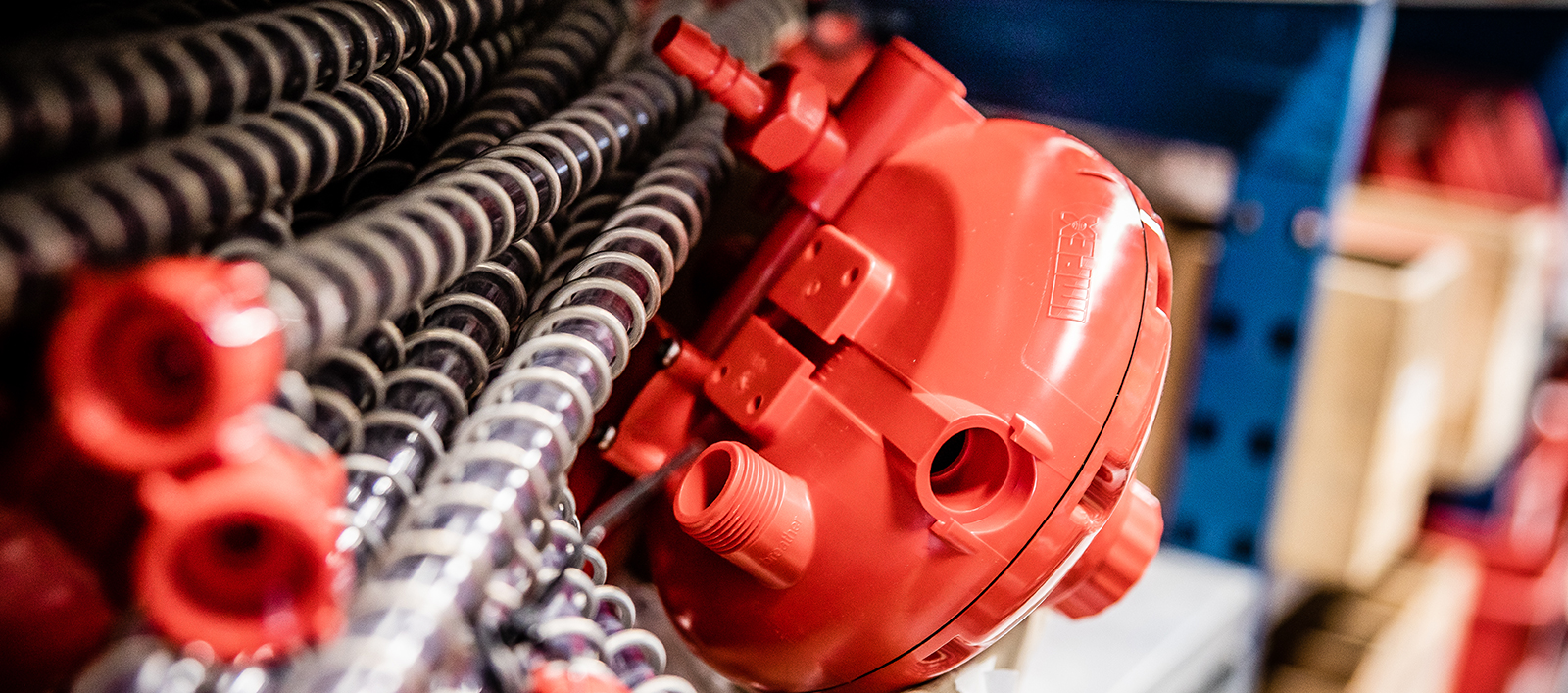 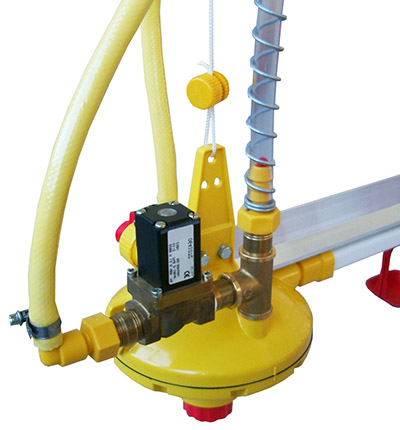  |
- Home
-
Products
- Pig Farming Equipment
- Cattle Farming Equipment
- Sheep & Goat Farming Equipment
- Poultry Farming Equipment
- Feeding & Drinking Systems
- Veterinary & Breeding Equipment
- Testing & Diagnostic Equipment
- Cleaning & Biosecurity Equipment
- Climate Control Equipment
- Livestock Weighing Equipment
- Manure & Waste Management
- Farm Transport & Handling
-
Solutions
- Pig Farm Solutions
- Dairy Farm Solutions
- Beef Cattle Farm Solutions
- Sheep & Goat Farm Solutions
- Layer Farm Solutions
- Broiler Farm Solutions
- Feeding & Drinking System Solutions
- Climate Control Solutions
- Biosecurity & Disinfection Solutions
- Manure & Waste Management
- Smart Farming Solutions
- Farm Renovation and Upgrade Solutions
- Partners
- Projects
- Resources
- News
- About Us
- Contact
Comments & Inquiries
Leave your questions or requirements below. We will reply as soon as possible.