
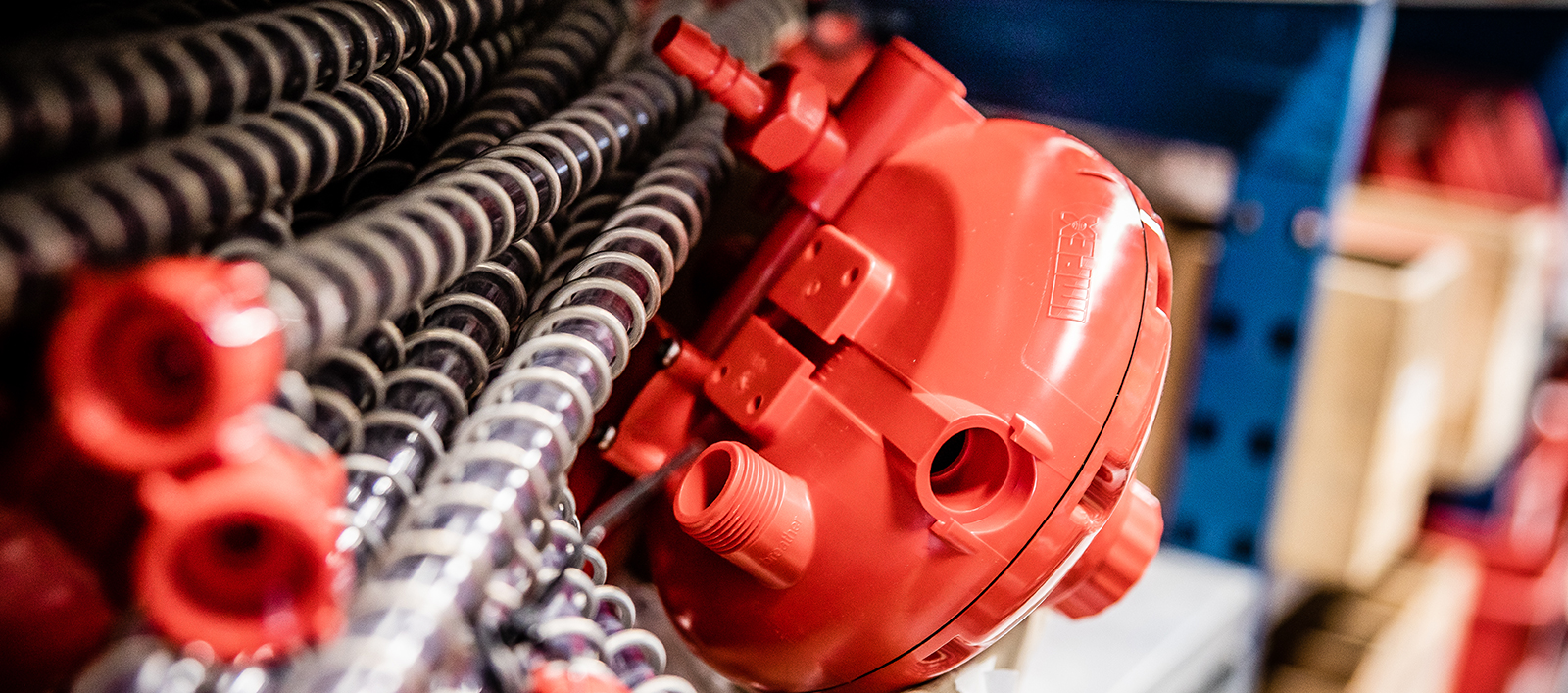
| Product Name | Mobile High-Pressure Waterline Pulse Cleaner | ||||||||||||||||||||||
| Product Image |  |
||||||||||||||||||||||
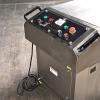
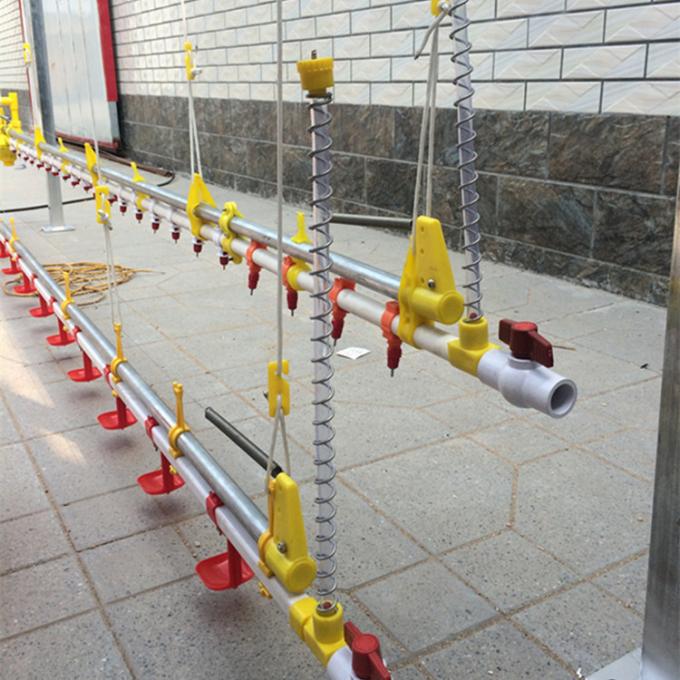
| Product Overview | The Mobile High-Pressure Waterline Pulse Cleaner is designed for cleaning drinking water pipelines in poultry houses and other livestock facilities. The unit applies pulsating water flow through the drinking line to help loosen deposits, accumulated organic matter and contamination attached to the internal pipe surface. Compared with continuous low-flow rinsing, pulse-type flushing produces repeated hydraulic disturbance inside the pipeline, improving the mechanical cleaning action in long nipple drinking lines and difficult-to-clean sections. The mobile cabinet design allows one cleaning unit to be moved between poultry houses or drinking line groups. It is suitable for commercial broiler, breeder and layer farms as well as livestock equipment maintenance, farm renovation and steel structure building projects. |
||||||||||||||||||||||
| Key Features |
|
||||||||||||||||||||||
| Structural Components | A typical mobile waterline pulse cleaning machine may include:
|
||||||||||||||||||||||
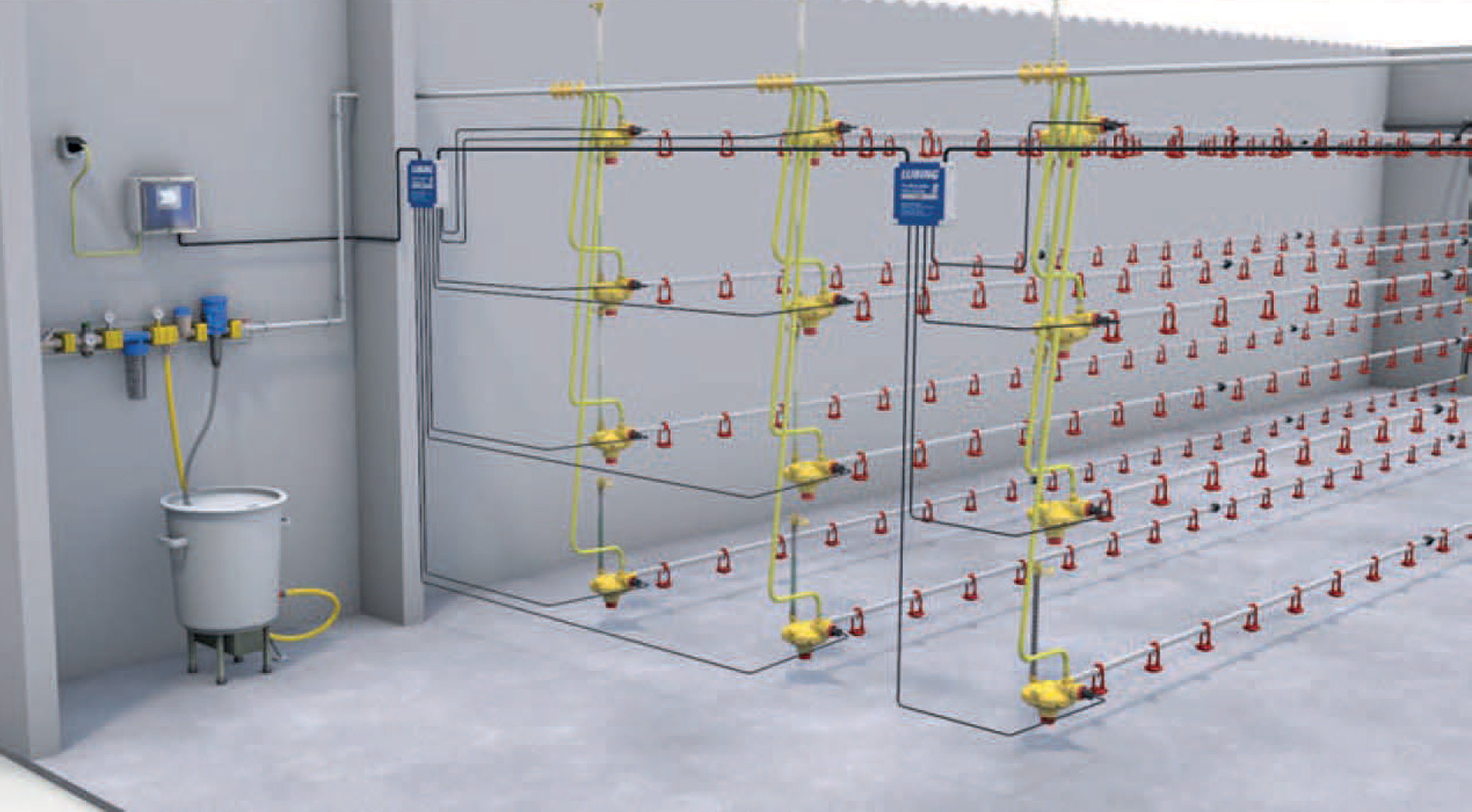
| Working Principle | The cleaning machine is connected between the water source and the drinking pipeline. During operation, the pumping and control system generates repeated changes in water flow and pressure rather than relying only on a continuous rinse. These pulsating hydraulic forces create turbulence inside the pipeline, helping disturb and loosen deposits, organic residues and biofilm attached to the pipe wall. The loosened material is carried through the drinking line and discharged from the line end. Certain configurations can also generate ozone or incorporate an additional water-treatment process. Such functions should be selected according to the required project specification and farm management program. |
||||||||||||||||||||||
| Technical Specifications |
|
||||||||||||||||||||||
| Applications |
|
||||||||||||||||||||||
| Customization Options |
|
||||||||||||||||||||||
| Installation & Maintenance | Before cleaning, confirm that the drinking line, regulators, connectors and end-flush components are suitable for the selected cleaning procedure. Connect the cleaner securely to the water supply and the drinking line using the correct hoses and adapters. Open the line-end drain before beginning the flushing cycle so that loosened deposits and dirty water can leave the system freely. Cleaning should normally proceed one drinking line or one defined pipeline section at a time. After cleaning, continue flushing with clean water until the discharged water is visibly clear and the drinking system is ready for normal operation. Routine machine maintenance should include inspection of pumps, hoses, fittings, electrical components, pressure controls and caster wheels. Drain residual water after use where necessary, particularly when equipment is stored in freezing conditions. |
||||||||||||||||||||||
| Project Cases | Mobile pulse cleaners are suitable for commercial poultry farms with several livestock houses because one machine can be transported between different drinking systems instead of installing a permanent cleaning unit on every line. The equipment can be used during scheduled farm sanitation, before a new flock enters the house, when waterline flow decreases, or as part of maintenance after medication and water-treatment programs. For complete livestock equipment projects, the cleaner can be supplied together with waterline adapters, drinking pipes, pressure regulators, flushing accessories and other water-management components. |
||||||||||||||||||||||
| Product FAQ | Q: What is the difference between pulse cleaning and normal waterline flushing? A: Normal flushing mainly uses continuous water flow, while pulse cleaning repeatedly changes the hydraulic conditions inside the pipe to create stronger turbulence and mechanical cleaning action. Q: Is the machine mobile? A: Yes. The mobile cabinet is equipped with caster wheels so it can be moved between poultry houses and different drinking line sections. Q: What animals can the system be used for? A: Suitable configurations can be used for poultry as well as pig, goat-farming-equipment/" target="_blank" class="keylink">sheep, cattle and other livestock drinking pipelines. Q: Can it be used when a waterline becomes partially blocked? A: Yes. Pulse cleaning can be used as part of the maintenance process for drinking lines affected by internal deposits or reduced flow. Q: Can the machine include an ozone treatment function? A: Yes. Reference configurations are available with ozone generation, while the final treatment configuration should be selected according to project requirements. Q: Can connection adapters be customized? A: Yes. Hose connections and adapter sets can be configured according to the drinking line dimensions and farm installation. |
||||||||||||||||||||||
| Product Gallery | 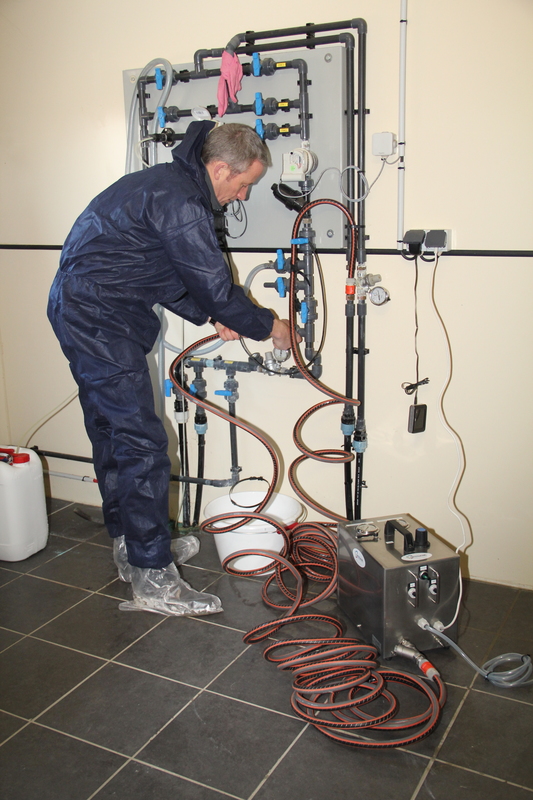 |
- Home
-
Products
- Pig Farming Equipment
- Cattle Farming Equipment
- Sheep & Goat Farming Equipment
- Poultry Farming Equipment
- Feeding & Drinking Systems
- Veterinary & Breeding Equipment
- Testing & Diagnostic Equipment
- Cleaning & Biosecurity Equipment
- Climate Control Equipment
- Livestock Weighing Equipment
- Manure & Waste Management
- Farm Transport & Handling
-
Solutions
- Pig Farm Solutions
- Dairy Farm Solutions
- Beef Cattle Farm Solutions
- Sheep & Goat Farm Solutions
- Layer Farm Solutions
- Broiler Farm Solutions
- Feeding & Drinking System Solutions
- Climate Control Solutions
- Biosecurity & Disinfection Solutions
- Manure & Waste Management
- Smart Farming Solutions
- Farm Renovation and Upgrade Solutions
- Partners
- Projects
- Resources
- News
- About Us
- Contact
Comments & Inquiries
Leave your questions or requirements below. We will reply as soon as possible.