
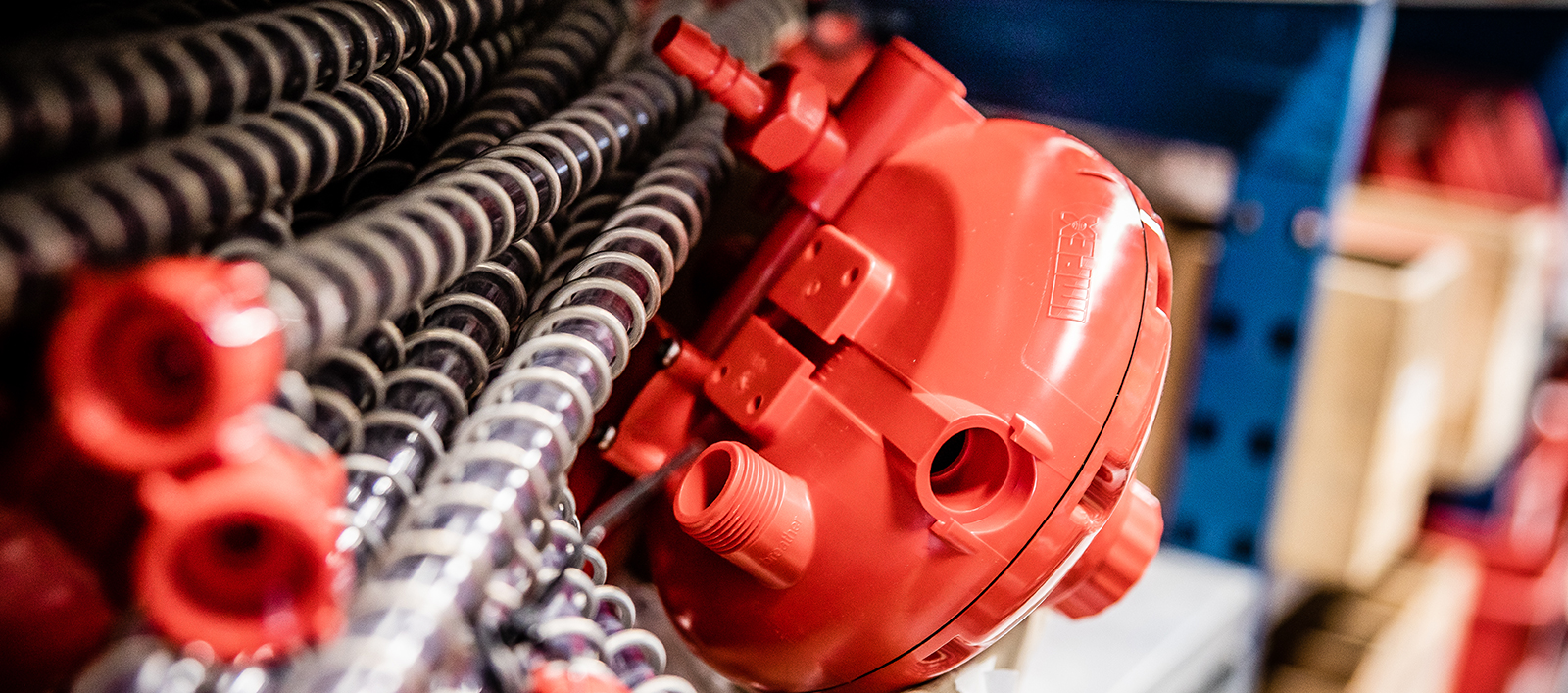
| Product Name | High-Pressure Pulse Poultry Waterline Cleaner | ||||||||||||||||||||||
| Product Image |  |
||||||||||||||||||||||
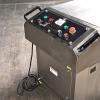
| Product Overview | The High-Pressure Pulse Poultry Waterline Cleaner is designed for cleaning and hygiene management of drinking water pipelines in commercial poultry and livestock facilities. It combines pulsating flushing with waterline treatment to help loosen deposits, organic residues and biofilm from the internal surfaces of drinking pipes. The reference machine uses electrically powered pulse operation and can generate ozone as part of its cleaning and disinfection process. The pulsating water movement improves mechanical flushing action inside the pipeline, while the treatment stage supports more thorough waterline sanitation. :contentReference[oaicite:1]{index=1} The mobile machine configuration is suitable for poultry houses with multiple drinking lines and can be incorporated into livestock equipment maintenance programs, new poultry farm construction and steel structure building projects. |
||||||||||||||||||||||
| Key Features |
|
||||||||||||||||||||||
| Structural Components | A typical high-pressure pulse waterline cleaning machine may include:
|
||||||||||||||||||||||
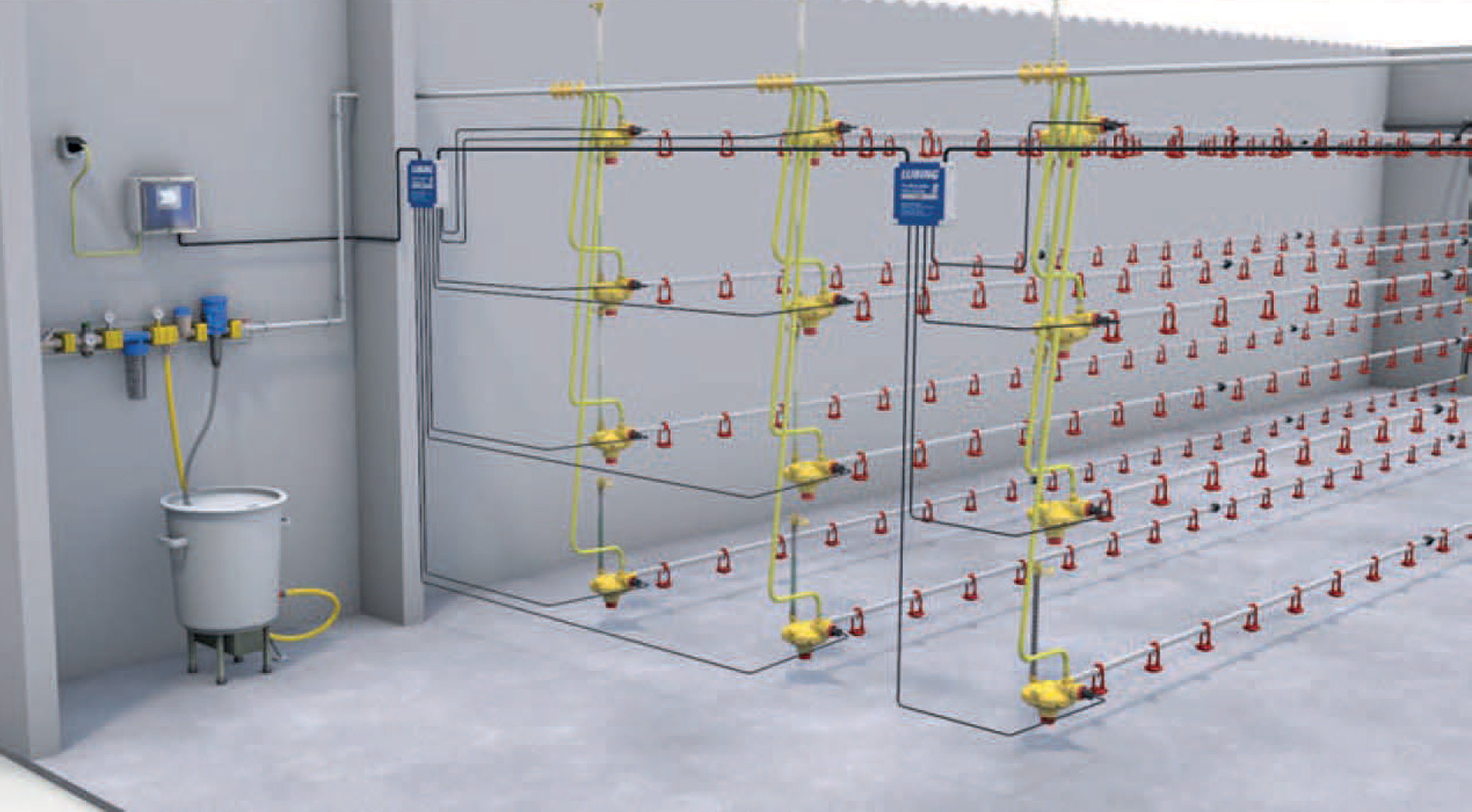
| Working Principle | The cleaning machine is connected to the livestock drinking water pipeline through suitable hoses and adapters. During operation, the unit generates a controlled pulsating flow through the drinking line rather than relying only on a steady water stream. Repeated pressure and flow changes create stronger hydraulic disturbance inside the pipe, helping loosen accumulated deposits and biofilm from the internal wall. The released material is carried toward the open end of the line and discharged during flushing. On the reference SBN-SJ-I configuration, ozone is automatically generated as part of the treatment process. The manufacturer describes this combination of oxidation and pulse flushing as a method for improving cleaning and waterline sanitation. :contentReference[oaicite:2]{index=2} |
||||||||||||||||||||||
| Technical Specifications |
The voltage, frequency, power, dimensions and weight above are taken from the referenced SBN-SJ-I product listing and should be treated as reference-model specifications rather than universal values for every configuration. :contentReference[oaicite:3]{index=3} |
||||||||||||||||||||||
| Applications |
|
||||||||||||||||||||||
| Customization Options |
|
||||||||||||||||||||||
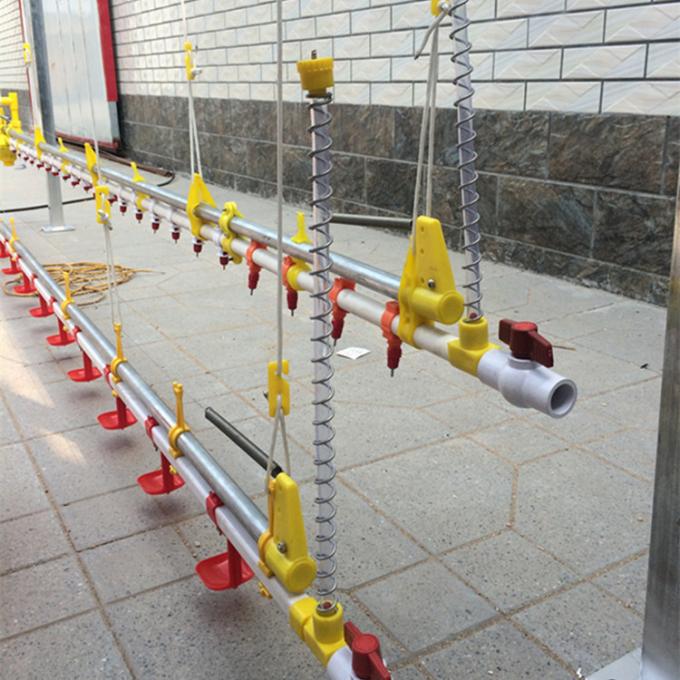
| Installation & Maintenance | Before cleaning, isolate the drinking line according to the farm's water-management procedure and connect the machine to the selected pipeline using compatible hoses and fittings. The far end of the drinking line should be opened or connected to a suitable drain so loosened material can be discharged safely. Confirm the electrical supply, water source and pipe connections before starting the cleaning cycle. The appropriate operating mode should be selected according to waterline condition and project requirements. After flushing, continue discharging water until visible residues have been removed and the line is ready for the farm's normal rinsing and water-quality procedure. The reference supplier recommends cleaning when the line is blocked, periodically as part of maintenance, and around certain medication procedures. :contentReference[oaicite:4]{index=4} Routine machine maintenance should include inspection of hoses, electrical cables, connections, seals, ventilation components and internal treatment modules according to the equipment manual. |
||||||||||||||||||||||
| Project Cases | High-pressure pulse cleaning equipment can be used in commercial poultry farms where long nipple drinking lines require periodic internal cleaning without extensive pipe disassembly. For multi-house projects, one mobile cleaning machine can be connected sequentially to compatible waterline sections according to the farm maintenance schedule. This configuration is suitable for broiler, breeder and layer operations with centralized drinking water infrastructure. In new livestock equipment and steel structure building projects, dedicated cleaning connection points can be incorporated into the drinking system design to simplify future waterline maintenance. |
||||||||||||||||||||||
| Product FAQ | Q: What is the difference between pulse cleaning and normal flushing? A: Normal flushing generally uses continuous water flow, while pulse cleaning creates repeated hydraulic changes that increase mechanical disturbance inside the pipe and help loosen deposits. Q: Does the reference machine use ozone? A: Yes. The referenced SBN-SJ-I system automatically generates ozone as part of its cleaning and treatment process. :contentReference[oaicite:5]{index=5} Q: Can it be used for poultry nipple drinking lines? A: Yes. The machine is designed for poultry waterline cleaning and can be connected to compatible nipple drinking pipelines. Q: When should poultry waterlines be cleaned? A: Cleaning schedules depend on farm management and water quality. The reference supplier recommends periodic flushing and cleaning when pipes are restricted or around certain medication procedures. :contentReference[oaicite:6]{index=6} Q: Can the machine be moved between poultry houses? A: Yes. Mobile cabinet configurations with caster wheels are suitable for servicing multiple compatible drinking-line sections. Q: Can electrical and connection specifications be customized? A: Yes. Alternative electrical, hose and connection configurations can be supplied according to project requirements. |
||||||||||||||||||||||
| Product Gallery | 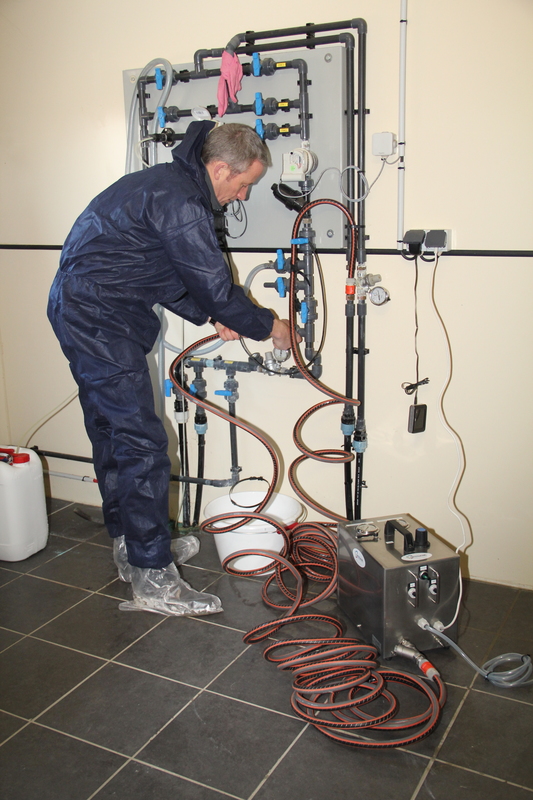 |
- Home
-
Products
- Pig Farming Equipment
- Cattle Farming Equipment
- Sheep & Goat Farming Equipment
- Poultry Farming Equipment
- Feeding & Drinking Systems
- Veterinary & Breeding Equipment
- Testing & Diagnostic Equipment
- Cleaning & Biosecurity Equipment
- Climate Control Equipment
- Livestock Weighing Equipment
- Manure & Waste Management
- Farm Transport & Handling
-
Solutions
- Pig Farm Solutions
- Dairy Farm Solutions
- Beef Cattle Farm Solutions
- Sheep & Goat Farm Solutions
- Layer Farm Solutions
- Broiler Farm Solutions
- Feeding & Drinking System Solutions
- Climate Control Solutions
- Biosecurity & Disinfection Solutions
- Manure & Waste Management
- Smart Farming Solutions
- Farm Renovation and Upgrade Solutions
- Partners
- Projects
- Resources
- News
- About Us
- Contact
Comments & Inquiries
Leave your questions or requirements below. We will reply as soon as possible.