
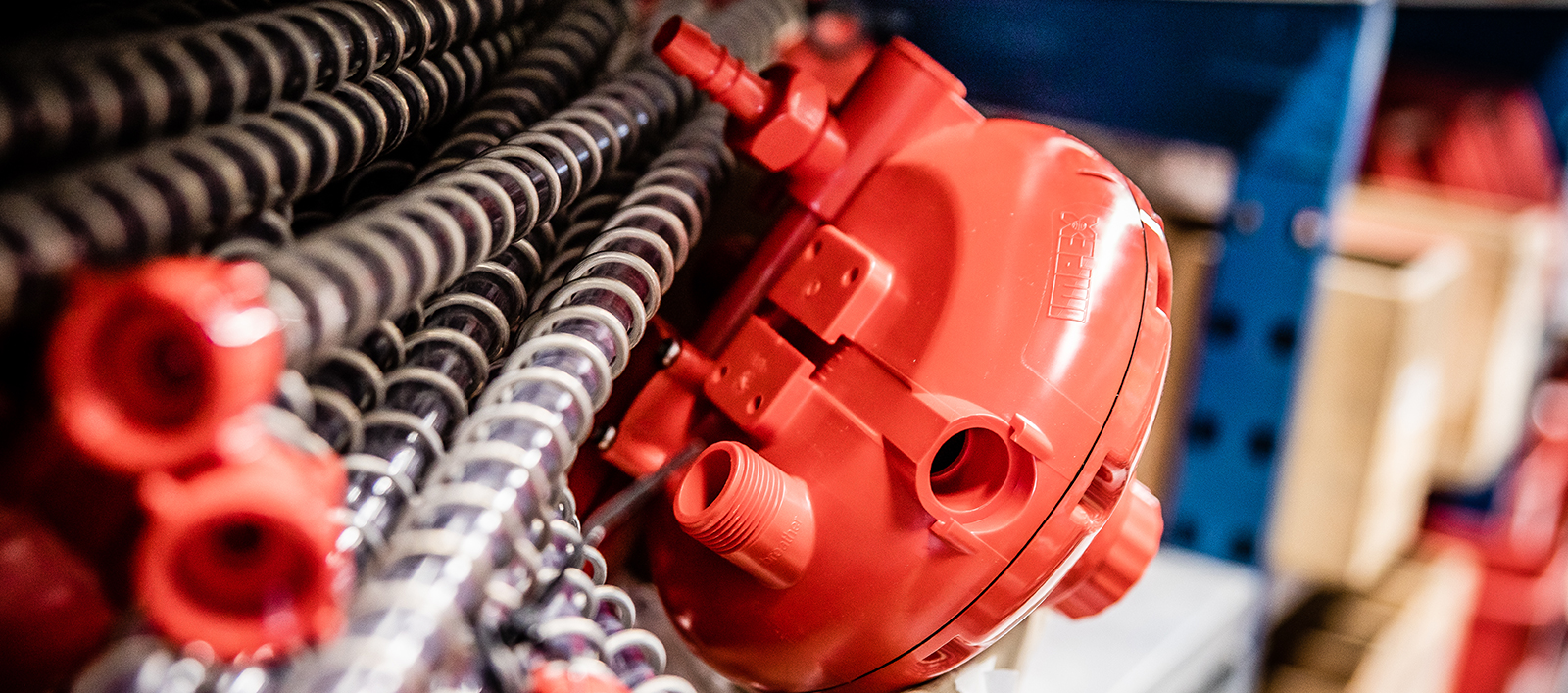
| Product Name | Multi-Line High-Pressure Waterline Pulse Cleaner | ||||||||||||||||||||||
| Product Image | 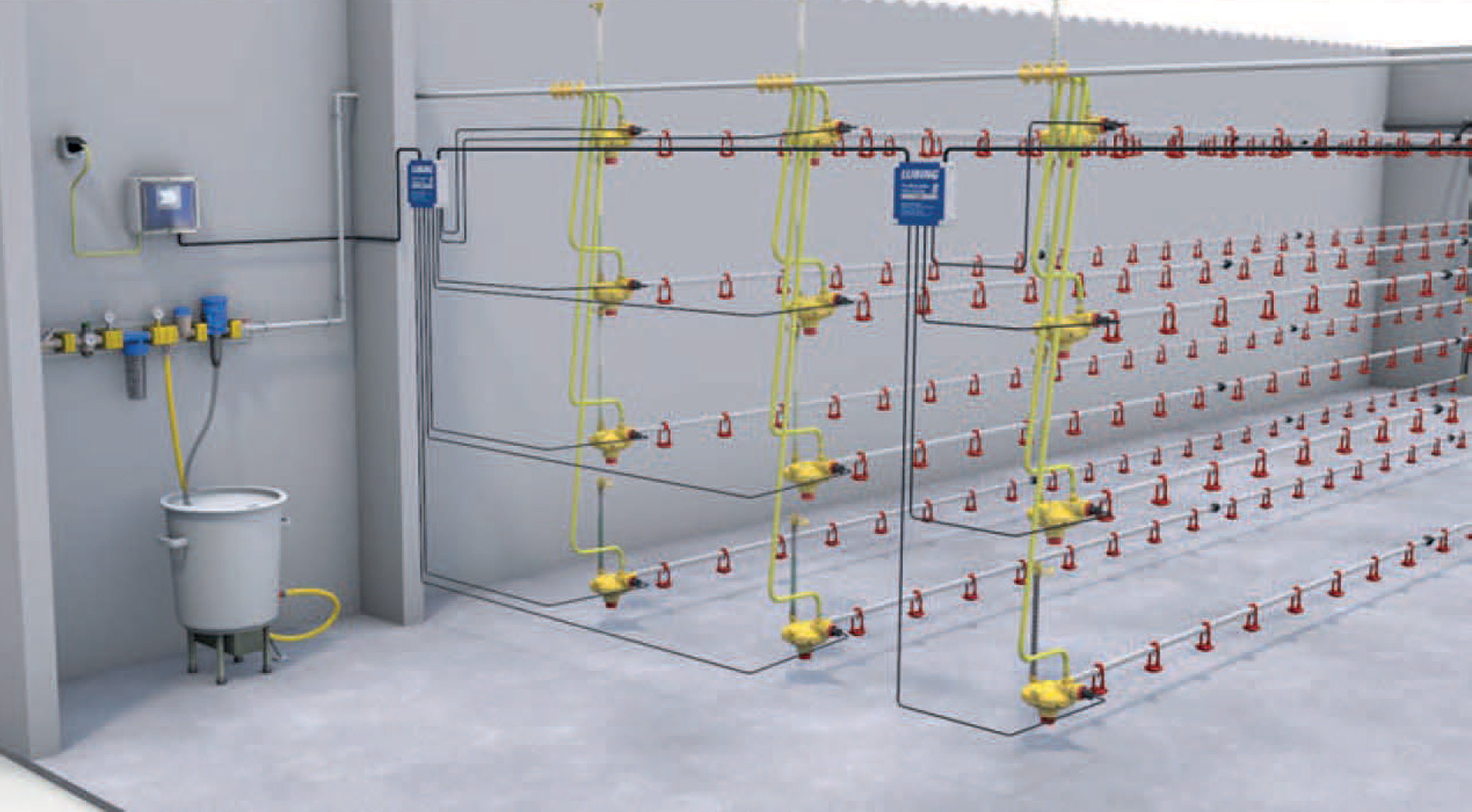 |
||||||||||||||||||||||
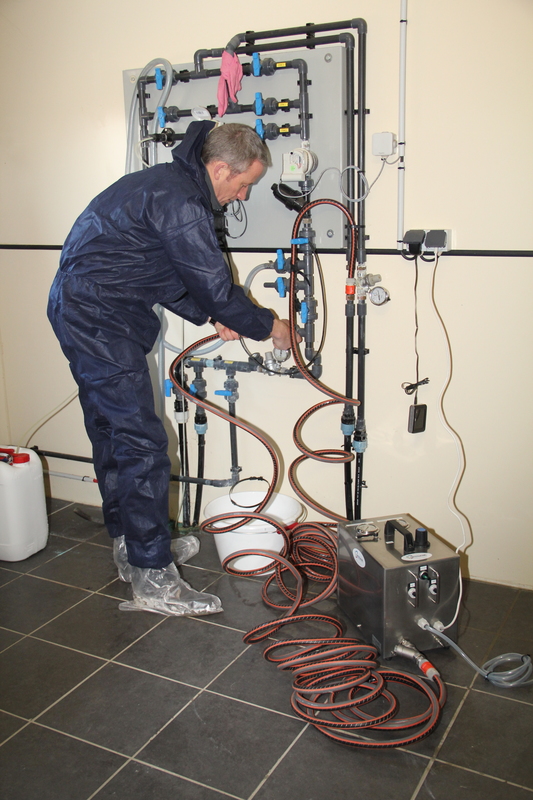
| Product Overview | The Multi-Line High-Pressure Waterline Pulse Cleaner is designed for intensive flushing and cleaning of poultry nipple drinking lines in commercial livestock houses. It uses controlled high-flow water movement through one or more drinking lines to help dislodge loose sediment, suspended debris and accumulated residues from the internal water pathway. The reference LUBING automatic flushing platform allows drinking lines to be cleaned individually or several lines to be operated together, with programmable flushing duration and timing. A standard controller can manage up to 10 lines, while extension modules can add additional line capacity. :contentReference[oaicite:0]{index=0} For this product category, the term "pulse cleaner" refers to a project-configured cleaning approach using repeated or controlled high-flow flushing cycles. Exact pulse pressure, pulse frequency and flow rate should be selected according to the drinking line design and are available upon request rather than treated as fixed values. |
||||||||||||||||||||||
| Key Features |
|
||||||||||||||||||||||
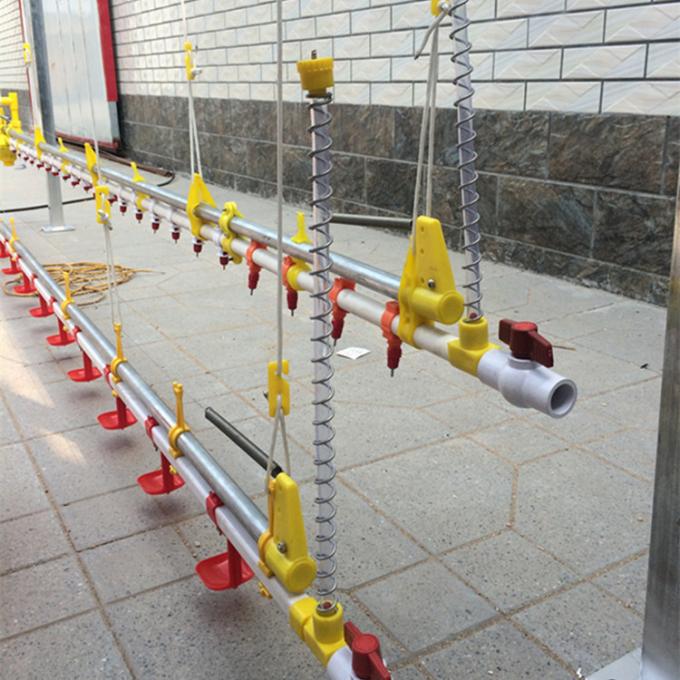
| Structural Components | A typical multi-line waterline cleaning system may include:
|
||||||||||||||||||||||
| Working Principle | During normal poultry production, the drinking line operates at the pressure required by the nipple drinkers. When a cleaning cycle begins, the controller activates the selected flushing valve or pressure regulator actuator. Water flow through the selected line is increased for the programmed cleaning period. The resulting higher-volume flow carries loose sediment and residues toward the line end, where the flush breather and drain assembly discharge the flushing water into the designated drainage system. Multiple lines can be cleaned sequentially, while compatible systems can also operate several lines simultaneously by assigning them to the same control contact. This makes the system suitable for large poultry houses where many parallel drinking lines must be cleaned efficiently. :contentReference[oaicite:2]{index=2} |
||||||||||||||||||||||
| Technical Specifications |
The LUBING reference documentation confirms programmable flushing, up to 10 lines in the standard controller configuration and extension boxes for 8 additional lines each. It does not publish a fixed pulse pressure or pulse frequency for this application, so these values should be selected according to project requirements. :contentReference[oaicite:3]{index=3} |
||||||||||||||||||||||
| Applications |
|
||||||||||||||||||||||
| Customization Options |
|
||||||||||||||||||||||
| Installation & Maintenance | Before installation, determine the number of drinking lines, line length, water supply capacity and available drainage arrangement. The controller should be installed in an accessible and protected location. Each controlled waterline should be connected to a compatible flushing valve or actuator. Line-end breather units and drain components should be installed so that cleaning water is discharged away from litter and animal areas. Flush duration should be adjusted according to line length and actual cleaning performance. High-flow flushing can help remove loose sediment before chemical sanitation and is also recommended as an initial step in poultry waterline cleaning procedures. :contentReference[oaicite:4]{index=4} Routine maintenance should include checking valve operation, actuators, line-end breathers, drain hoses, pressure regulators and controller wiring. Filters and water supply components should also be inspected so sufficient flow is available during each cleaning cycle. |
||||||||||||||||||||||
| Project Cases | In large commercial poultry houses, multiple drinking lines can be connected to one centralized cleaning controller. Lines can be flushed individually to control water demand or grouped where the water supply and drainage capacity permit simultaneous operation. For new livestock equipment and steel structure building projects, the cleaner can be planned together with water filters, pressure regulators, medicators, drinking lines and drainage infrastructure. Existing compatible poultry drinking systems can also be upgraded with automatic flushing equipment, reducing the need for repeated manual operation. :contentReference[oaicite:5]{index=5} |
||||||||||||||||||||||
| Product FAQ | Q: What is the purpose of a multi-line waterline pulse cleaner? A: It provides controlled high-flow cleaning cycles for several poultry drinking lines, helping move loose sediment and residues toward the line-end drainage system. Q: Can several lines be cleaned at the same time? A: Yes. The reference LUBING system allows lines to be flushed separately or several lines to be operated together when connected to the same control contact. :contentReference[oaicite:6]{index=6} Q: How many lines can the controller manage? A: The reference controller supports up to 10 lines as standard, with extension boxes adding 8 lines each. :contentReference[oaicite:7]{index=7} Q: Does the reference system specify a fixed high-pressure pulse value? A: No. The published LUBING reference provides automatic flushing functions but does not state a fixed pulse pressure or frequency. These parameters should therefore be selected according to the actual drinking line and project requirements. Q: Can it be installed in an existing poultry house? A: Yes. Compatible drinking systems can be retrofitted with automatic flushing components. :contentReference[oaicite:8]{index=8} Q: Can the cleaning process replace all sanitation procedures? A: No. High-flow flushing is effective for removing loose deposits, but established poultry waterline hygiene programs may also require suitable cleaning or sanitizing agents to control biofilm. :contentReference[oaicite:9]{index=9} |
||||||||||||||||||||||
| Product Gallery | 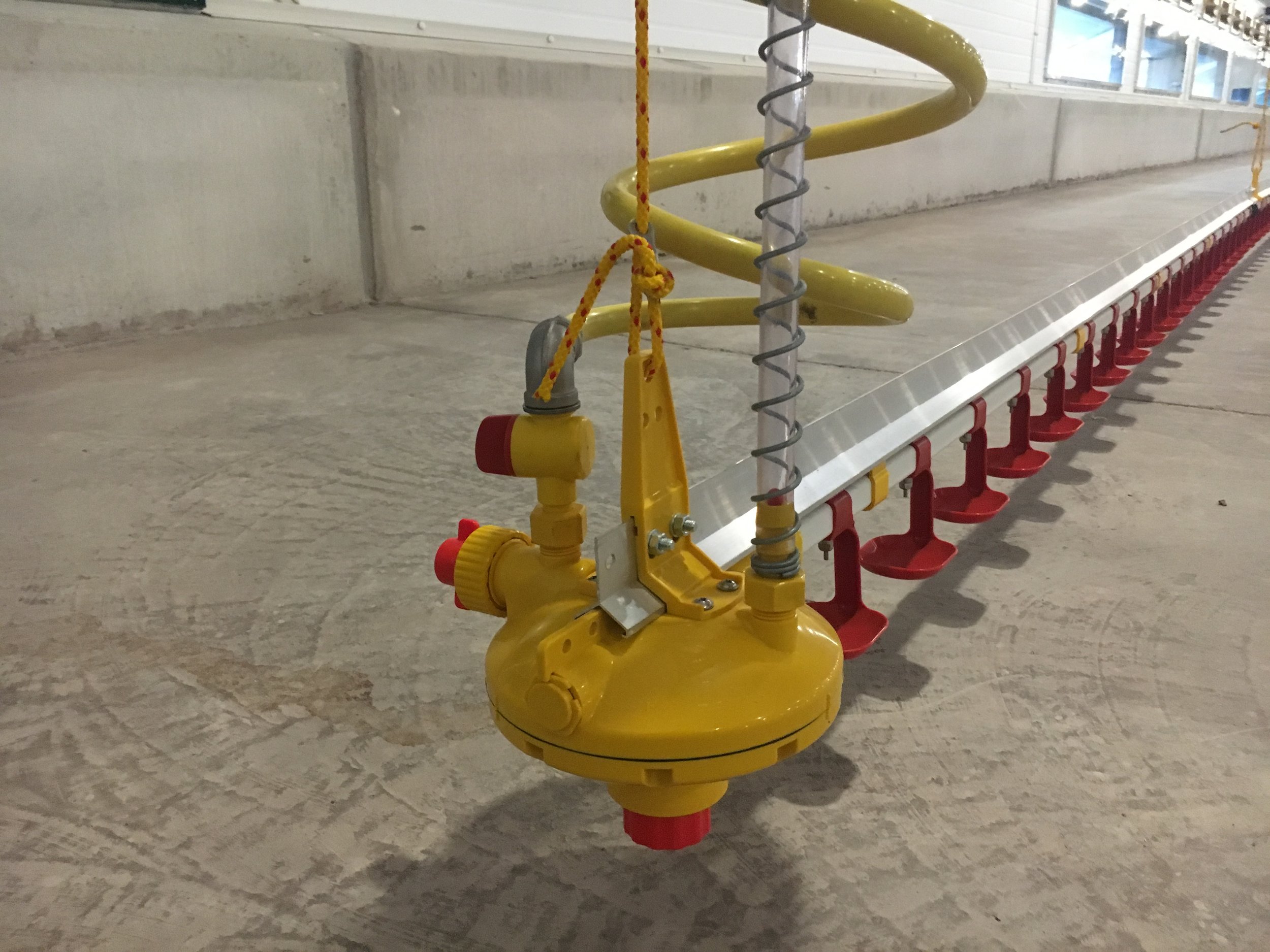 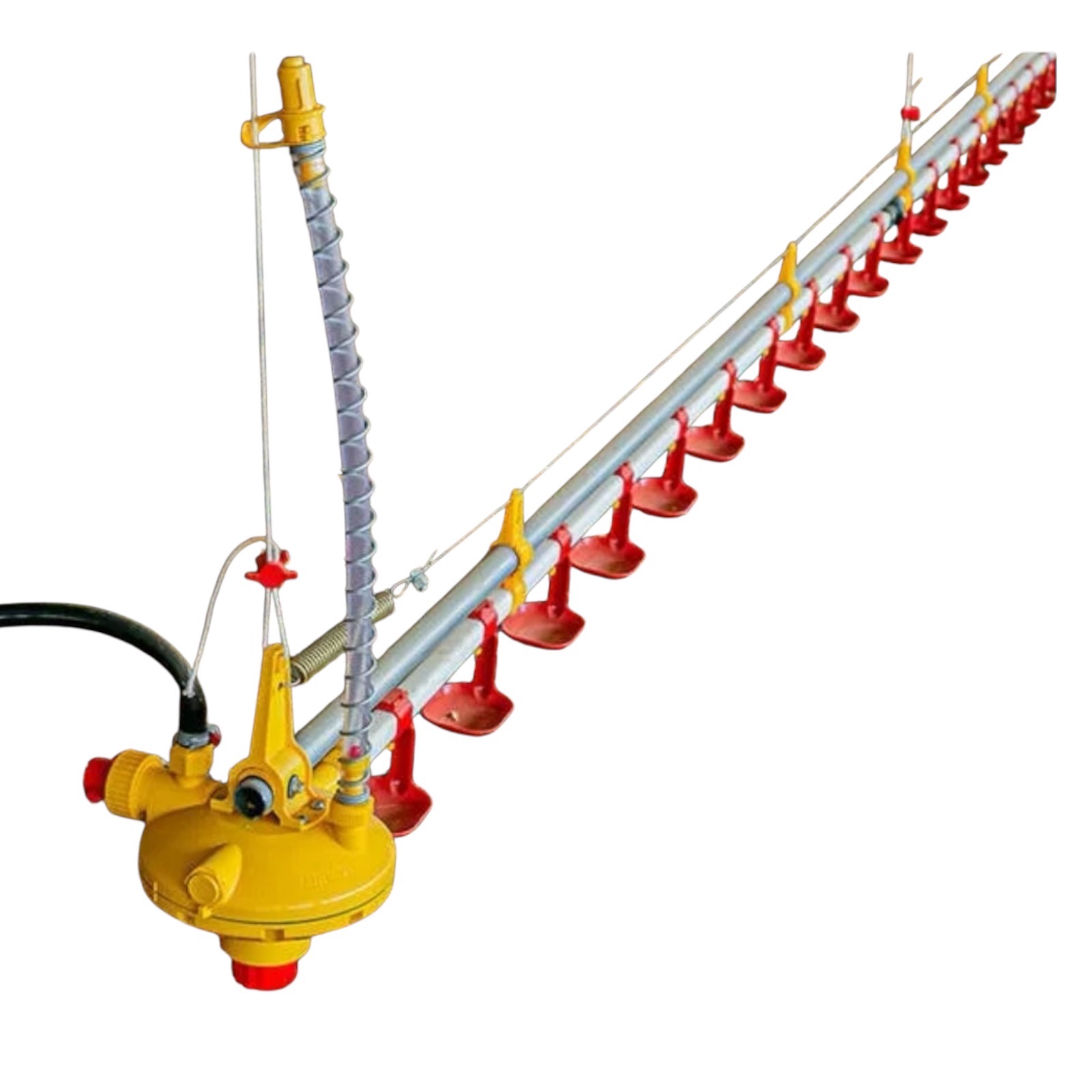 |
- Home
-
Products
- Pig Farming Equipment
- Cattle Farming Equipment
- Sheep & Goat Farming Equipment
- Poultry Farming Equipment
- Feeding & Drinking Systems
- Veterinary & Breeding Equipment
- Testing & Diagnostic Equipment
- Cleaning & Biosecurity Equipment
- Climate Control Equipment
- Livestock Weighing Equipment
- Manure & Waste Management
- Farm Transport & Handling
-
Solutions
- Pig Farm Solutions
- Dairy Farm Solutions
- Beef Cattle Farm Solutions
- Sheep & Goat Farm Solutions
- Layer Farm Solutions
- Broiler Farm Solutions
- Feeding & Drinking System Solutions
- Climate Control Solutions
- Biosecurity & Disinfection Solutions
- Manure & Waste Management
- Smart Farming Solutions
- Farm Renovation and Upgrade Solutions
- Partners
- Projects
- Resources
- News
- About Us
- Contact
Comments & Inquiries
Leave your questions or requirements below. We will reply as soon as possible.