
| Product Name | Automatic High-Pressure Pulse Waterline Cleaning System | ||||||||||||||||||||||
| Product Image | 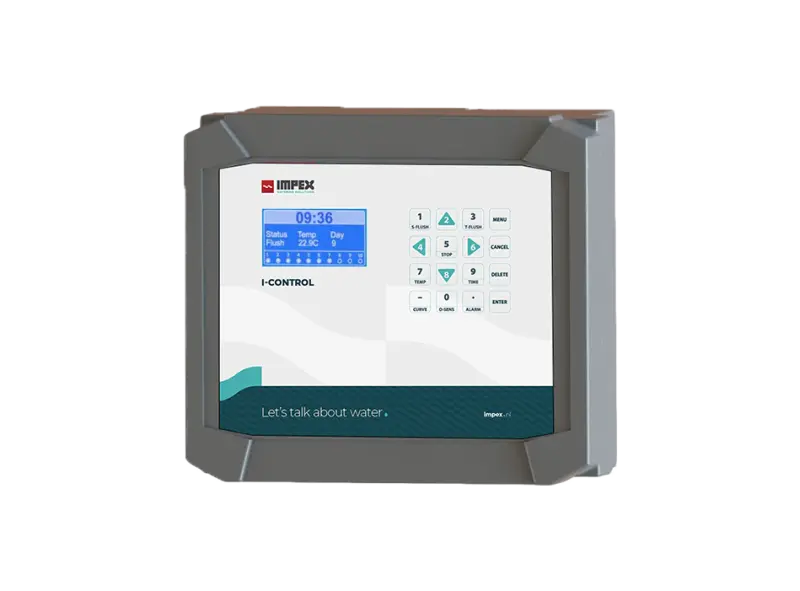 |
||||||||||||||||||||||
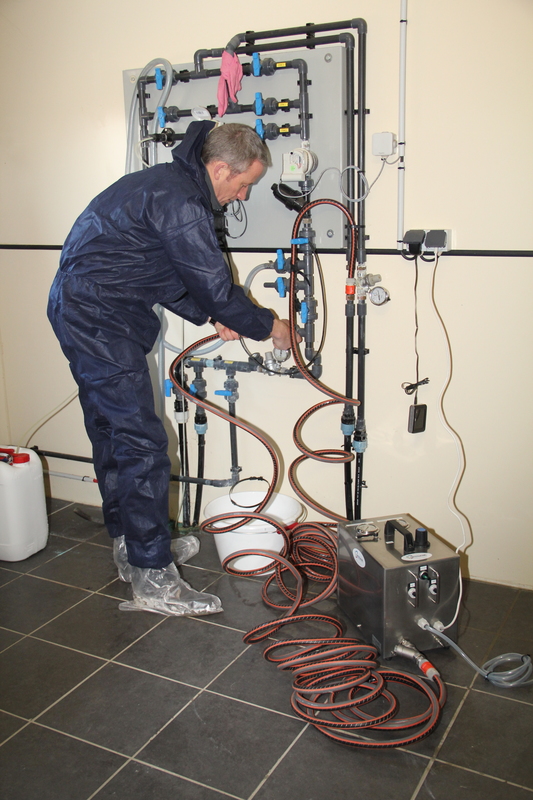
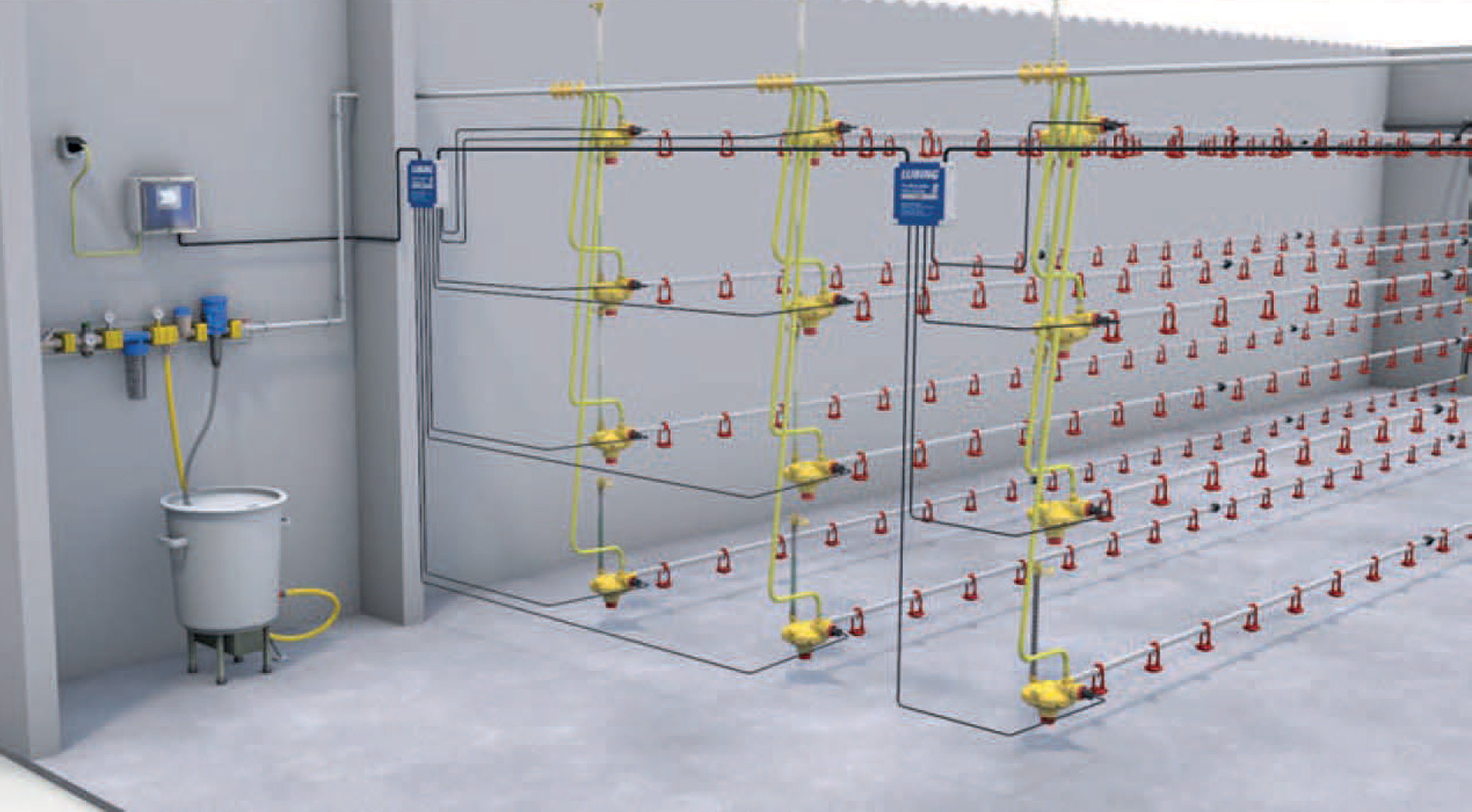
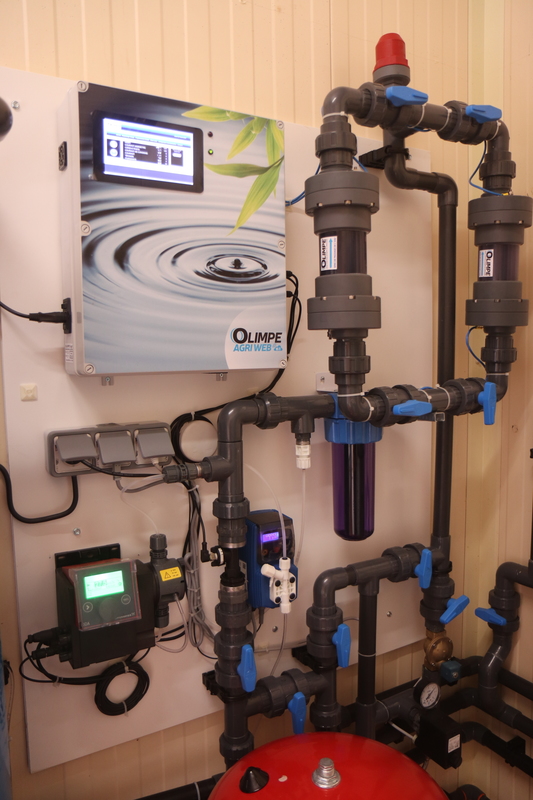
| Product Overview | The Automatic High-Pressure Pulse Waterline Cleaning System is designed for automated flushing and hygiene management of poultry nipple drinking lines. The system temporarily switches the drinking line from normal operating pressure to a high-flow flushing mode, helping carry stagnant water, loose deposits and suspended contamination toward the line-end drainage system. A programmable control unit coordinates the pressure regulators and flushing sequence. Depending on system configuration, flushing can be initiated by a programmed schedule or by information from optional water temperature and biofilm monitoring sensors. The system is suitable for broiler, layer, breeder and pullet houses and can be integrated into livestock equipment packages for new poultry farm construction, drinking-system renovation and steel structure building projects. |
||||||||||||||||||||||
| Key Features |
|
||||||||||||||||||||||
| Structural Components | A typical automatic waterline cleaning system may include:
|
||||||||||||||||||||||
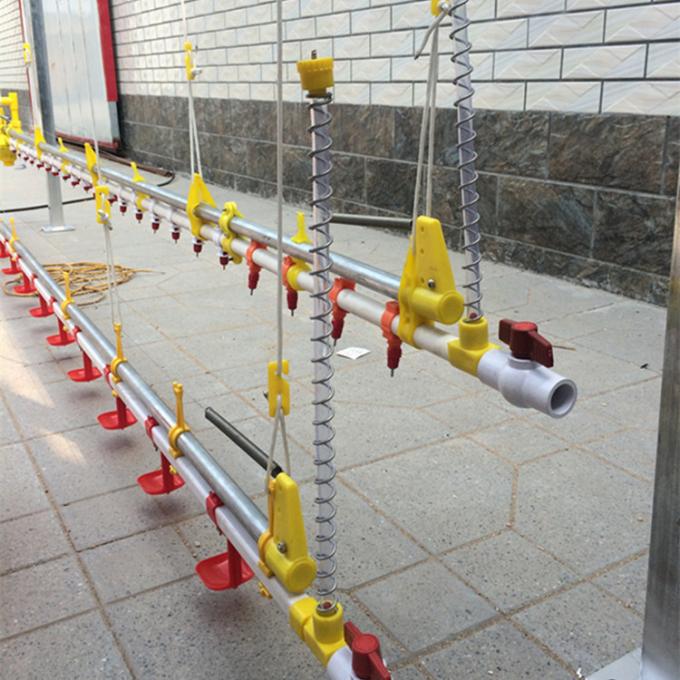
| Working Principle | During normal poultry drinking operation, the pressure regulator maintains the required low operating pressure inside the nipple drinking line. When a flushing cycle is activated, the central controller sends a signal to the pressure regulator actuator. The regulator changes into flushing mode, allowing a substantially increased water flow through the drinking pipe. The rapid water movement carries suspended residues and stagnant water toward the end of the drinking line. The discharged water passes through the line-end outlet assembly and drainage hose into the main farm drain. After the programmed flushing period is completed, the regulator automatically returns to normal drinking pressure and the line resumes standard operation. |
||||||||||||||||||||||
| Technical Specifications |
|
||||||||||||||||||||||
| Applications |
|
||||||||||||||||||||||
| Customization Options |
|
||||||||||||||||||||||
| Installation & Maintenance | The flushing controller should be installed in a protected and easily accessible service area. Pressure regulators and actuators are installed at the beginning of the drinking lines, while the end air outlet and drainage components are positioned at the opposite end. Drainage hoses should be routed to an appropriate main drain so that flushing water does not enter poultry litter or working areas. After installation, each drinking line should be tested in normal drinking mode and flushing mode. Operators should confirm adequate water movement, proper drainage and automatic return to normal operating conditions. Routine maintenance should include checking pressure regulators, actuators, drainage hoses, sensors and control connections. Drinking lines should also be flushed after medication or additive programs and between production cycles when required. |
||||||||||||||||||||||
| Project Cases | Automatic high-flow flushing systems are suitable for large commercial poultry houses with multiple parallel drinking lines. A central controller can manage flushing schedules while separate regulator actuators control the flushing process for individual lines. In larger poultry farm projects, flushing equipment can be integrated with water filters, pressure-management equipment, medication systems, nipple drinking lines and centralized drainage infrastructure. For new steel structure building projects, system configuration can be planned together with poultry house dimensions, drinking-line layout and technical service areas. |
||||||||||||||||||||||
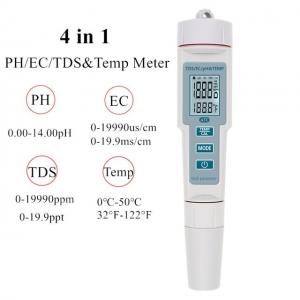
| Product FAQ | Q: How does the automatic flushing system start a cleaning cycle? A: The controller can initiate flushing according to a programmed schedule or, with optional sensors, according to water temperature or detected water-quality conditions. Q: Does flushing use the normal drinking pressure? A: No. During a flushing cycle, the pressure-control system switches the line to a higher-flow condition so water moves rapidly through the drinking pipe. Q: Where does the dirty flushing water go? A: Water exits through the line-end assembly and is carried by a drainage hose to the main drain. Q: Can the system flush different drinking lines separately? A: Yes. Flushing programs can be configured for individual lines or multiple drinking lines according to the control system. Q: Can sensors be added? A: Yes. Temperature, biofilm and water-detection monitoring options can be integrated according to project requirements. Q: Can the system be installed in an existing poultry house? A: Yes. Compatible drinking systems can be upgraded with automatic flushing equipment after the existing pressure regulators, line-end assemblies and drainage arrangement are evaluated. |
||||||||||||||||||||||
| Product Gallery | 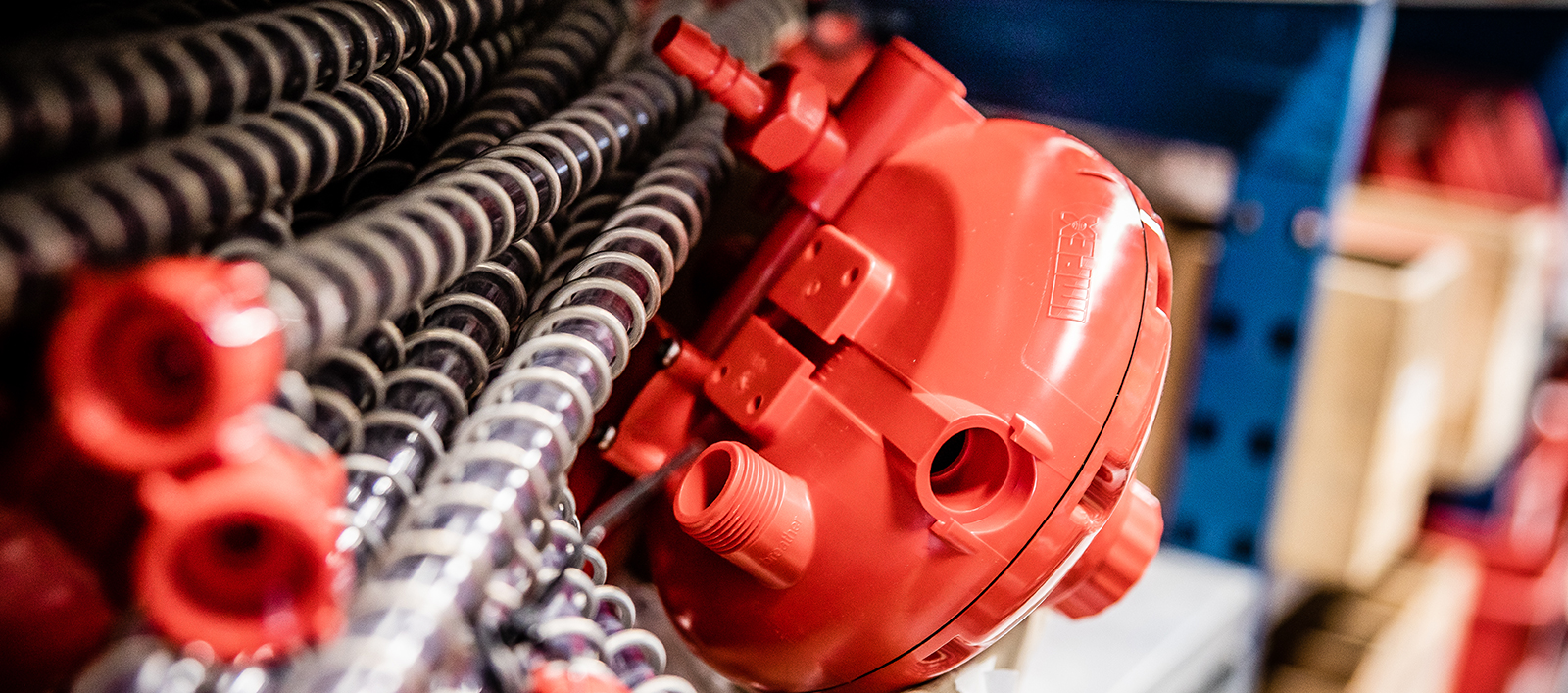 |
- Home
-
Products
- Pig Farming Equipment
- Cattle Farming Equipment
- Sheep & Goat Farming Equipment
- Poultry Farming Equipment
- Feeding & Drinking Systems
- Veterinary & Breeding Equipment
- Testing & Diagnostic Equipment
- Cleaning & Biosecurity Equipment
- Climate Control Equipment
- Livestock Weighing Equipment
- Manure & Waste Management
- Farm Transport & Handling
-
Solutions
- Pig Farm Solutions
- Dairy Farm Solutions
- Beef Cattle Farm Solutions
- Sheep & Goat Farm Solutions
- Layer Farm Solutions
- Broiler Farm Solutions
- Feeding & Drinking System Solutions
- Climate Control Solutions
- Biosecurity & Disinfection Solutions
- Manure & Waste Management
- Smart Farming Solutions
- Farm Renovation and Upgrade Solutions
- Partners
- Projects
- Resources
- News
- About Us
- Contact
Comments & Inquiries
Leave your questions or requirements below. We will reply as soon as possible.