
| Product Name | Retrofit High-Pressure Waterline Pulse Cleaning System | ||||||||||||||||||||||
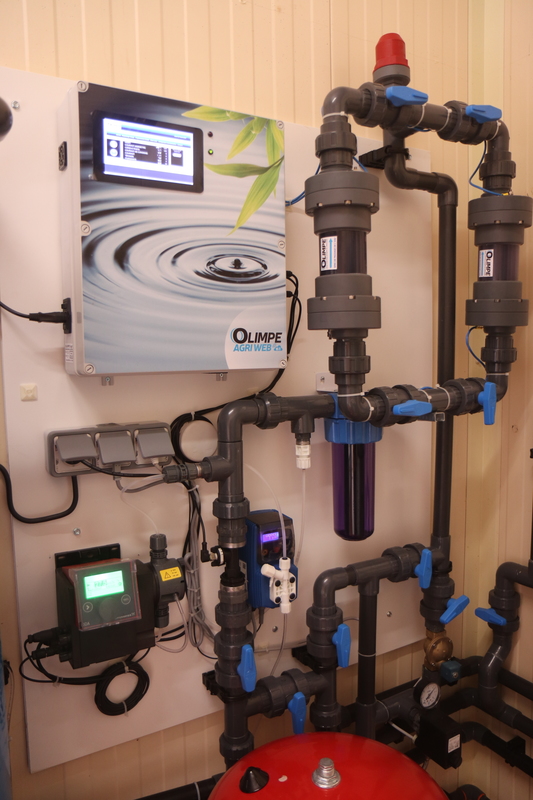
| Product Image |  |
||||||||||||||||||||||
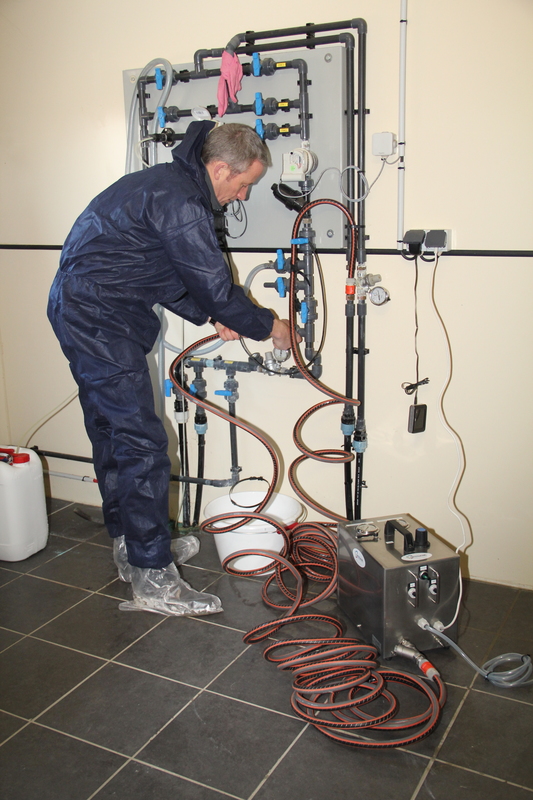
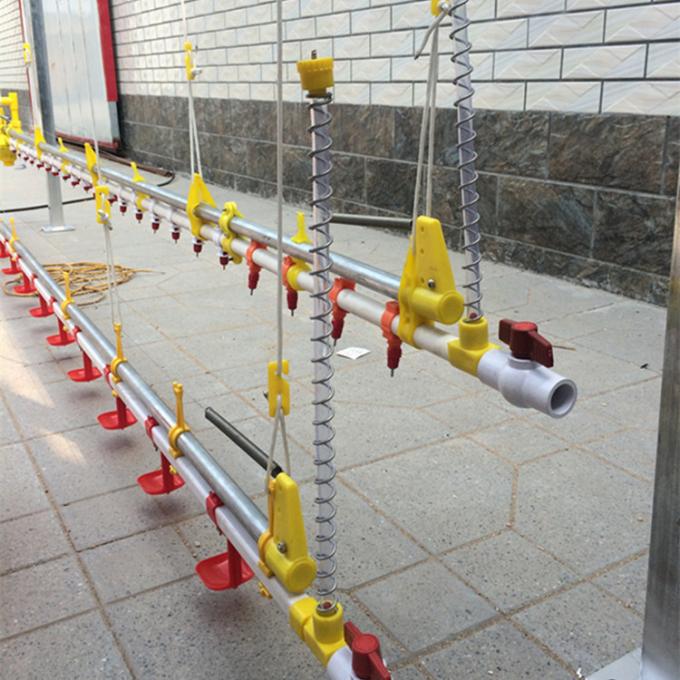
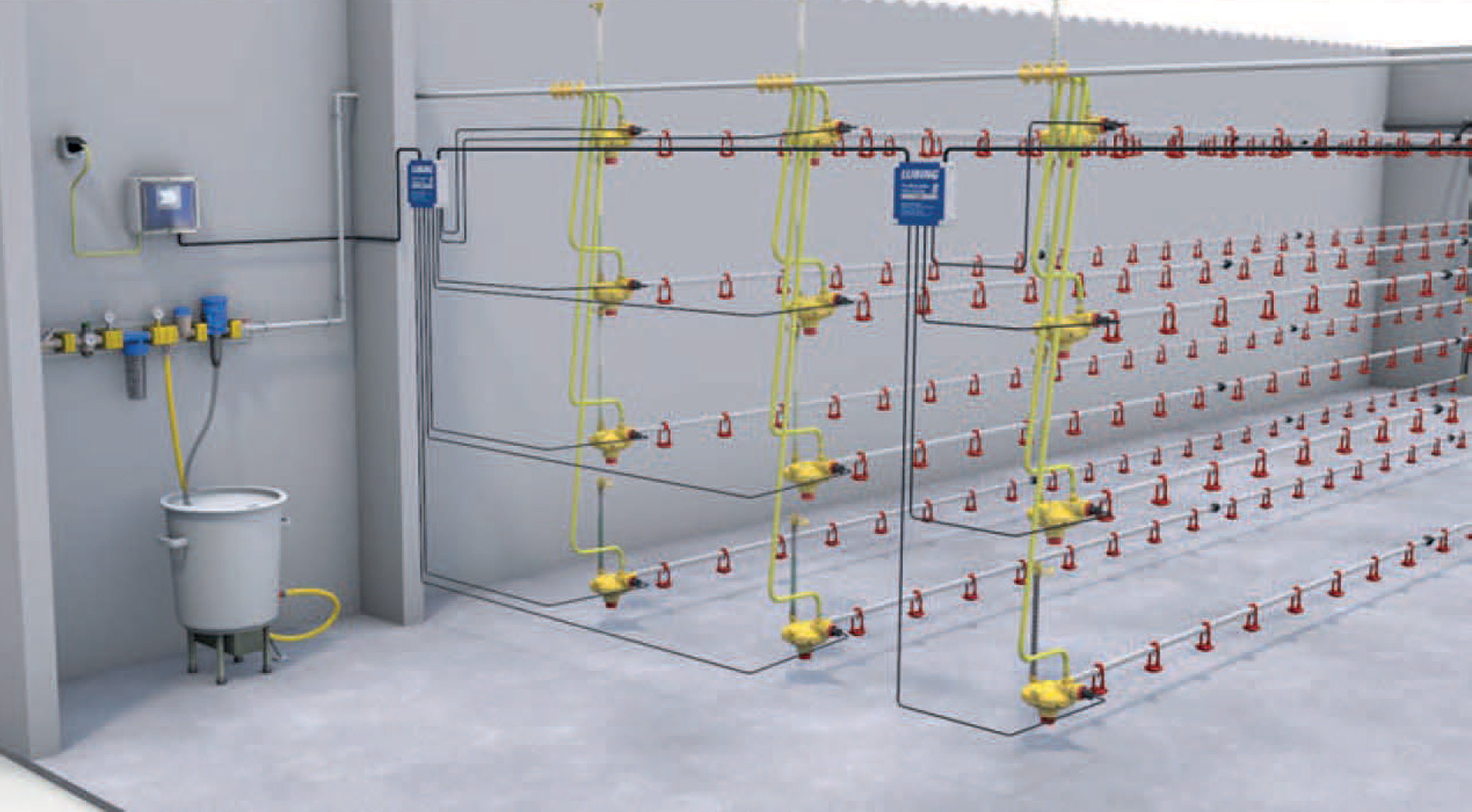
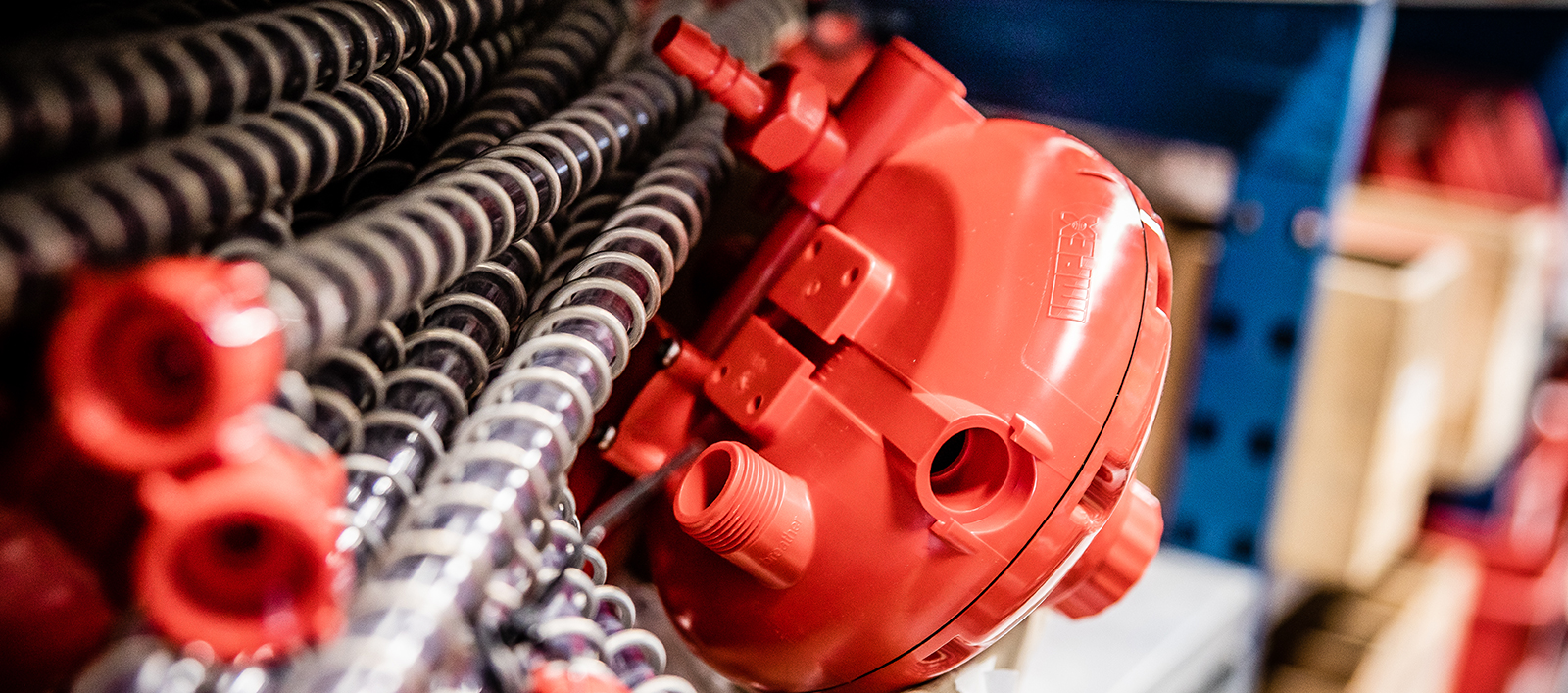
| Product Overview | The Retrofit High-Pressure Waterline Pulse Cleaning System is designed to upgrade existing poultry nipple drinking lines with automatic high-velocity flushing capability. The system periodically directs a strong water flow through the drinking pipe to dislodge biofilm, sediment, medication residues and other deposits from the internal pipe surfaces. During a cleaning cycle, the normal pressure regulation path is temporarily bypassed so that flushing water can pass through the drinking line at increased pressure and velocity. Contaminated water is discharged through a dedicated outlet at the end of the line. The retrofit concept makes the system suitable for existing poultry houses where operators want to improve waterline hygiene without replacing the complete drinking system. It can also be incorporated into new livestock equipment, poultry farm construction and steel structure building projects. |
||||||||||||||||||||||
| Key Features |
|
||||||||||||||||||||||
| Structural Components | A typical high-pressure waterline cleaning system may include:
|
||||||||||||||||||||||
| Working Principle | During normal poultry drinking operation, water passes through the pressure regulator at the pressure required by the nipple drinking line. When a programmed cleaning cycle begins, an automatic valve opens the bypass around the normal pressure regulator. Water then enters the drinking line at a higher flushing pressure, producing increased flow velocity inside the pipe. The rapid water movement loosens biofilm, sediment and residues adhering to the internal pipe surfaces and carries them toward the line end. The flushing outlet remains open during the cleaning process so contaminated water can be discharged outside the drinking line. Lines can be flushed one after another rather than simultaneously, helping maintain sufficient pressure and effective cleaning performance throughout the system. |
||||||||||||||||||||||
| Technical Specifications |
|
||||||||||||||||||||||
| Applications |
|
||||||||||||||||||||||
| Customization Options |
|
||||||||||||||||||||||
| Installation & Maintenance | Before retrofit installation, inspect the existing drinking line, pressure regulator, inlet pipeline and line-end components to confirm compatibility with the flushing system. The automatic valve or bypass assembly is installed near the pressure regulator so that the normal low-pressure drinking circuit can be bypassed during flushing. A suitable discharge outlet must also be installed at the end of each drinking line to remove flushing water and loosened deposits. Drain hoses should direct wastewater away from poultry litter and electrical equipment. After installation, each drinking line should be tested individually to confirm sufficient flushing flow and reliable drain operation. Routine maintenance should include inspection of solenoid valves, pressure regulators, hoses, electrical connections and flushing outlets. Cleaning cycles should be selected according to water quality, house temperature, water consumption and medication or water-treatment programs. |
||||||||||||||||||||||
| Project Cases | Retrofit automatic flushing is particularly suitable for commercial poultry houses equipped with existing nipple drinking lines where manual flushing requires substantial labor. A typical retrofit project adds an automatic bypass valve to the pressure-control assembly of each drinking line and provides a dedicated discharge outlet at the opposite end. A central controller then initiates flushing according to preset intervals. For new poultry farm construction and steel structure building projects, the system can be planned together with filters, water meters, medicators, pressure regulators, nipple lines and drainage equipment to form an integrated livestock drinking water management system. |
||||||||||||||||||||||
| Product FAQ | Q: Can this system be installed on an existing drinking line? A: Yes. The referenced automatic flushing concept is specifically suitable for retrofit installation on compatible existing poultry water supply systems. Q: How does high-pressure flushing clean the pipe? A: The pressure regulator is temporarily bypassed so higher-velocity water flows through the nipple pipe and carries deposits toward the line-end drain. Q: What flushing pressure is used in the reference system? A: Big Dutchman documentation describes a flushing supply pressure of approximately 1.5 to 2 bar for its automatic rinsing principle. Q: Does every drinking line flush at the same time? A: Sequential flushing is preferred in the referenced system. Individual lines are activated one after another to help maintain stable flushing pressure. Q: Can flushing be scheduled automatically? A: Yes. The reference system supports preset flushing intervals and multiple flushing and filling times. Q: Is a drain required at the end of the line? A: Yes. A line-end flushing outlet is required to discharge water together with loosened dirt and residues. |
||||||||||||||||||||||
| Product Gallery |  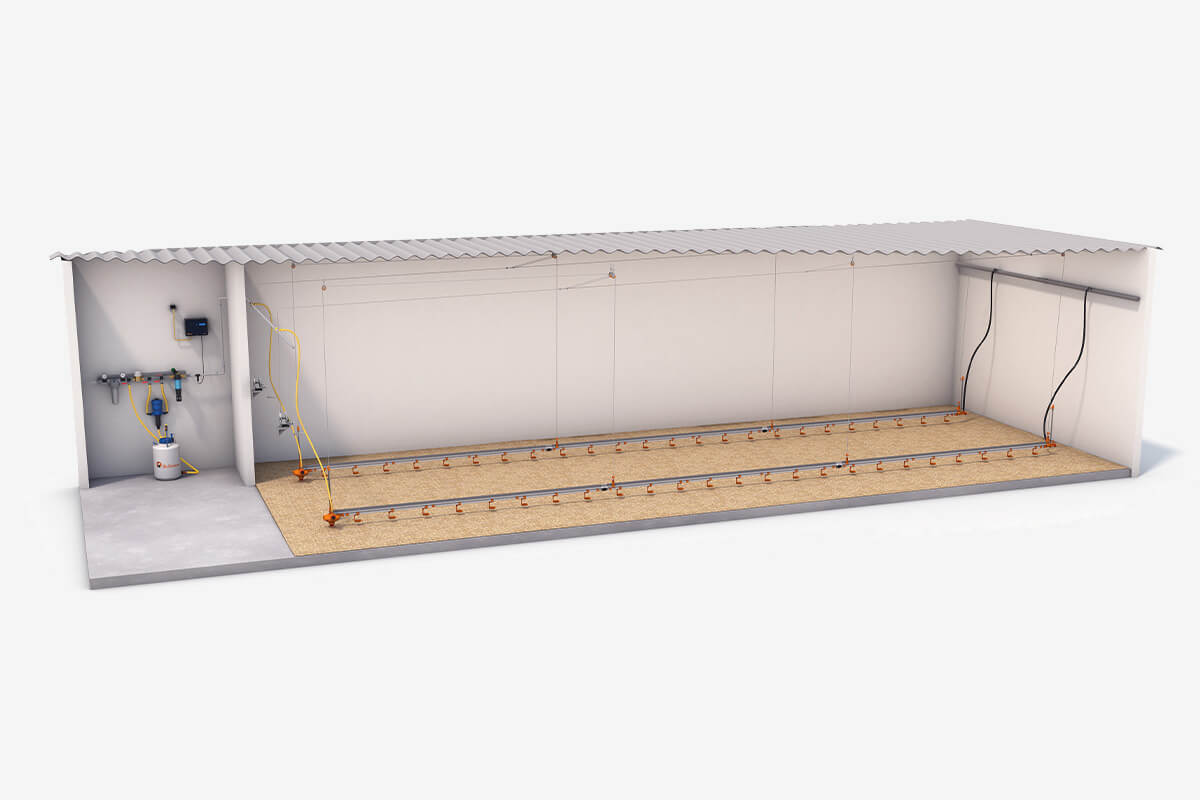 |
- Home
-
Products
- Pig Farming Equipment
- Cattle Farming Equipment
- Sheep & Goat Farming Equipment
- Poultry Farming Equipment
- Feeding & Drinking Systems
- Veterinary & Breeding Equipment
- Testing & Diagnostic Equipment
- Cleaning & Biosecurity Equipment
- Climate Control Equipment
- Livestock Weighing Equipment
- Manure & Waste Management
- Farm Transport & Handling
-
Solutions
- Pig Farm Solutions
- Dairy Farm Solutions
- Beef Cattle Farm Solutions
- Sheep & Goat Farm Solutions
- Layer Farm Solutions
- Broiler Farm Solutions
- Feeding & Drinking System Solutions
- Climate Control Solutions
- Biosecurity & Disinfection Solutions
- Manure & Waste Management
- Smart Farming Solutions
- Farm Renovation and Upgrade Solutions
- Partners
- Projects
- Resources
- News
- About Us
- Contact
Comments & Inquiries
Leave your questions or requirements below. We will reply as soon as possible.