
| Product Name | Centralized High-Pressure Waterline Cleaning System | ||||||||||||||||||||||||
| Product Image | 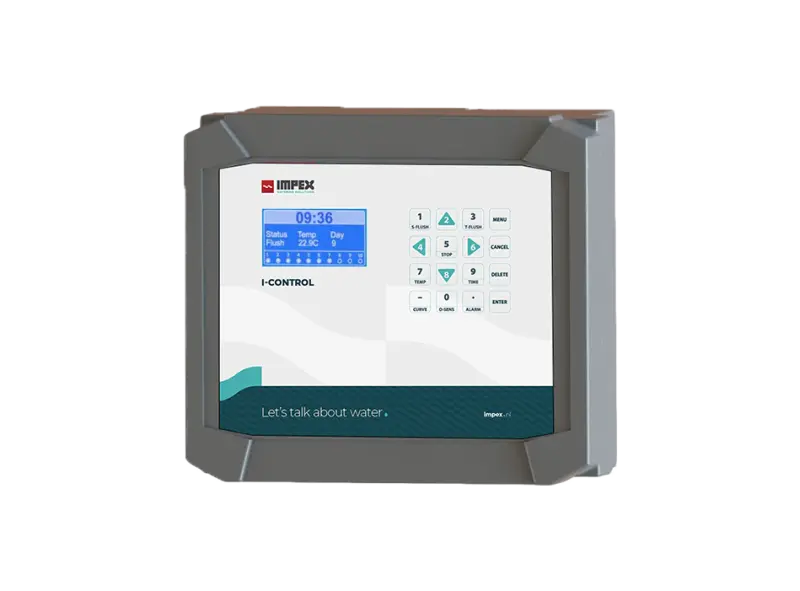 |
||||||||||||||||||||||||
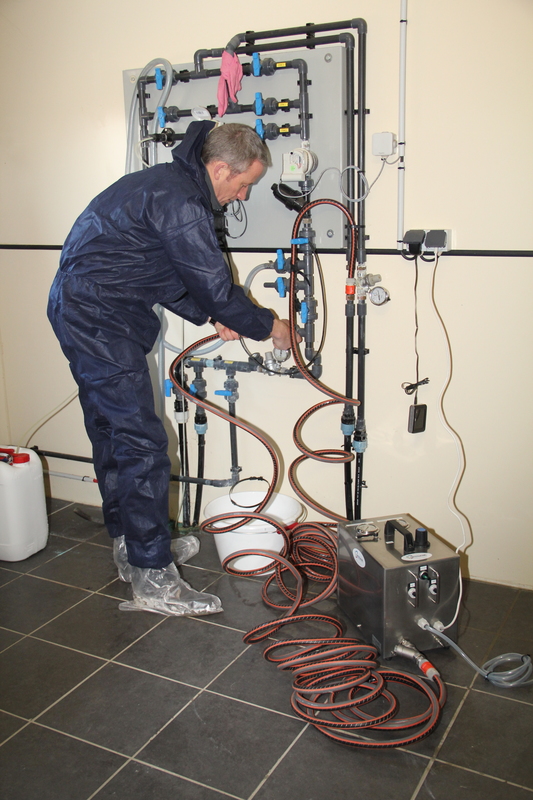
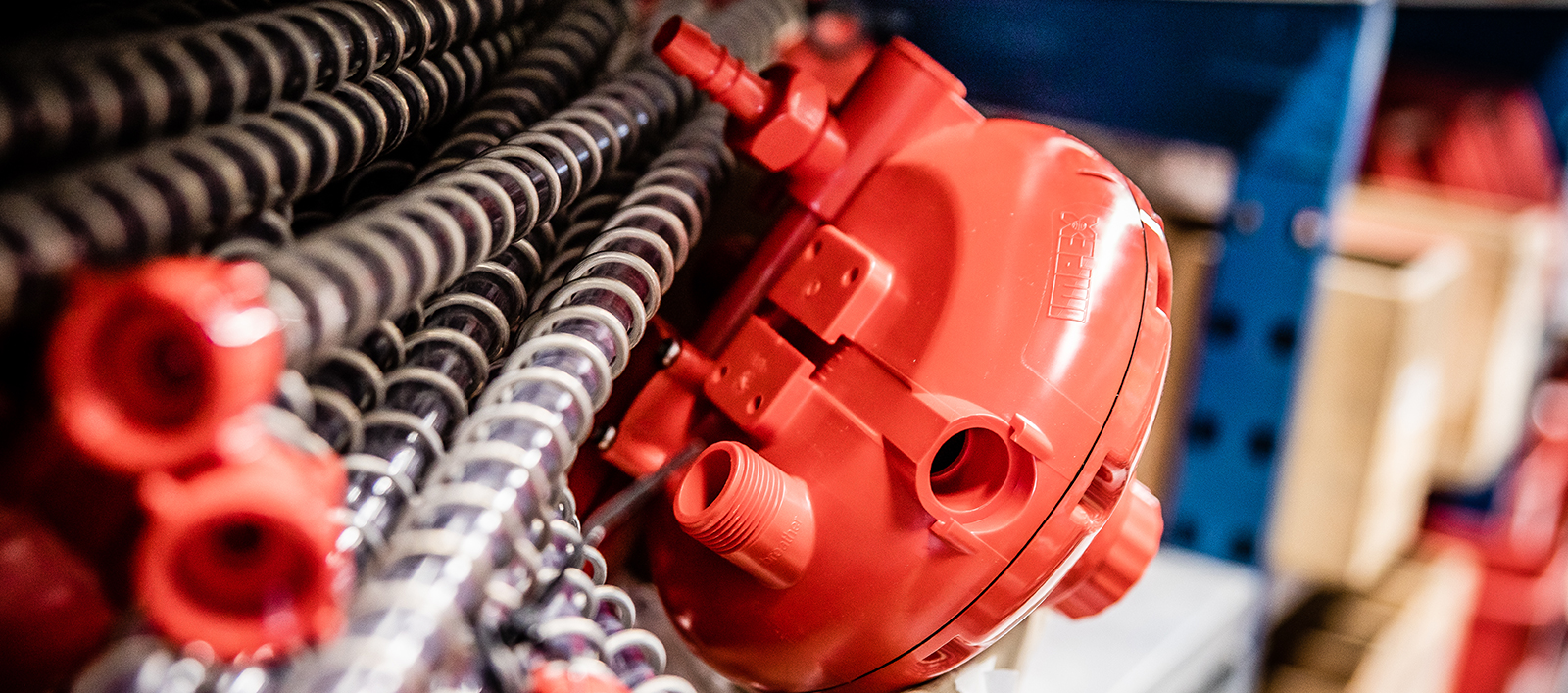
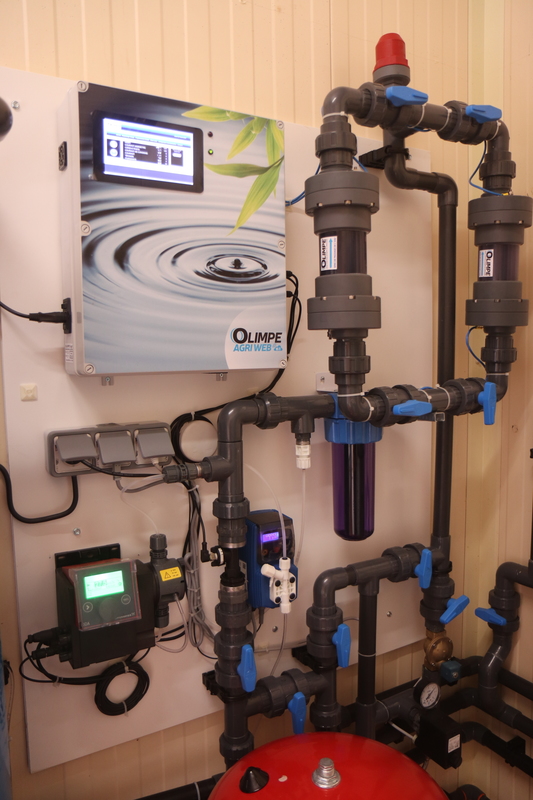
| Product Overview | The Centralized High-Pressure Waterline Cleaning System is designed for automatic flushing and hygiene management of poultry drinking water lines. A central control unit coordinates compatible pressure regulators so that drinking lines can be switched from normal drinking operation to a high-flow flushing mode according to programmed schedules or sensor signals. During flushing, water travels through the drinking lines at increased pressure and flow, carrying stagnant water, suspended contamination and loosened deposits toward the line-end drainage system. This helps maintain fresh drinking water and reduces the manual work required to flush multiple poultry water lines. The system is suitable for commercial broiler, layer, pullet and breeder houses and can be incorporated into complete livestock equipment packages, new poultry farm construction and steel structure building projects. |
||||||||||||||||||||||||
| Key Features |
|
||||||||||||||||||||||||
| Structural Components | A typical centralized waterline cleaning system may include:
|
||||||||||||||||||||||||
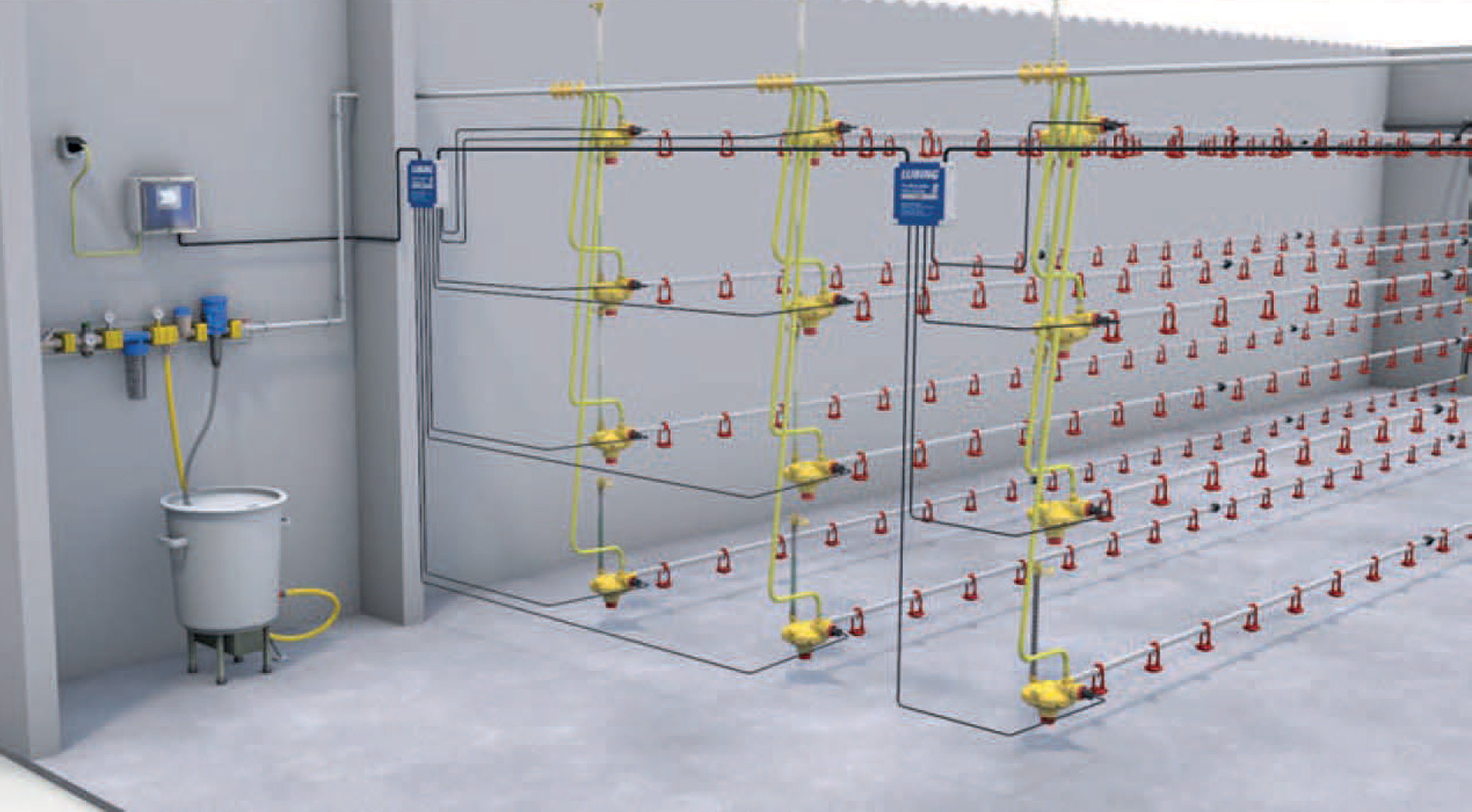
| Working Principle | During normal poultry drinking operation, the pressure regulator maintains suitable low water pressure in the nipple drinking line. When a flushing program is activated, the central controller sends a signal to the selected line pressure regulator. An actuator or integrated control valve changes the regulator to flushing mode, allowing water to travel through the drinking line at increased pressure and flow. The accelerated water carries loose residues and stagnant water toward the end of the drinking line. The flushing water then passes through the end air outlet assembly and drainage hose into the main drainage system. Flushing can be initiated according to a preset schedule or, when optional sensors are installed, according to water temperature or detected contamination. After the cycle is completed, the regulator automatically returns to normal drinking operation. |
||||||||||||||||||||||||
| Technical Specifications |
|
||||||||||||||||||||||||
| Applications |
|
||||||||||||||||||||||||
| Customization Options |
|
||||||||||||||||||||||||
| Installation & Maintenance | Before installation, confirm the number of poultry drinking lines, water supply capacity, pressure regulator arrangement, drainage route and controller location. The centralized controller should be installed in an accessible and protected technical area. Compatible pressure regulators and automatic actuators are installed at the drinking line inlets. Each line-end air outlet assembly should be connected to a drainage hose that carries flushing water toward the main farm drain. After installation, test each drinking line separately to verify normal pressure regulation, automatic switching to flushing mode and unrestricted drainage. Flushing schedules should then be configured according to bird type, drinking line length and farm management requirements. Routine maintenance should include checking pressure regulators, actuators, valves, sensors, line-end outlets and drainage hoses. Drinking lines should also be thoroughly flushed after medication or additive programs and between production cycles when required. |
||||||||||||||||||||||||
| Project Cases | Centralized automatic flushing is particularly suitable for large poultry farms with multiple drinking lines where frequent manual flushing would require significant labor. In a multi-line poultry house, the flushing computer can coordinate pressure regulators installed at the beginning of each drinking line. Selected lines are switched into flushing mode according to programmed schedules, while line-end drainage assemblies remove the discharged water from the production area. For complete livestock equipment projects, the waterline cleaning system can be planned together with drinking nipples, water control panels, filters, dosing equipment, pressure regulators, water meters and drainage infrastructure. |
||||||||||||||||||||||||
| Product FAQ | Q: How does centralized automatic flushing work? A: A central flushing computer sends commands to compatible pressure regulators. The selected lines switch to a high-flow flushing mode, and the discharged water is carried through line-end drainage hoses to the main drain. Q: Can different drinking lines be flushed separately? A: Yes. The controller can be configured to manage individual drinking lines, groups of lines or complete flushing sequences according to the system design. Q: Can the system flush automatically when the drinking water becomes too warm? A: Yes. An optional temperature sensor can provide information to the controller so flushing can start when a preset temperature condition is reached. Q: Can the system respond to water contamination? A: Yes. An optional biofilm or turbidity sensor can detect changes in water cleanliness and initiate flushing according to programmed limits. Q: Can excessive automatic flushing be prevented? A: Yes. Compatible controllers can limit the maximum number of flushing cycles so that abnormal conditions do not cause continuous unnecessary flushing. Q: Can the system be installed in existing poultry houses? A: Yes. Compatible drinking systems can be upgraded with automatic pressure-regulator actuators, centralized controls, sensors and drainage components according to project requirements. |
||||||||||||||||||||||||
| Product Gallery | 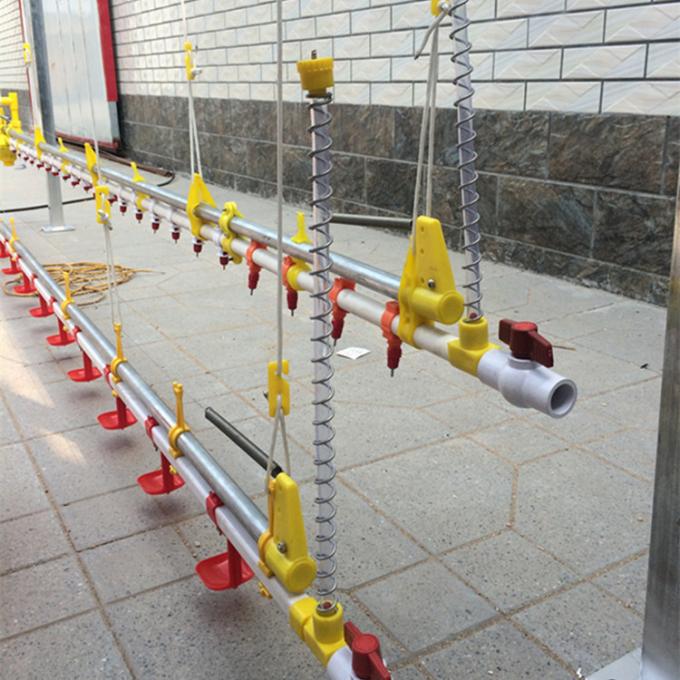 |
- Home
-
Products
- Pig Farming Equipment
- Cattle Farming Equipment
- Sheep & Goat Farming Equipment
- Poultry Farming Equipment
- Feeding & Drinking Systems
- Veterinary & Breeding Equipment
- Testing & Diagnostic Equipment
- Cleaning & Biosecurity Equipment
- Climate Control Equipment
- Livestock Weighing Equipment
- Manure & Waste Management
- Farm Transport & Handling
-
Solutions
- Pig Farm Solutions
- Dairy Farm Solutions
- Beef Cattle Farm Solutions
- Sheep & Goat Farm Solutions
- Layer Farm Solutions
- Broiler Farm Solutions
- Feeding & Drinking System Solutions
- Climate Control Solutions
- Biosecurity & Disinfection Solutions
- Manure & Waste Management
- Smart Farming Solutions
- Farm Renovation and Upgrade Solutions
- Partners
- Projects
- Resources
- News
- About Us
- Contact
Comments & Inquiries
Leave your questions or requirements below. We will reply as soon as possible.