

| Product Name | Turkey & Duck Egg Hatcher | ||||||||||||||||||||||||||
| Product Image |  |
||||||||||||||||||||||||||
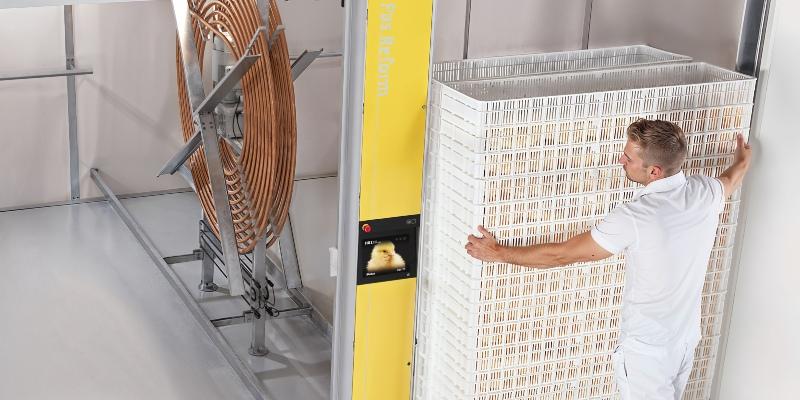
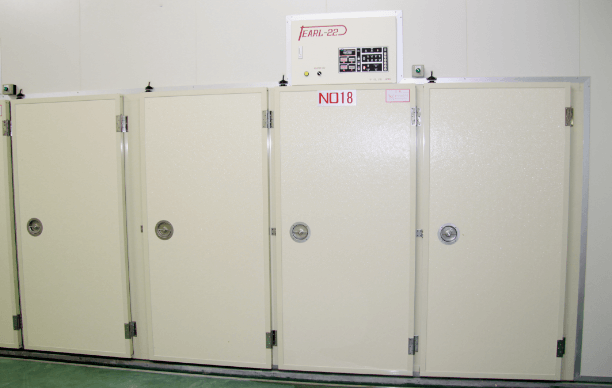
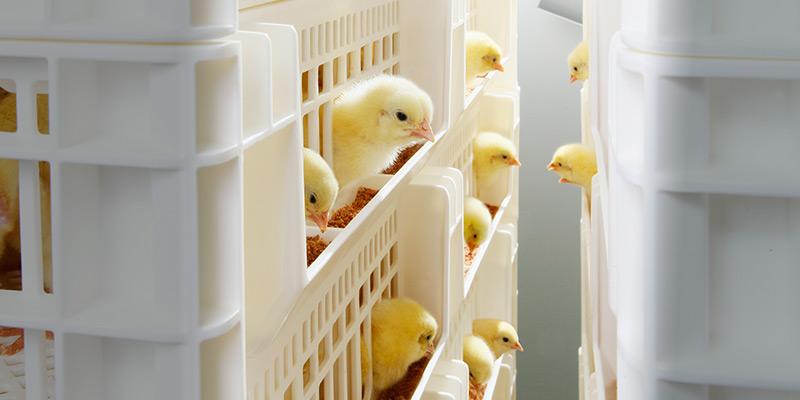
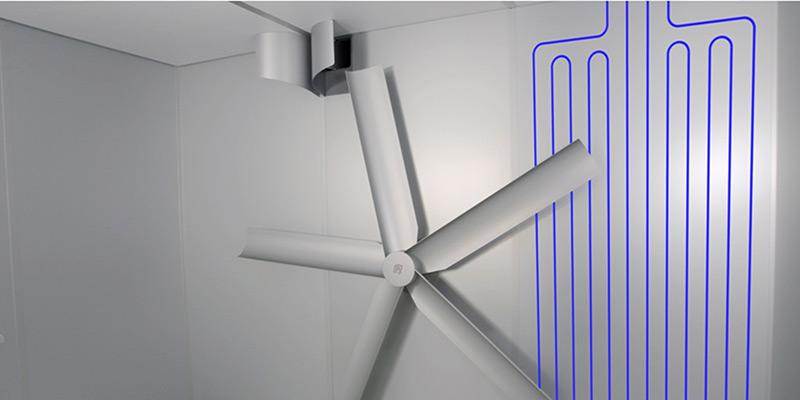
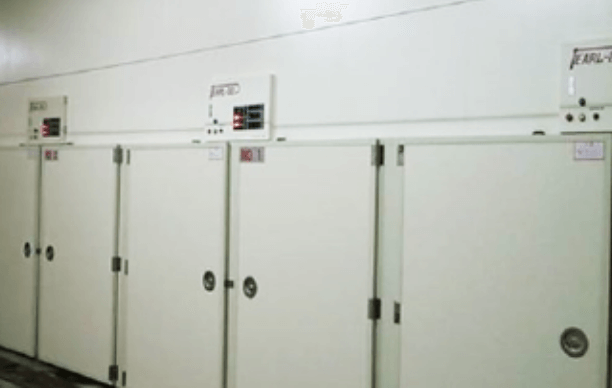
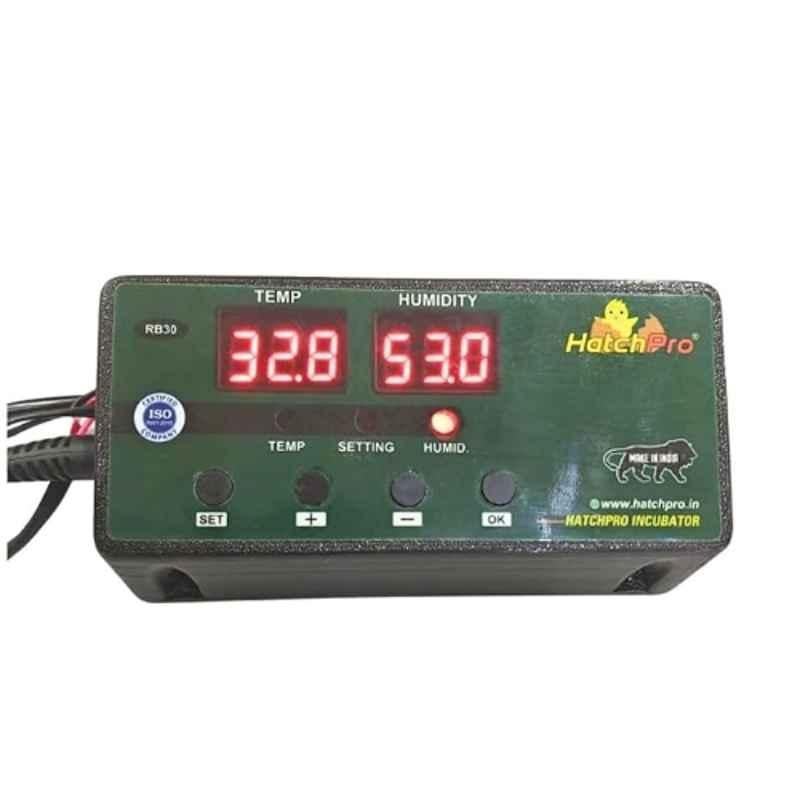
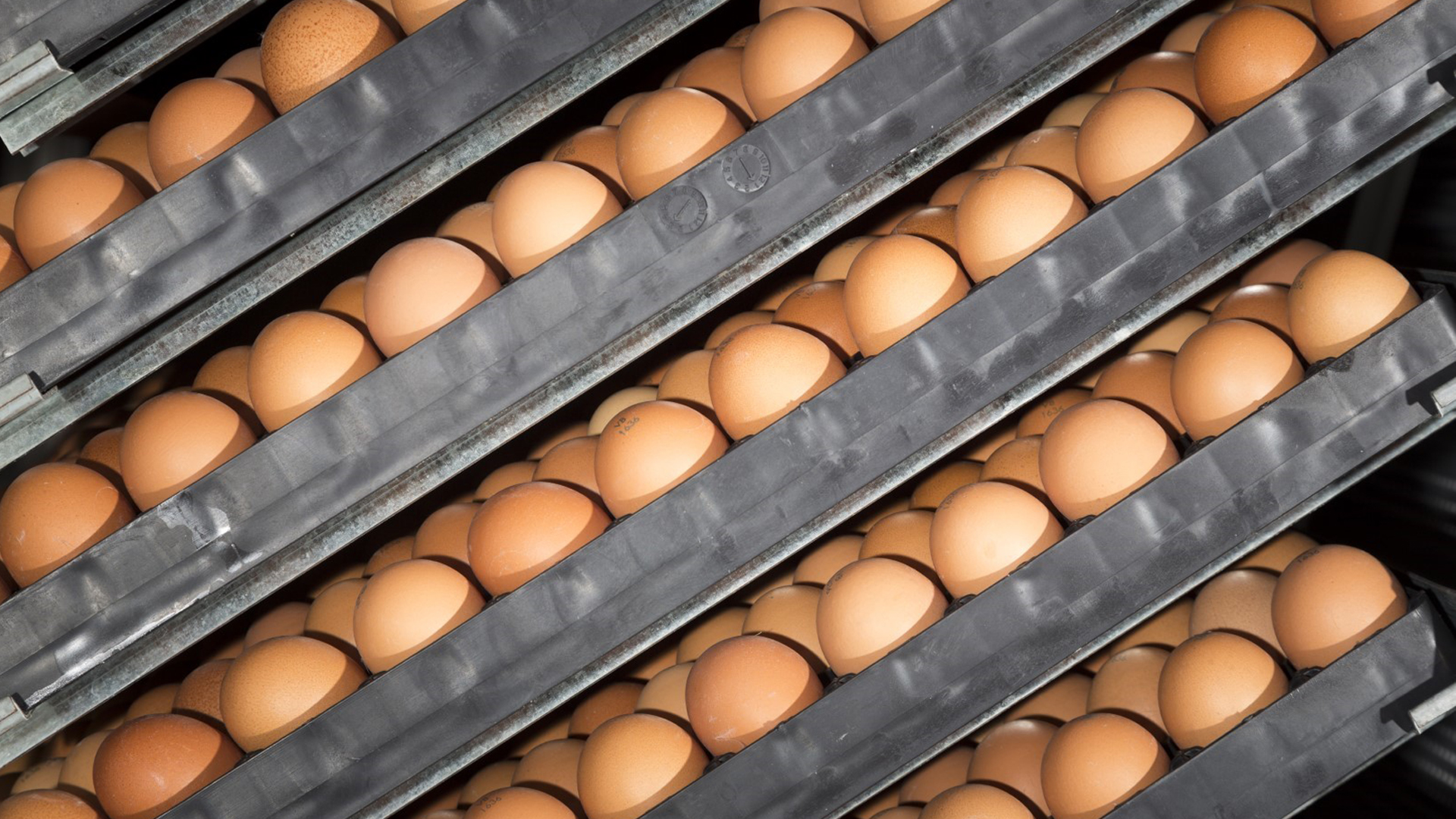
| Product Overview | The Turkey & Duck Egg Hatcher is designed for the final stage of incubation after fertile turkey or duck eggs have completed the main setter period. Eggs are transferred into hatching baskets where they remain without turning while embryos complete development, pip the shell and emerge. The hatcher combines controlled heating, adjustable humidity and forced-air circulation to create a stable environment around the eggs and newly hatched poults or ducklings. Moving-air construction helps restore uniform chamber conditions after the door or lid is opened during normal hatchery operation. The equipment is suitable for turkey breeder farms, duck breeding operations, commercial hatcheries, waterfowl breeding centers and poultry production projects requiring a dedicated hatching stage separated from setter incubation. |
||||||||||||||||||||||||||
| Key Features |
|
||||||||||||||||||||||||||
| Structural Components |
|
||||||||||||||||||||||||||
| Working Principle | Near the end of the incubation period, fertile turkey or duck eggs are transferred from setter trays into hatching baskets. The baskets are then placed inside the hatcher, where egg turning is discontinued. The heating and air-circulation systems maintain the required chamber environment while humidity is adjusted to support membrane condition, shell pipping and chick emergence. Forced airflow distributes heat and moisture across the baskets and helps restore chamber conditions after access doors are opened. As hatching progresses, the environmental settings should follow the validated hatchery program for the poultry species, breeder flock and egg condition. After hatch completion, poults or ducklings are removed for grading, vaccination, processing or transfer to the brooding facility. |
||||||||||||||||||||||||||
| Technical Specifications |
|
||||||||||||||||||||||||||
| Turkey & Duck Hatching Management | Turkey and duck eggs are larger than standard chicken eggs, so hatching baskets, airflow paths and usable chamber capacity should be selected accordingly. Commercial hatchery equipment commonly uses dedicated turkey and duck tray and basket configurations to maintain suitable egg spacing and uniform air distribution. Temperature and humidity settings should not be treated as universal fixed values. The hatch profile can vary with poultry species, strain, breeder flock age, egg storage conditions, shell quality and previous setter conditions. For this reason, the hatcher should be operated according to a validated turkey or duck incubation program and adjusted using hatch results, chick quality and hatch-window observations. |
||||||||||||||||||||||||||
| Applications |
|
||||||||||||||||||||||||||
| Customization Options | The Turkey & Duck Egg Hatcher can be customized according to poultry species, egg size, weekly transfer volume, hatchery output and available installation space. Available options may include hatching capacity, basket dimensions, basket quantity, trolley arrangement, cabinet dimensions, temperature controller, humidification method, cooling configuration, viewing window, alarm system and electrical specification. Larger walk-in or trolley-based systems are available for commercial hatcheries. Equipment configuration can be designed according to local climate and farm conditions and coordinated with the overall hatchery building and livestock equipment layout. |
||||||||||||||||||||||||||
| Installation & Maintenance | Install the hatcher on a stable, level surface in a clean hatchery room with sufficient space for basket handling, cleaning and maintenance. Electrical, water, ventilation and drainage requirements should be confirmed during project design. Avoid positioning the machine where direct sunlight, strong drafts or large room-temperature fluctuations could affect operation. The ventilation system should allow adequate fresh-air exchange without creating uncontrolled airflow through the cabinet. After every hatch, remove shells and organic residues and thoroughly clean and disinfect the hatching baskets and internal chamber. Regularly inspect fans, temperature probes, humidification components, door seals, controls and electrical connections. |
||||||||||||||||||||||||||
| Project Cases | In a dedicated turkey or duck hatchery, the hatcher is normally positioned downstream of the setter and egg-transfer area. Eggs are transferred into species-compatible hatching baskets before entering the hatcher, and newly hatched poults or ducklings subsequently move to chick processing, vaccination, grading and dispatch areas. For larger projects, several hatcher cabinets can be arranged according to weekly transfer schedules. Trolley routes, washable surfaces, drainage, ventilation, sanitation areas and service access can be coordinated with the steel structure hatchery building during engineering design. |
||||||||||||||||||||||||||
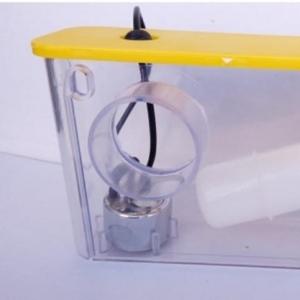
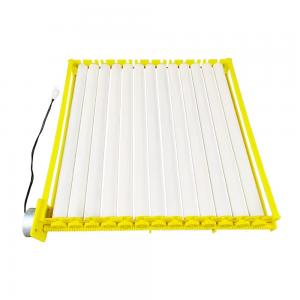
| Product FAQ | Q: Can one hatcher be used for both turkey and duck eggs? A: Yes. A compatible hatcher can be used for both species when the hatching baskets, usable capacity and environmental program are selected for the eggs being processed. Q: Does the hatcher turn the eggs? A: Egg turning is normally stopped before eggs enter the hatcher, so a dedicated final-stage hatcher does not generally require a turning mechanism. Q: Why is forced airflow important? A: Forced airflow helps distribute temperature and humidity throughout the chamber and across multiple hatching baskets. Q: Is humidity adjustable? A: Yes. Humidity can be regulated through evaporation, spray humidification or another system according to the machine configuration. Q: Can hatching basket sizes be customized? A: Yes. Basket dimensions and quantity can be selected according to turkey or duck egg size, machine capacity and hatchery workflow. Q: Is the capacity customizable for commercial projects? A: Yes. Small cabinet units and larger trolley-based commercial configurations can be supplied according to project requirements. Q: What information is required for quotation? A: Recommended information includes poultry species, eggs per batch, weekly transfer volume, required hatching capacity, local electrical supply, room dimensions and preferred level of automation. |
||||||||||||||||||||||||||
| Product Gallery | |
- Home
-
Products
- Pig Farming Equipment
- Cattle Farming Equipment
- Sheep & Goat Farming Equipment
- Poultry Farming Equipment
- Feeding & Drinking Systems
- Veterinary & Breeding Equipment
- Testing & Diagnostic Equipment
- Cleaning & Biosecurity Equipment
- Climate Control Equipment
- Livestock Weighing Equipment
- Manure & Waste Management
- Farm Transport & Handling
-
Solutions
- Pig Farm Solutions
- Dairy Farm Solutions
- Beef Cattle Farm Solutions
- Sheep & Goat Farm Solutions
- Layer Farm Solutions
- Broiler Farm Solutions
- Feeding & Drinking System Solutions
- Climate Control Solutions
- Biosecurity & Disinfection Solutions
- Manure & Waste Management
- Smart Farming Solutions
- Farm Renovation and Upgrade Solutions
- Partners
- Projects
- Resources
- News
- About Us
- Contact






Comments & Inquiries
Leave your questions or requirements below. We will reply as soon as possible.