

| Product Name | Post-Hatch Feeding Poultry Hatcher | ||||||||||||||||||||||||||||
| Product Image | 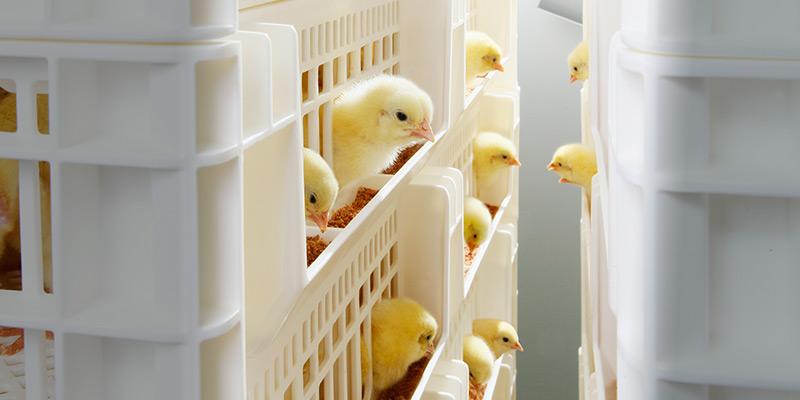 |
||||||||||||||||||||||||||||
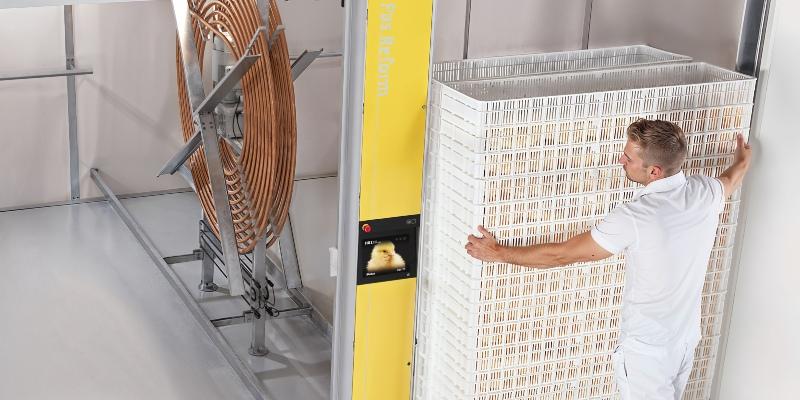
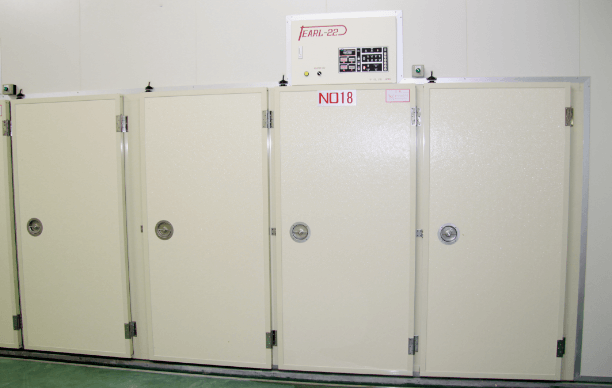
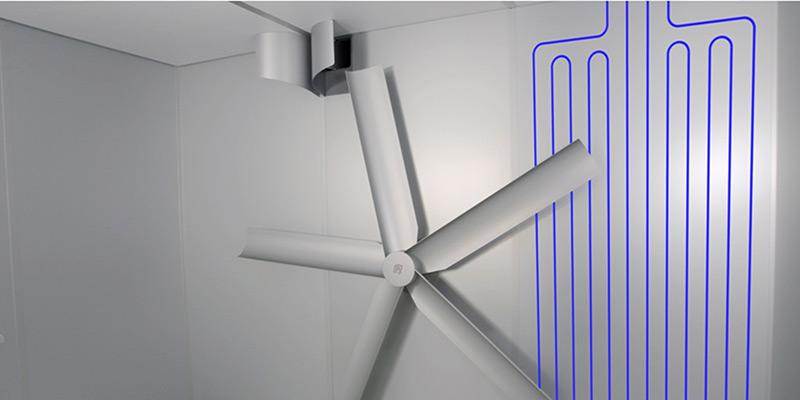
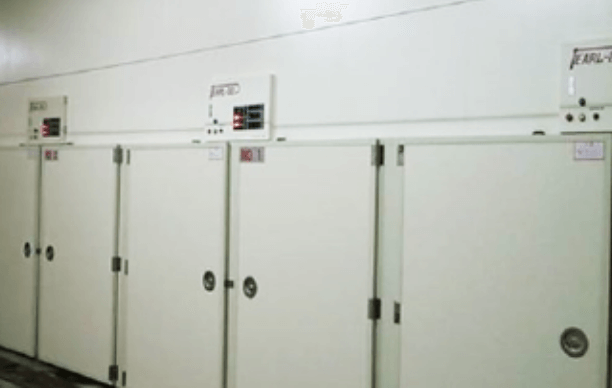
| Product Overview | The Post-Hatch Feeding Poultry Hatcher combines controlled chick hatching with an integrated early-feeding concept, allowing newly hatched chicks to gain access to nutrition and hydration before they leave the hatcher. The system is designed for commercial broiler hatcheries where reducing the interval between hatch and first feeding is an important part of chick management. Special hatcher baskets can incorporate feeding areas along their outer sides, while integrated lighting helps guide newly hatched chicks toward the feed. In addition to post-hatch feeding, the machine maintains the required hatching environment through coordinated heating, cooling, humidity, ventilation and airflow control. The equipment can be integrated into new hatchery projects or configured as part of a larger poultry incubation and chick-handling system. :contentReference[oaicite:0]{index=0} |
||||||||||||||||||||||||||||
| Key Features |
|
||||||||||||||||||||||||||||
| Structural Components |
|
||||||||||||||||||||||||||||
| Working Principle | Transferred eggs are placed in post-hatch feeding baskets and stacked on dollies inside the hatcher. The machine then runs an automatic hatching program that controls temperature, cooling, humidity, ventilation and airflow throughout the final stage of incubation. As chicks begin to hatch, the basket design keeps them close to accessible feeding areas. Integrated LED lighting guides the chicks toward the feed balconies, where specially formulated semi-moist feed or another compatible early-feeding solution can provide both nutrients and moisture. After the hatch window is completed, the dollies are removed for chick processing. The cabinet, baskets and feeding areas can then be cleaned and disinfected before the next cycle. :contentReference[oaicite:1]{index=1} |
||||||||||||||||||||||||||||
| Technical Specifications |
|
||||||||||||||||||||||||||||
| Post-Hatch Feeding System | Post-hatch feeding is designed to shorten the period between chick emergence and first access to nutrition and hydration. In this type of system, feed is available directly inside the hatcher rather than only after chicks have been removed and transported to the farm. Specialized semi-moist feed can combine nutrients and water in a form suitable for the warm hatcher environment. Integrated lighting helps chicks locate the feeding areas shortly after emergence. The final feeding program, feed formulation and post-hatch holding time should be selected according to hatchery management procedures, chick transport time, veterinary guidance and local production requirements. :contentReference[oaicite:2]{index=2} |
||||||||||||||||||||||||||||
| Applications |
|
||||||||||||||||||||||||||||
| Customization Options | The Post-Hatch Feeding Poultry Hatcher can be configured according to hatchery capacity, basket type, weekly transfer volume, chick processing workflow and preferred post-hatch feeding strategy. Available customization may include hatcher capacity, basket arrangement, feeding-area configuration, lighting program, cooling system, humidification method, ventilation control, monitoring sensors, digital controls and electrical specification. The complete solution can be designed according to local climate and farm conditions, hatchery building dimensions, chick transport time and project-specific production requirements. |
||||||||||||||||||||||||||||
| Installation & Maintenance | The hatcher should be installed on a stable and level floor with sufficient space for dolly movement, chick unloading, washing and technical maintenance. Cooling water, drainage, fresh-air supply, exhaust and electrical services should be coordinated with the hatchery engineering layout. Feeding baskets and feed-contact surfaces should be cleaned thoroughly after every hatch cycle. Fans, lighting units, cooling components, humidification nozzles, sensors and door seals should be inspected regularly. Smooth internal surfaces, integrated cooling components and ceiling-mounted lighting can simplify washing and help reduce areas where dirt and organic material may accumulate. :contentReference[oaicite:3]{index=3} |
||||||||||||||||||||||||||||
| Project Cases | In large commercial broiler hatcheries, post-hatch feeding hatchers can be installed downstream of candling and transfer systems and upstream of chick processing, vaccination, counting, grading and dispatch. For hatcheries serving farms located far from the production center, early feeding can be incorporated into the hatchery management strategy to provide chicks with access to nutrition before transport. For new hatchery construction, hatcher rooms, feeding preparation areas, trolley routes, washing zones, ventilation rooms and chick dispatch areas can be coordinated with the steel structure building during the engineering stage. |
||||||||||||||||||||||||||||
| Product FAQ | Q: What is a post-hatch feeding poultry hatcher? A: It is a hatcher that combines normal final-stage incubation with a system that gives newly hatched chicks access to feed, hydration and guided lighting before they leave the hatcher. Q: How do chicks reach the feed? A: Special hatcher baskets can incorporate feeding areas along their sides, while integrated lighting helps guide newly hatched chicks toward those areas. Q: Does the system still control the hatching climate? A: Yes. Temperature, cooling, humidity, airflow and ventilation remain controlled during the hatch and post-hatch period. Q: Can the lighting program be adjusted? A: Yes. Programmable lighting can be configured according to the hatchery and downstream broiler management program. Q: Can CO2 and hatch-window monitoring be added? A: Advanced sensor packages for humidity, carbon dioxide and hatch-window monitoring are available upon request. Q: Can the system be customized for an existing hatchery? A: Yes. Machine capacity, basket arrangement, services and feeding configuration can be selected according to the existing hatchery layout and project requirements. Q: What information is required for quotation? A: Recommended information includes weekly egg transfer volume, target chick output, basket system, preferred feeding concept, chick dispatch time, available hatchery dimensions, local electrical supply and cooling-water conditions. |
||||||||||||||||||||||||||||
| Product Gallery |  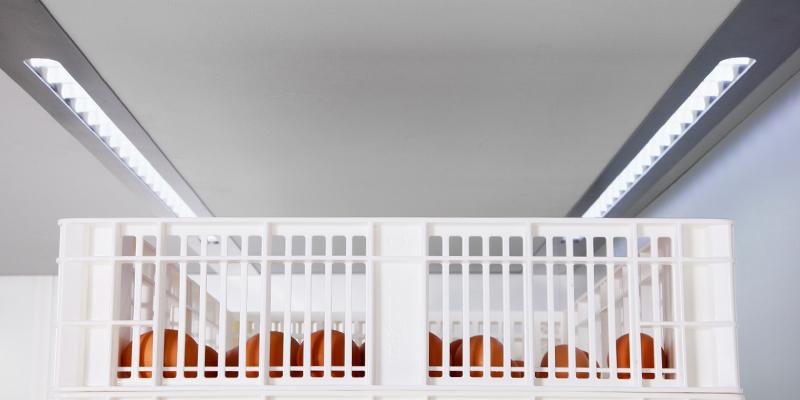 |
- Home
-
Products
- Pig Farming Equipment
- Cattle Farming Equipment
- Sheep & Goat Farming Equipment
- Poultry Farming Equipment
- Feeding & Drinking Systems
- Veterinary & Breeding Equipment
- Testing & Diagnostic Equipment
- Cleaning & Biosecurity Equipment
- Climate Control Equipment
- Livestock Weighing Equipment
- Manure & Waste Management
- Farm Transport & Handling
-
Solutions
- Pig Farm Solutions
- Dairy Farm Solutions
- Beef Cattle Farm Solutions
- Sheep & Goat Farm Solutions
- Layer Farm Solutions
- Broiler Farm Solutions
- Feeding & Drinking System Solutions
- Climate Control Solutions
- Biosecurity & Disinfection Solutions
- Manure & Waste Management
- Smart Farming Solutions
- Farm Renovation and Upgrade Solutions
- Partners
- Projects
- Resources
- News
- About Us
- Contact




Comments & Inquiries
Leave your questions or requirements below. We will reply as soon as possible.