

| Product Name | Two-Door Poultry Hatcher | ||||||||||||||||||||||||||
| Product Image | 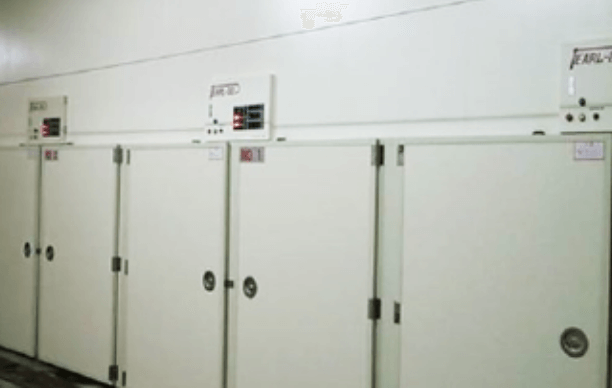 |
||||||||||||||||||||||||||
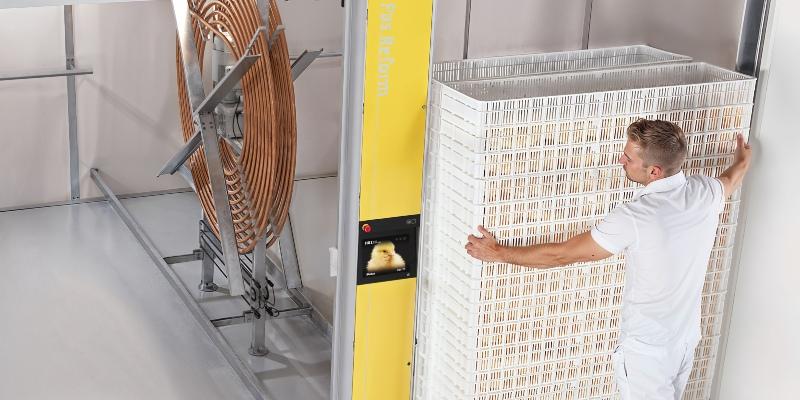
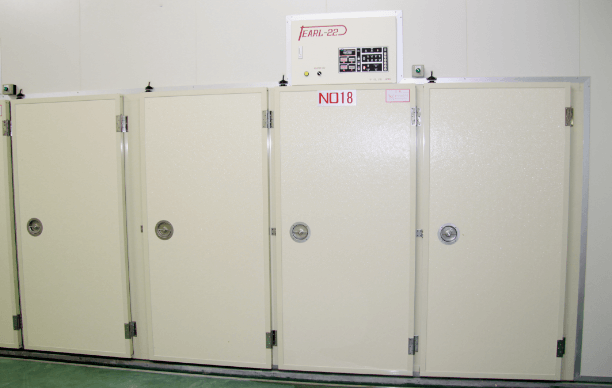
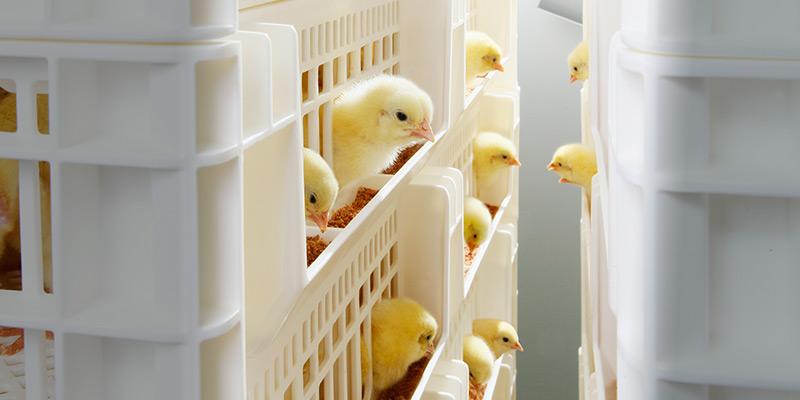
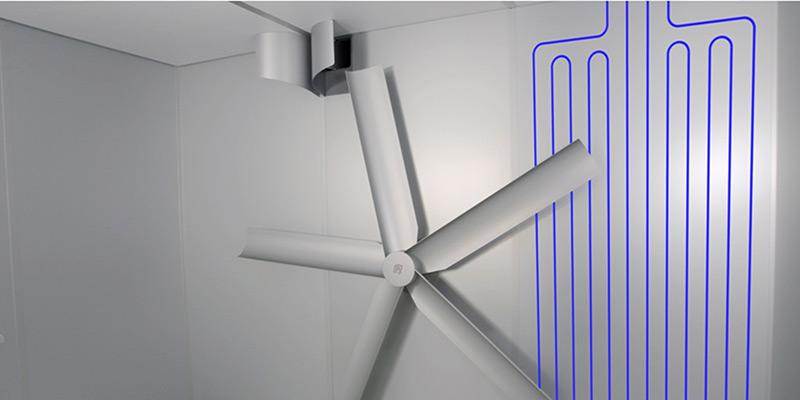
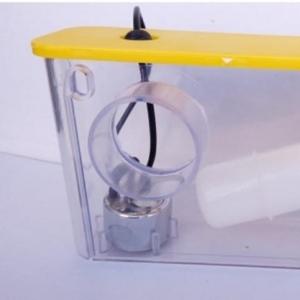
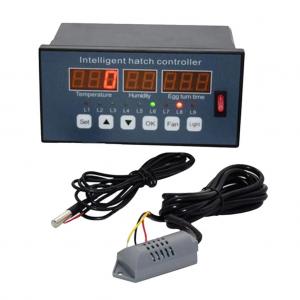
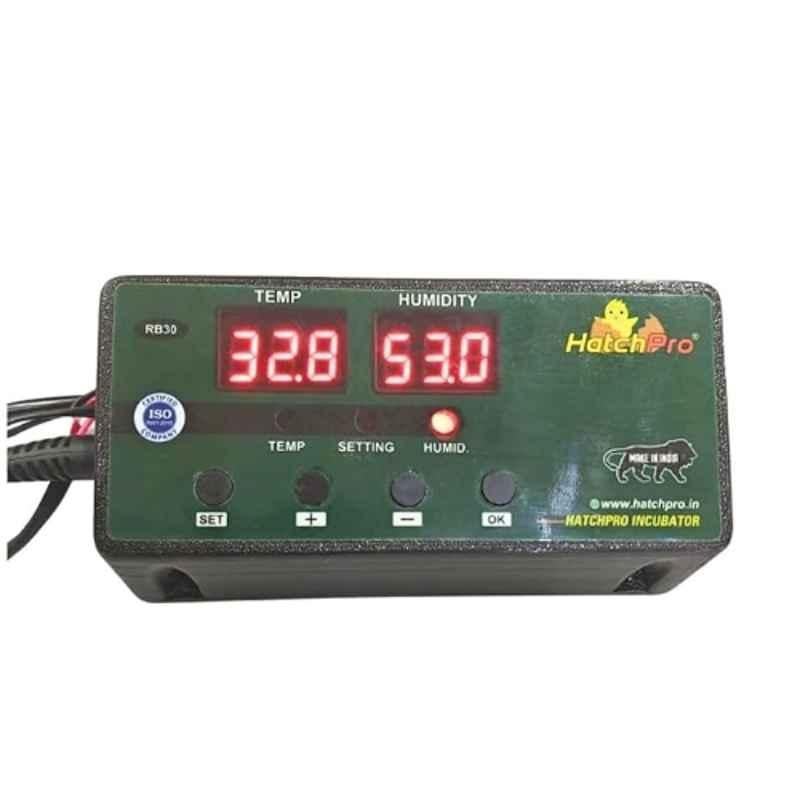
| Product Overview | The Two-Door Poultry Hatcher is a commercial hatchery machine designed for the final stage of poultry incubation after eggs are transferred from setter trays into hatching baskets. Its two-door configuration combines high egg capacity with efficient floor-space utilization and convenient trolley handling. The reference two-door design accommodates six single-size hatcher trolleys, allowing hatchery personnel to move baskets efficiently during egg transfer, chick take-off, washing and sanitation procedures. Integrated temperature and humidity sensing, fan-coil air circulation, spray humidification and high-temperature alarm functions support a controlled hatching environment for commercial poultry production. |
||||||||||||||||||||||||||
| Key Features |
|
||||||||||||||||||||||||||
| Structural Components |
|
||||||||||||||||||||||||||
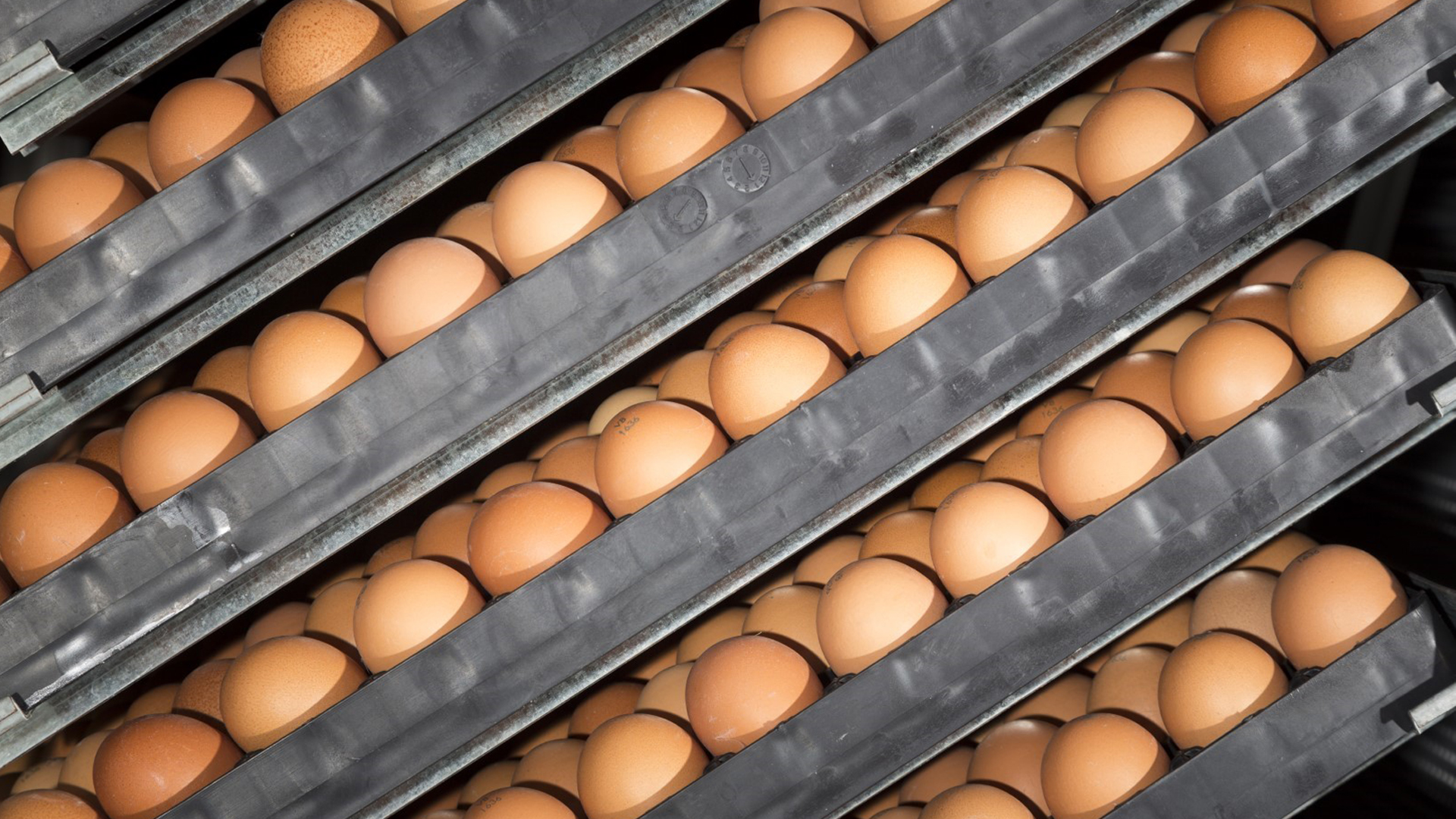
| Working Principle | Near the end of the setter cycle, fertile eggs are transferred from setter trays into hatching baskets and loaded onto the six single-size trolleys. The trolleys are then positioned inside the hatching chamber. During the final incubation phase, temperature and humidity sensors provide operating feedback while the fan-coil assembly circulates conditioned air throughout the chamber. The humidifying nozzle supplies additional moisture when required by the hatching program. As embryos generate increasing metabolic heat, the air-conditioning system helps maintain suitable chamber conditions. After pipping and chick emergence are completed, the trolleys can be removed for chick processing, basket washing and chamber sanitation. |
||||||||||||||||||||||||||
| Technical Specifications |
|
||||||||||||||||||||||||||
| Applications |
|
||||||||||||||||||||||||||
| Customization Options | The Two-Door Poultry Hatcher can be configured according to poultry species, weekly egg transfer volume, hatch basket arrangement, hatchery room dimensions and project automation requirements. Available options may include basket configuration, trolley arrangement, electrical standard, control system interface, alarm functions, ventilation connections and supporting hatchery automation equipment. Project layouts can be designed according to local climate and farm conditions, building dimensions, sanitation zoning and future hatchery expansion requirements. |
||||||||||||||||||||||||||
| Installation & Maintenance | Before installation, confirm the hatcher room dimensions, trolley movement route, electrical supply, water pressure, drainage, ventilation and service access. The machine should be installed on a stable and level floor. Adequate clearance should be maintained around the doors and trolley path to support safe loading and unloading. Routine maintenance includes checking temperature and humidity sensors, fan-coil components, humidifying nozzles, alarm devices, door seals, electrical connections and trolley wheels. After each hatch cycle, baskets, trolleys and internal chamber surfaces should be thoroughly cleaned and disinfected according to hatchery biosecurity procedures. |
||||||||||||||||||||||||||
| Project Cases | The two-door configuration is particularly suitable for commercial hatcheries where efficient floor-space utilization and convenient basket transfer are important. Six single-size trolleys allow egg batches to be organized and moved independently during the hatching workflow. In complete poultry hatchery projects, the hatcher can be positioned downstream of setter and transfer areas and upstream of chick processing, vaccination, grading and dispatch sections. Trolley routes, washing areas and service corridors can be coordinated with the steel structure building during project planning. |
||||||||||||||||||||||||||
| Product FAQ | Q: Why choose a two-door poultry hatcher? A: The two-door configuration provides high commercial capacity while using six single-size trolleys, helping save space and simplify hatching basket transfer. Q: How many eggs can the reference two-door hatcher hold? A: Depending on basket configuration, the reference capacity is 12,960 eggs with 144-egg baskets or 15,120 eggs with 168-egg baskets. Q: How many trolleys are used? A: The reference two-door configuration uses six single-size trolleys. Q: Does the machine control humidity? A: The reference design uses temperature and humidity sensors together with a spray-nozzle humidification system. Q: Does it include an alarm system? A: A high-temperature alarm is included in the reference configuration. Q: Can the electrical specification be adapted for export projects? A: Electrical configuration can be selected according to project requirements and local power standards. Q: What information is required for quotation? A: Recommended information includes poultry species, weekly transfer volume, required egg capacity, basket arrangement, electrical supply, water pressure and hatchery room dimensions. |
||||||||||||||||||||||||||
| Product Gallery | 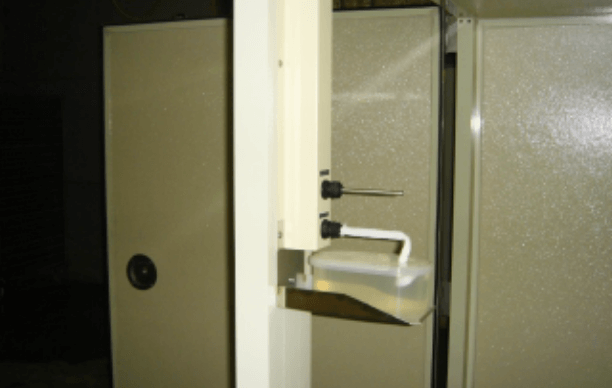 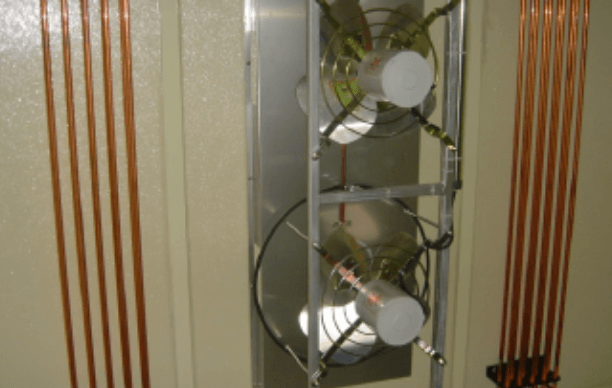 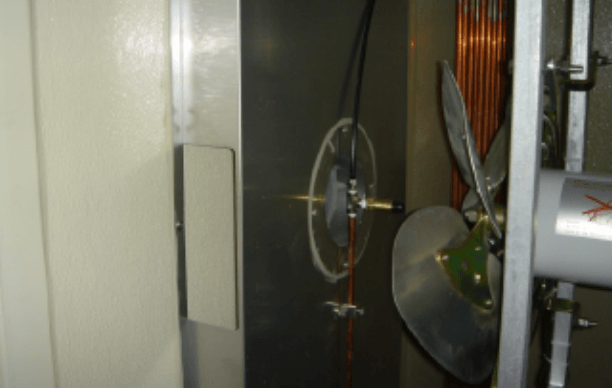 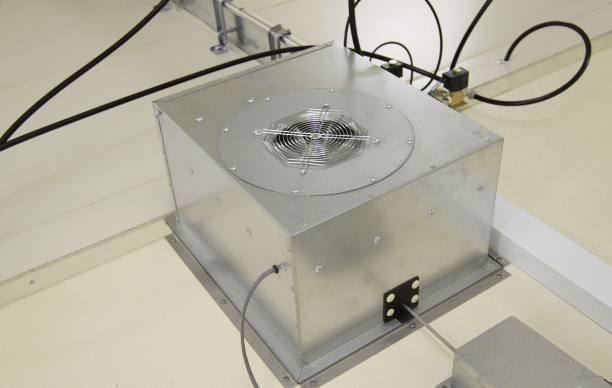  |
- Home
-
Products
- Pig Farming Equipment
- Cattle Farming Equipment
- Sheep & Goat Farming Equipment
- Poultry Farming Equipment
- Feeding & Drinking Systems
- Veterinary & Breeding Equipment
- Testing & Diagnostic Equipment
- Cleaning & Biosecurity Equipment
- Climate Control Equipment
- Livestock Weighing Equipment
- Manure & Waste Management
- Farm Transport & Handling
-
Solutions
- Pig Farm Solutions
- Dairy Farm Solutions
- Beef Cattle Farm Solutions
- Sheep & Goat Farm Solutions
- Layer Farm Solutions
- Broiler Farm Solutions
- Feeding & Drinking System Solutions
- Climate Control Solutions
- Biosecurity & Disinfection Solutions
- Manure & Waste Management
- Smart Farming Solutions
- Farm Renovation and Upgrade Solutions
- Partners
- Projects
- Resources
- News
- About Us
- Contact





Comments & Inquiries
Leave your questions or requirements below. We will reply as soon as possible.