

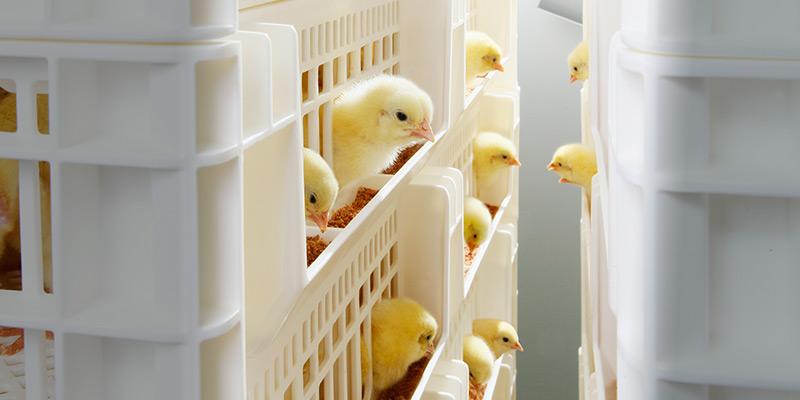
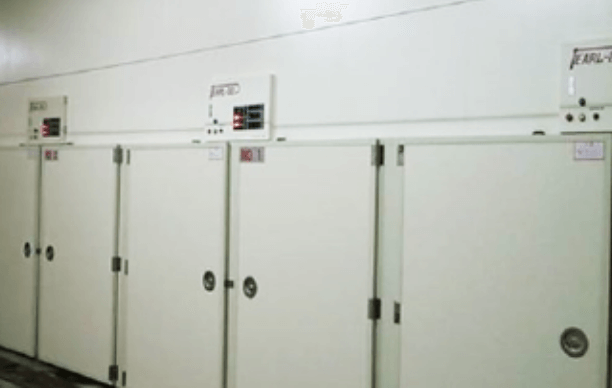
| Product Name | Fully Automatic Modular Poultry Hatcher | ||||||||||||||||||||||||||||||||
| Product Image | 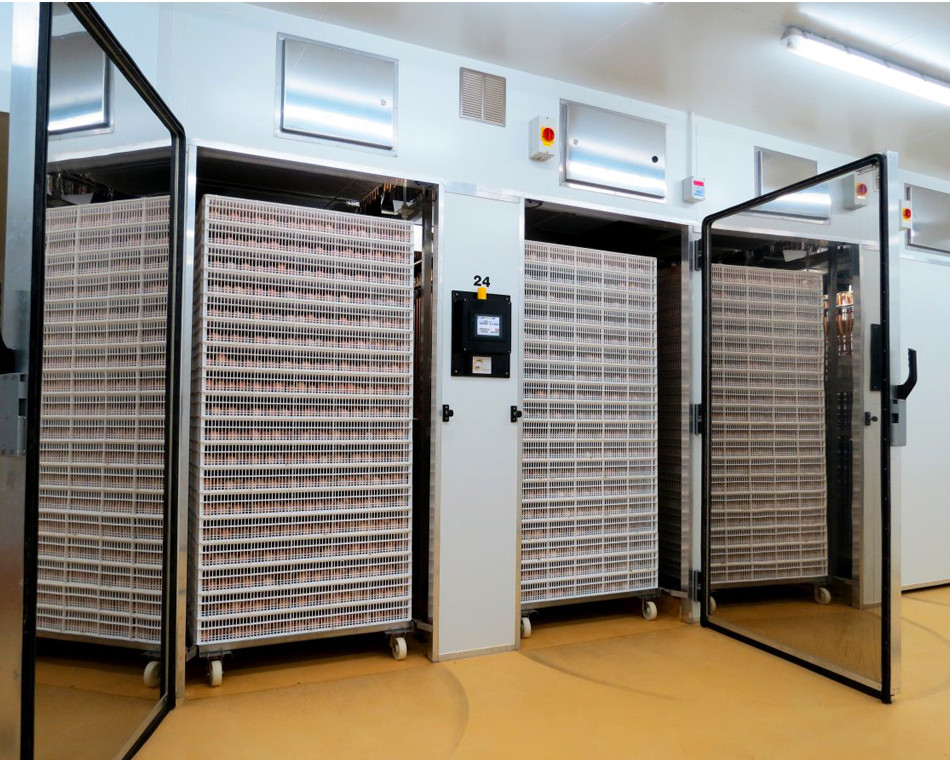 |
||||||||||||||||||||||||||||||||
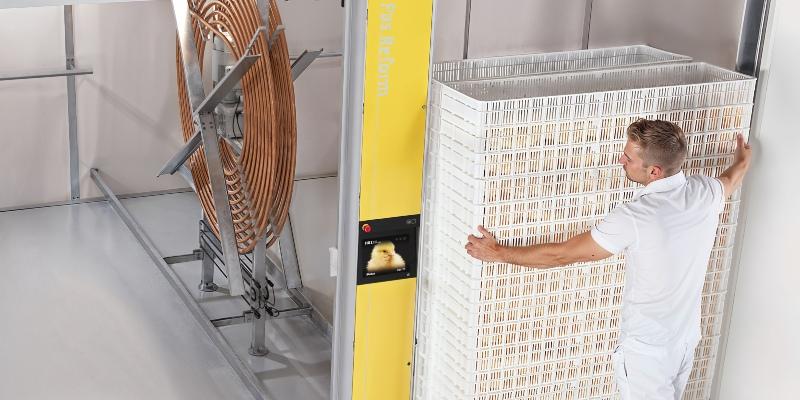
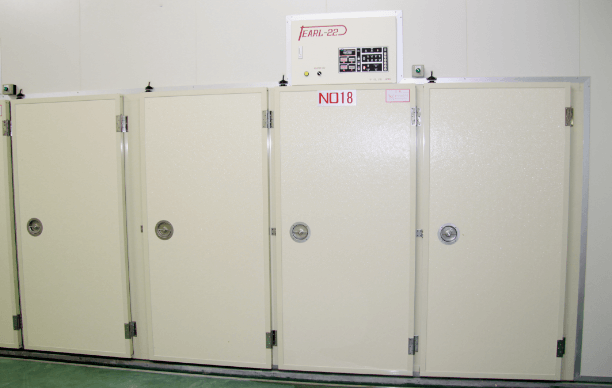
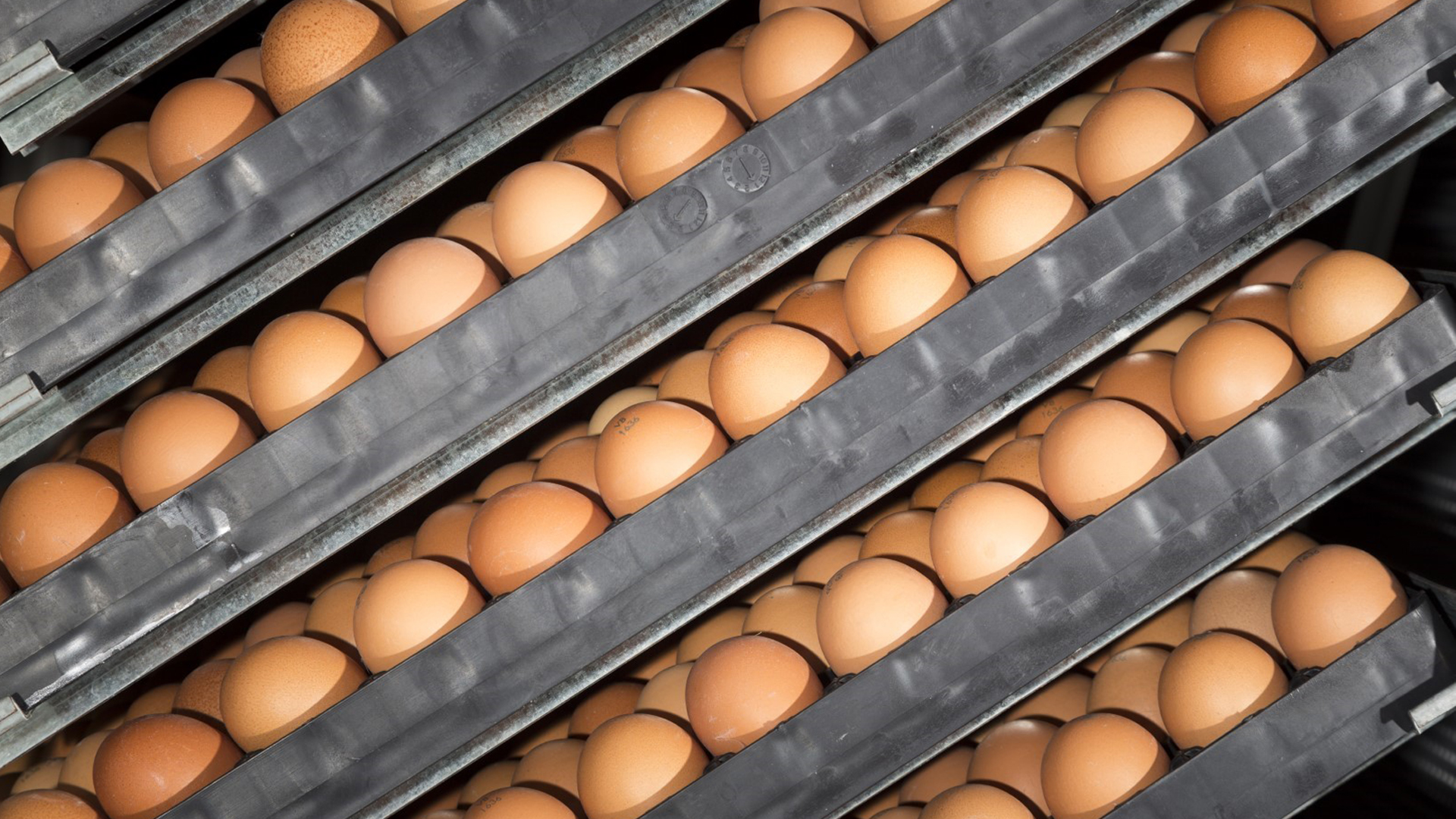
| Product Overview | The Fully Automatic Modular Poultry Hatcher is designed for the final stage of commercial poultry incubation, providing accurately controlled environmental conditions from egg transfer through chick emergence. The modular architecture allows individual hatching sections to operate under controlled temperature, cooling, humidity and ventilation conditions. This arrangement supports flexible hatchery scheduling and helps avoid unnecessary mixing of batches with different transfer or hatch times. Automatic climate regulation, trolley-based basket handling and hygienic cabinet construction make the system suitable for large commercial broiler, layer and breeder hatcheries requiring consistent chick quality, efficient sanitation and scalable production capacity. |
||||||||||||||||||||||||||||||||
| Key Features |
|
||||||||||||||||||||||||||||||||
| Structural Components |
|
||||||||||||||||||||||||||||||||
| Working Principle | After completing the setter period, fertile eggs are transferred into hatcher baskets. The baskets are stacked on dolleys and moved into the hatching chamber. Once the automatic hatching program begins, the controller continuously coordinates heating, cooling, humidity, airflow and ventilation. As embryo metabolic heat increases, the cooling system removes excess heat while controlled airflow distributes conditioned air throughout the chamber. Humidity and ventilation are adjusted during pipping and chick emergence to support a stable hatch environment. Advanced configurations can monitor changes in humidity and carbon dioxide to identify hatch-window development and automatically refine ventilation conditions. After the hatch cycle is completed, the dolleys are removed for chick processing and the empty cabinet can be thoroughly washed and disinfected before the next batch. |
||||||||||||||||||||||||||||||||
| Technical Specifications |
|
||||||||||||||||||||||||||||||||
| Hygiene & Biosecurity | Hatchers operate in a high-biosecurity area of the poultry production chain. The cabinet can therefore be designed with smooth internal surfaces, corrosion-resistant structural materials and protected control components to support intensive washing and disinfection. Integrated cooling arrangements can reduce exposed internal pipework and simplify access to cabinet surfaces. Removable hatcher dolleys and baskets allow individual components to be transferred to dedicated washing and sanitation areas. Modular batch management also helps separate different hatching groups, supporting controlled hatchery workflow and reducing unnecessary contact between batches. |
||||||||||||||||||||||||||||||||
| Applications |
|
||||||||||||||||||||||||||||||||
| Customization Options | The Fully Automatic Modular Poultry Hatcher can be configured according to poultry species, weekly egg transfer volume, hatcher basket dimensions, hatchery capacity and available building space. Customization options may include module quantity, hatching capacity, basket and dolley configuration, cooling capacity, humidification method, ventilation arrangement, sensor package, touchscreen controller and hatchery management interface. Electrical supply, water connections, ventilation interface and equipment layout can be designed according to local climate and farm conditions and the requirements of the complete hatchery project. |
||||||||||||||||||||||||||||||||
| Installation & Maintenance | Before installation, confirm hatcher room dimensions, weekly transfer capacity, dolley transport routes, cooling-water requirements, fresh-air supply, exhaust arrangement, drainage and electrical infrastructure. The machine should be installed on a stable and level floor with sufficient access for basket and dolley movement. Modular installations should provide adequate service access and allow safe connection of utilities between individual hatching sections. Routine maintenance includes checking temperature and humidity sensors, air circulation fans, cooling circuits, humidification components, ventilation dampers, door seals and control equipment. After every hatch cycle, baskets, dolleys and cabinet surfaces should be thoroughly cleaned and disinfected according to the hatchery biosecurity program. |
||||||||||||||||||||||||||||||||
| Project Cases | In large commercial hatcheries, modular hatchers can be installed in groups according to the weekly setter-transfer schedule. Additional modules can be incorporated as hatchery capacity expands, helping poultry companies scale production while maintaining standardized equipment and operating procedures. The hatcher can also be integrated with automatic egg transfer, dolley transport, chick separation, chick vaccination, counting, washing and waste handling equipment to create a coordinated commercial hatchery workflow. For new steel structure hatchery projects, machine position, service corridors, ventilation, drainage and sanitation zones can be coordinated during the building and equipment engineering stage. |
||||||||||||||||||||||||||||||||
| Product FAQ | Q: What does modular hatcher design mean? A: Modular design allows hatching sections to be configured and expanded according to production capacity while supporting independent or sectional climate management. Q: What functions are automatically controlled? A: Depending on configuration, temperature, heating, cooling, humidity and ventilation can be managed automatically throughout the hatch cycle. Q: Why is cooling important during hatching? A: Late-stage embryos generate substantial metabolic heat, so controlled cooling is required to maintain suitable conditions around the eggs and newly hatched chicks. Q: Can the machine monitor the hatch window automatically? A: Advanced sensor packages with humidity and CO2 monitoring can be supplied to support automatic hatch-window management. Q: Can several hatchers be centrally managed? A: Multi-machine control and hatchery information management functions are available according to project requirements. Q: Can hatching capacity be customized? A: Yes. Module quantity, basket configuration and overall hatchery capacity can be selected according to the required weekly production volume. Q: What information is required for quotation? A: Recommended information includes poultry species, weekly egg transfer volume, required chick output, existing setter configuration, basket type, available building dimensions, electrical supply and cooling-water conditions. |
||||||||||||||||||||||||||||||||
| Product Gallery | 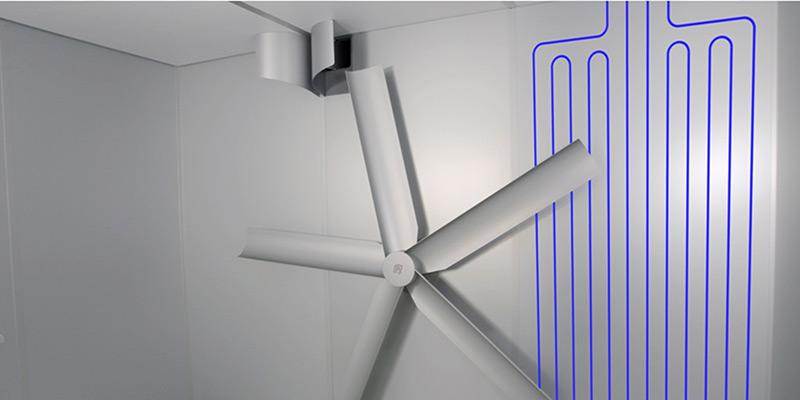  |
- Home
-
Products
- Pig Farming Equipment
- Cattle Farming Equipment
- Sheep & Goat Farming Equipment
- Poultry Farming Equipment
- Feeding & Drinking Systems
- Veterinary & Breeding Equipment
- Testing & Diagnostic Equipment
- Cleaning & Biosecurity Equipment
- Climate Control Equipment
- Livestock Weighing Equipment
- Manure & Waste Management
- Farm Transport & Handling
-
Solutions
- Pig Farm Solutions
- Dairy Farm Solutions
- Beef Cattle Farm Solutions
- Sheep & Goat Farm Solutions
- Layer Farm Solutions
- Broiler Farm Solutions
- Feeding & Drinking System Solutions
- Climate Control Solutions
- Biosecurity & Disinfection Solutions
- Manure & Waste Management
- Smart Farming Solutions
- Farm Renovation and Upgrade Solutions
- Partners
- Projects
- Resources
- News
- About Us
- Contact




Comments & Inquiries
Leave your questions or requirements below. We will reply as soon as possible.