

| Product Name | Manual Feed Line Drop Outlet | ||||||||||||||||||||||||
| Product Image |  |
||||||||||||||||||||||||
| Product Overview |
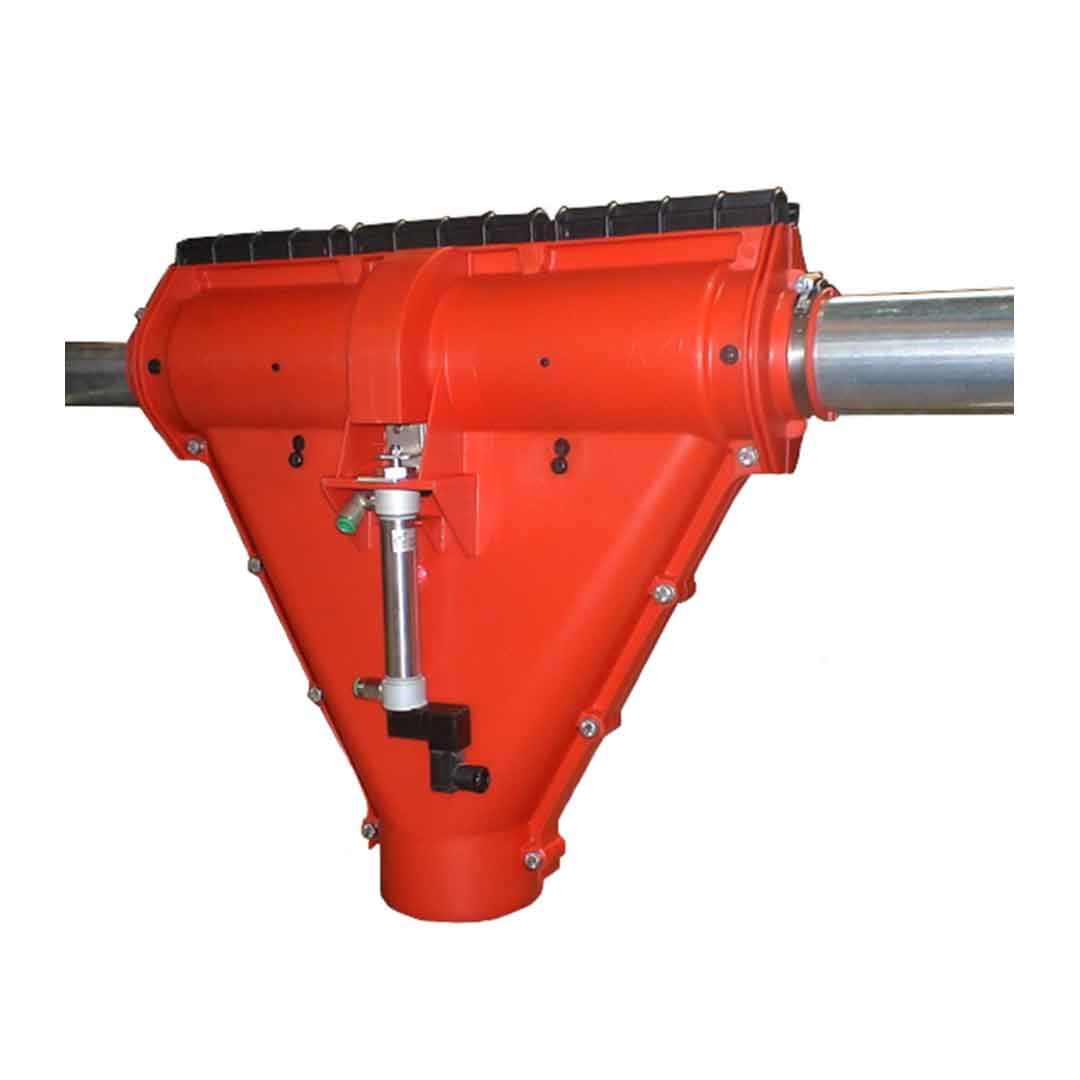
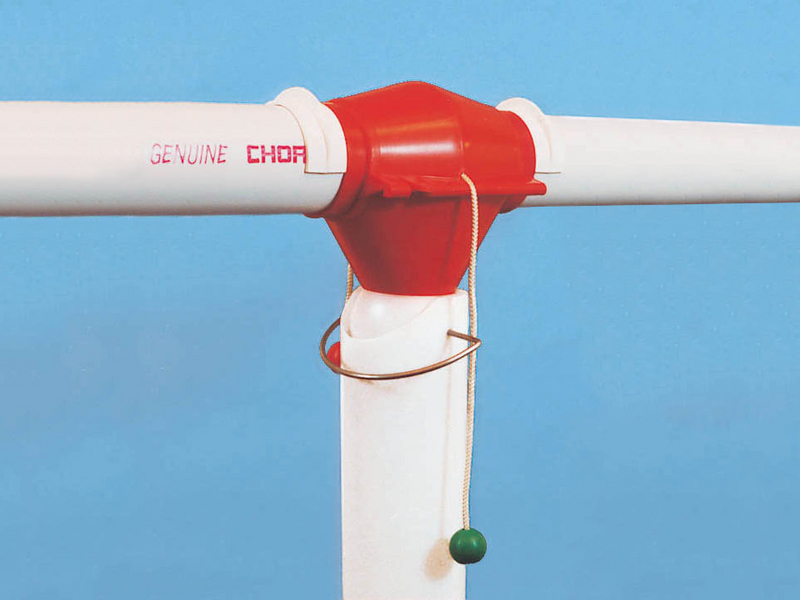
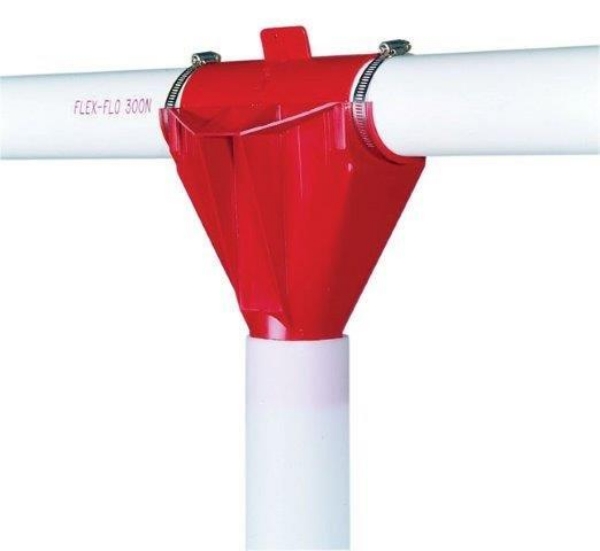
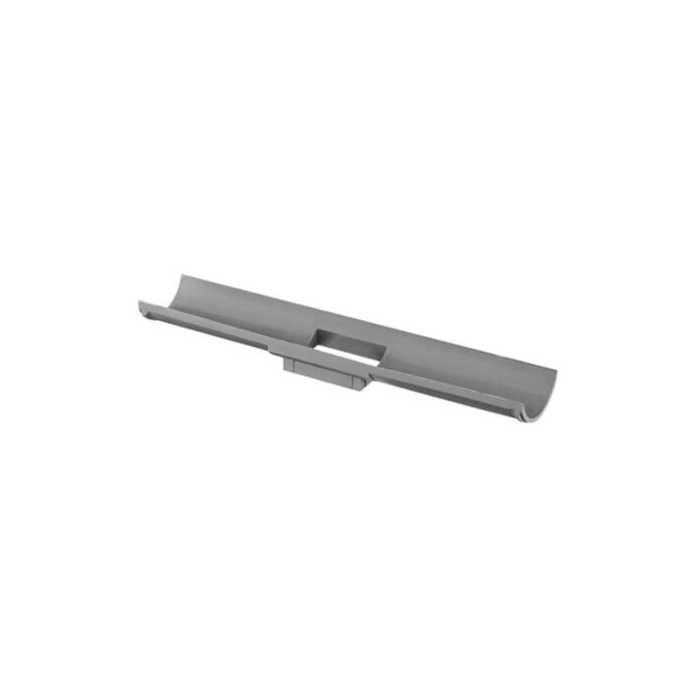
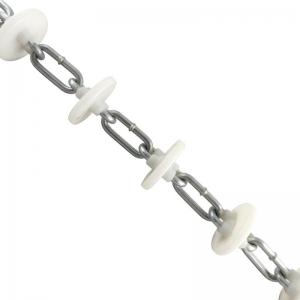
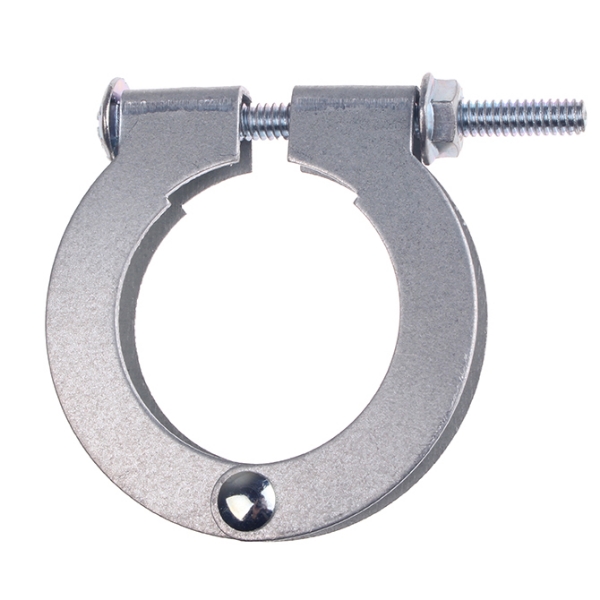
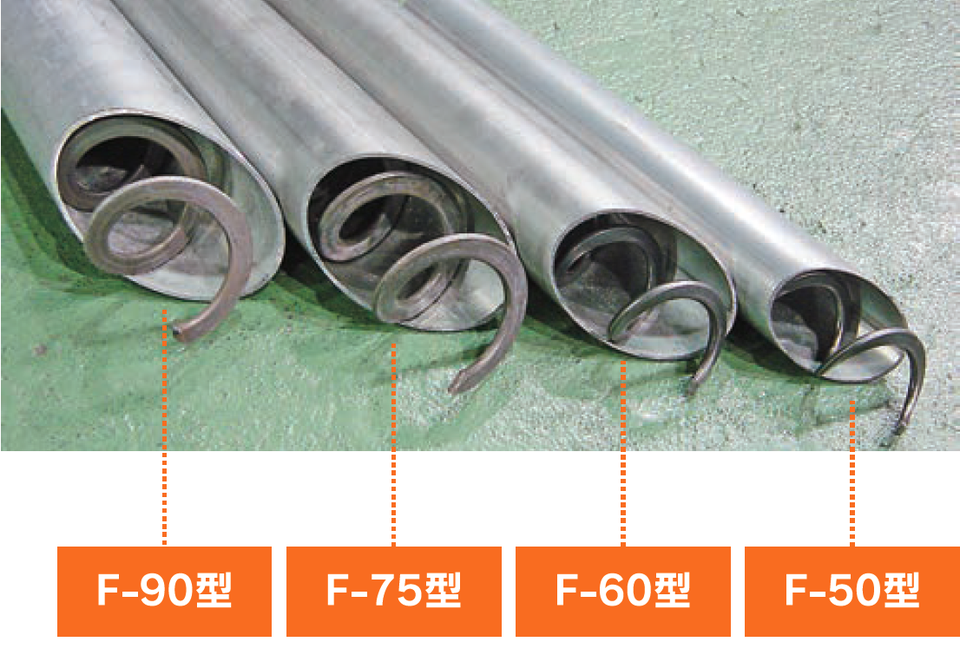
The Manual Feed Line Drop Outlet is a mechanical discharge component designed for automatic livestock feed conveying systems. It is installed directly on the main conveying tube and allows dry feed to be discharged into a vertical drop tube, intermediate hopper, feeder or other downstream feeding equipment. The outlet uses a manually operated sliding or rotating shut-off mechanism to open or close the feed passage. This simple operating principle provides reliable feed-flow control without requiring pneumatic cylinders, electric actuators or complex control wiring. Suitable configurations are available for flexible auger, chain, cable and other enclosed livestock feed transport systems. Reference industry designs use high-quality engineering plastic and stainless steel components, with large outlet openings intended to support complete feed discharge and smooth operation. The product is suitable for pig farm construction, poultry houses, livestock equipment upgrades and steel structure farm buildings where durable, economical and easy-to-maintain feed distribution points are required. |
||||||||||||||||||||||||
| Key Features |
|
||||||||||||||||||||||||
| Structural Components |
|
||||||||||||||||||||||||
| Working Principle |
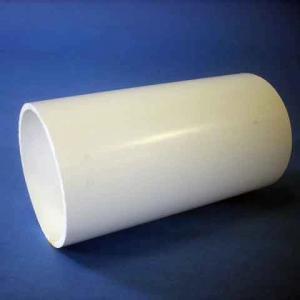
The outlet is installed at a selected discharge position on the main feed conveying pipe. An opening in the pipe allows conveyed feed to enter the drop outlet when the closure is in the open position. The operator manually moves the sliding or rotating closure using a handle, rope or cable. When opened, gravity directs feed through the outlet and into the connected drop tube, hopper or feeder below. When the closure is moved back to the closed position, feed continues through the main conveying line to downstream outlets. This allows individual feeding points or livestock areas to be isolated without stopping the complete feed transport system. The large outlet opening used in suitable livestock feed-line designs helps reduce residual material and supports complete discharge of dry feed from the conveying tube. |
||||||||||||||||||||||||
| Technical Specifications |
|
||||||||||||||||||||||||
| Applications |
|
||||||||||||||||||||||||
| Customization Options |
|
||||||||||||||||||||||||
| Installation & Maintenance |
Outlet Position: Determine the discharge point according to feeder position, livestock pen layout and the required vertical drop route before cutting or preparing the conveying pipe. Pipe Opening: The feed opening should be correctly sized and positioned to match the outlet body. Rough edges should be removed to avoid feed accumulation and damage to internal conveying components. Outlet Mounting: Position the outlet securely around the pipe and tighten the specified clamps or fastening components evenly. Drop Tube Connection: Connect the appropriate rigid or flexible drop tube and ensure that it is properly supported and aligned with the feeder or hopper below. Manual Operation: Verify that the closure moves freely between fully open and fully closed positions. Rope-operated versions should be routed so that operators can safely access the control point. Routine Maintenance: Periodically inspect the closure, clamps, outlet opening and drop tube. Remove accumulated feed or dust and replace worn fastening or sliding components when required. |
||||||||||||||||||||||||
| Project Applications |
In a commercial pig house, multiple manual drop outlets can be installed along a central dry-feed conveying line to supply individual feeders, intermediate hoppers or pen groups. Outlets for unused production areas can remain closed while feed continues to downstream locations. For poultry projects, the outlet can be used between a bulk feed transport line and one or more automatic feeding circuits. Simple manual shut-off provides a practical solution for maintenance, flock changes or temporary line isolation. Outlet quantity, spacing, tube diameter and drop configuration should be selected according to livestock house layout, feeding equipment capacity and the design of the complete feed conveying system. |
||||||||||||||||||||||||
| Product FAQ |
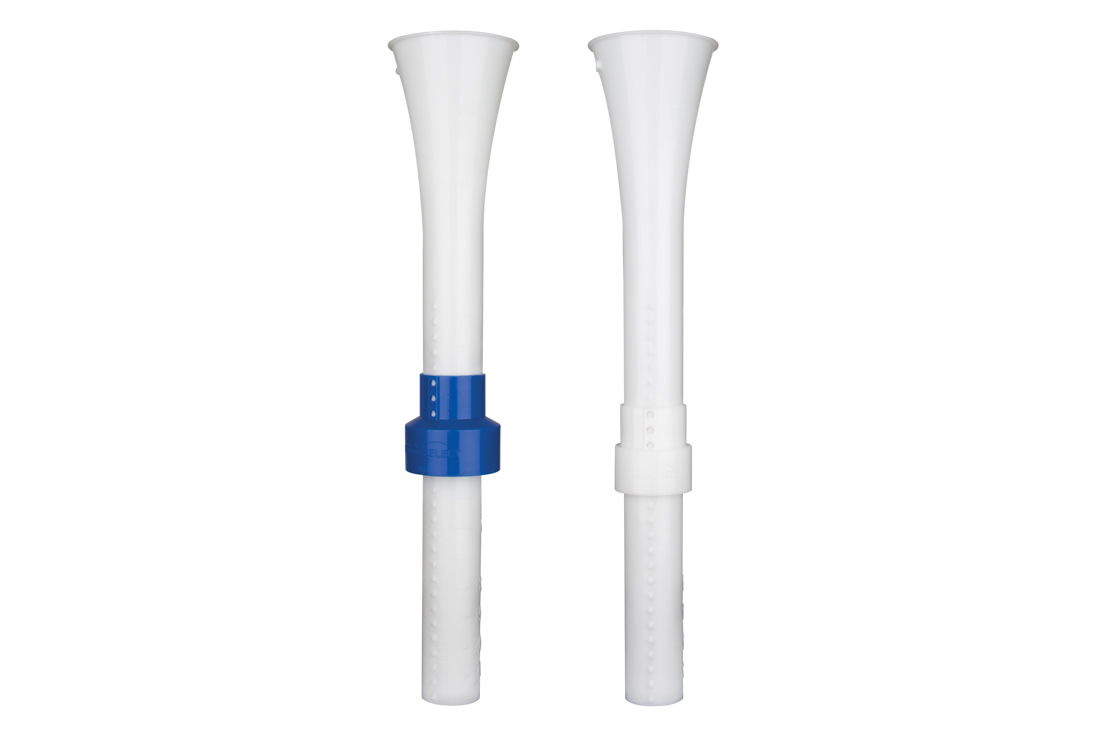
Q: What is a manual feed line drop outlet? A: It is a discharge fitting installed on a livestock feed conveying tube that allows an operator to manually open or close the feed passage to a drop tube, hopper or feeder. Q: Which feed conveying systems can use this outlet? A: Suitable models can be used with flexible auger, chain, cable and other enclosed dry-feed conveying systems. Q: Can the outlet be operated from floor level? A: Yes. Suitable sliding-closure models can be connected to a rope or cable so the operator can open or close the outlet from a convenient location. Q: What pipe sizes are available? A: Industry feed-outlet ranges are available for numerous conveying tube diameters. Reference designs include sizes from approximately 38 mm to 125 mm depending on the outlet series. Q: Can it discharge pellets as well as meal feed? A: Yes. Properly sized outlets can handle common dry livestock feed including meal, crumbles and pellets, subject to the characteristics of the complete conveying system. Q: Is an electric or pneumatic actuator required? A: No. This product is designed for manual operation, making it suitable where simple and economical feed-flow control is preferred. Q: Can different drop-tube diameters be connected? A: Yes. Reducers, funnels or project-specific adapters can be used to match suitable drop-tube sizes. Q: What information is required for a quotation? A: Please provide the conveying pipe diameter, feed type, required outlet quantity, drop-tube diameter, preferred manual operating method and the layout of the feeding system. |
||||||||||||||||||||||||
| Product Gallery |
|
- Home
-
Products
- Pig Farming Equipment
- Cattle Farming Equipment
- Sheep & Goat Farming Equipment
- Poultry Farming Equipment
- Feeding & Drinking Systems
- Veterinary & Breeding Equipment
- Testing & Diagnostic Equipment
- Cleaning & Biosecurity Equipment
- Climate Control Equipment
- Livestock Weighing Equipment
- Manure & Waste Management
- Farm Transport & Handling
-
Solutions
- Pig Farm Solutions
- Dairy Farm Solutions
- Beef Cattle Farm Solutions
- Sheep & Goat Farm Solutions
- Layer Farm Solutions
- Broiler Farm Solutions
- Feeding & Drinking System Solutions
- Climate Control Solutions
- Biosecurity & Disinfection Solutions
- Manure & Waste Management
- Smart Farming Solutions
- Farm Renovation and Upgrade Solutions
- Partners
- Projects
- Resources
- News
- About Us
- Contact


Comments & Inquiries
Leave your questions or requirements below. We will reply as soon as possible.