

| Product Name | Feed Line Drop Outlet | ||||||||||||||||||||||||
| Product Image | 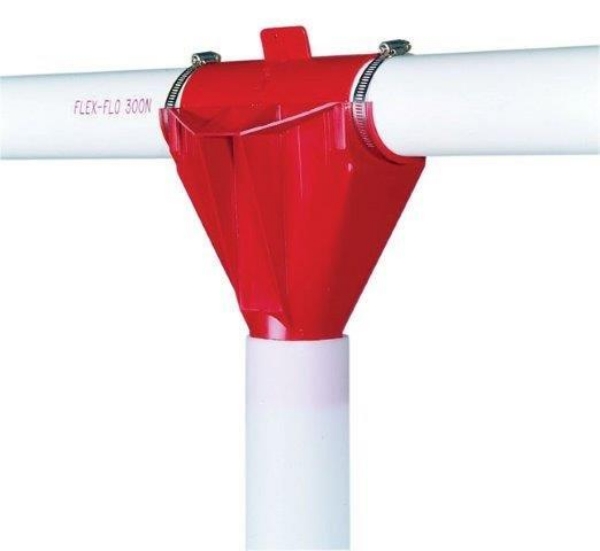 |
||||||||||||||||||||||||
| Product Overview |
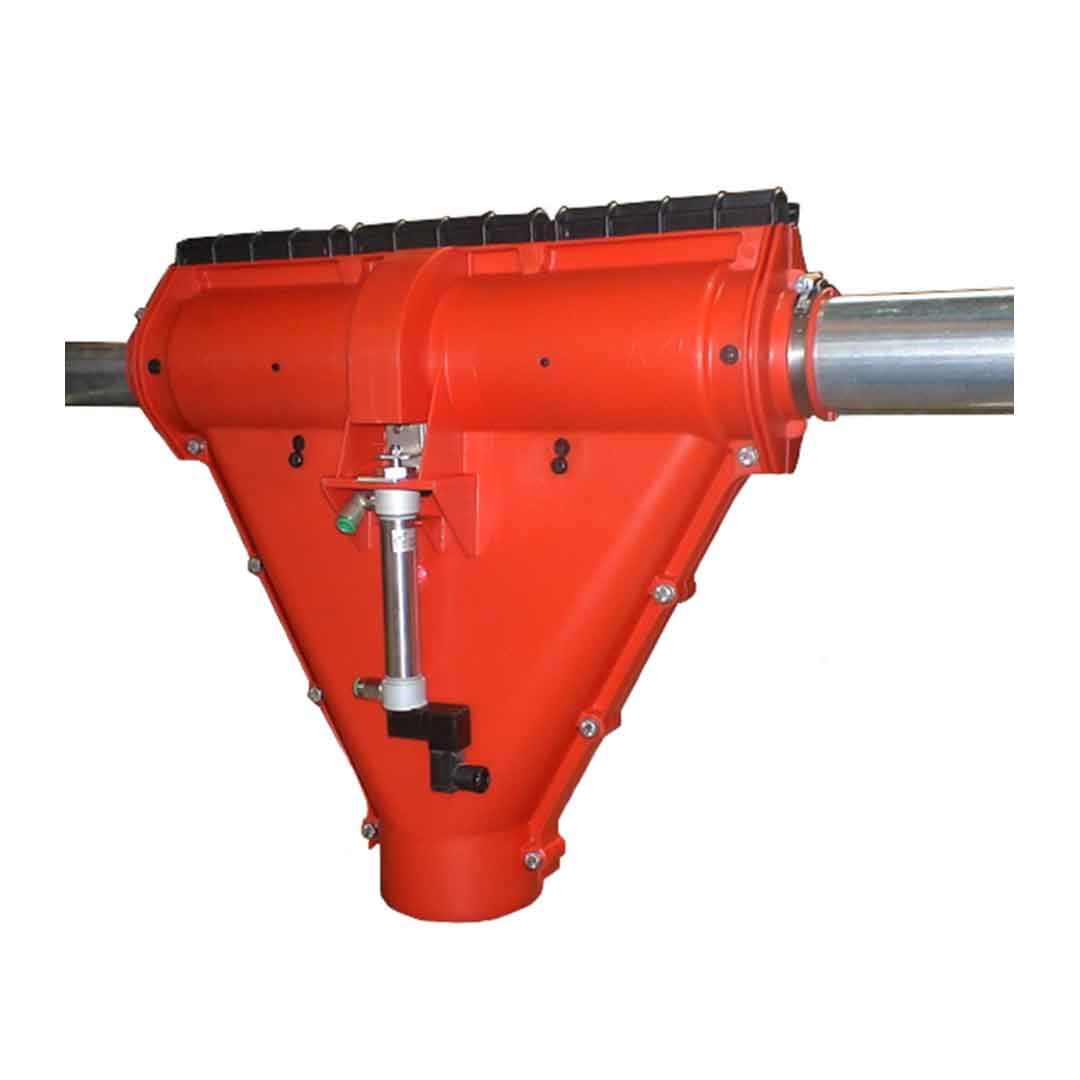
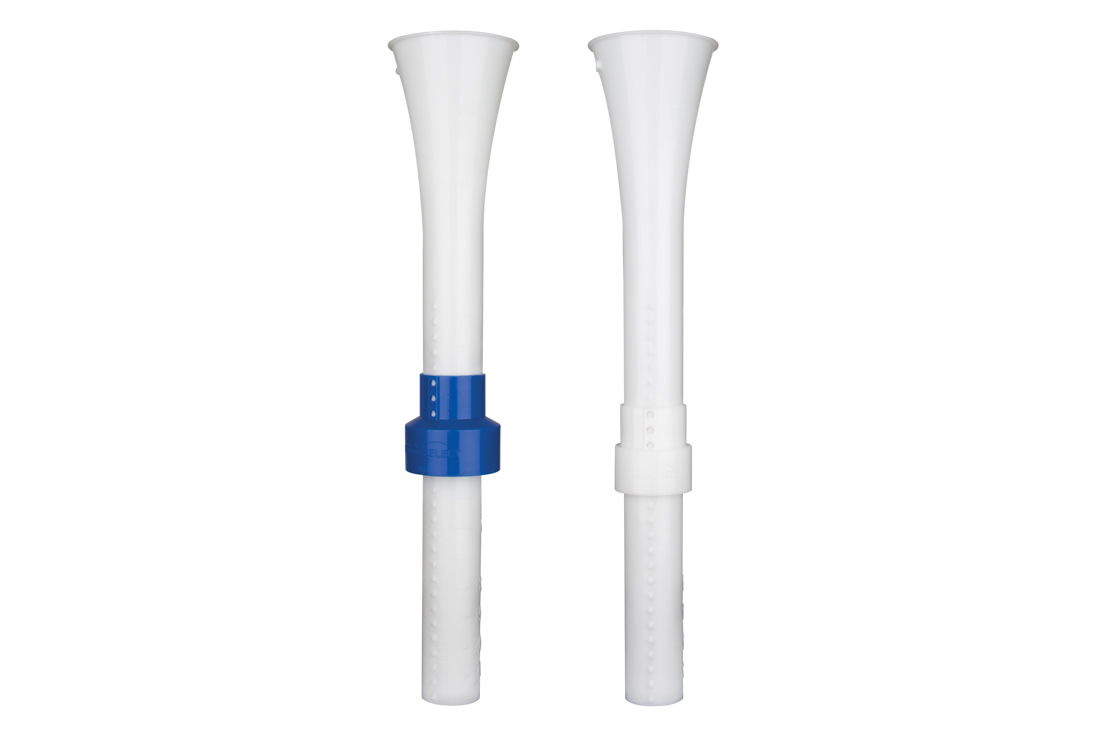
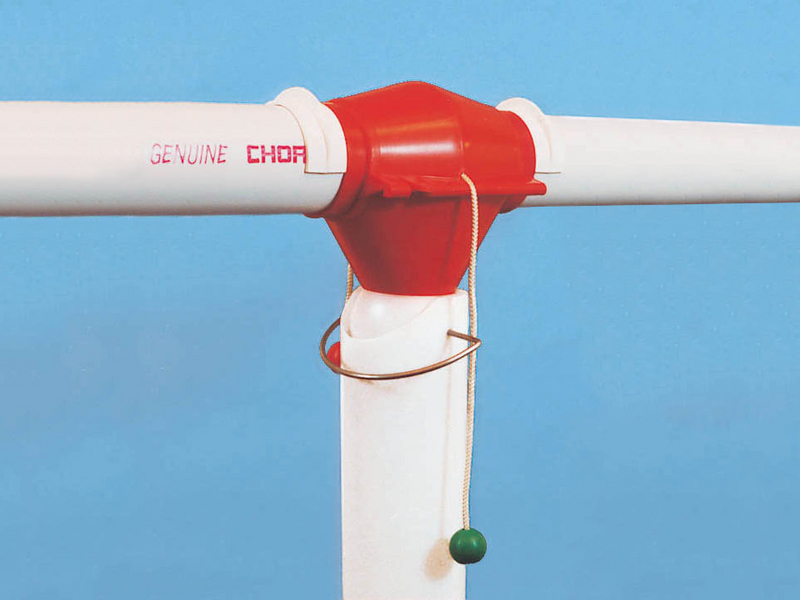
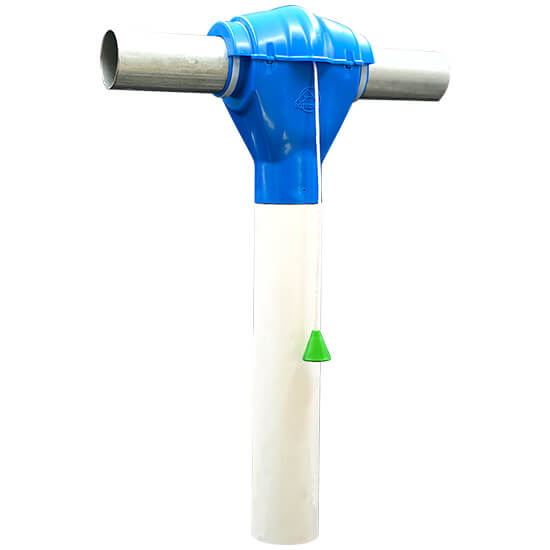
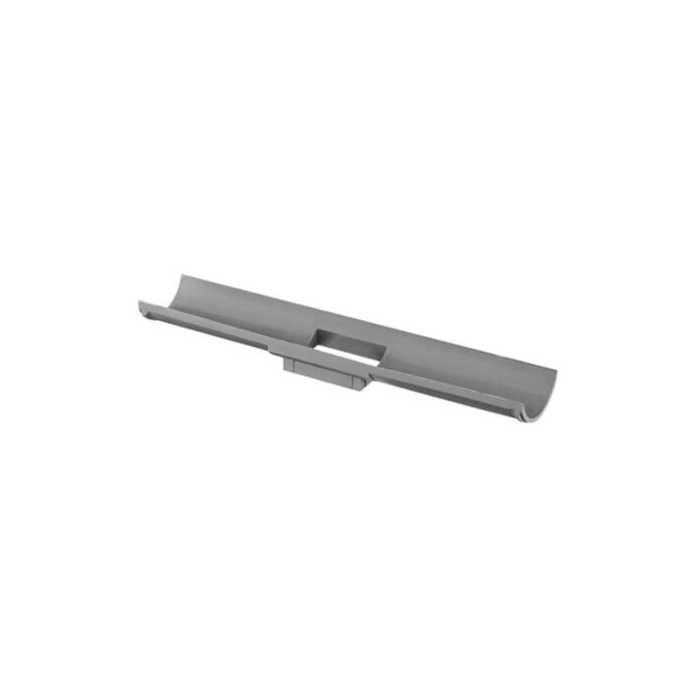
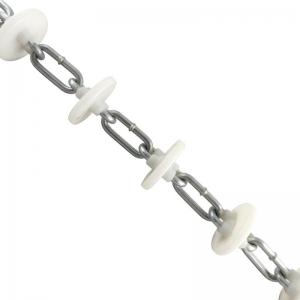
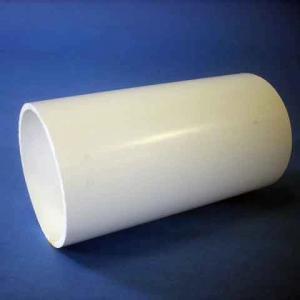
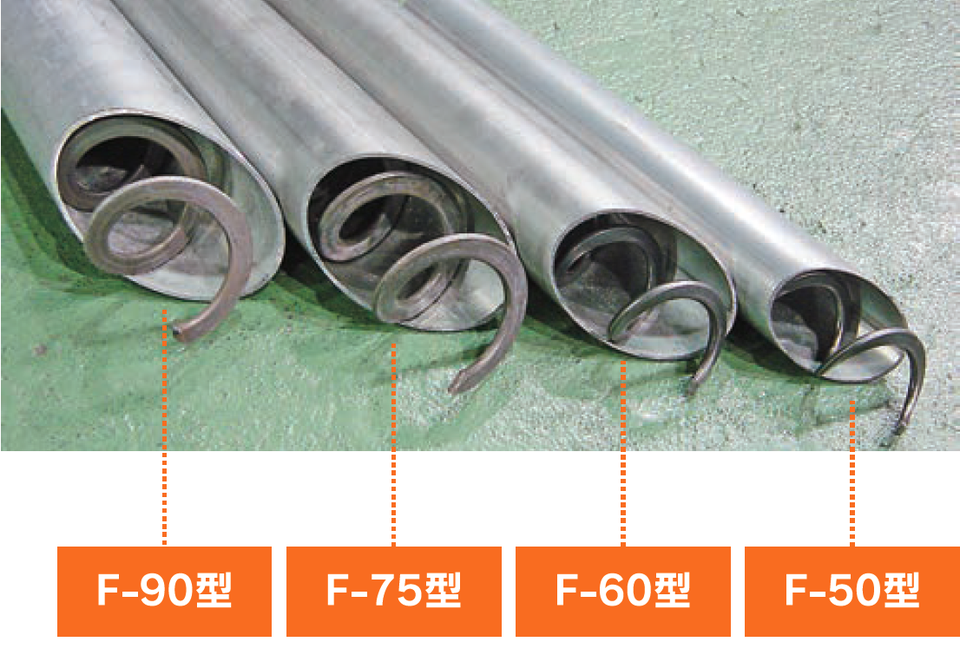
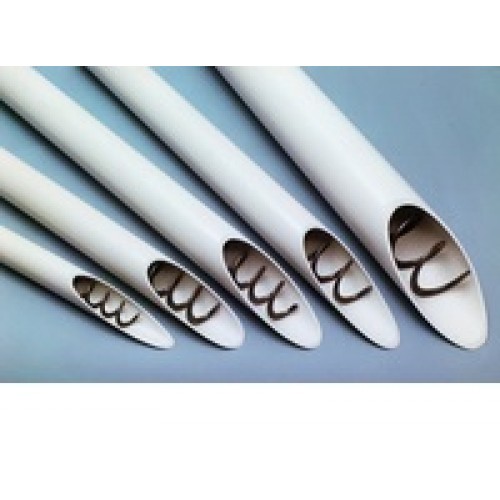
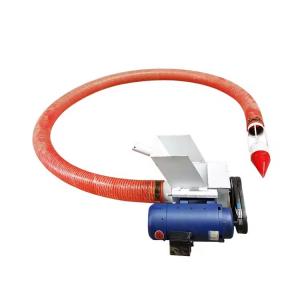
The Feed Line Drop Outlet is a feed distribution component designed to transfer dry livestock feed from a horizontal conveying pipe into a vertical drop tube, intermediate hopper, volumetric dispenser or automatic feeder. Installed directly on the main feed transport line, the outlet provides a controlled discharge point without interrupting the continuity of the conveying system. Depending on the selected configuration, the outlet can use a sliding or rotating closer operated manually, by pull cable or rope, or through pneumatic or electric actuation. The component is suitable for flex-auger, chain, cable and other compatible dry-feed conveying systems used in commercial pig farms, poultry houses and livestock production facilities. Different pipe diameters, drop-tube connections, outlet sizes and actuator options can be supplied according to project requirements, making the product suitable for new livestock equipment installations and existing farm feeding-system upgrades. |
||||||||||||||||||||||||
| Key Features |
|
||||||||||||||||||||||||
| Structural Components |
|
||||||||||||||||||||||||
| Working Principle |
Dry feed travels through the main conveying pipe by auger, chain, cable or another compatible transport mechanism. The drop outlet is positioned at the point where feed must be transferred to a feeder or secondary distribution component. When the outlet closer is opened, the discharge opening in the conveying tube is exposed. Gravity directs feed through the outlet body and into the connected vertical drop tube. When sufficient feed has been delivered, the closer is returned to the closed position. Feed can then continue through the main conveying line toward downstream outlets. In automatic installations, pneumatic or electric actuators can be controlled by timers, feed level sensors or a central farm controller to open selected discharge points according to the feeding program. |
||||||||||||||||||||||||
| Technical Specifications |
|
||||||||||||||||||||||||
| Applications |
|
||||||||||||||||||||||||
| Customization Options |
|
||||||||||||||||||||||||
| Installation & Maintenance |
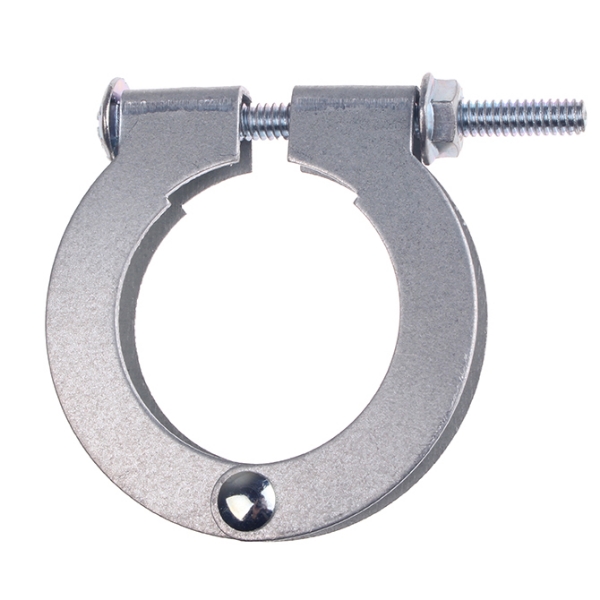
Outlet Position: Determine the required feed discharge points according to feeder, dispenser or hopper locations before cutting or preparing the conveying tube. Pipe Connection: Install the outlet body securely around the conveying tube using the specified clamp, snap-fit or mounting method. The outlet opening should align correctly with the prepared feed discharge opening. Drop Tube Installation: Connect the vertical tube securely and route it toward the receiving hopper or feeder without excessive bends that could restrict gravity feed flow. Manual Control: Pull cords or cables should be positioned so operators can safely open and close overhead outlets from an accessible location. Automatic Control: Pneumatic and electric versions should be connected and tested according to the selected controller logic and actuator requirements. Routine Maintenance: Inspect the closer, guides, actuator, cable or rope, mounting hardware and drop tube periodically. Remove accumulated feed or foreign material that could prevent complete opening or closing. |
||||||||||||||||||||||||
| Project Applications |
In a commercial pig farm, multiple drop outlets can be positioned along an overhead feed conveying line to distribute feed to volumetric dispensers, intermediate hoppers or individual feeding circuits. For automated multiphase feeding projects, selected outlets can be equipped with pneumatic or electric actuators so that the control system opens only the discharge points assigned to the required feed formulation or animal group. Outlet quantity, pipe diameter, actuation method and drop-tube layout should be determined from the livestock house plan, feed conveying system and feeding management strategy. |
||||||||||||||||||||||||
| Product FAQ |
Q: What is a feed line drop outlet? A: It is a discharge component installed on a horizontal feed conveying tube to direct feed downward into a drop pipe, hopper, dispenser or feeder. Q: Which conveying systems can use these outlets? A: Suitable outlet models can be used with flex-auger, chain, cable and other compatible dry-feed transport systems. Q: Are different pipe sizes available? A: Yes. Feed outlets are manufactured for multiple conveying tube diameters. The reference product families include configurations covering common livestock feed tubes from approximately 38 mm to 125 mm. Q: Can the outlet be opened from floor level? A: Yes. Suitable manual models can use a rope or cable so an overhead outlet can be operated remotely without direct access to the feed pipe. Q: Can the outlet operate automatically? A: Yes. Pneumatic and electric actuator options are available for compatible models and can be integrated with automatic feeding controls. Q: Can it be used for multiphase pig feeding? A: Yes. Pneumatically operated outlets are suitable for computerized multiphase feed distribution when combined with the appropriate conveying and control system. Q: How should the correct outlet be selected? A: Selection should consider conveying tube diameter, feed type, required discharge capacity, drop tube size, operating method and the required degree of automation. Q: What information is required for a quotation? A: Please provide conveying system type, pipe diameter, outlet quantity, drop tube size, feed type, manual or automatic operation requirement and any pneumatic or electrical control specifications. |
||||||||||||||||||||||||
| Product Gallery |
|
- Home
-
Products
- Pig Farming Equipment
- Cattle Farming Equipment
- Sheep & Goat Farming Equipment
- Poultry Farming Equipment
- Feeding & Drinking Systems
- Veterinary & Breeding Equipment
- Testing & Diagnostic Equipment
- Cleaning & Biosecurity Equipment
- Climate Control Equipment
- Livestock Weighing Equipment
- Manure & Waste Management
- Farm Transport & Handling
-
Solutions
- Pig Farm Solutions
- Dairy Farm Solutions
- Beef Cattle Farm Solutions
- Sheep & Goat Farm Solutions
- Layer Farm Solutions
- Broiler Farm Solutions
- Feeding & Drinking System Solutions
- Climate Control Solutions
- Biosecurity & Disinfection Solutions
- Manure & Waste Management
- Smart Farming Solutions
- Farm Renovation and Upgrade Solutions
- Partners
- Projects
- Resources
- News
- About Us
- Contact

Comments & Inquiries
Leave your questions or requirements below. We will reply as soon as possible.