

| Product Name | Electric Feed Line Drop Outlet | ||||||||||||||||||||||||||||||
| Product Image |  |
||||||||||||||||||||||||||||||
| Product Overview |
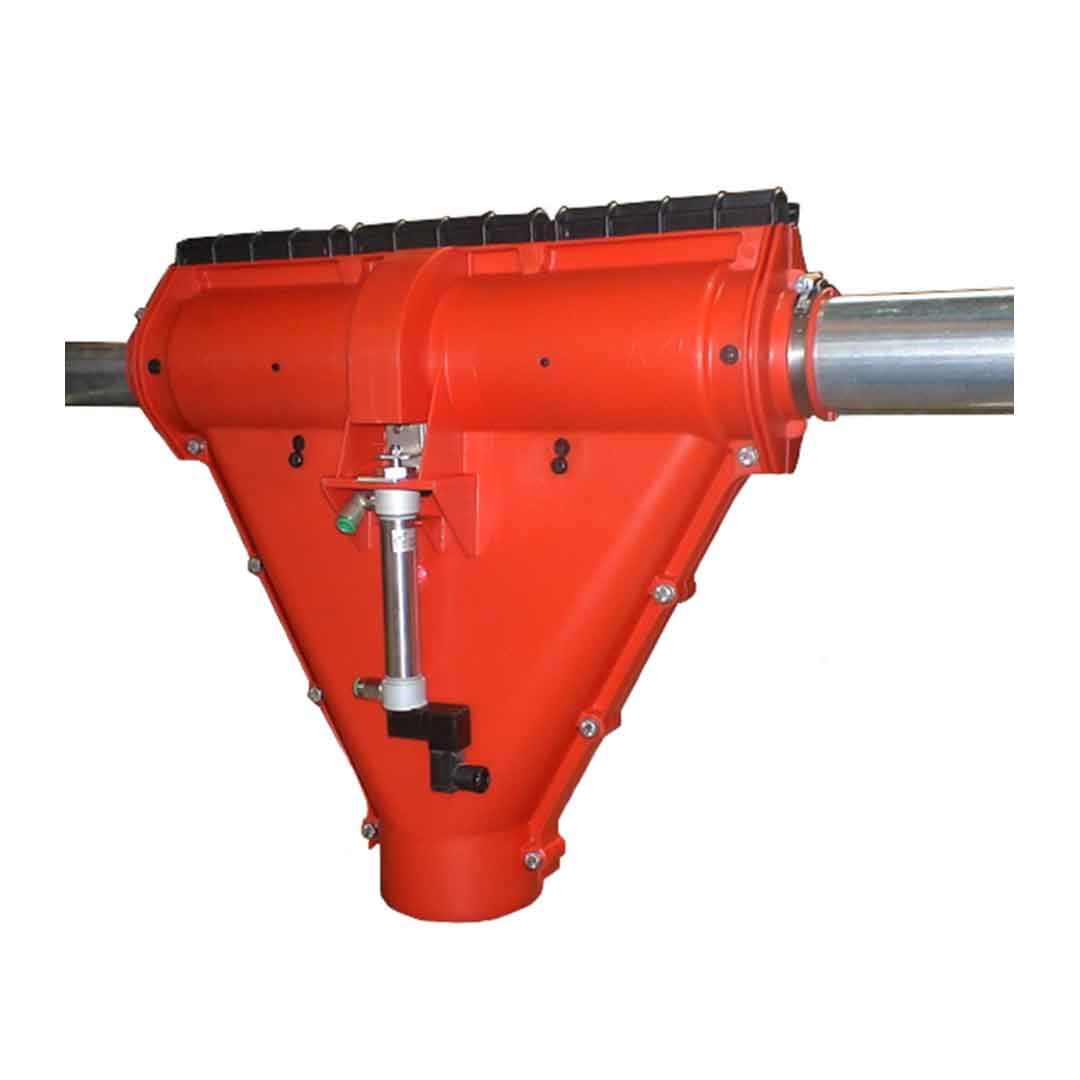
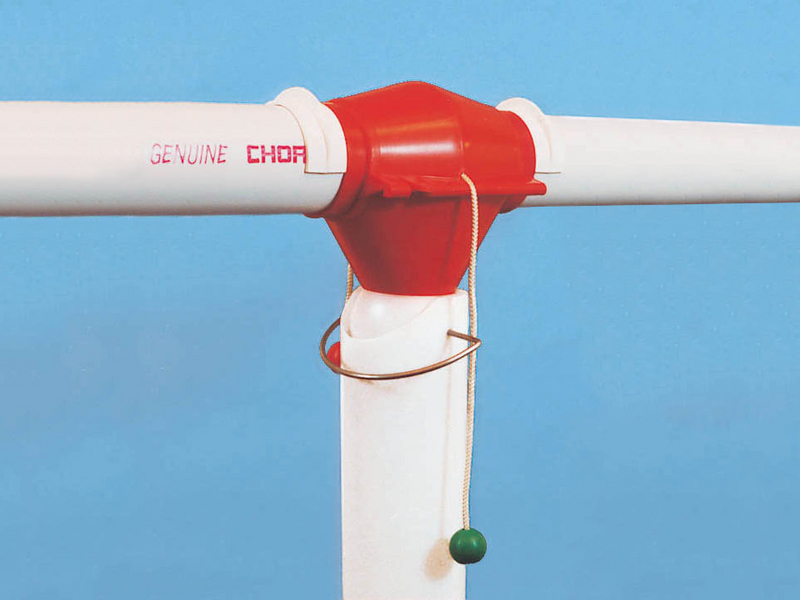
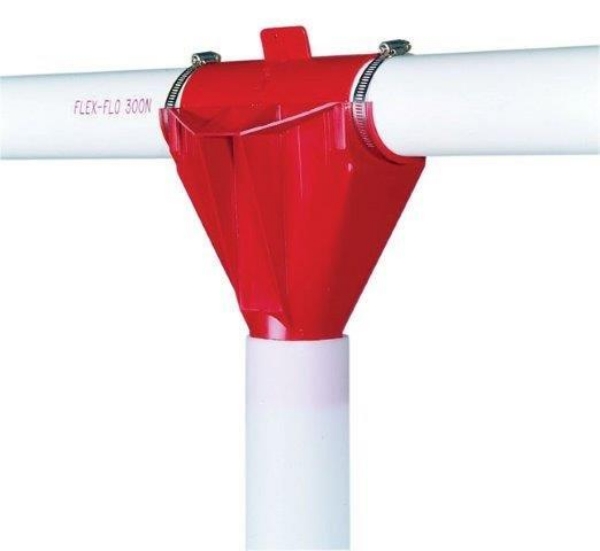
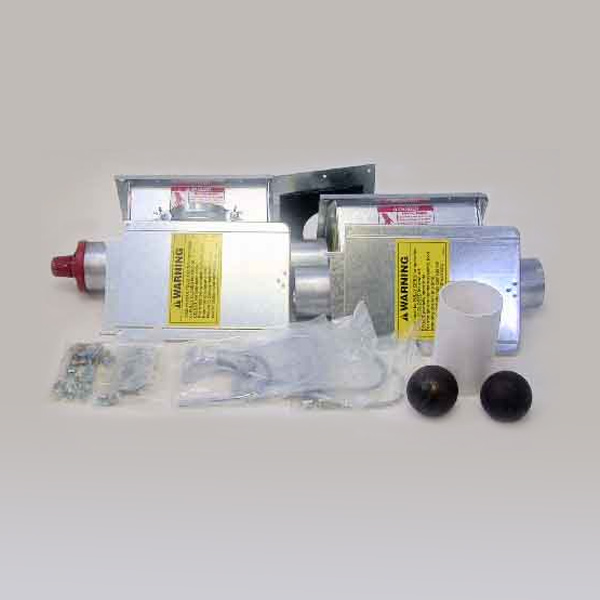
The Electric Feed Line Drop Outlet is an automatically operated discharge component designed for livestock feed conveying systems. Installed directly on the main conveying pipe, it controls when and where dry feed is discharged into a drop tube, hopper, feeder, weighing unit or secondary distribution line. An electric actuator opens and closes the internal sliding gate according to commands from the feeding controller. This enables individual feed outlets to be operated without manual ropes or mechanical linkages and supports automated feed distribution between different barns, pens, feeding zones or animal groups. The outlet is suitable for chain conveying systems, cable-and-disc feed systems and compatible flex-auger installations. Large discharge openings help promote complete feed release and reduce material retention inside the outlet body. The unit is suitable for commercial pig farms, poultry houses and integrated livestock projects requiring centralized feed management. Pipe diameter, actuator type, electrical specification, outlet size and control interface can be configured according to project requirements. |
||||||||||||||||||||||||||||||
| Key Features |
|
||||||||||||||||||||||||||||||
| Structural Components |
|
||||||||||||||||||||||||||||||
| Working Principle |
During normal feed conveying, dry feed travels through the main transport pipe using a chain-disc, cable-disc, spiral auger or other compatible conveying mechanism. When a specific feeding zone requires feed, the livestock feeding controller sends an electrical command to the actuator installed on the selected drop outlet. The actuator moves the sliding gate into the open position, exposing the discharge opening in the conveying pipe. Feed then falls through the outlet and into the connected drop tube, receiving hopper or feeding equipment. Position switches can confirm that the gate has reached the required operating position before or during the feeding sequence. After the programmed quantity or feeding period is completed, the actuator closes the gate. The main conveying line can then continue transporting feed to another selected outlet or feeding zone. |
||||||||||||||||||||||||||||||
| Technical Specifications |
|
||||||||||||||||||||||||||||||
| Applications |
|
||||||||||||||||||||||||||||||
| Customization Options |
|
||||||||||||||||||||||||||||||
| Installation & Maintenance |
Outlet Position: Determine the required feed discharge point from livestock house layout, feeding zones and downstream feeding equipment before installation. Pipe Installation: Install the outlet securely on the correctly sized conveying pipe. The outlet should remain aligned with the feed line and supported to prevent excessive mechanical loading. Drop Tube Connection: Connect the lower outlet to a rigid or flexible drop tube leading to the receiving hopper, feeder or secondary conveying equipment. Electrical Installation: Actuator wiring and position-feedback circuits should be connected according to the selected controller and local electrical requirements. Commissioning: Test complete opening, complete closing, position-switch signals and controller sequencing before introducing feed into the system. Routine Inspection: Periodically inspect the electric actuator, gate, stainless steel sliding surfaces, fasteners, cables and position switches. Cleaning: Remove excessive feed dust or compacted material around the sliding gate to maintain unrestricted movement and reliable discharge. |
||||||||||||||||||||||||||||||
| Project Applications |
In a multi-house livestock feeding project, several electric drop outlets can be installed along one main feed conveying circuit. The controller opens only the outlet serving the selected barn or feeding zone, allowing one feed transport system to distribute material to multiple destinations. For farms using different feed programs, motorized outlets can be coordinated with silo selection, feed weighing, batching and conveying equipment. This architecture supports automated ration distribution to different production groups while reducing manual switching operations. Final system configuration depends on the number of outlets, feed-line diameter, conveying capacity, feed characteristics, livestock house layout and required automation level. |
||||||||||||||||||||||||||||||
| Product FAQ |
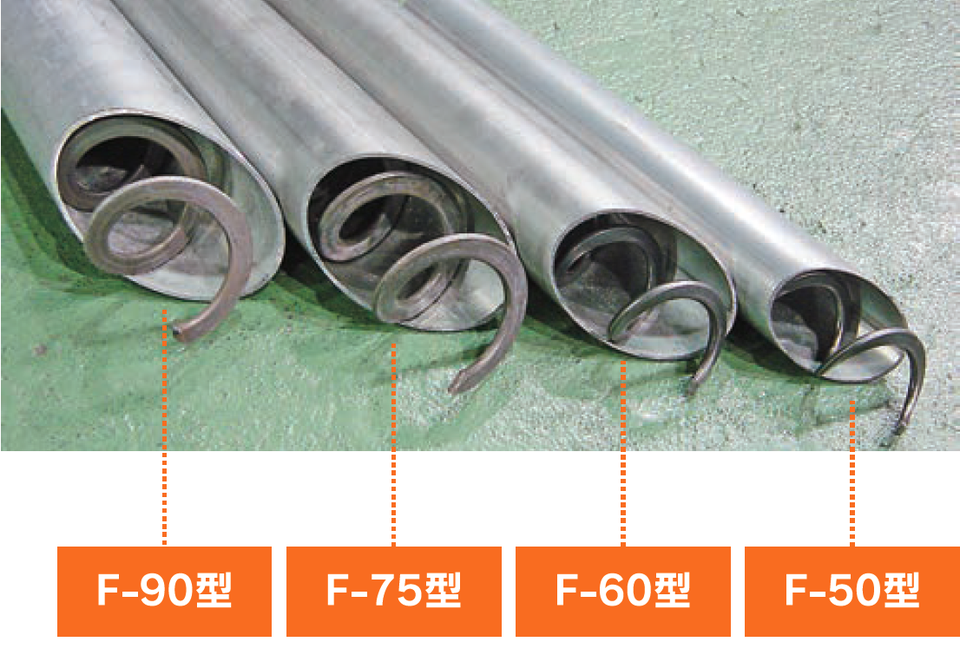
Q: What is an electric feed line drop outlet? A: It is an automatically controlled discharge point installed on a livestock feed conveying pipe. An electric actuator opens or closes the outlet so feed can be directed to a selected destination. Q: What is the advantage over a manual feed drop? A: Electric operation allows remote and programmed outlet control, reducing manual labor and supporting automated multi-zone feeding. Q: Can the controller confirm whether the outlet is open or closed? A: Yes. Suitable electric drop configurations use microswitches or limit switches to provide opening and closing position feedback. Q: Can it be used with chain-disc feeding systems? A: Yes. Electric feed outlets can be configured for compatible chain conveying and cable-disc systems, as well as suitable flex-auger feed lines. Q: Can several electric outlets be installed on the same line? A: Yes. Multiple outlets can be installed and individually controlled to supply different rooms, pens or secondary feed lines according to the system design. Q: What feed tube diameters are available? A: Reference large-drop configurations are available for 60 mm, 76 mm and 90 mm conveying tubes. Additional sizes can be selected according to the required conveying system. Q: Is it suitable for retrofit projects? A: Yes. Existing compatible feed lines can often be upgraded with automatic outlets when tube dimensions, available mounting space and electrical control conditions are suitable. Q: What information is required for a quotation? A: Please provide feed-line type, conveying tube diameter, feed type, number of outlets, required drop diameter, actuator voltage, feeding zones, controller requirements and livestock house layout. |
||||||||||||||||||||||||||||||
| Product Gallery |
|
- Home
-
Products
- Pig Farming Equipment
- Cattle Farming Equipment
- Sheep & Goat Farming Equipment
- Poultry Farming Equipment
- Feeding & Drinking Systems
- Veterinary & Breeding Equipment
- Testing & Diagnostic Equipment
- Cleaning & Biosecurity Equipment
- Climate Control Equipment
- Livestock Weighing Equipment
- Manure & Waste Management
- Farm Transport & Handling
-
Solutions
- Pig Farm Solutions
- Dairy Farm Solutions
- Beef Cattle Farm Solutions
- Sheep & Goat Farm Solutions
- Layer Farm Solutions
- Broiler Farm Solutions
- Feeding & Drinking System Solutions
- Climate Control Solutions
- Biosecurity & Disinfection Solutions
- Manure & Waste Management
- Smart Farming Solutions
- Farm Renovation and Upgrade Solutions
- Partners
- Projects
- Resources
- News
- About Us
- Contact


Comments & Inquiries
Leave your questions or requirements below. We will reply as soon as possible.