

| Product Name | Variable-Speed Liquid Feed Pump | ||||||||||||||||||||||||||||||
| Product Image |  |
||||||||||||||||||||||||||||||
| Product Overview |
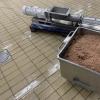
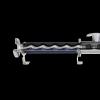
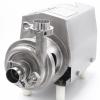
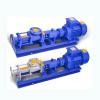
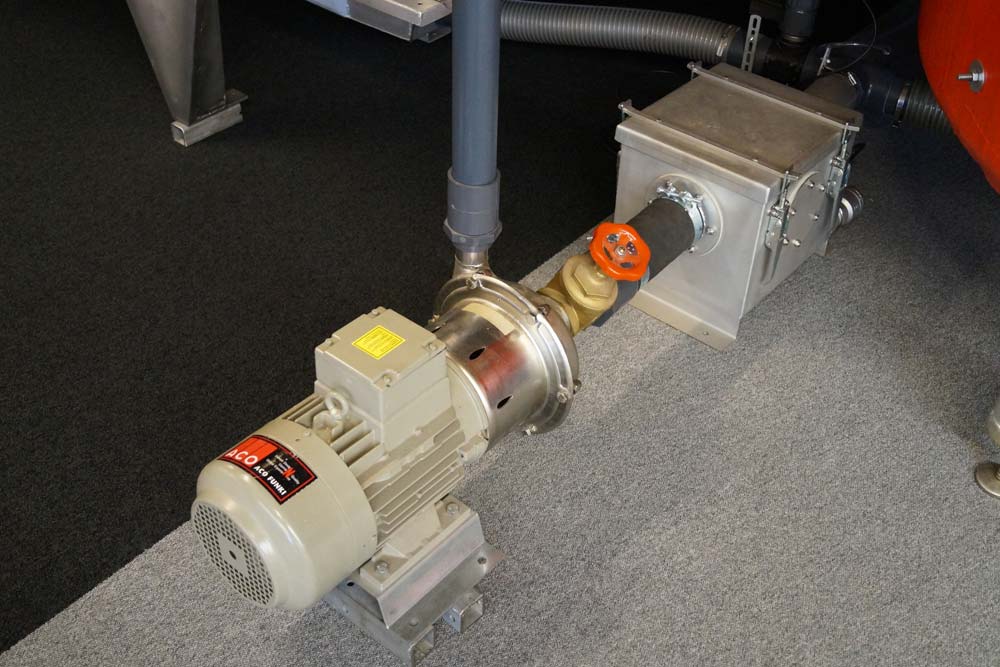
The Variable-Speed Liquid Feed Pump is designed for automated wet and liquid feeding systems used in commercial pig production. Combined with a frequency converter and feeding controller, the pump speed can be continuously adjusted to match the required flow rate during feed transport and dosing. Variable-speed operation provides an effective balance between rapid feed distribution and controlled dosing accuracy. Higher pump speeds can be used during long-distance transport, while the controller can reduce pump speed near discharge points to lower pressure and improve the consistency of feed delivery into individual troughs. This operating concept is particularly useful in large pig farms with different pipe lengths and feeding distances. Maintaining a controlled flow rate helps compensate for changing pipeline pressure and supports more uniform discharge between feeding valves located close to or far from the mixing station. The pump can be incorporated into new pig farm construction, existing liquid feeding system upgrades and integrated livestock equipment projects. Pump size, motor power, frequency inverter, flow monitoring and pipeline connections can be selected according to project requirements. |
||||||||||||||||||||||||||||||
| Key Features |
|
||||||||||||||||||||||||||||||
| Structural Components |
|
||||||||||||||||||||||||||||||
| Working Principle |
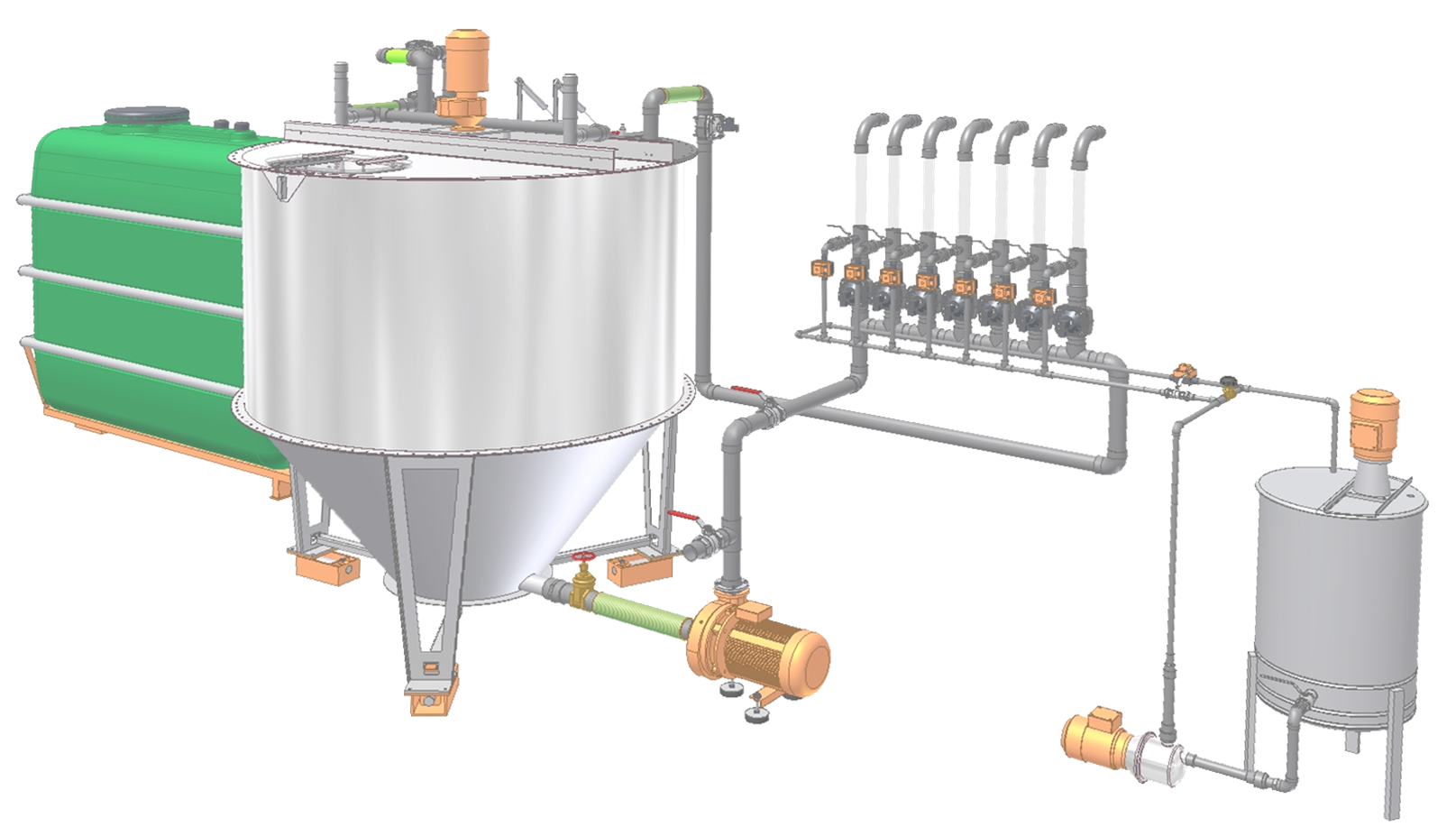
Liquid feed prepared in the mixing tank enters the pump through the suction pipe. The electric motor drives the pump impeller, which generates the pressure required to transport the feed mixture through the distribution pipeline. Instead of operating the motor only at a fixed speed, the feeding controller communicates with a frequency converter. The converter continuously adjusts motor speed according to the required feed flow, dosing stage and operating conditions. During bulk transport, the controller can operate the pump at a higher speed to move feed efficiently through the pipeline. When accurate dosing at a trough valve is required, pump speed can be reduced to lower pressure and provide more controlled discharge. When combined with a flow meter, the controller can compare actual feed flow against the programmed target and adjust pump speed accordingly. This closed-loop arrangement supports more consistent flow even when pipe distance and pressure conditions vary. After feeding is complete, the pump can also operate as part of the configured pipeline rinsing, circulation or residue-management sequence where supported by the complete liquid feeding system. |
||||||||||||||||||||||||||||||
| Technical Specifications |
|
||||||||||||||||||||||||||||||
| Applications |
|
||||||||||||||||||||||||||||||
| Customization Options |
|
||||||||||||||||||||||||||||||
| Installation & Maintenance |
Pump Position: Install the pump close to the liquid feed mixing tank where possible to minimize suction pipe length and unnecessary hydraulic losses. Foundation: Mount the pump and motor on a level, rigid base to maintain shaft alignment and reduce vibration. Suction Line: The suction pipe should be correctly sized, securely sealed and arranged to minimize air pockets and unnecessary restrictions. Foreign-Object Protection: A suitable stone trap or separator is recommended where feed ingredients may contain hard foreign materials that could damage the pump. Frequency Converter: Configure minimum speed, maximum speed, acceleration and deceleration parameters according to the motor, pump and feeding process. Flow Calibration: When a flow meter is used, calibrate the pump-control relationship so that the feeding computer can maintain the programmed flow rate accurately. Routine Inspection: Regularly inspect the pump housing, impeller, shaft seal, bearings, motor, pipe connections and frequency converter for wear or abnormal operating conditions. Cleaning: Include the pump in the liquid feeding system's normal flushing and hygiene program to prevent feed residues from remaining inside the pump and adjacent piping. |
||||||||||||||||||||||||||||||
| Project Applications |
In a commercial pig finishing project, the variable-speed pump can transfer liquid feed from the central mixing tank through multiple sections of the feeding network. The control system increases or reduces pump speed according to the active feeding section and required dosing rate. Where discharge valves are located at significantly different distances from the feed kitchen, variable flow control helps compensate for changing pipeline pressure. This supports more consistent trough filling throughout the production building. For large multi-house farms, the pump can be integrated with electromagnetic flow measurement, automatic valves, recipe management and centralized control to form a complete computer-controlled liquid feeding system. |
||||||||||||||||||||||||||||||
| Product FAQ |
Q: Why use variable-speed control on a liquid feed pump? A: Variable-speed control allows pump output to match the current feeding requirement instead of operating continuously at maximum speed. This supports accurate dosing, lower pressure and reduced energy consumption. Q: How is the pump speed controlled? A: A compatible frequency converter adjusts the electric motor speed according to signals from the liquid feeding controller. Q: Does variable-speed operation improve dosing accuracy? A: Yes. Reducing flow and pressure during the final dosing phase allows feed valves to deliver the programmed quantity more precisely. Q: Can it reduce feed splashing at the trough? A: Controlled reduction of pump pressure during discharge can help reduce high-velocity feed flow and splashing around troughs. Q: Can the pump operate with a flow meter? A: Yes. A compatible electromagnetic or other suitable flow meter can provide feedback to the controller for automatic flow-rate regulation. Q: Is a stainless steel pump recommended? A: Stainless steel centrifugal pumps are widely used in commercial liquid feeding because they provide good corrosion resistance and durability in continuously operated wet-feed systems. Q: Can it be used for an existing pig farm? A: Yes. Retrofit installation is possible when the existing motor, pump, controller and electrical system can be adapted to variable-frequency operation or replaced with compatible components. Q: What information is required for pump selection? A: Please provide the number of pigs, feeding system type, liquid feed characteristics, maximum required flow, pipeline diameter, longest distribution distance, elevation difference, valve quantity, power supply and preferred control functions. |
||||||||||||||||||||||||||||||
| Product Gallery |
|
- Home
-
Products
- Pig Farming Equipment
- Cattle Farming Equipment
- Sheep & Goat Farming Equipment
- Poultry Farming Equipment
- Feeding & Drinking Systems
- Veterinary & Breeding Equipment
- Testing & Diagnostic Equipment
- Cleaning & Biosecurity Equipment
- Climate Control Equipment
- Livestock Weighing Equipment
- Manure & Waste Management
- Farm Transport & Handling
-
Solutions
- Pig Farm Solutions
- Dairy Farm Solutions
- Beef Cattle Farm Solutions
- Sheep & Goat Farm Solutions
- Layer Farm Solutions
- Broiler Farm Solutions
- Feeding & Drinking System Solutions
- Climate Control Solutions
- Biosecurity & Disinfection Solutions
- Manure & Waste Management
- Smart Farming Solutions
- Farm Renovation and Upgrade Solutions
- Partners
- Projects
- Resources
- News
- About Us
- Contact



Comments & Inquiries
Leave your questions or requirements below. We will reply as soon as possible.