


| Product Name | Screw Liquid Feed Pump | ||||||||||||||||||||||||||
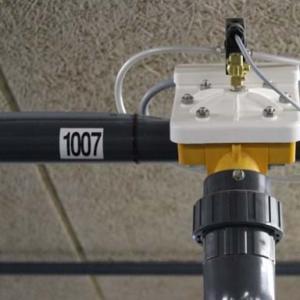
| Product Image |  |
||||||||||||||||||||||||||
| Product Overview |
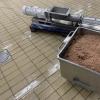
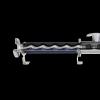
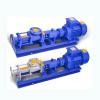
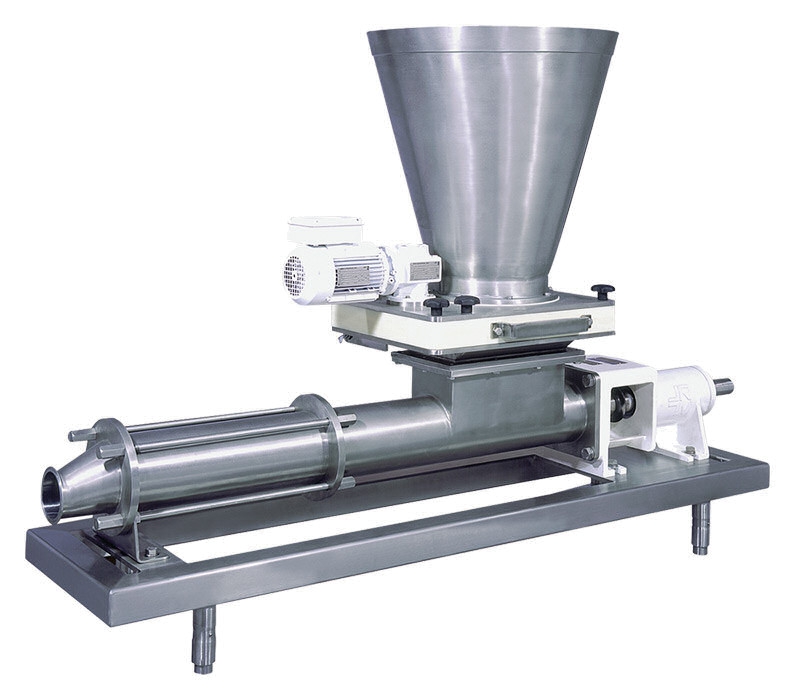
The Screw Liquid Feed Pump is a positive-displacement pumping solution designed for transporting liquid and semi-liquid feed mixtures in commercial pig production. It is particularly suitable for applications where the feed has higher viscosity, suspended solids or changing consistency that may be difficult for conventional centrifugal pumps to handle efficiently. A typical screw pump uses a rotating helical rotor inside a stationary elastomer stator. The interaction between these components creates sealed conveying cavities that move continuously from the suction side toward the discharge side, producing a smooth and relatively low-pulsation feed flow. In automated livestock liquid-feeding systems, the pump can transfer prepared feed from a mixing tank into distribution pipelines, circulate mixtures within the feed kitchen or supply multiple feeding valves throughout the pig house. Screw pumps are especially useful for viscous media and large liquid-feeding installations. Pump capacity, motor power, pressure rating, rotor-stator configuration, connection dimensions and control method can be selected according to feed characteristics, pipeline layout and project requirements. |
||||||||||||||||||||||||||
| Key Features |
|
||||||||||||||||||||||||||
| Structural Components |
|
||||||||||||||||||||||||||
| Working Principle |
The motor and gearbox rotate a helical rotor eccentrically inside the elastic stator. The geometrical relationship between the rotor and stator creates a series of sealed cavities. As the rotor turns, these cavities progress continuously from the suction end to the discharge end. Liquid feed entering the pump is captured inside the cavities and transported through the pump without requiring high-speed impeller action. This positive-displacement principle allows screw pumps to handle liquid feed with changing viscosity and suspended particles while maintaining comparatively smooth flow characteristics. When equipped with variable-frequency speed control, pump output can be adjusted to match different recipes, pipe lengths, feeding zones and valve operating conditions. |
||||||||||||||||||||||||||
| Technical Specifications |
|
||||||||||||||||||||||||||
| Applications |
|
||||||||||||||||||||||||||
| Customization Options |
|
||||||||||||||||||||||||||
| Installation & Maintenance |
Pump Position: Install the pump close to the liquid feed mixing tank or process vessel where practical. A short and properly sized suction line helps maintain reliable filling of the pump. Foundation: The motor, gearbox and pump should be secured to a rigid, level foundation or engineered support frame to maintain shaft alignment. Pipeline Design: Suction and discharge pipe diameters should be selected according to feed viscosity, solids content, required flow and total system resistance. Dry-Running Protection: The rotor-stator section should not be operated without suitable pumped medium unless the selected pump design specifically permits it. Level sensors or other protection devices are recommended. Pressure Protection: Pressure switches, relief arrangements or compatible control logic should be considered to protect the pump and pipeline against abnormal blockage or closed-valve conditions. Commissioning: Confirm pump rotation, pipe connections, valve positions, sensor signals and frequency-converter settings before normal feeding operation. Routine Maintenance: Regularly inspect the rotor, stator, shaft seal, coupling, gearbox, motor, bearings and pipe joints. Cleaning intervals should be coordinated with the hygiene program of the complete liquid feeding system. |
||||||||||||||||||||||||||
| Project Applications |
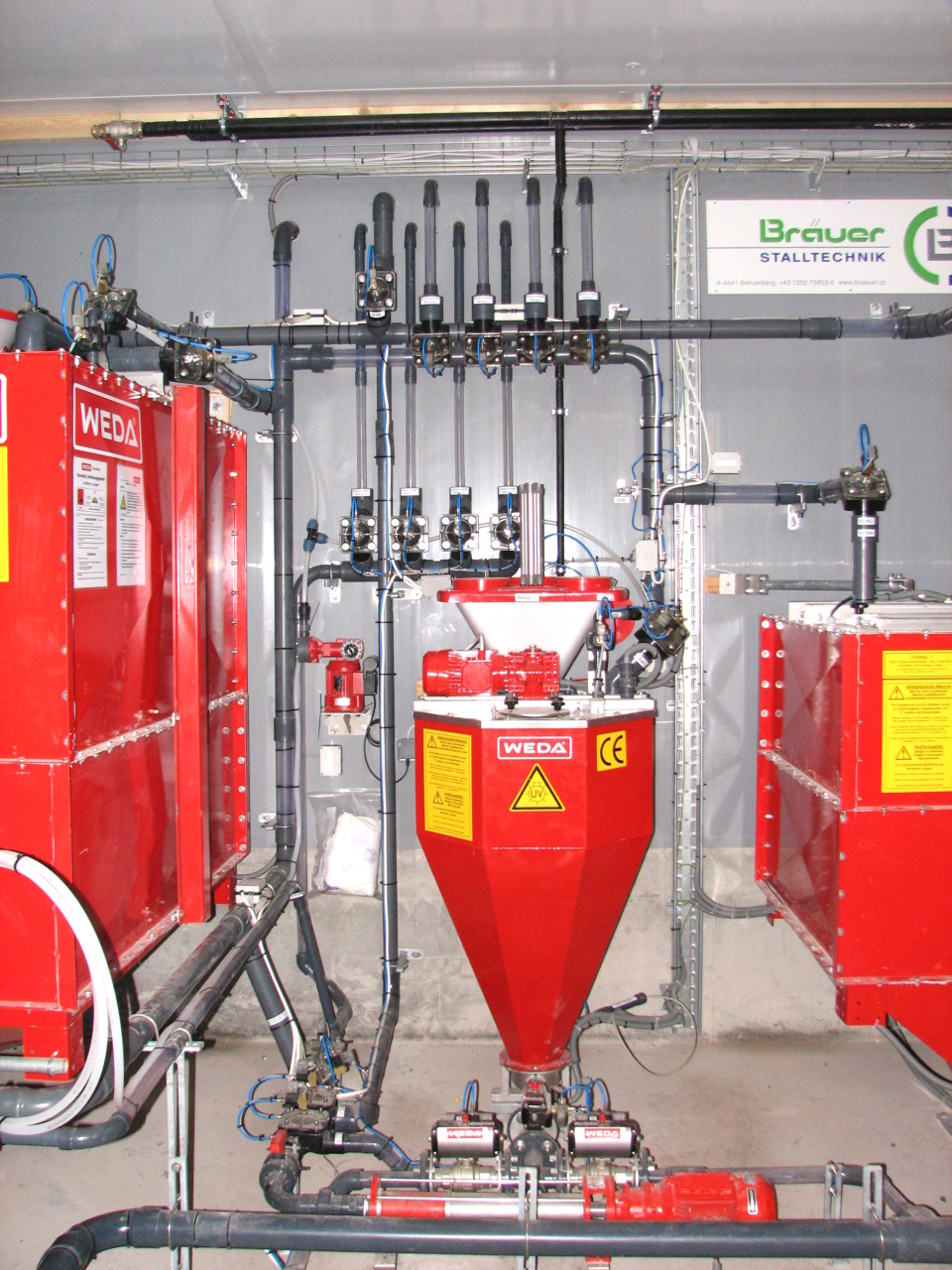
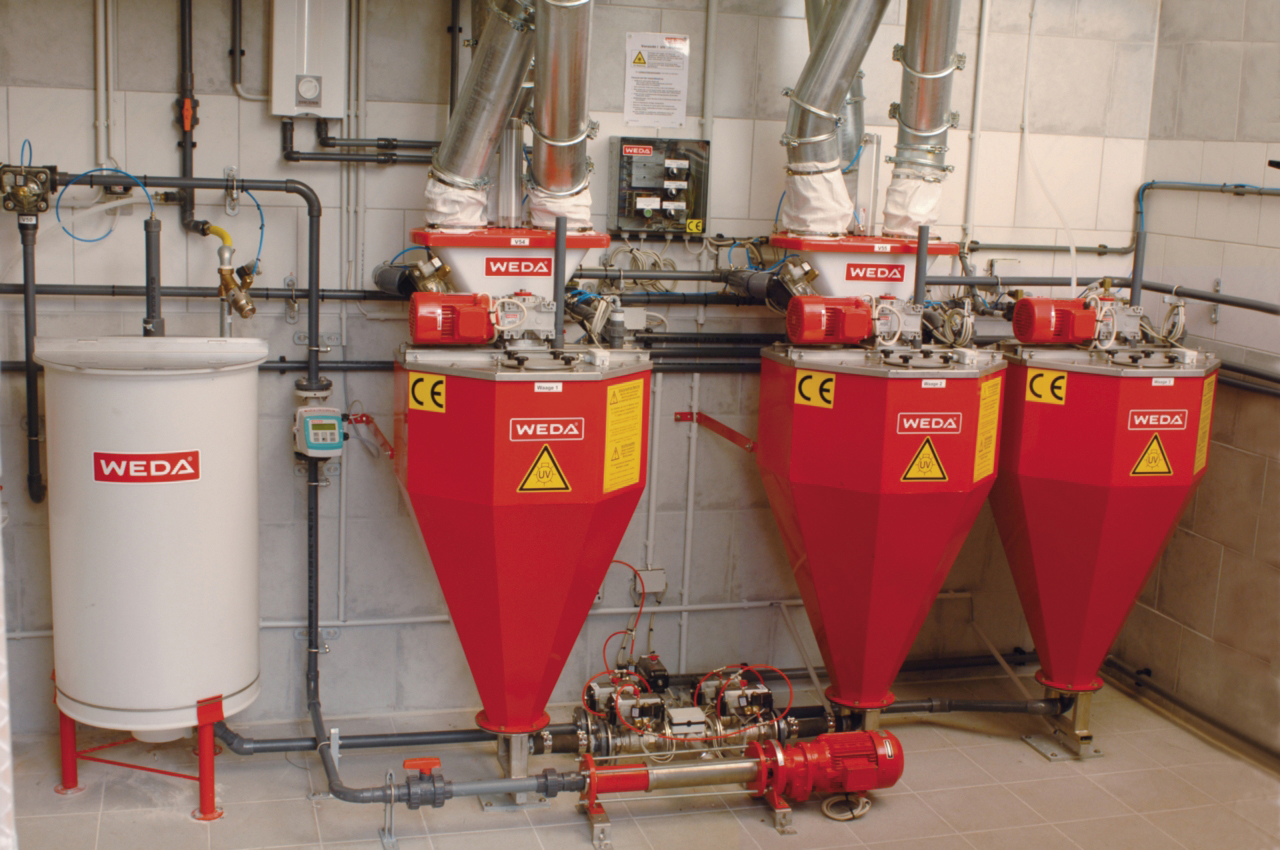
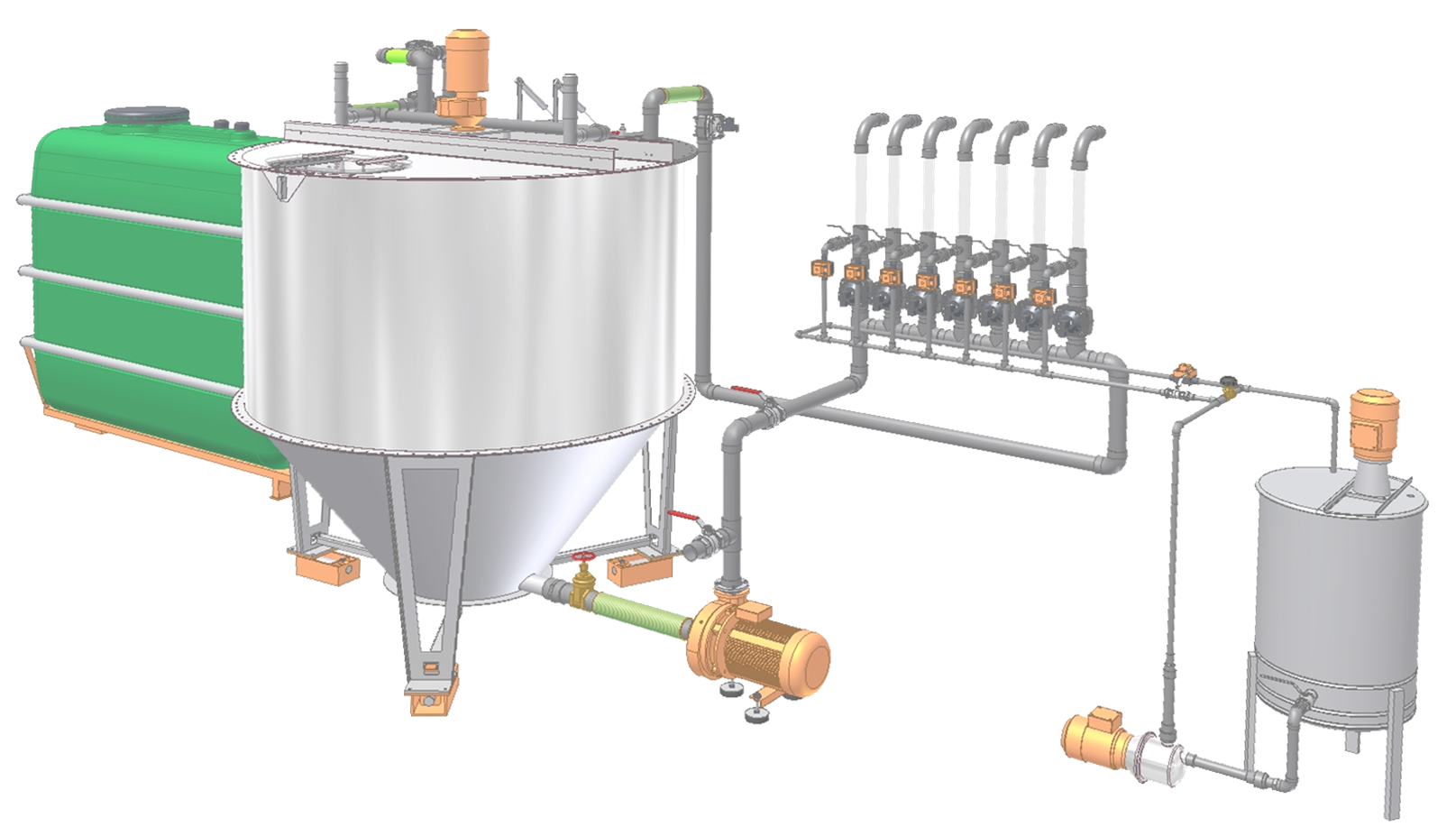
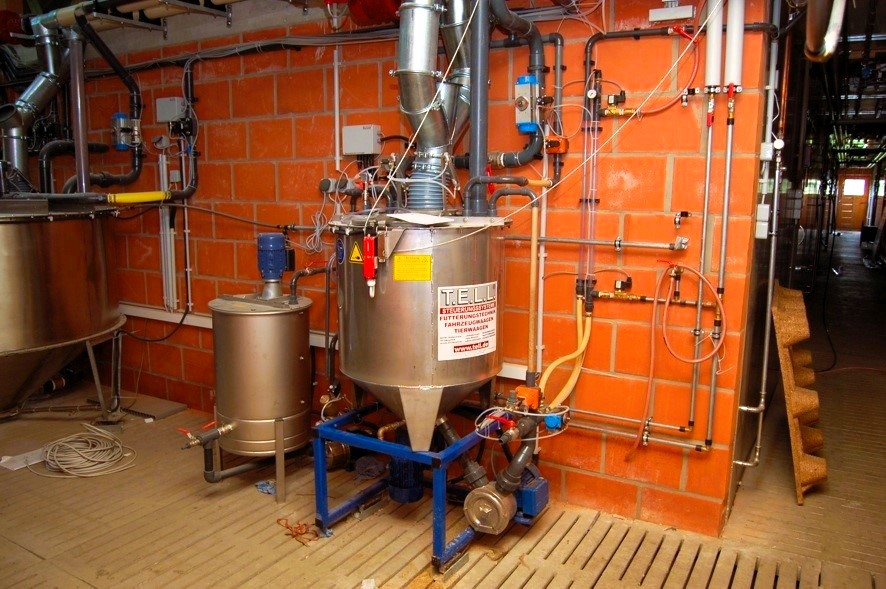
In a commercial pig finishing project, the screw pump can be installed beneath or beside the liquid feed mixing tank and used to transfer the prepared ration into the main distribution network. Automatic valves then direct the feed toward the required pig-house sections. For systems handling viscous recipes, fermented components or feed with suspended particles, a screw pump can provide stable transfer where the operating conditions are demanding. A stone trap or macerator may be installed upstream where required to protect the pump from unsuitable foreign material. For large livestock groups, pump operation can be coordinated with weighing equipment, flow meters, feed valves and centralized liquid-feeding software to automate recipe distribution across several barns. |
||||||||||||||||||||||||||
| Product FAQ |
Q: Why use a screw pump for liquid pig feed? A: Screw pumps are well suited to viscous and solids-containing media. Their positive-displacement principle provides continuous feed transfer and makes them suitable for demanding commercial liquid-feeding systems. Q: What is the difference between a screw pump and a centrifugal feed pump? A: A centrifugal pump transfers liquid through a high-speed impeller, while a progressive cavity screw pump moves sealed volumes of material through a rotor-stator element. Screw pumps are generally preferred when feed viscosity or consistency makes positive-displacement pumping advantageous. Q: Can the pump handle feed containing solids? A: Suitable screw pumps can transport pumpable liquid-feed mixtures containing suspended solids. Maximum particle size and solids content depend on the selected pump and feed preparation system. Q: Can the flow rate be adjusted? A: Yes. A frequency converter can be used with compatible motor and controller configurations to vary pump speed and therefore adjust feed delivery. Q: Can the pump be integrated with a farm feeding computer? A: Yes. Pump operation can be integrated with compatible PLCs or liquid-feeding computers together with valves, flow meters, tank scales and pressure sensors. Q: Is a stone trap recommended? A: A stone trap or other foreign-material protection device can be useful where ingredients may contain hard objects that could damage the pump. Q: Is the rotor-stator assembly replaceable? A: Yes. In typical progressive cavity pump designs, the rotor and stator are service components and can be replaced when wear reaches the maintenance limit. Q: What information is required for a quotation? A: Please provide the required flow rate, pipeline length and diameter, elevation difference, feed composition, approximate dry matter or viscosity, maximum particle size, required pressure, voltage and preferred control method. |
||||||||||||||||||||||||||
| Product Gallery |
|
- Home
-
Products
- Pig Farming Equipment
- Cattle Farming Equipment
- Sheep & Goat Farming Equipment
- Poultry Farming Equipment
- Feeding & Drinking Systems
- Veterinary & Breeding Equipment
- Testing & Diagnostic Equipment
- Cleaning & Biosecurity Equipment
- Climate Control Equipment
- Livestock Weighing Equipment
- Manure & Waste Management
- Farm Transport & Handling
-
Solutions
- Pig Farm Solutions
- Dairy Farm Solutions
- Beef Cattle Farm Solutions
- Sheep & Goat Farm Solutions
- Layer Farm Solutions
- Broiler Farm Solutions
- Feeding & Drinking System Solutions
- Climate Control Solutions
- Biosecurity & Disinfection Solutions
- Manure & Waste Management
- Smart Farming Solutions
- Farm Renovation and Upgrade Solutions
- Partners
- Projects
- Resources
- News
- About Us
- Contact



Comments & Inquiries
Leave your questions or requirements below. We will reply as soon as possible.