


| Product Name | Centrifugal Liquid Feed Pump | ||||||||||||||||||||||||||||||||
| Product Image | 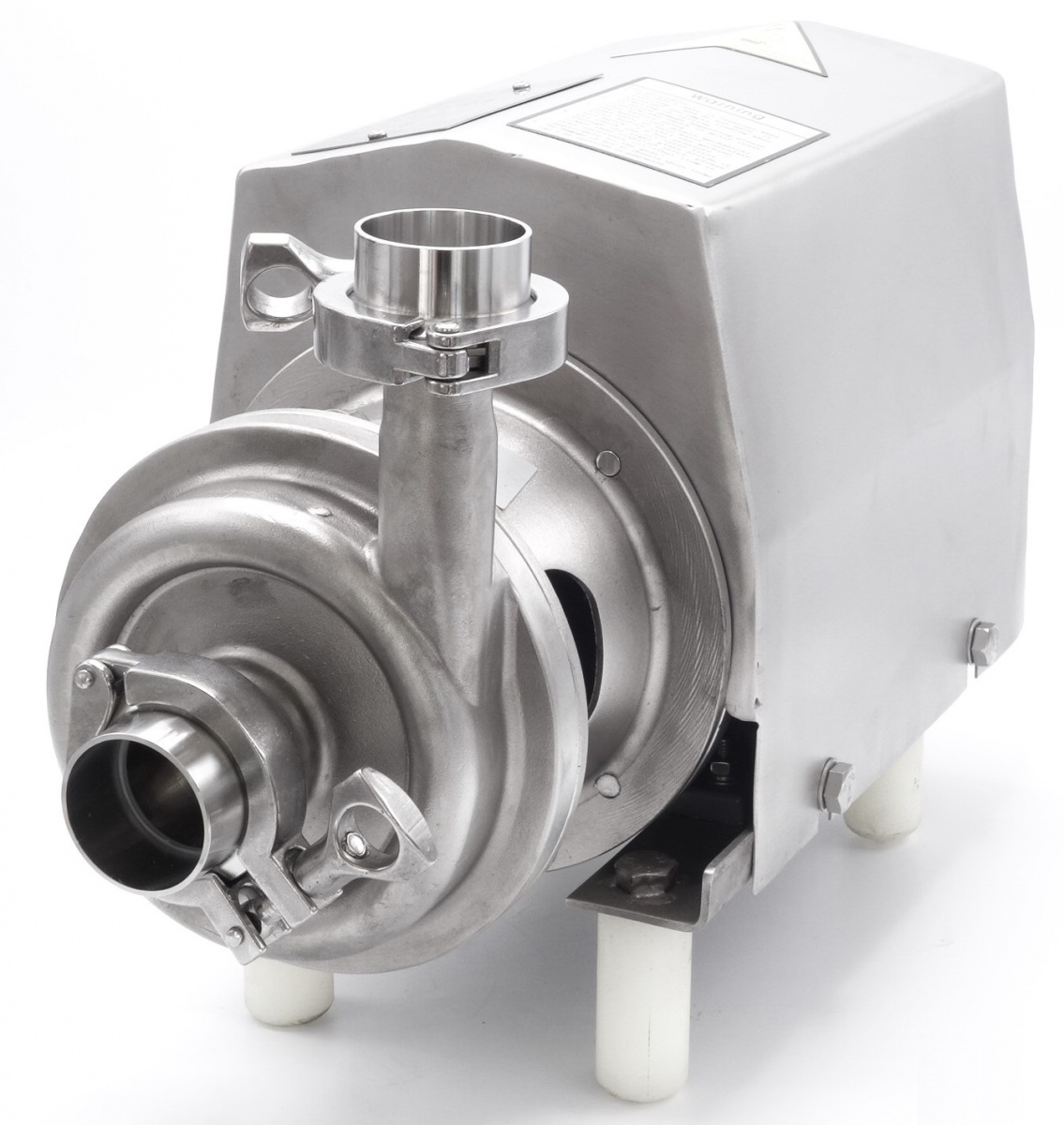 |
||||||||||||||||||||||||||||||||
| Product Overview |
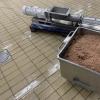
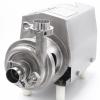
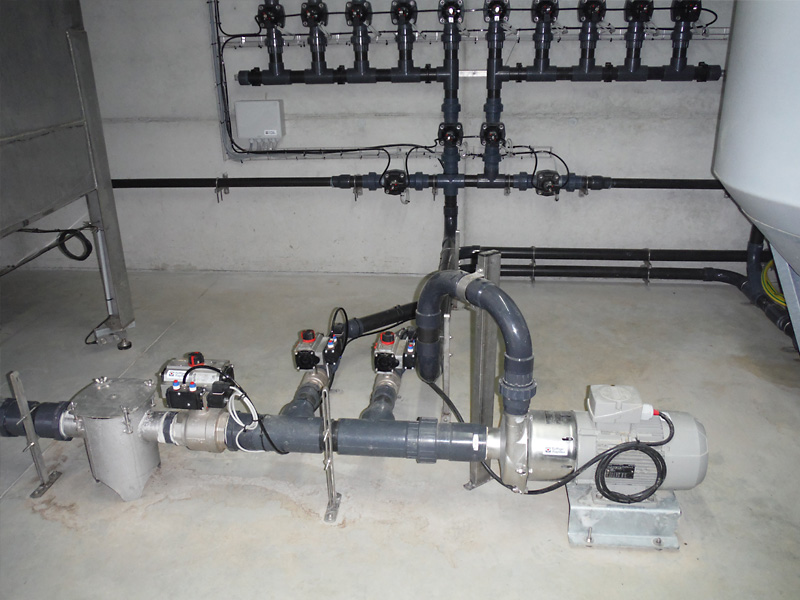
The Centrifugal Liquid Feed Pump is designed for reliable transfer and circulation of prepared liquid feed in automated pig feeding systems. It can be installed between the mixing tank, distribution pipeline and feeding circuits to transport homogeneous feed mixtures efficiently to the required livestock-house sections. Centrifugal pumps are widely used in commercial liquid feeding because their rotating impeller provides continuous flow through the distribution network. Correct pump selection allows the system to maintain the required flow and pressure across different pipeline lengths and feeding points. For demanding pig farm applications, wetted pump components can be manufactured from corrosion-resistant stainless steel to improve durability when handling feed mixtures, water and approved cleaning media. Suitable impeller and pump-body designs can also help handle suspended feed particles encountered in livestock feeding applications. Pump capacity, motor power, materials, connection dimensions, control mode and installation arrangement can be selected according to feed formulation, pipeline layout, farm size and project requirements. |
||||||||||||||||||||||||||||||||
| Key Features |
|
||||||||||||||||||||||||||||||||
| Structural Components |
|
||||||||||||||||||||||||||||||||
| Working Principle |
Prepared liquid feed enters the pump through the suction connection and flows toward the center of the rotating impeller. When the electric motor rotates the impeller, the feed mixture is accelerated outward by centrifugal action. The pump casing converts part of this velocity into pressure and directs the feed toward the discharge connection. The pressurized liquid feed then travels through the distribution pipeline to the selected feed valves and troughs. In computer-controlled systems, valve opening and pump operation are coordinated according to the programmed feeding sequence. Where a frequency converter is installed, pump speed can be adjusted automatically to maintain a more stable flow rate even when pipeline resistance changes as different feeding valves operate. After feeding, the pump can also operate as part of the circulation or cleaning sequence where the overall liquid feeding system is designed for this function. |
||||||||||||||||||||||||||||||||
| Technical Specifications |
|
||||||||||||||||||||||||||||||||
| Applications |
|
||||||||||||||||||||||||||||||||
| Customization Options |
|
||||||||||||||||||||||||||||||||
| Installation & Maintenance |
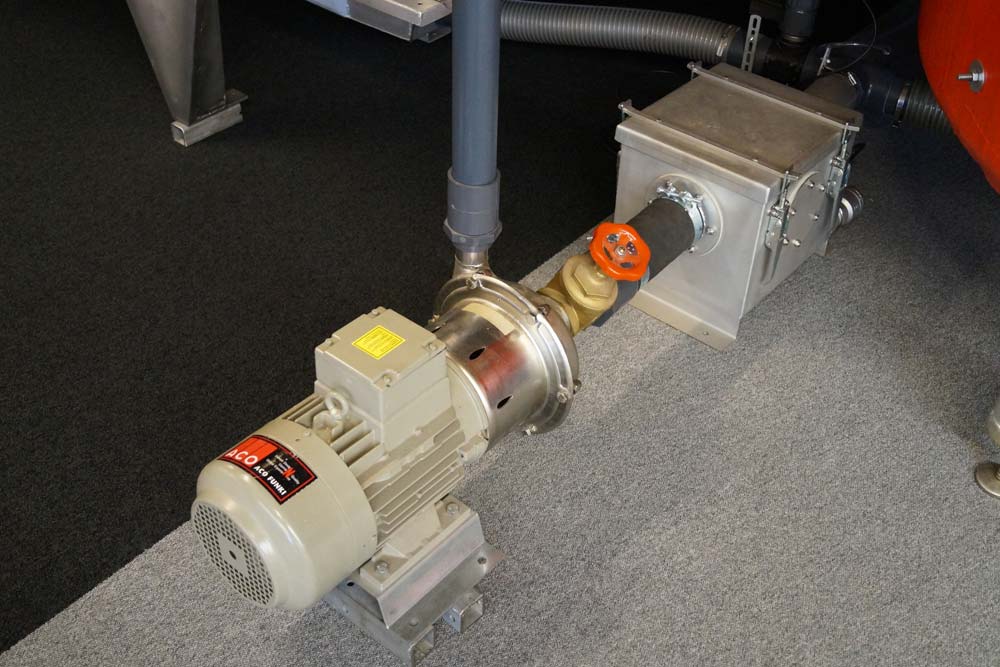
Pump Position: Install the pump close to the mixing or weighing tank where possible and arrange the suction line to minimize unnecessary resistance. Foundation: Mount the pump securely on a level concrete foundation or rigid steel frame to maintain correct alignment and limit vibration. Suction Piping: The suction pipe should be correctly sized and arranged to avoid air pockets, excessive restrictions and unsuitable inlet conditions. Stone Trap: Where coarse ingredients or foreign objects may be present, install a suitable stone trap or separator upstream of the pump to protect the impeller and casing. Discharge Piping: Securely support the distribution pipeline so that excessive external pipe loads are not transferred to the pump connections. Electrical Installation: Motor protection, overload protection and frequency-converter settings should match the motor and hydraulic requirements of the system. Commissioning: Confirm pump rotation, valve positions, suction conditions, pipeline pressure and liquid-feed flow before normal automatic operation. Routine Maintenance: Periodically inspect the impeller, mechanical seal, shaft, bearings, motor, pipe connections and mounting bolts. Clean the pump according to the hygiene program and replace worn components before they affect feed delivery performance. |
||||||||||||||||||||||||||||||||
| Project Applications |
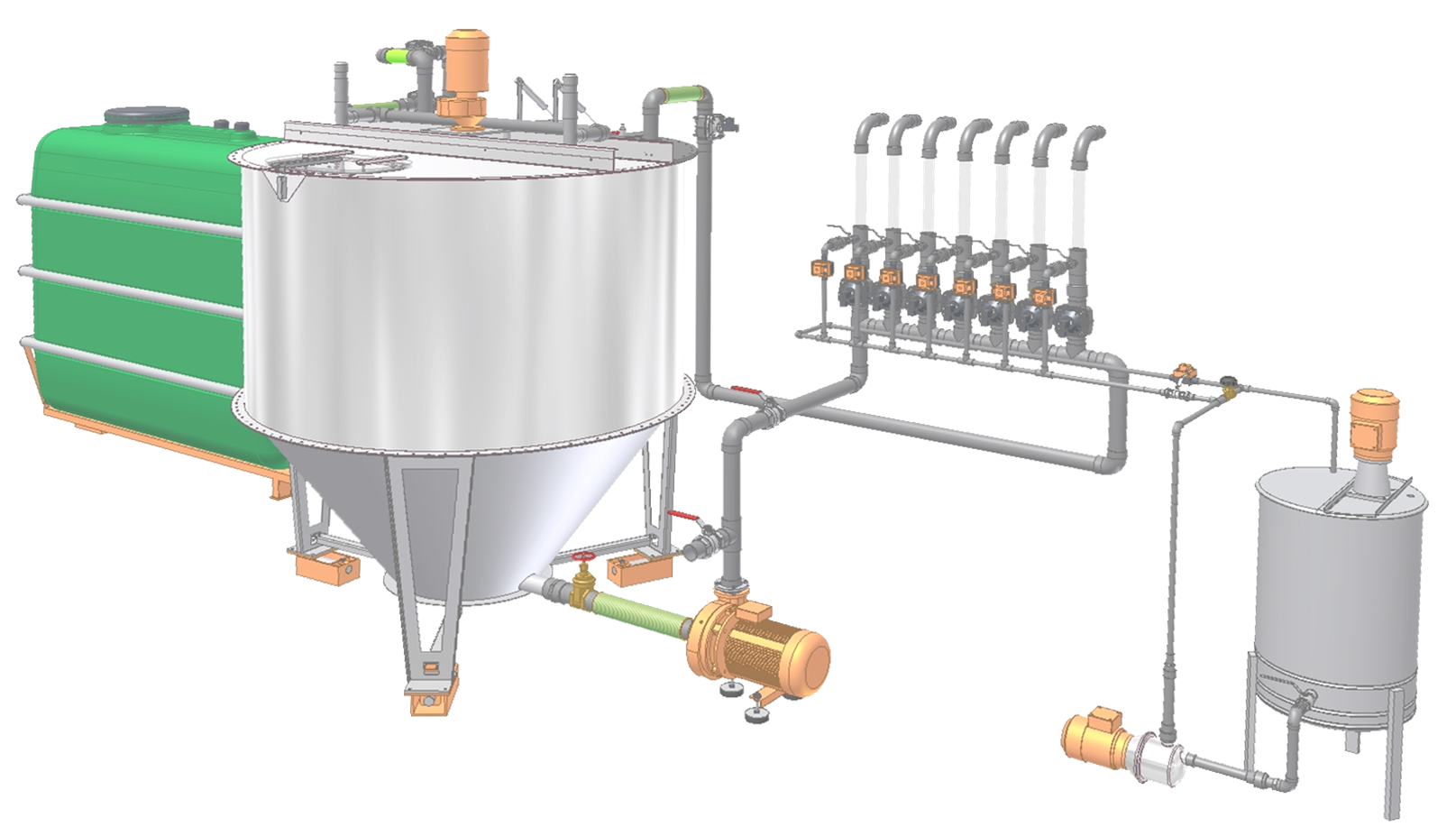
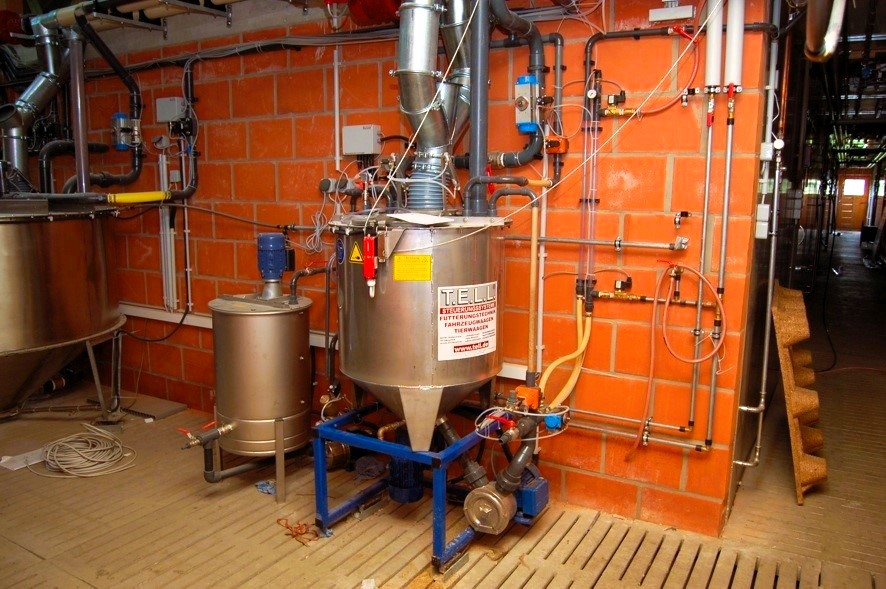
In a standard commercial pig liquid-feeding project, the centrifugal pump is installed downstream of the mixing tank. After preparation of the feed recipe, the pump transfers the mixture through the main distribution pipeline while the feeding computer opens the required feed valves in sequence. For farms with long pipelines or feeding points at different distances, variable-speed control can be used to regulate pump output and help maintain a more uniform feed flow as system resistance changes. Where feed ingredients may contain stones or other dense foreign material, a stone trap can be installed between the mixing tank and pump to reduce the risk of mechanical damage. Final pump selection should be based on recipe consistency, dry-matter content, required flow rate, pipeline diameter, total pipe length, elevation differences, number of valves and the feeding strategy of the farm. |
||||||||||||||||||||||||||||||||
| Product FAQ |
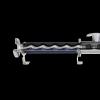
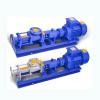
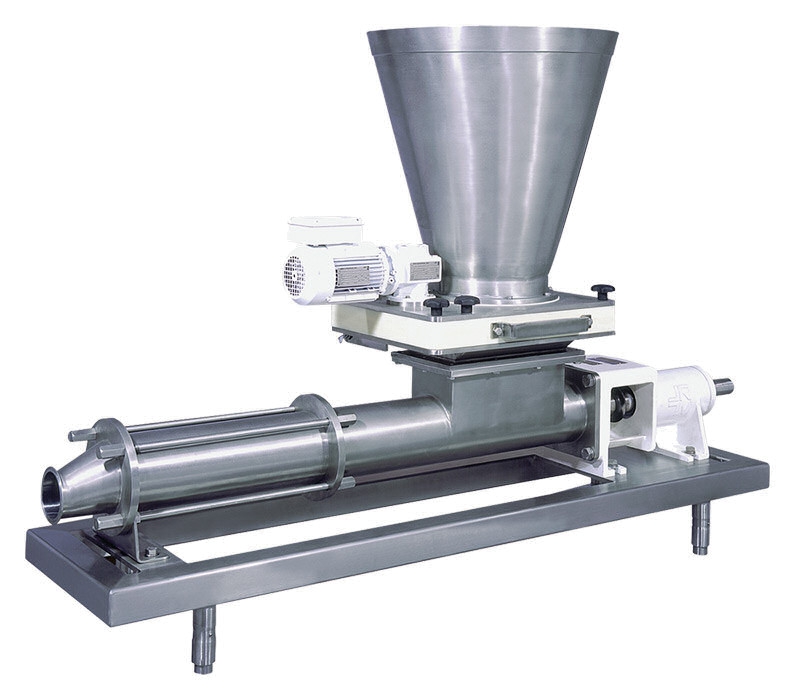
Q: What is a centrifugal liquid feed pump used for? A: It transfers prepared liquid feed from mixing or weighing tanks through the distribution pipeline to feed valves and livestock troughs. Q: Why is stainless steel recommended for liquid feeding pumps? A: Stainless steel offers good corrosion resistance, mechanical durability and cleanable surfaces for equipment that is repeatedly exposed to wet feed and cleaning cycles. Q: Can the pump handle feed containing solid particles? A: Suitable centrifugal pump configurations can handle pumpable liquid feed containing suspended particles. Pump and impeller selection should be based on ingredient size, concentration and overall feed consistency. Q: When should a screw pump be used instead? A: Screw pumps may be preferred for particularly viscous media or applications requiring different pumping characteristics. Final selection should be based on the feed formulation and hydraulic requirements. Q: Can pump speed be automatically controlled? A: Yes. A compatible frequency converter and feeding controller can vary motor speed according to required flow, system pressure or feeding sequence. Q: Why is a stone trap installed before the pump? A: A stone trap separates heavy foreign objects before they reach the pump, helping protect the impeller and other internal components from mechanical damage. Q: Can the pump be integrated with a flow meter? A: Yes. Electromagnetic or other suitable flow measurement can be installed downstream of the pump when the liquid feeding control system supports this function. Q: Is the pump suitable for existing liquid feeding systems? A: Yes. Retrofit installation is possible when pump capacity, pipeline dimensions, electrical supply and controller compatibility are correctly matched. Q: What information is required for pump selection? A: Please provide feed composition, approximate solids content, required flow rate, pipeline diameter, total conveying distance, elevation difference, number of feed valves, electrical supply and required control method. |
||||||||||||||||||||||||||||||||
| Product Gallery |
|
- Home
-
Products
- Pig Farming Equipment
- Cattle Farming Equipment
- Sheep & Goat Farming Equipment
- Poultry Farming Equipment
- Feeding & Drinking Systems
- Veterinary & Breeding Equipment
- Testing & Diagnostic Equipment
- Cleaning & Biosecurity Equipment
- Climate Control Equipment
- Livestock Weighing Equipment
- Manure & Waste Management
- Farm Transport & Handling
-
Solutions
- Pig Farm Solutions
- Dairy Farm Solutions
- Beef Cattle Farm Solutions
- Sheep & Goat Farm Solutions
- Layer Farm Solutions
- Broiler Farm Solutions
- Feeding & Drinking System Solutions
- Climate Control Solutions
- Biosecurity & Disinfection Solutions
- Manure & Waste Management
- Smart Farming Solutions
- Farm Renovation and Upgrade Solutions
- Partners
- Projects
- Resources
- News
- About Us
- Contact



Comments & Inquiries
Leave your questions or requirements below. We will reply as soon as possible.