


| Product Name | Liquid Feed Delivery Pipe | ||||||||||||||||||||
| Product Image | 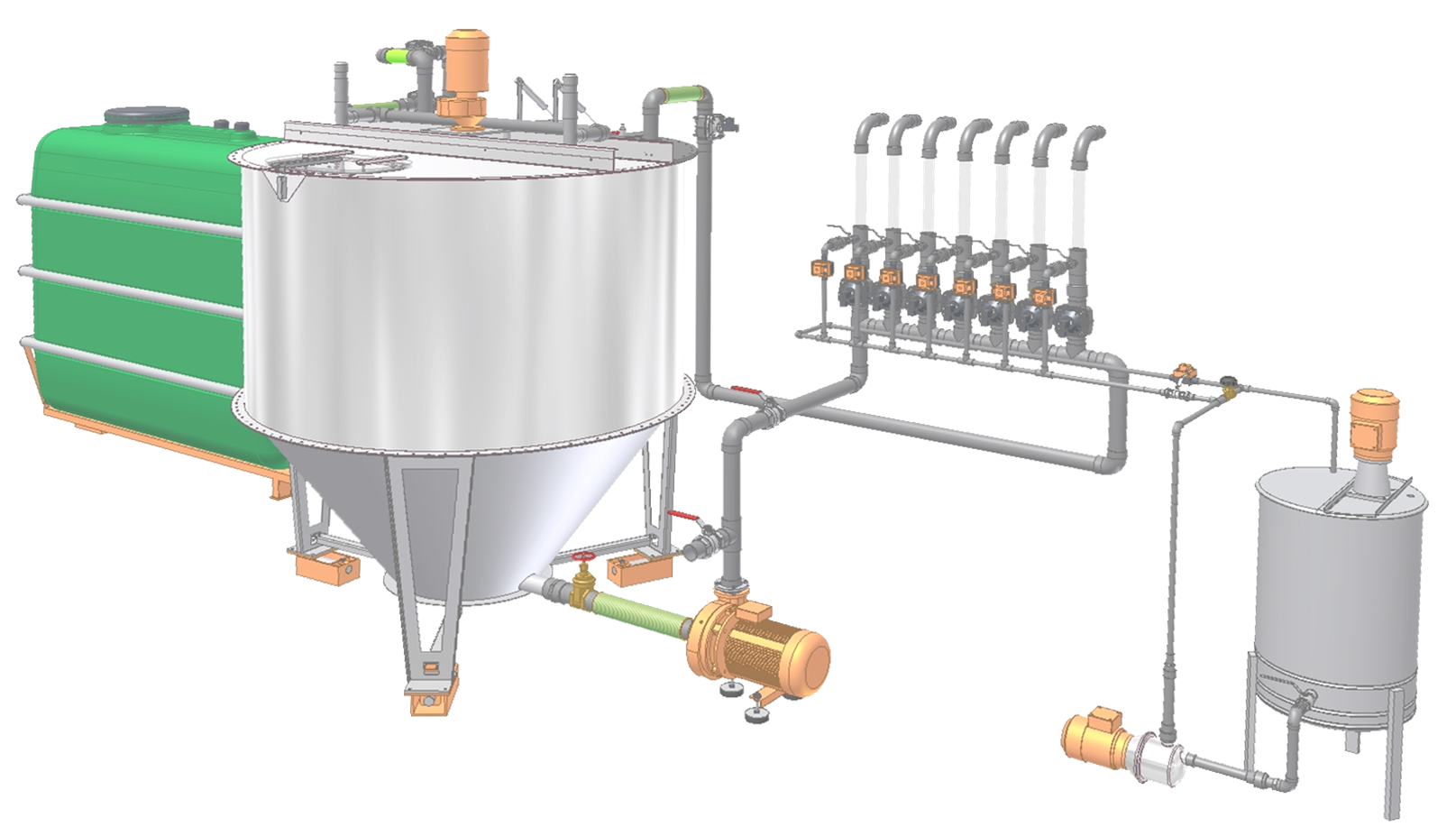 |
||||||||||||||||||||
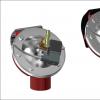
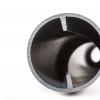
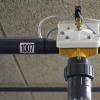
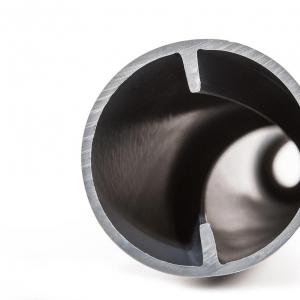
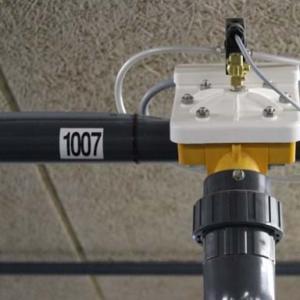
| Product Overview | The Liquid Feed Delivery Pipe is a core distribution component in automated liquid feeding systems for commercial pig farms. It transports prepared liquid feed from the mixing and pumping station to individual feeding valves, troughs and livestock house feeding points. Modern liquid feeding systems use pipe networks to distribute different feed mixtures efficiently over both short and long conveying routes. Plastic pipes are particularly suitable for complex pig house layouts because they are corrosion resistant, lightweight and convenient to install. The delivery pipe system can be configured as a main pipeline, branch pipeline, transmission line or circulation loop according to the feeding concept and farm layout. Pipe diameter, routing, connection method and support structure can be customized according to project requirements. |
||||||||||||||||||||
| Key Features |
|
||||||||||||||||||||
| Structural Components | A typical liquid feed delivery pipeline may include:
|
||||||||||||||||||||
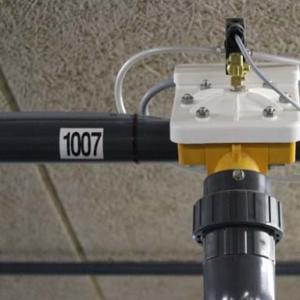
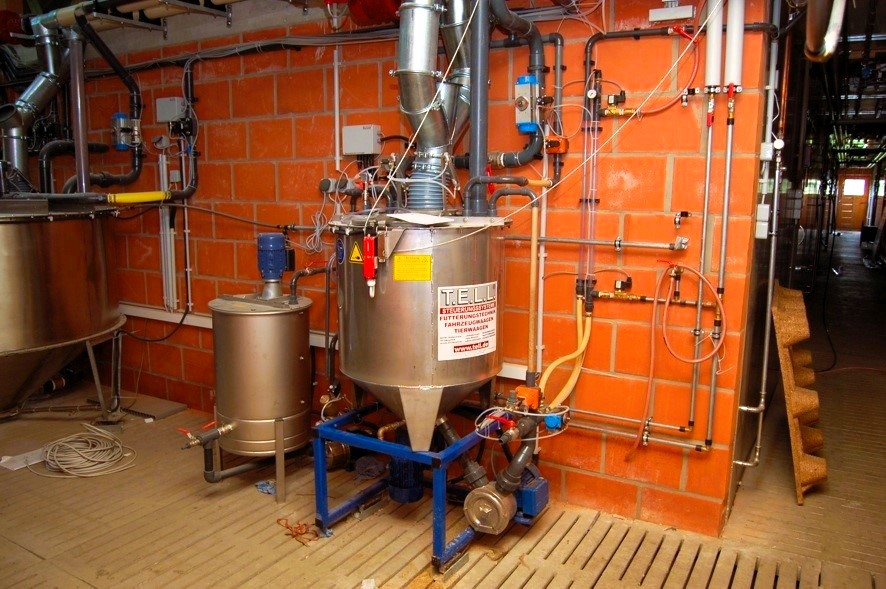
| Working Principle | Feed ingredients and water are first mixed to the required formulation in a central mixing tank. After mixing, a feed pump transfers the liquid feed into the delivery pipeline. The prepared feed travels through the pipe network to programmed feeding locations. Electropneumatic or automatically controlled valves open at the required feeding points and discharge the calculated quantity of feed into the corresponding trough. Depending on the feeding concept, the system can operate with a return line, a transmission line without return flow, or a no-residue process in which the pipes are rinsed after feeding. Proper pipeline design helps achieve accurate distribution and consistent feed quality throughout the livestock facility. |
||||||||||||||||||||
| Technical Specifications |
|
||||||||||||||||||||
| Applications |
|
||||||||||||||||||||
| Customization Options | The Liquid Feed Delivery Pipe system can be designed according to individual farm requirements.
|
||||||||||||||||||||
| Installation & Maintenance | Pipeline routing should be planned together with the feed kitchen, mixing equipment, pump station, pig house structure and trough positions. Pipes should be securely supported with appropriate clamps and brackets. Excessive unsupported pipe spans should be avoided, particularly around bends, valves and vertical sections. All joints and connections should be inspected for leakage before system commissioning. Valve locations and cleaning points should remain accessible for routine inspection. Regular flushing and cleaning should be carried out according to the farm hygiene program and feed formulation. Pipe joints, brackets, valves and bends should also be inspected periodically to maintain dependable operation. |
||||||||||||||||||||
| Project Cases | In large commercial pig farms, a centralized feed kitchen can prepare multiple liquid feed formulations and distribute them through dedicated pipe circuits to different livestock houses. Main delivery pipes are commonly installed along service corridors, walls or overhead support structures, while branch pipes and vertical downpipes connect the main system with individual feed valves and troughs. For new pig farm construction, the pipe system can be coordinated with steel structure building design, pen layout, ventilation equipment and other livestock equipment to create an efficient and maintainable feeding installation. |
||||||||||||||||||||
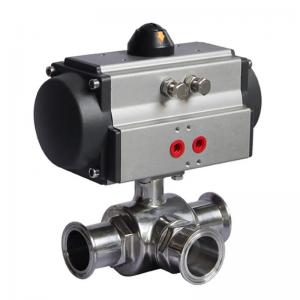
| Product FAQ | Q: What is the purpose of a Liquid Feed Delivery Pipe? A: It transports prepared liquid feed from the mixing and pumping station to individual feed valves and troughs throughout the pig farm. Q: Can the pipe be used for long conveying distances? A: Yes. Plastic tubes are commonly used in modern liquid feeding systems for longer feeding paths and complex layouts. The final pipe diameter and pump configuration should be selected according to the project. Q: Can the pipe diameter be customized? A: Yes. Pipe size can be selected according to required flow capacity, feed characteristics, pumping distance and system layout. Q: Can the pipeline be integrated with automatic feed valves? A: Yes. The delivery pipe can be connected with electropneumatic or other automatically controlled liquid feed valves for programmed distribution. Q: Can the pipeline be rinsed after feeding? A: Yes. Depending on the feeding concept, pipe rinsing and no-residue cleaning functions can be incorporated into the system. Q: Is the system suitable for existing pig houses? A: Yes. The routing and connection arrangement can be customized for both new construction and renovation projects. |
||||||||||||||||||||
| Product Gallery | 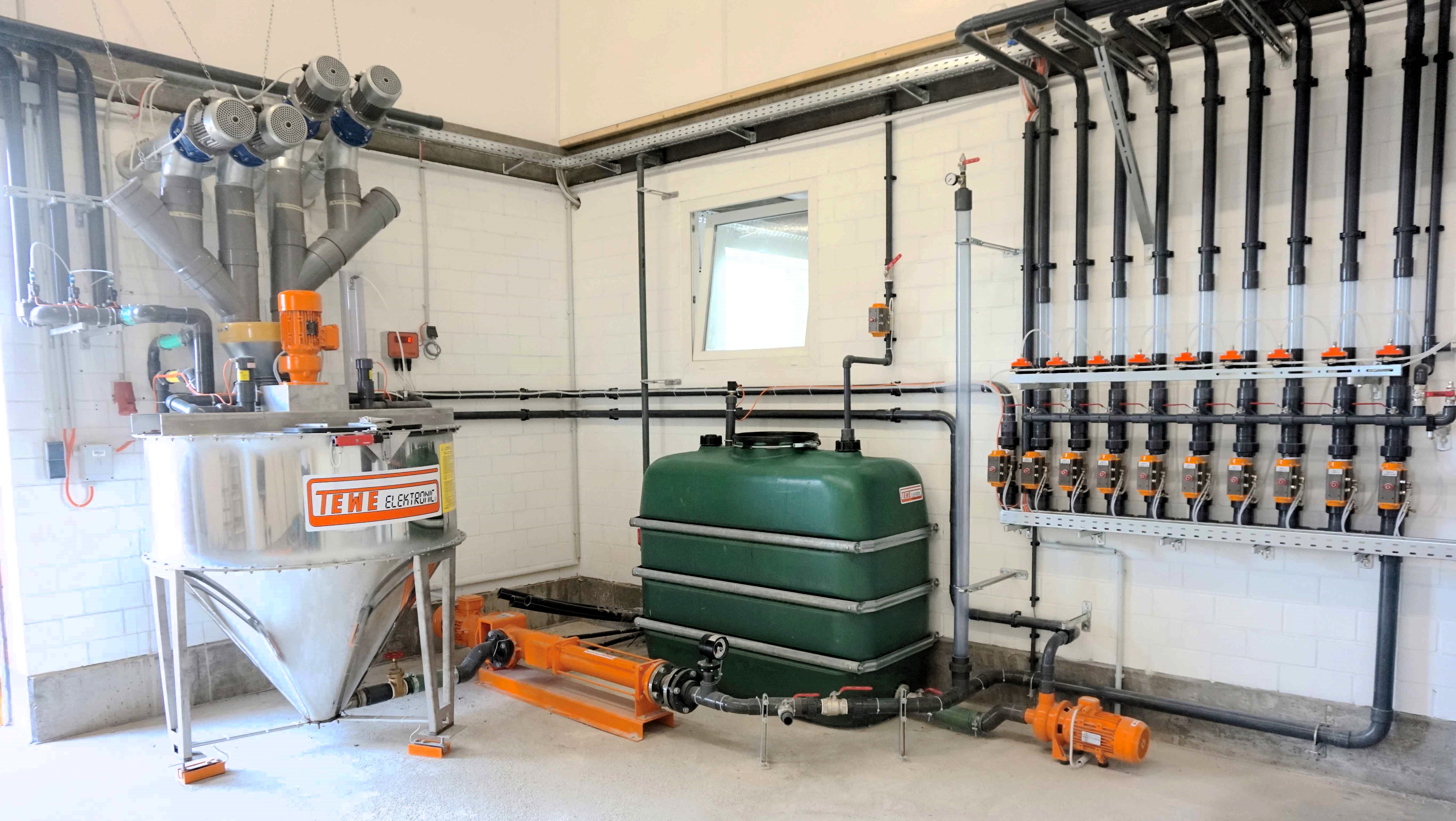 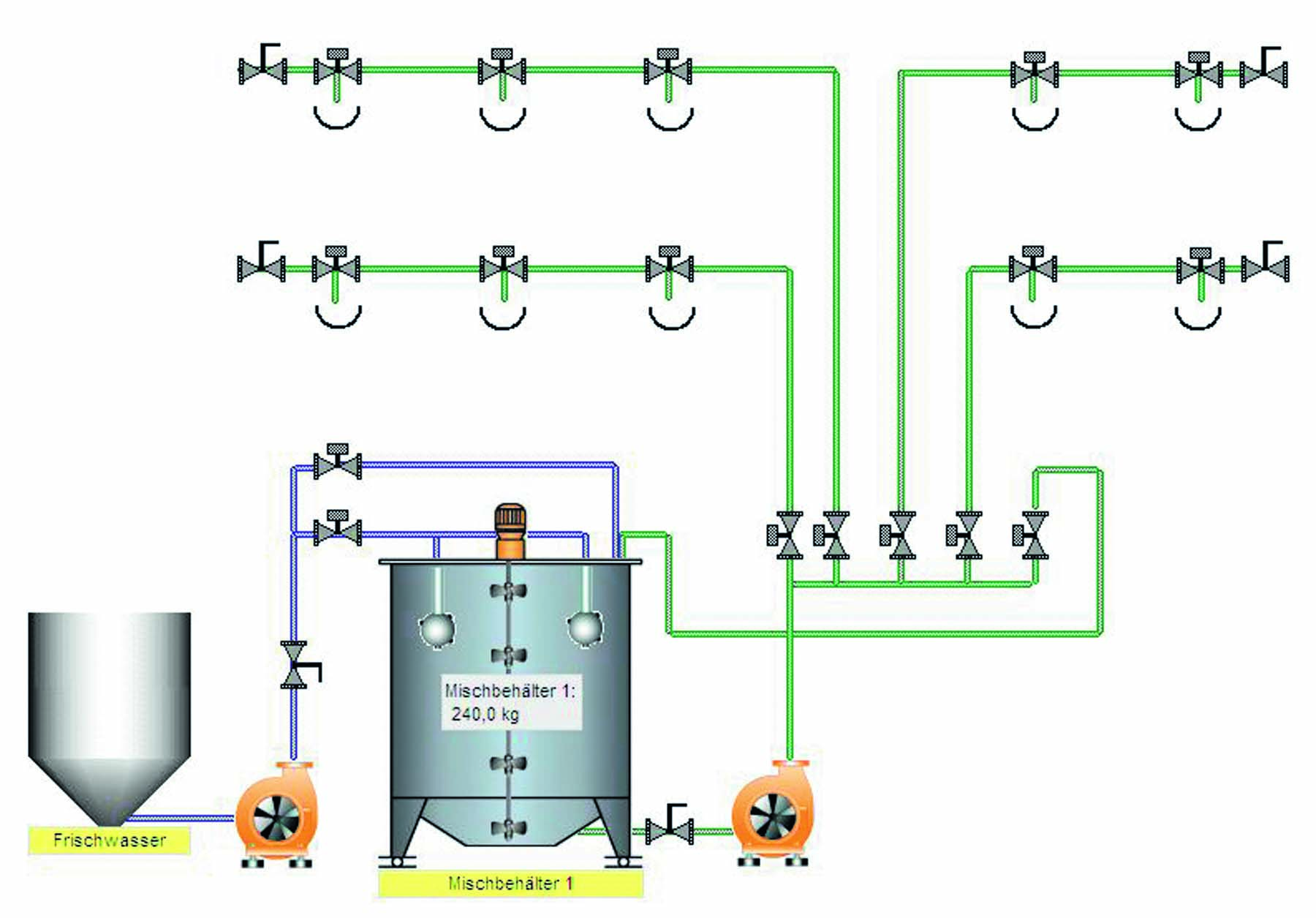 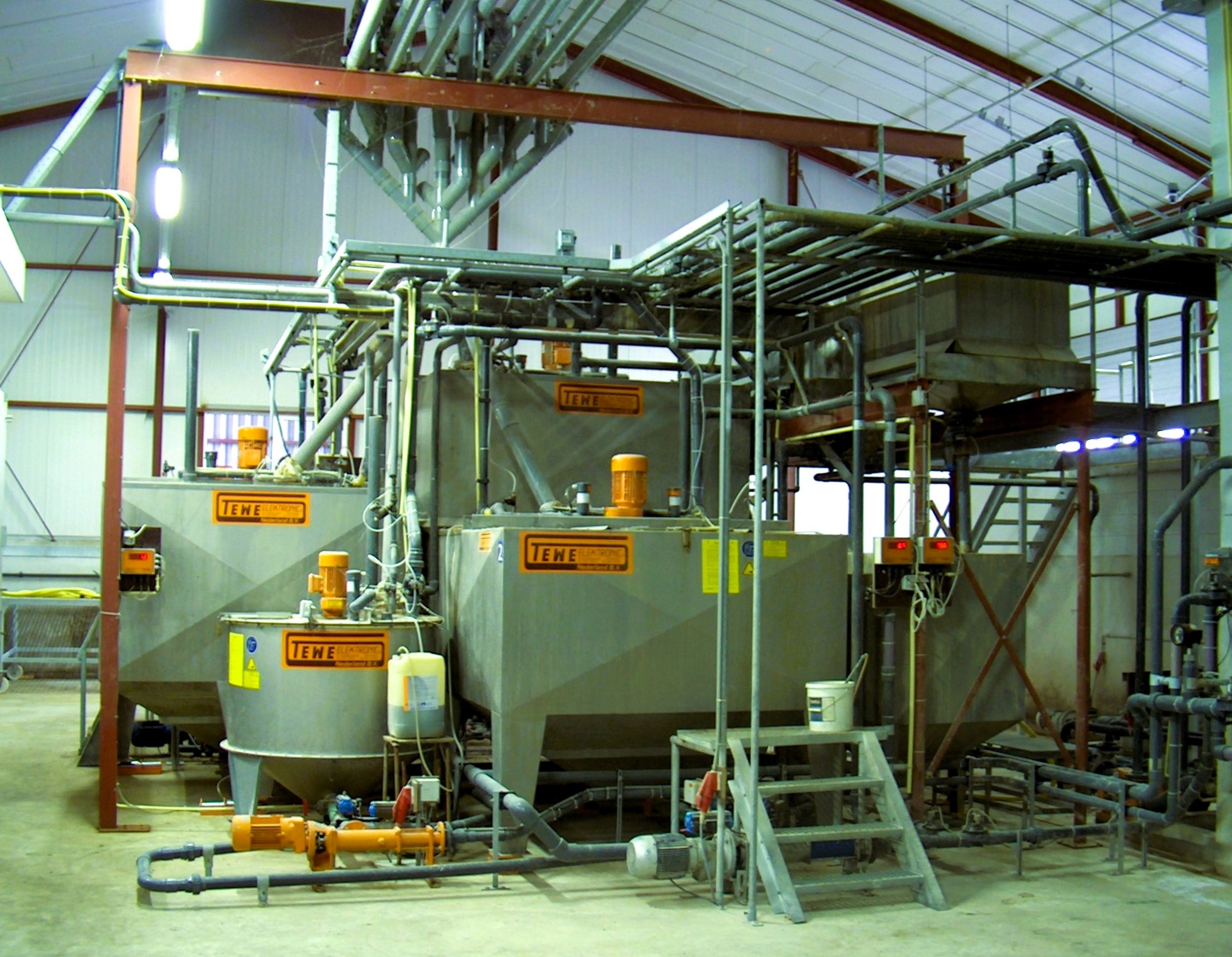 |
- Home
-
Products
- Pig Farming Equipment
- Cattle Farming Equipment
- Sheep & Goat Farming Equipment
- Poultry Farming Equipment
- Feeding & Drinking Systems
- Veterinary & Breeding Equipment
- Testing & Diagnostic Equipment
- Cleaning & Biosecurity Equipment
- Climate Control Equipment
- Livestock Weighing Equipment
- Manure & Waste Management
- Farm Transport & Handling
-
Solutions
- Pig Farm Solutions
- Dairy Farm Solutions
- Beef Cattle Farm Solutions
- Sheep & Goat Farm Solutions
- Layer Farm Solutions
- Broiler Farm Solutions
- Feeding & Drinking System Solutions
- Climate Control Solutions
- Biosecurity & Disinfection Solutions
- Manure & Waste Management
- Smart Farming Solutions
- Farm Renovation and Upgrade Solutions
- Partners
- Projects
- Resources
- News
- About Us
- Contact
Comments & Inquiries
Leave your questions or requirements below. We will reply as soon as possible.