

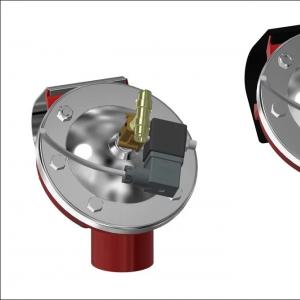
| Product Name | Multi-Barn Liquid Feeding Controller | ||||||||||||||||||||||||||||||
| Product Image |  |
||||||||||||||||||||||||||||||
| Product Overview |
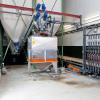
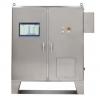
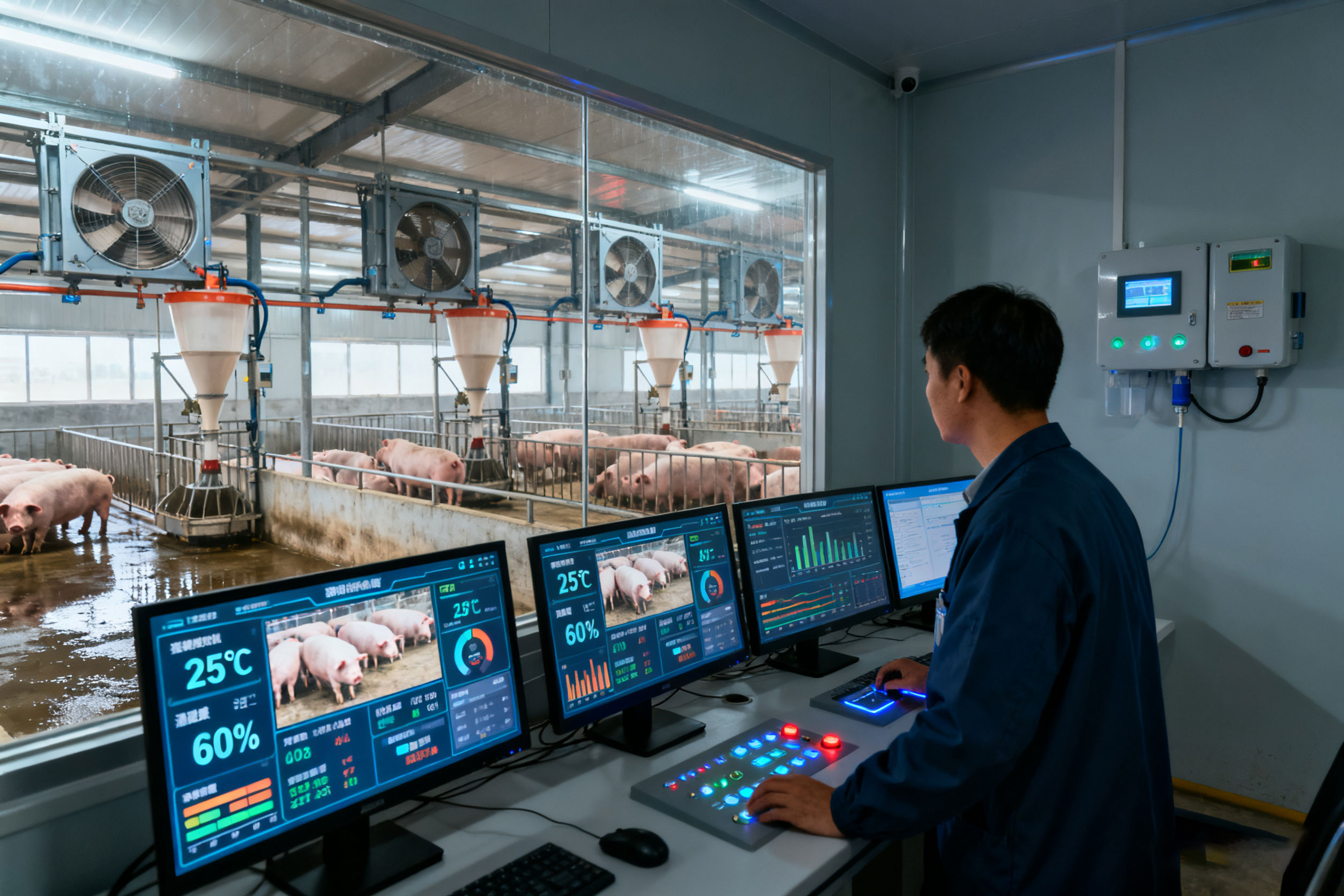
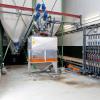
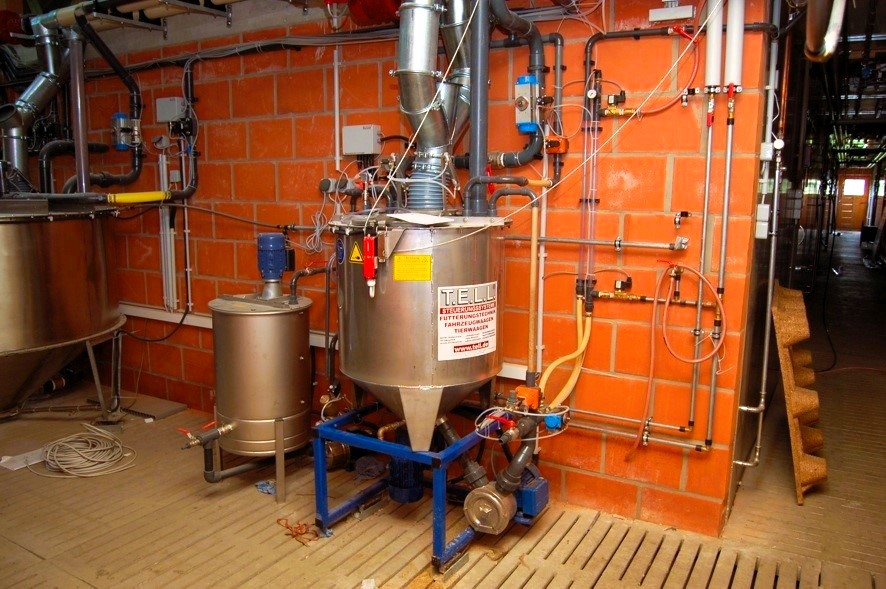
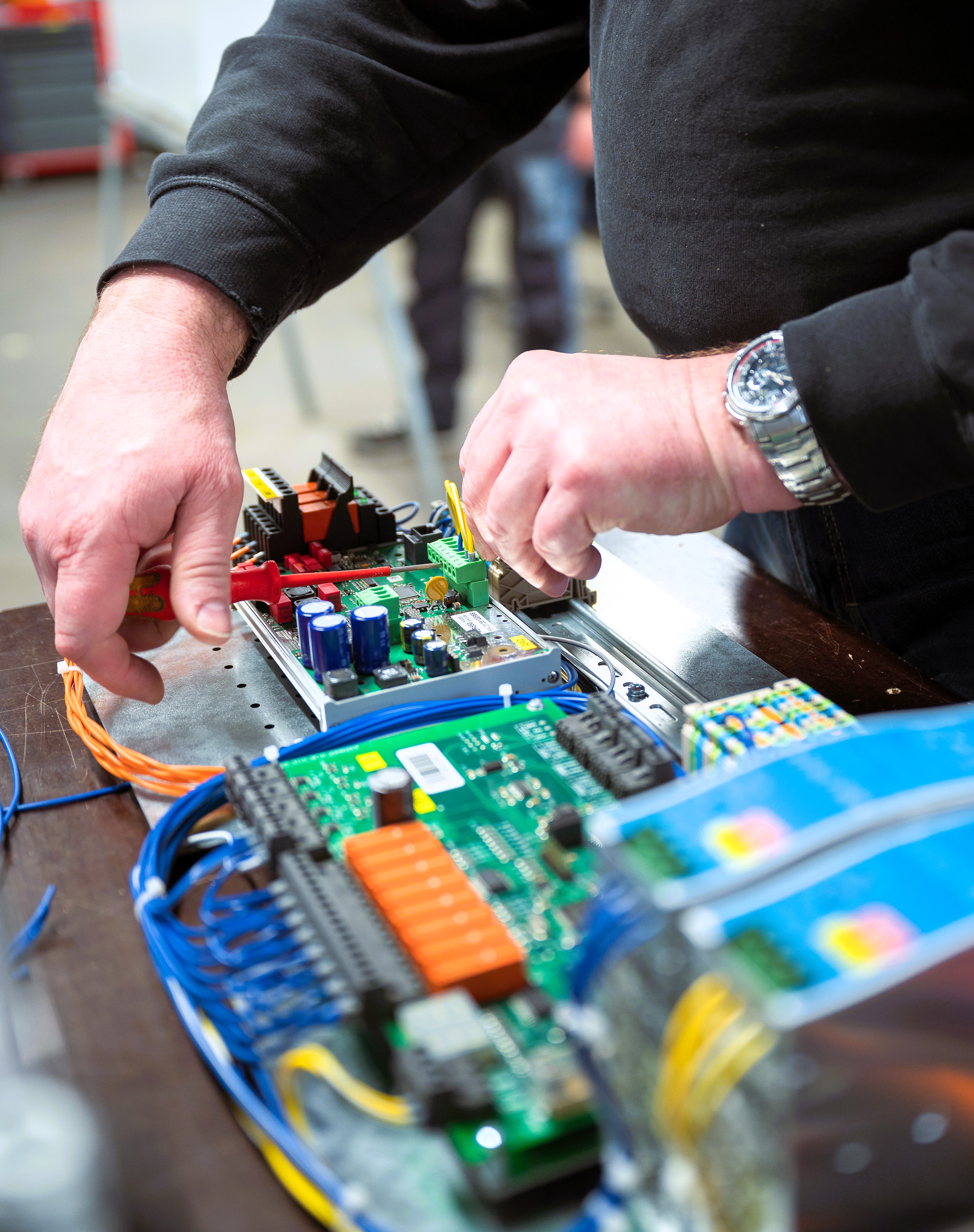
The Multi-Barn Liquid Feeding Controller is an advanced automation platform developed for commercial pig farms that require centralized management of liquid feeding processes across multiple barns, animal groups and feeding circuits. The controller coordinates ingredient dosing, weighing, premixing, feed preparation, pumping, valve operation and distribution according to programmed recipes and feeding schedules. It can manage different feed formulations for sows, piglets, growers and finishing pigs within one integrated control architecture. Modern liquid feeding controls can perform precise fine dosing, automatic correction of ingredient overrun, temperature-controlled mixing and multiple parallel feeding processes. Feed calculations can also be based on dry matter, weight or energy values according to the selected feeding strategy. The system is suitable for new pig farm construction, large livestock production complexes and modernization of existing liquid feeding systems. Hardware, software, I/O capacity and barn communication architecture can be configured according to project requirements. |
||||||||||||||||||||||||||||||
| Key Features |
|
||||||||||||||||||||||||||||||
| Structural Components |
|
||||||||||||||||||||||||||||||
| Working Principle |
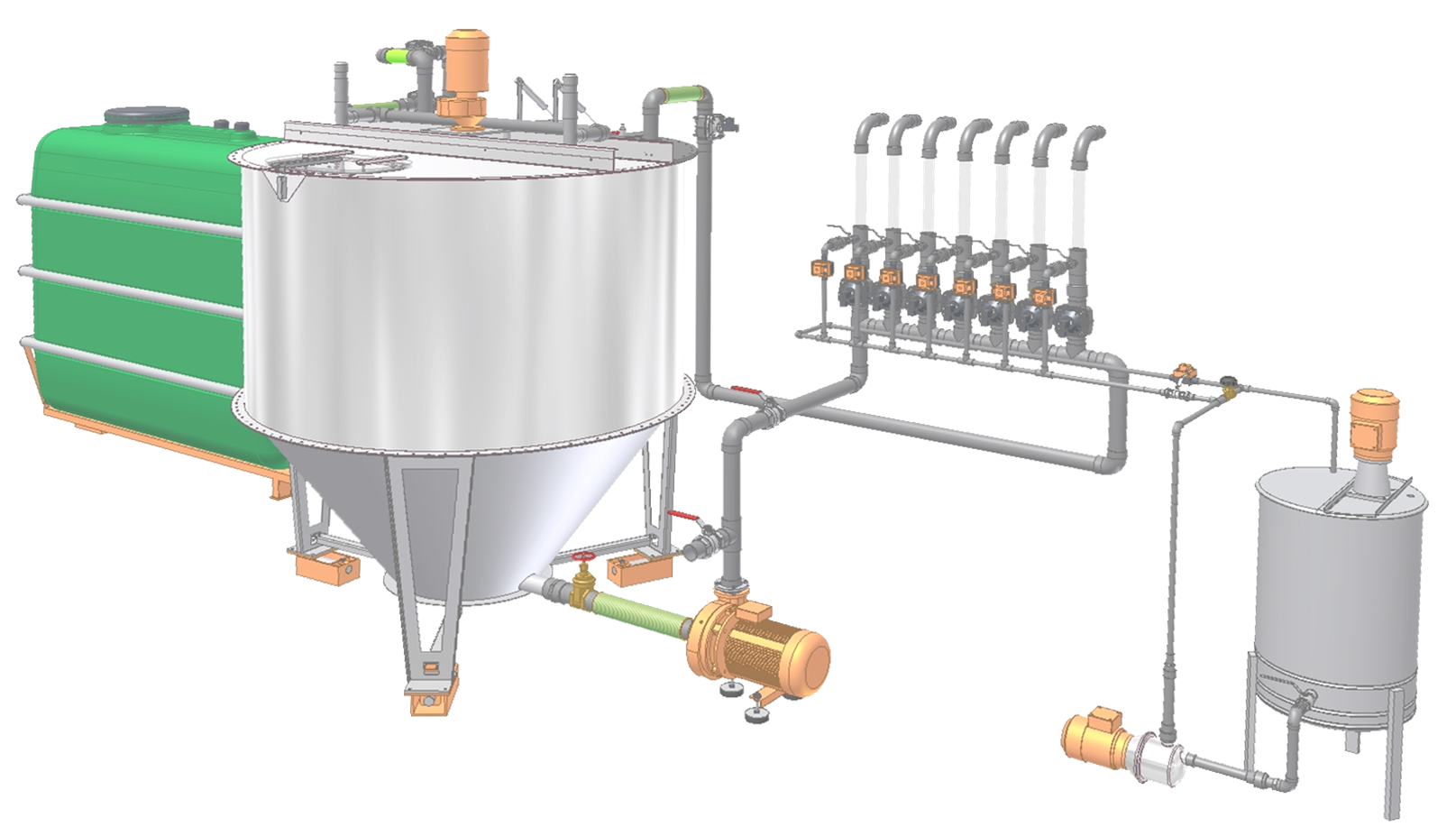
The feeding controller stores individual recipes, feeding curves, barn assignments and feeding schedules. When a feeding cycle begins, the system selects the required recipe and calculates the ingredient quantities for the designated animal group. Dry and liquid components are transferred to the mixing tank under automatic control. Load-cell signals are used to monitor ingredient quantities, while the software can compensate for normal dosing overrun and manage individual premixing times. After preparation, the liquid feed pump transfers the mixture through the selected pipeline. Distribution valves open according to the programmed feeding sequence and deliver the required quantity to the corresponding barn, pen or trough group. Several preparation or distribution processes can be coordinated in parallel where the project configuration permits, helping improve system utilization on large multi-barn farms. Operating information is recorded by the software and can be evaluated for feed consumption, recipe performance, feeding costs, alarms and production management. |
||||||||||||||||||||||||||||||
| Technical Specifications |
|
||||||||||||||||||||||||||||||
| Applications |
|
||||||||||||||||||||||||||||||
| Customization Options |
|
||||||||||||||||||||||||||||||
| Installation & Maintenance |
Control Architecture Planning: Determine the number of barns, feed circuits, tanks, pumps, valves and field devices before selecting the PLC, I/O and network configuration. Controller Location: Install control computers and electrical cabinets in a clean, dry and accessible technical area away from direct wash-down and corrosive barn gases wherever practical. Field Wiring: Sensors, valves, pumps, mixers and weighing devices should be connected according to the approved electrical drawings and clearly identified for future maintenance. Network Commissioning: Communication between the central feed kitchen and individual barns should be tested under actual operating conditions, particularly where conveying distances are long. Recipe Configuration: Set up ingredients, storage locations, recipes, premixing times, feed curves and feeding schedules before production use. Calibration: Load cells, dosing equipment, temperature sensors and other measuring devices should be calibrated before automatic feeding begins. Functional Testing: Verify ingredient dosing, batch portioning, mixing, pump operation, valve sequencing, parallel processes, alarms and emergency stops. Routine Maintenance: Back up control parameters and feeding data regularly. Inspect electrical cabinets, network connections, sensor signals and field equipment, and recalibrate weighing components according to the farm maintenance program. |
||||||||||||||||||||||||||||||
| Project Applications |
In a large commercial pig production complex, one central liquid feed kitchen can prepare different recipes and distribute them to several sow, nursery and finishing barns. The controller assigns each barn its own feed curve, feeding schedule and recipe requirements. Where feeding demand is high, suitable control architecture can coordinate multiple processes simultaneously, such as preparing one batch while another feed circuit is distributing an earlier batch. For modernization projects, existing tanks, pumps, sensors and actuators can be evaluated for integration into a new PLC and supervisory control architecture according to compatibility and project requirements. |
||||||||||||||||||||||||||||||
| Product FAQ |
Q: Can one controller manage several pig barns? A: Yes. The system architecture can be configured to manage multiple barns, feeding circuits and animal groups from one centralized control platform. Q: Can different barns receive different feed recipes? A: Yes. Recipes, feed curves, quantities and feeding schedules can be assigned according to barn, production stage or animal group. Q: How many feed components can the controller handle? A: The final capacity depends on the selected control system. Comparable reference software can dynamically integrate up to 50 components into mixing processes. Q: Can several feeding processes operate at the same time? A: Yes. Suitable control architectures can coordinate parallel operations. Reference software supports up to eight simultaneous processes depending on system configuration. Q: Can the controller manage feed curves? A: Yes. Reference liquid feeding software provides multiple feed curves for sows and finishing pigs, allowing feed quantity to change progressively with animal development. Q: Can feed consumption be analyzed? A: Yes. Compatible software can record and filter consumption data and provide feed and cost analysis functions. Q: Can existing feeding equipment be connected? A: Existing pumps, tanks, valves and sensors can often be integrated after checking electrical signals, communication interfaces and mechanical compatibility. Q: Is the controller suitable for long conveying distances? A: Yes. Suitable liquid feeding control systems are designed to manage long conveying paths and variable conveying conditions. Q: What information is required for a quotation? A: Please provide barn quantity, animal numbers, feeding groups, ingredient quantity, recipe requirements, tank configuration, valve quantity, pipeline distances, required sensors and preferred control functions. |
||||||||||||||||||||||||||||||
| Product Gallery |
|
- Home
-
Products
- Pig Farming Equipment
- Cattle Farming Equipment
- Sheep & Goat Farming Equipment
- Poultry Farming Equipment
- Feeding & Drinking Systems
- Veterinary & Breeding Equipment
- Testing & Diagnostic Equipment
- Cleaning & Biosecurity Equipment
- Climate Control Equipment
- Livestock Weighing Equipment
- Manure & Waste Management
- Farm Transport & Handling
-
Solutions
- Pig Farm Solutions
- Dairy Farm Solutions
- Beef Cattle Farm Solutions
- Sheep & Goat Farm Solutions
- Layer Farm Solutions
- Broiler Farm Solutions
- Feeding & Drinking System Solutions
- Climate Control Solutions
- Biosecurity & Disinfection Solutions
- Manure & Waste Management
- Smart Farming Solutions
- Farm Renovation and Upgrade Solutions
- Partners
- Projects
- Resources
- News
- About Us
- Contact


Comments & Inquiries
Leave your questions or requirements below. We will reply as soon as possible.