

| Product Name | Liquid Feeding Controller | ||||||||||||||||||||||||||||||||
| Product Image |  |
||||||||||||||||||||||||||||||||
| Product Overview |
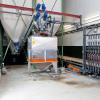
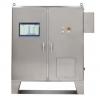
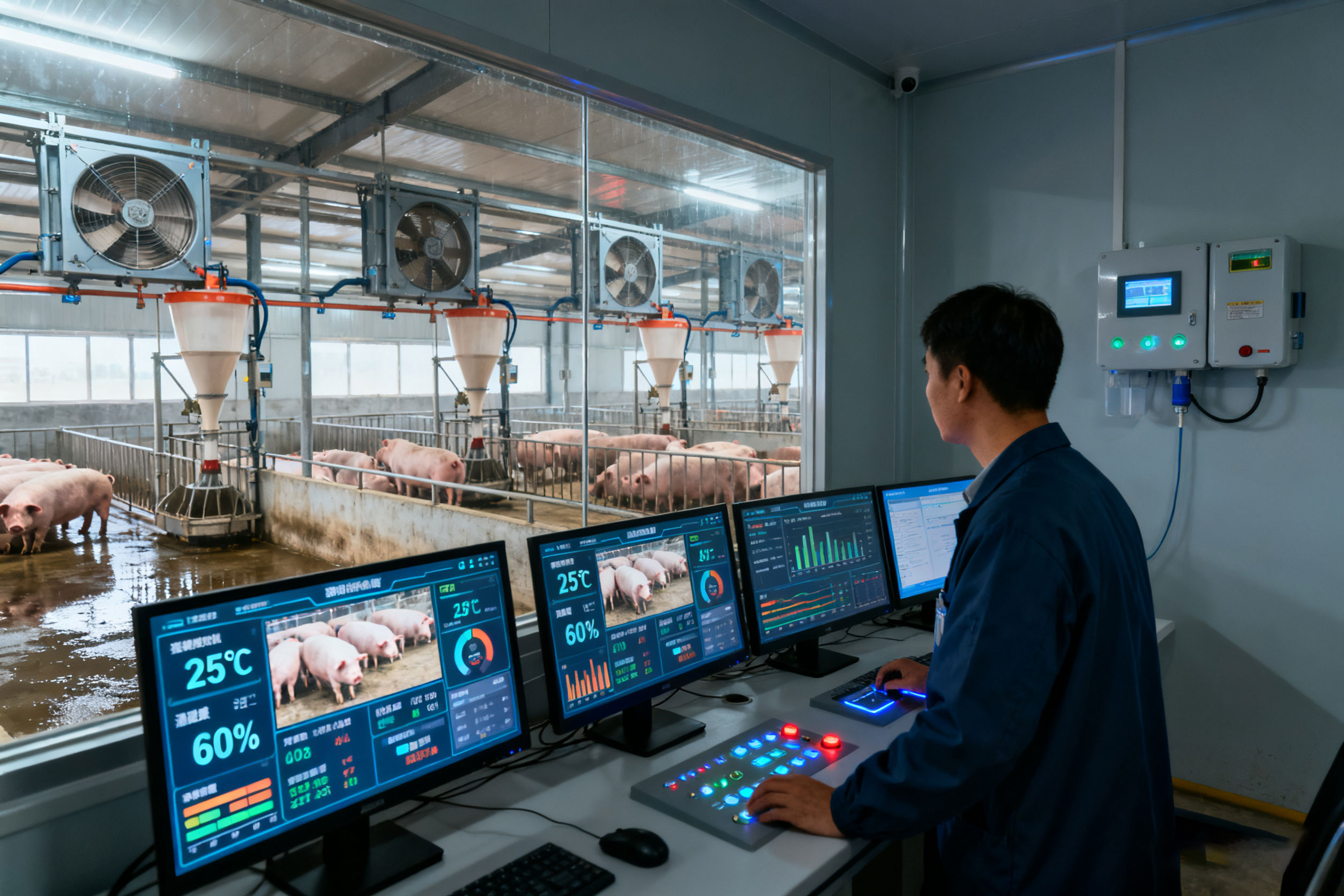
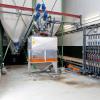
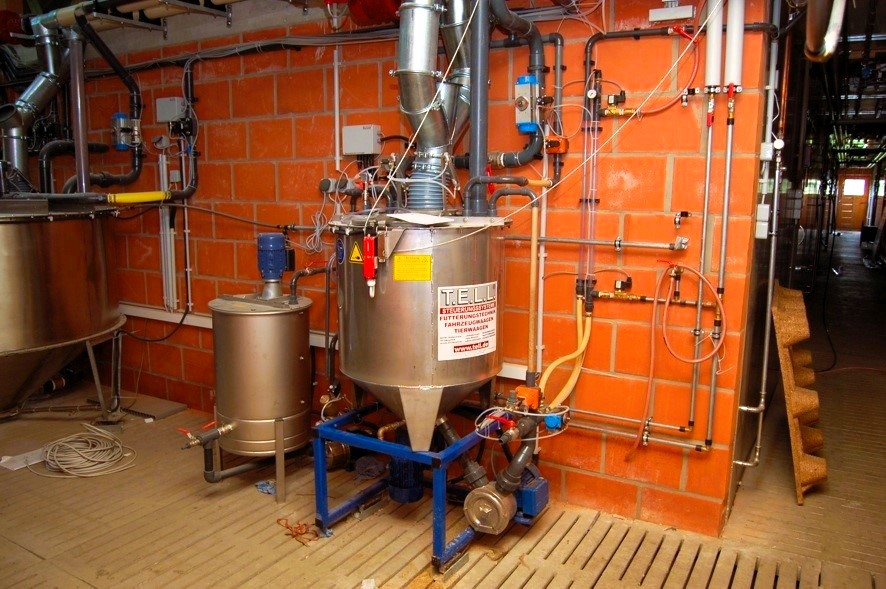
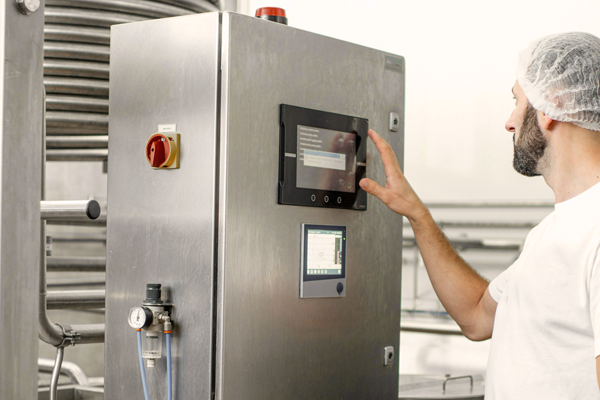
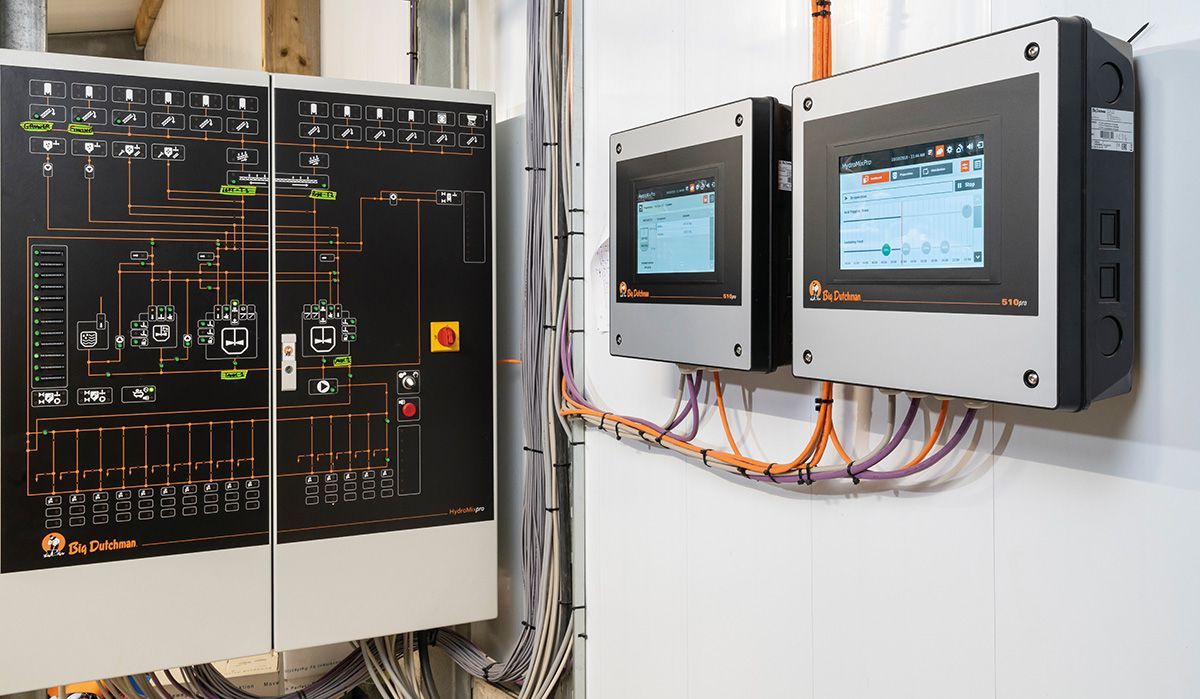
The Liquid Feeding Controller is the central automation and management unit for computer-controlled liquid feeding systems used in commercial pig production. It coordinates ingredient dosing, mixing, weighing, pumping, feed distribution, valve operation, rinsing and process monitoring from one integrated control platform. The controller can manage different feed recipes and feeding curves for sows, piglets, growers and finishing pigs. Ingredients are prepared according to programmed formulations, mixed into a pumpable feed and distributed in controlled quantities to individual feeding valves or animal groups. Reference liquid-feeding systems allow the controller to compare target and actual feed quantities, automatically correct valve delivery, manage multiple recipes and record farm production data. Graphical interfaces simplify operation by displaying system status, recipes, feed curves, alarms and process information in an easy-to-read format. The controller can be integrated into new pig farm construction, feed kitchens, steel structure livestock buildings and existing liquid feeding system modernization projects according to farm size and automation requirements. |
||||||||||||||||||||||||||||||||
| Key Features |
|
||||||||||||||||||||||||||||||||
| Structural Components |
|
||||||||||||||||||||||||||||||||
| Working Principle |
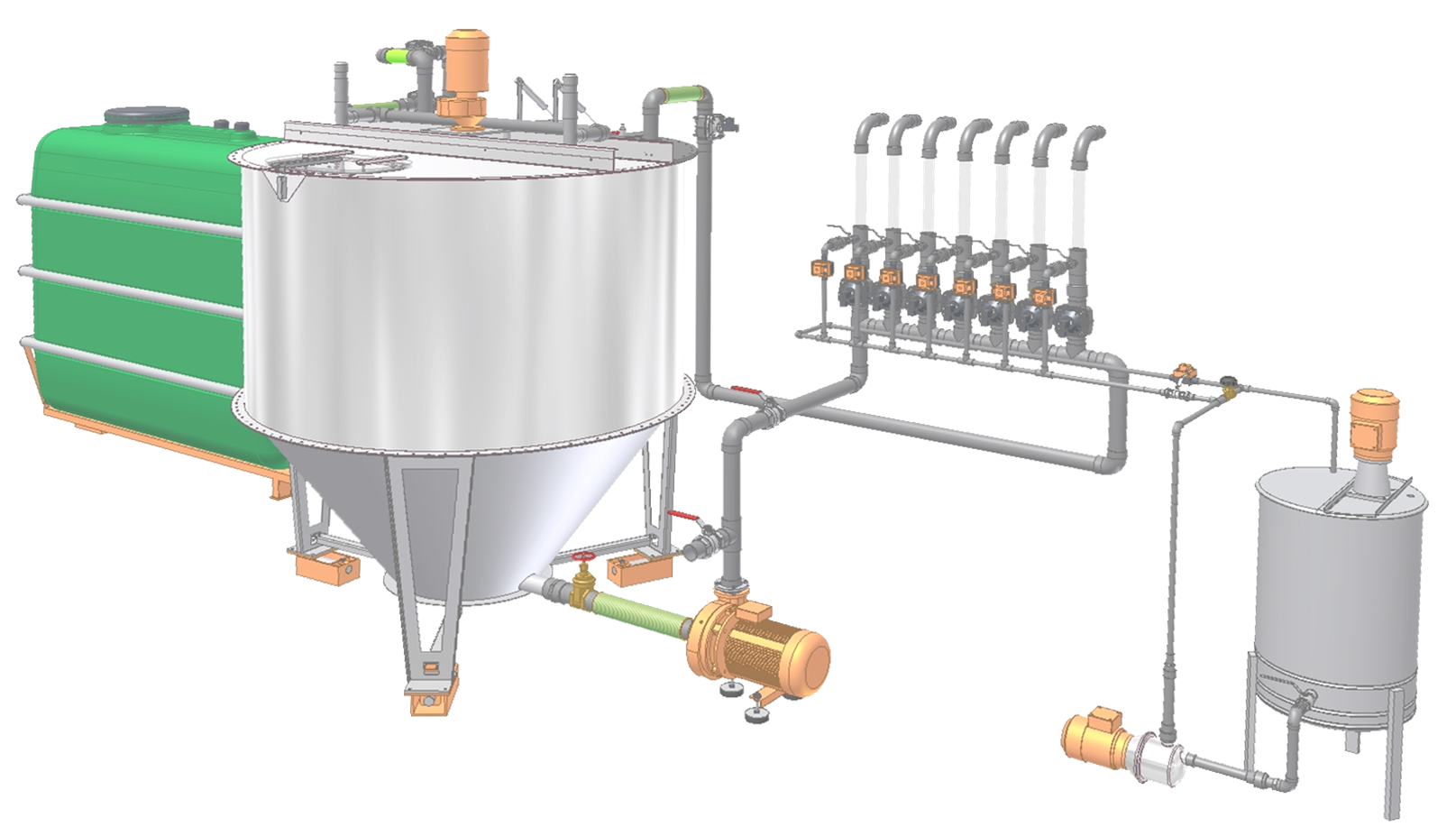
At the beginning of a feeding cycle, the controller identifies the programmed animal group, recipe, feed curve and required quantity. It then activates the corresponding ingredient valves, augers, pumps or dosing devices. Solid and liquid ingredients are introduced into the mixing tank according to programmed target quantities. Load cells or other measuring devices provide continuous feedback so that ingredient dosing can be stopped when the required amount is reached. After mixing, the controller starts the liquid feed pump and operates the required distribution valves in sequence. Feed is transported through the pipeline and delivered to the corresponding pens, feeding stations or animal groups. Compatible controllers can compare the set quantity with the actual delivered amount and automatically compensate for deviations during subsequent feeding cycles. After feed distribution, the controller can initiate pipeline rinsing or residue-free cleaning functions, manage recovered rinse water and record process data for farm analysis. |
||||||||||||||||||||||||||||||||
| Technical Specifications |
|
||||||||||||||||||||||||||||||||
| Applications |
|
||||||||||||||||||||||||||||||||
| Customization Options |
|
||||||||||||||||||||||||||||||||
| Installation & Maintenance |
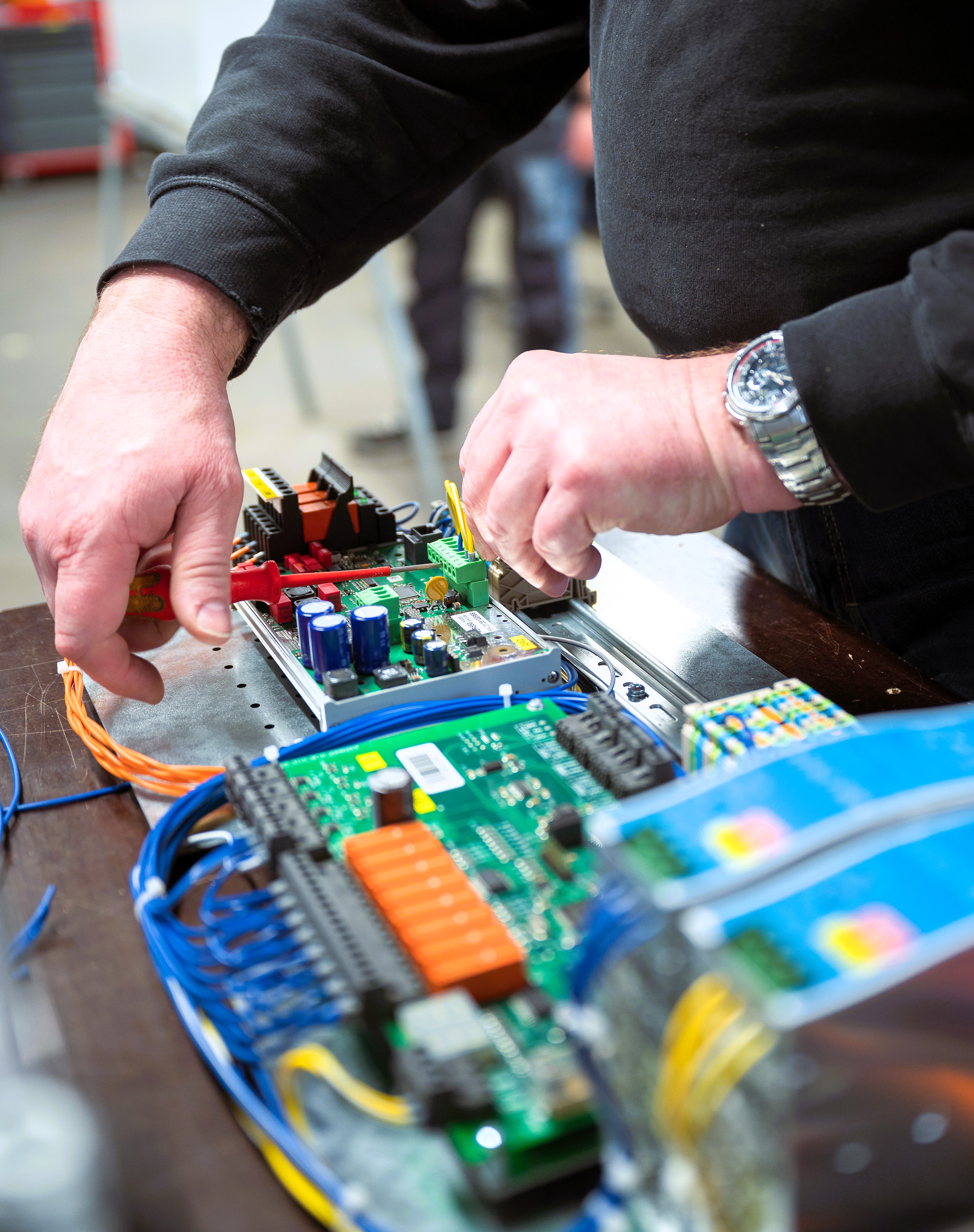
Controller Location: Install the touchscreen controller and main automation cabinet in a dry technical area or corridor wherever practical, away from direct washing, excessive humidity and aggressive barn gases. Electrical Installation: Power, motor, sensor and communication wiring should be separated and installed according to local electrical regulations and the approved project drawings. Field Device Connection: Confirm correct wiring for load cells, level sensors, feed valves, pumps, mixers, pressure sensors and other controlled devices before commissioning. Software Configuration: Enter tank capacities, feed ingredients, recipes, feed curves, valve assignments, feeding times and cleaning parameters according to the actual farm layout. Commissioning: Test each motor, valve and sensor individually before running a complete automatic feeding cycle. Verify weighing calibration and emergency stop functions. Data Backup: Periodic backup of recipes, system settings and production data is recommended where supported by the selected control platform. Routine Maintenance: Keep the cabinet ventilation system clean, inspect terminals and wiring, test alarms and emergency stops, and verify sensor signals and weighing accuracy at scheduled intervals. |
||||||||||||||||||||||||||||||||
| Project Applications |
In a commercial finishing farm, the controller can manage ingredient dosing into a weighed mixing tank, operate the mixer and pump, and distribute different recipes through multiple feed valves according to programmed feeding curves. For sow and piglet production, a single control platform can be configured to manage several production groups with different recipes, feed quantities and feeding times. In residue-free feeding projects, the controller can coordinate feed transport, pipeline flushing, rinse-water recovery and subsequent recipe preparation to improve system hygiene and feeding efficiency. Final system design should be based on animal numbers, number of recipes, tank configuration, pipeline layout, valve quantity, required feed accuracy and preferred farm-management functions. |
||||||||||||||||||||||||||||||||
| Product FAQ |
Q: What does a liquid feeding controller manage? A: It can manage ingredient dosing, mixing, weighing, pumping, feed distribution, valve operation, cleaning cycles, recipes and production data according to system configuration. Q: Can different pig groups receive different feed recipes? A: Yes. Multiple recipes and feed curves can be programmed for different animal groups and production stages. Q: Can individual feed valves be controlled? A: Yes. Compatible liquid feeding systems can assign individual valves to specific pens or feeding groups and control their delivery automatically. Q: Can the controller compare target and actual feed quantities? A: Yes. Reference liquid feeding systems provide target-versus-actual comparison and can automatically correct suitable valve quantities. Q: Can cleaning cycles be automated? A: Yes. Pipeline rinsing, tank cleaning and residue-free feeding sequences can be incorporated into the automatic control program. Q: Can farm staff monitor the system remotely? A: Remote operation, data transfer, backup and alarm notification are available with suitable communication and farm-management software configurations. Q: Can the controller be used for both sows and finishing pigs? A: Yes. Flexible liquid feeding software can be configured for sow, piglet and finishing production depending on the system architecture. Q: What information is required for a quotation? A: Please provide animal numbers, production stages, number of feed recipes, tank configuration, number of feed circuits and valves, pipeline layout, required automation functions, electrical standard and remote-management requirements. |
||||||||||||||||||||||||||||||||
| Product Gallery |
|
- Home
-
Products
- Pig Farming Equipment
- Cattle Farming Equipment
- Sheep & Goat Farming Equipment
- Poultry Farming Equipment
- Feeding & Drinking Systems
- Veterinary & Breeding Equipment
- Testing & Diagnostic Equipment
- Cleaning & Biosecurity Equipment
- Climate Control Equipment
- Livestock Weighing Equipment
- Manure & Waste Management
- Farm Transport & Handling
-
Solutions
- Pig Farm Solutions
- Dairy Farm Solutions
- Beef Cattle Farm Solutions
- Sheep & Goat Farm Solutions
- Layer Farm Solutions
- Broiler Farm Solutions
- Feeding & Drinking System Solutions
- Climate Control Solutions
- Biosecurity & Disinfection Solutions
- Manure & Waste Management
- Smart Farming Solutions
- Farm Renovation and Upgrade Solutions
- Partners
- Projects
- Resources
- News
- About Us
- Contact


Comments & Inquiries
Leave your questions or requirements below. We will reply as soon as possible.