

| Product Name | Liquid Feed Flow Controller | ||||||||||||||||||||||||
| Product Image |  |
||||||||||||||||||||||||
| Product Overview |
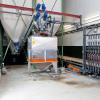
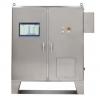
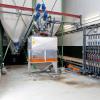
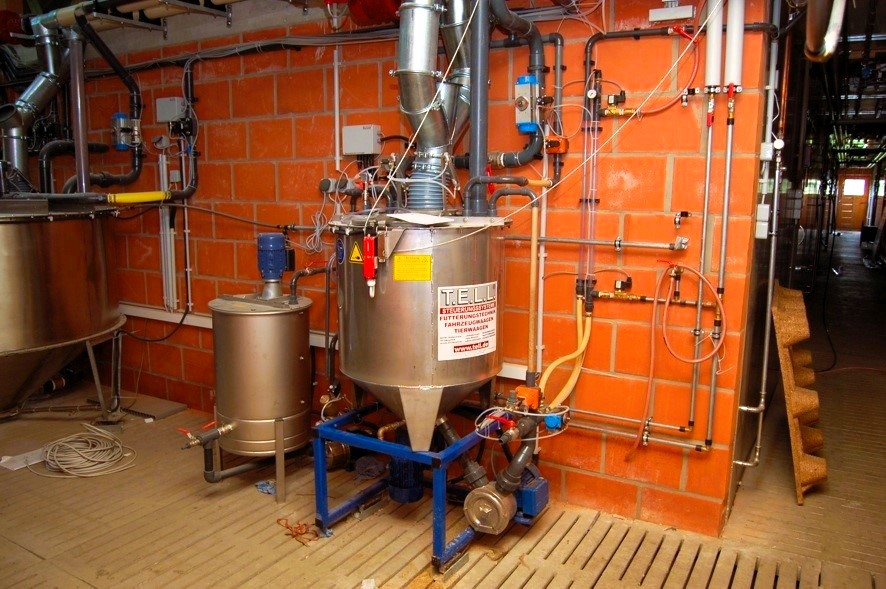
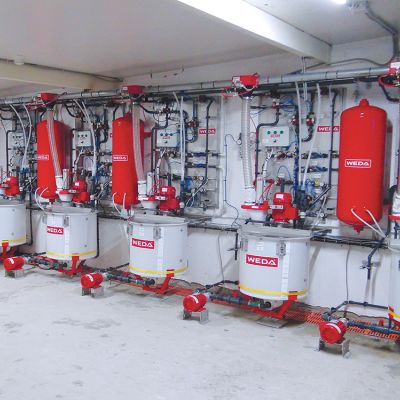
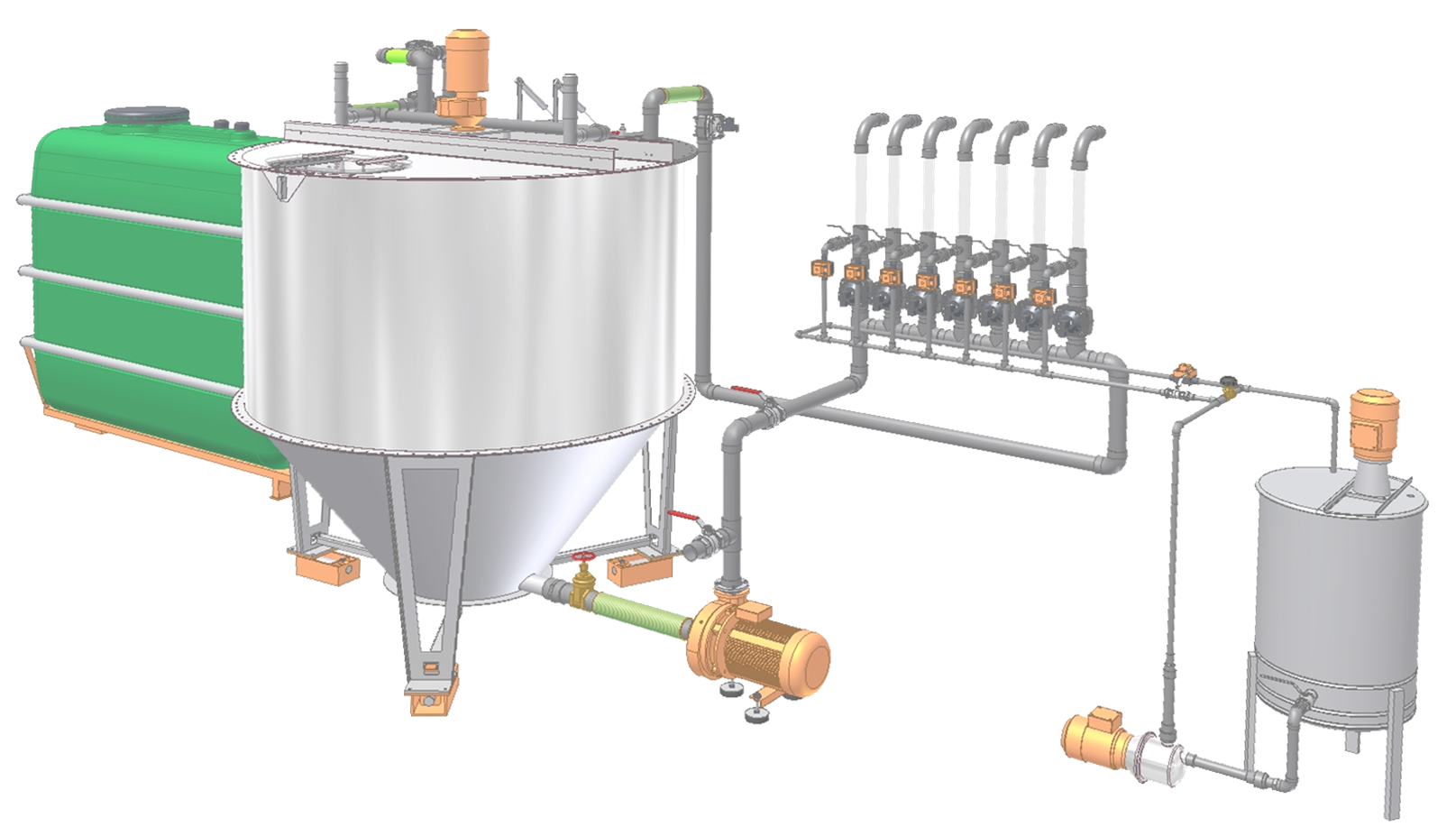
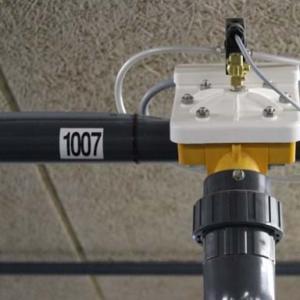
The Liquid Feed Flow Controller is an automatic flow-measurement and pump-control solution designed for liquid feeding systems in commercial pig farms. It monitors the actual flow of liquid feed or process water in the distribution pipeline and can work with a frequency converter to regulate feed-pump speed. In a typical system, an electromagnetic flow meter is installed downstream of the feed pump. The measuring device determines the outgoing liquid flow independently of fluctuations in the mixing-tank weighing signal, providing an additional reference for accurate feed distribution. When combined with variable-frequency pump control, the system can maintain a more stable flow rate even when pipeline pressure changes between nearby and distant feeding valves. This supports uniform discharge, improved dosing accuracy and lower mechanical stress on pumps, pipelines and valve components. The controller is suitable for new pig farm construction, liquid feed kitchen upgrades and integrated livestock equipment projects using conventional, ring-line or residue-free liquid feeding concepts. |
||||||||||||||||||||||||
| Key Features |
|
||||||||||||||||||||||||
| Structural Components |
|
||||||||||||||||||||||||
| Working Principle |
Liquid feed leaves the mixing tank through the feed pump and passes through an electromagnetic flow-measuring section installed in the delivery pipeline. The electromagnetic meter measures the flow velocity of the electrically conductive liquid without mechanical moving parts. The measured value is converted into a flow signal and transmitted to the liquid feeding controller. The controller compares the actual flow with the programmed target. If the measured flow is too high or too low, it sends a control signal to the frequency converter, which changes the rotational speed of the feed pump. This closed-loop regulation helps maintain a consistent flow through the distribution line even when pressure conditions vary as different feed valves open or close. In residue-free systems, direct flow measurement can also help determine the actual quantity of transport or rinse water moving through the circuit without depending exclusively on scale readings from the mixing tank. |
||||||||||||||||||||||||
| Technical Specifications |
|
||||||||||||||||||||||||
| Applications |
|
||||||||||||||||||||||||
| Customization Options |
|
||||||||||||||||||||||||
| Installation & Maintenance |
Flowmeter Position: Install the measuring device in the liquid feed delivery line after the pump at a location that allows stable, completely filled pipe conditions. Pipe Alignment: The flow meter should be installed without excessive mechanical stress from the connected piping. Suitable supports should be provided where required. Electrical Connection: Connect the flow transmitter, frequency converter and feeding controller according to the project electrical diagram and local electrical standards. Parameter Setup: Configure pipe diameter, flow range, target flow rate and control limits before automatic operation. Commissioning: Verify meter direction, zero condition, actual flow response, pump-speed adjustment and valve discharge behavior throughout the feeding circuit. Cleaning: The measuring tube should be incorporated into the regular liquid feeding system rinsing and hygiene program to prevent material buildup. Routine Maintenance: Inspect electrical connections, measuring electrodes, pipe seals, frequency converter and pump operating condition. Recheck calibration or flow performance if system piping or pump configuration is modified. |
||||||||||||||||||||||||
| Project Applications |
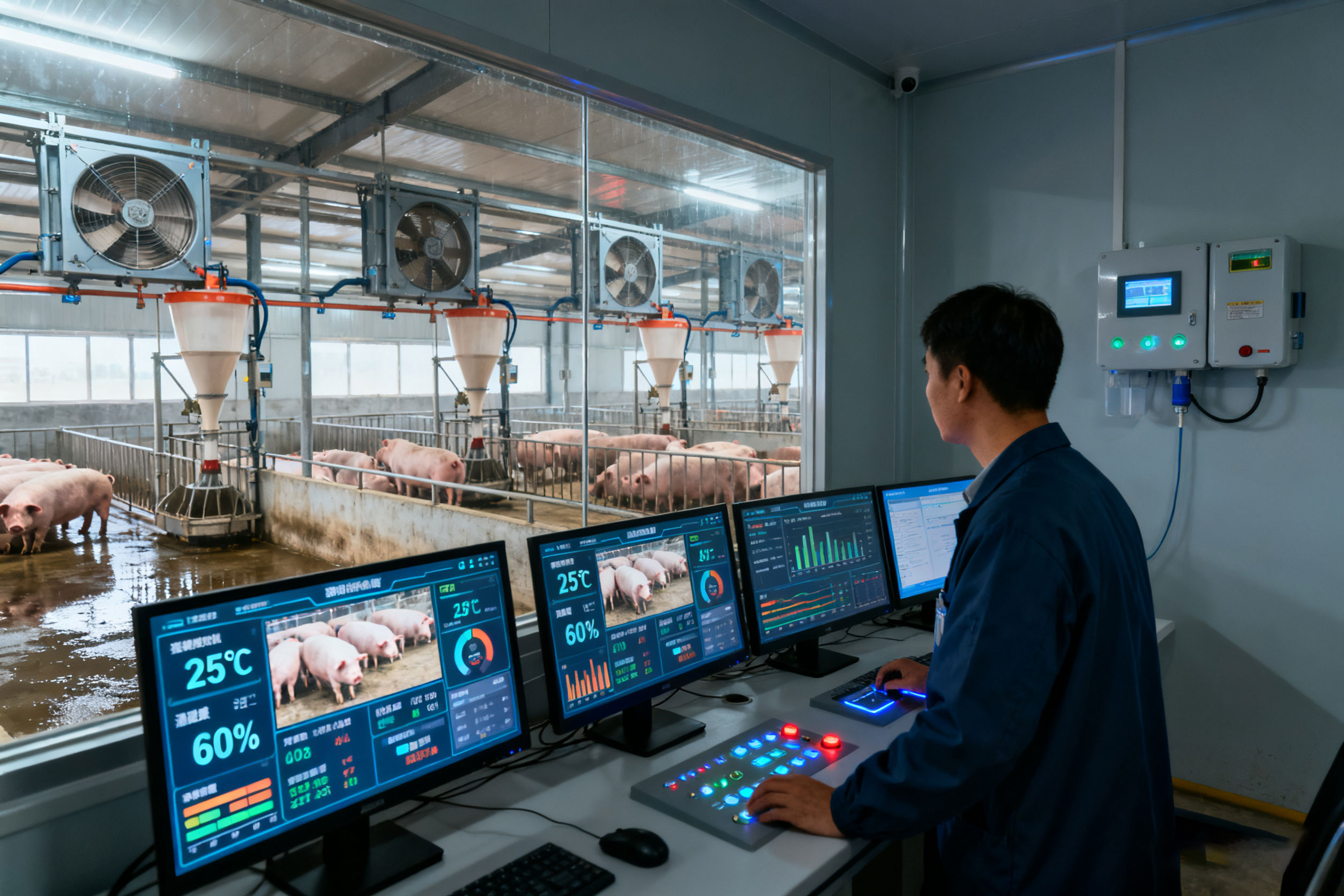
In a commercial finishing farm, the controller can maintain a consistent liquid-feed flow as distribution moves between valves positioned at different distances from the feed kitchen. The frequency converter adjusts pump speed according to the measured flow instead of operating the pump continuously at maximum output. For residue-free liquid feeding, electromagnetic flow measurement can be used to determine outgoing feed or water independently of movement-related variations in the mixing-tank weighing signal. This helps improve control of transport water and feed-column movement. :contentReference[oaicite:1]{index=1} Final system sizing should consider pump capacity, pipe diameter, feeding distance, number of valves, liquid-feed consistency, required dosing accuracy and the hydraulic resistance of the complete distribution network. |
||||||||||||||||||||||||
| Product FAQ |
Q: What is a liquid feed flow controller? A: It is a control system that monitors actual liquid flow in the feeding pipeline and can adjust feed-pump speed to maintain the required flow rate. Q: Why use electromagnetic flow measurement? A: Electromagnetic meters have no mechanical measuring elements in the flow path and are suitable for measuring electrically conductive liquids such as many liquid-feed mixtures and process water. Q: Is the measurement independent of the mixing-tank scale? A: Yes. In the reference system, outgoing feed or water is measured downstream of the pump independently of the tank scale value. :contentReference[oaicite:2]{index=2} Q: Can the controller automatically adjust pump speed? A: Yes. Compatible feeding software can work with a frequency converter to regulate the pump continuously and maintain the target flow. :contentReference[oaicite:3]{index=3} Q: Does variable flow control help reduce splashing? A: Yes. Lower and more controlled dispensing pressure can reduce splashing at the trough and help limit feed losses. :contentReference[oaicite:4]{index=4} Q: Can it be added to an existing liquid feeding system? A: Retrofit installation is possible when the existing pump, motor, pipeline, controller and electrical system are compatible with the required flow meter and variable-frequency control. Q: Can the system measure rinse water as well as feed? A: Yes. The reference flow-measuring concept can measure outgoing feed or water and is particularly useful in residue-free liquid feeding systems. :contentReference[oaicite:5]{index=5} Q: What information is required for a quotation? A: Please provide required flow rate, pipeline diameter, feed-pump capacity, motor power, liquid-feed characteristics, maximum feeding distance, valve quantity, electrical supply and existing controller information. |
||||||||||||||||||||||||
| Product Gallery |
|
- Home
-
Products
- Pig Farming Equipment
- Cattle Farming Equipment
- Sheep & Goat Farming Equipment
- Poultry Farming Equipment
- Feeding & Drinking Systems
- Veterinary & Breeding Equipment
- Testing & Diagnostic Equipment
- Cleaning & Biosecurity Equipment
- Climate Control Equipment
- Livestock Weighing Equipment
- Manure & Waste Management
- Farm Transport & Handling
-
Solutions
- Pig Farm Solutions
- Dairy Farm Solutions
- Beef Cattle Farm Solutions
- Sheep & Goat Farm Solutions
- Layer Farm Solutions
- Broiler Farm Solutions
- Feeding & Drinking System Solutions
- Climate Control Solutions
- Biosecurity & Disinfection Solutions
- Manure & Waste Management
- Smart Farming Solutions
- Farm Renovation and Upgrade Solutions
- Partners
- Projects
- Resources
- News
- About Us
- Contact



Comments & Inquiries
Leave your questions or requirements below. We will reply as soon as possible.