

| Product Name | Piglet Liquid Feeding Controller | ||||||||||||||||||||||||||||
| Product Image | 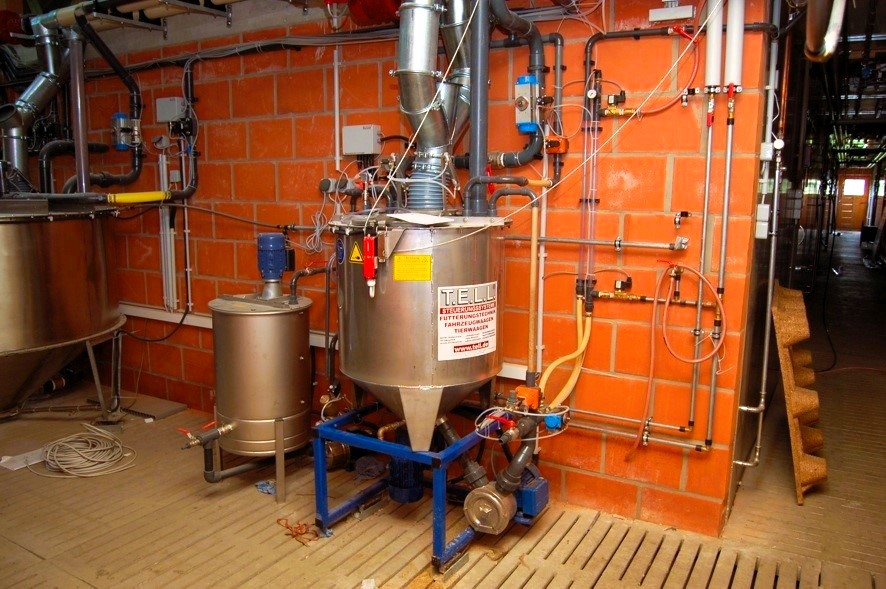 |
||||||||||||||||||||||||||||
| Product Overview |
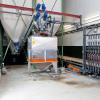
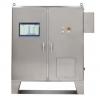
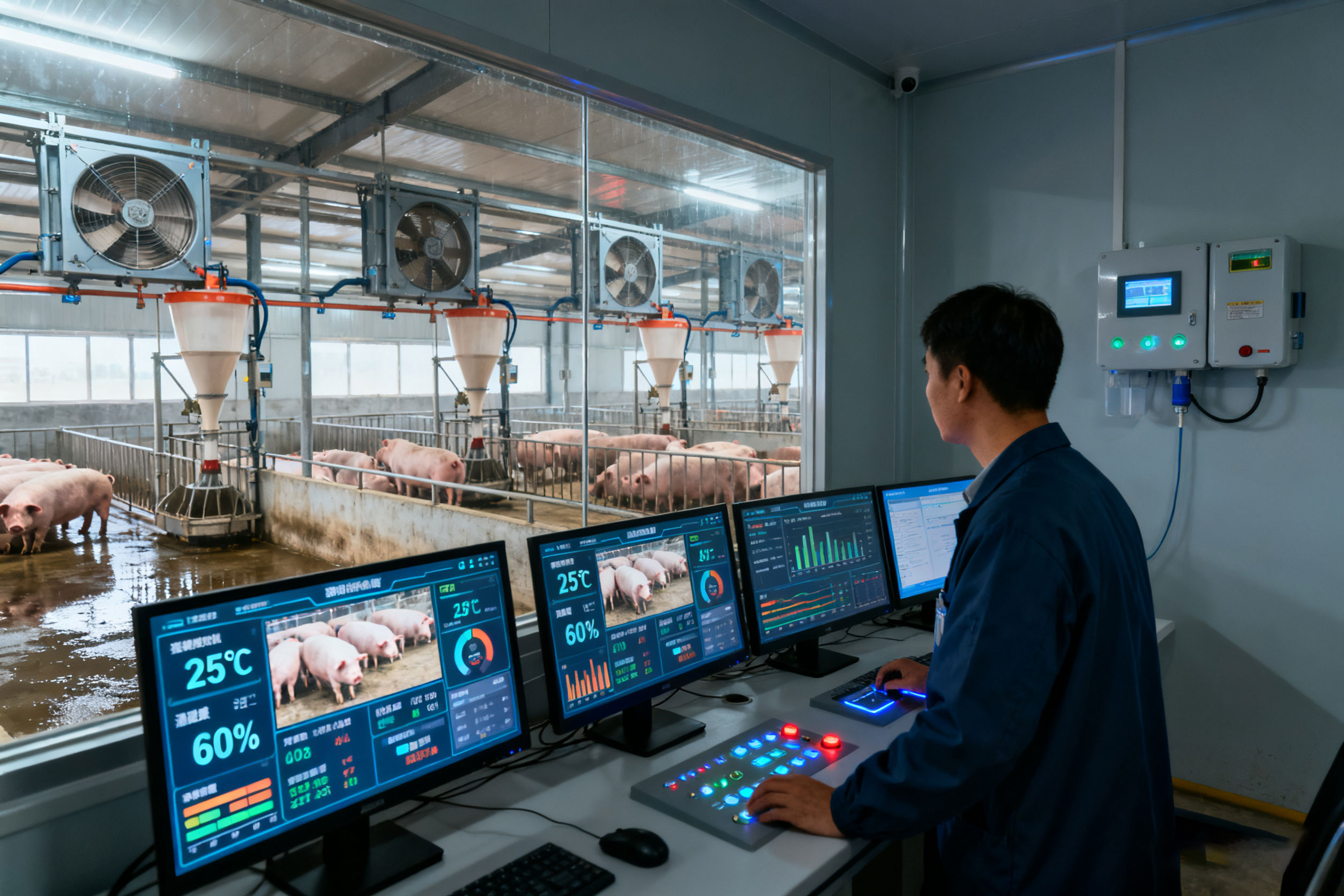
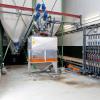
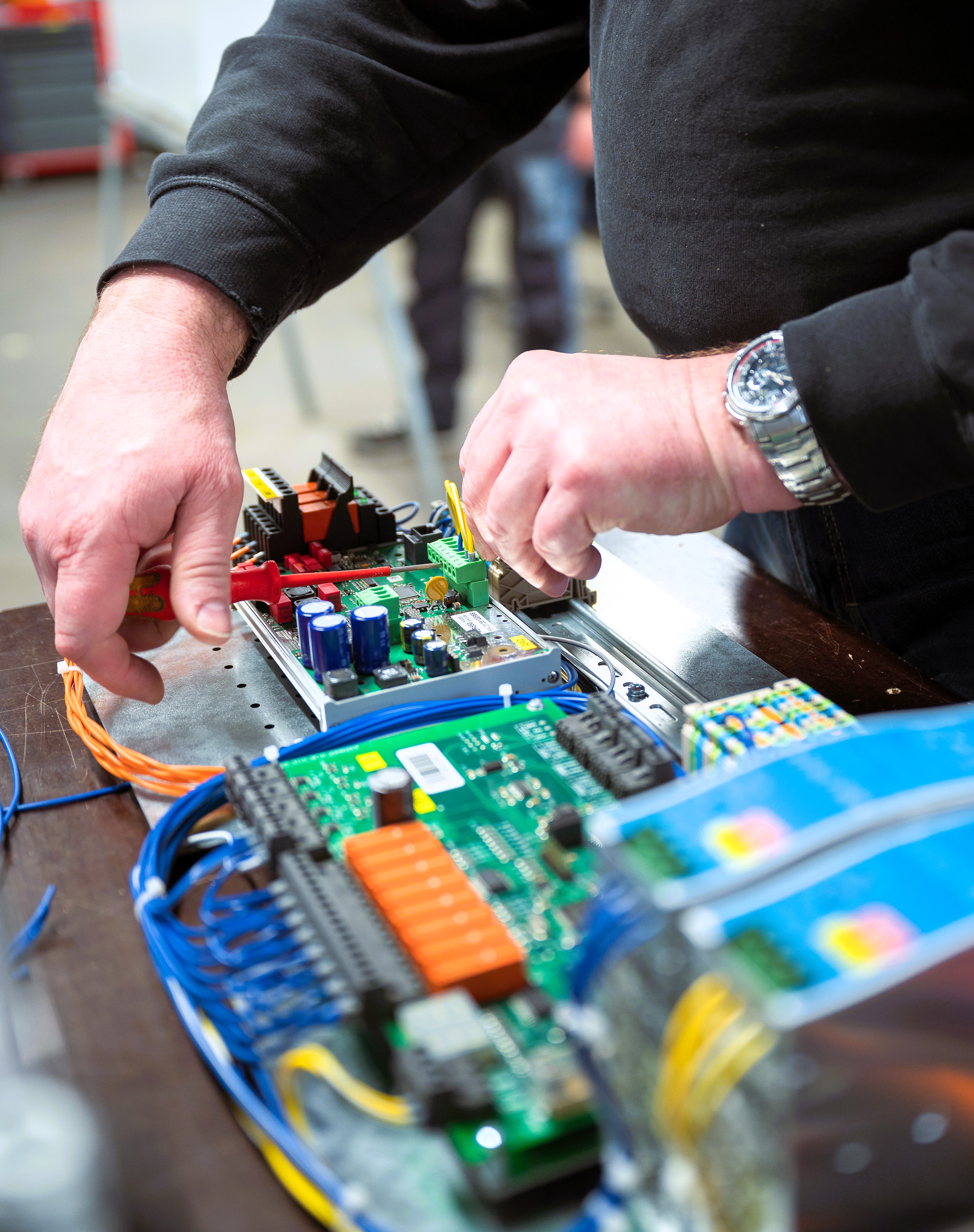
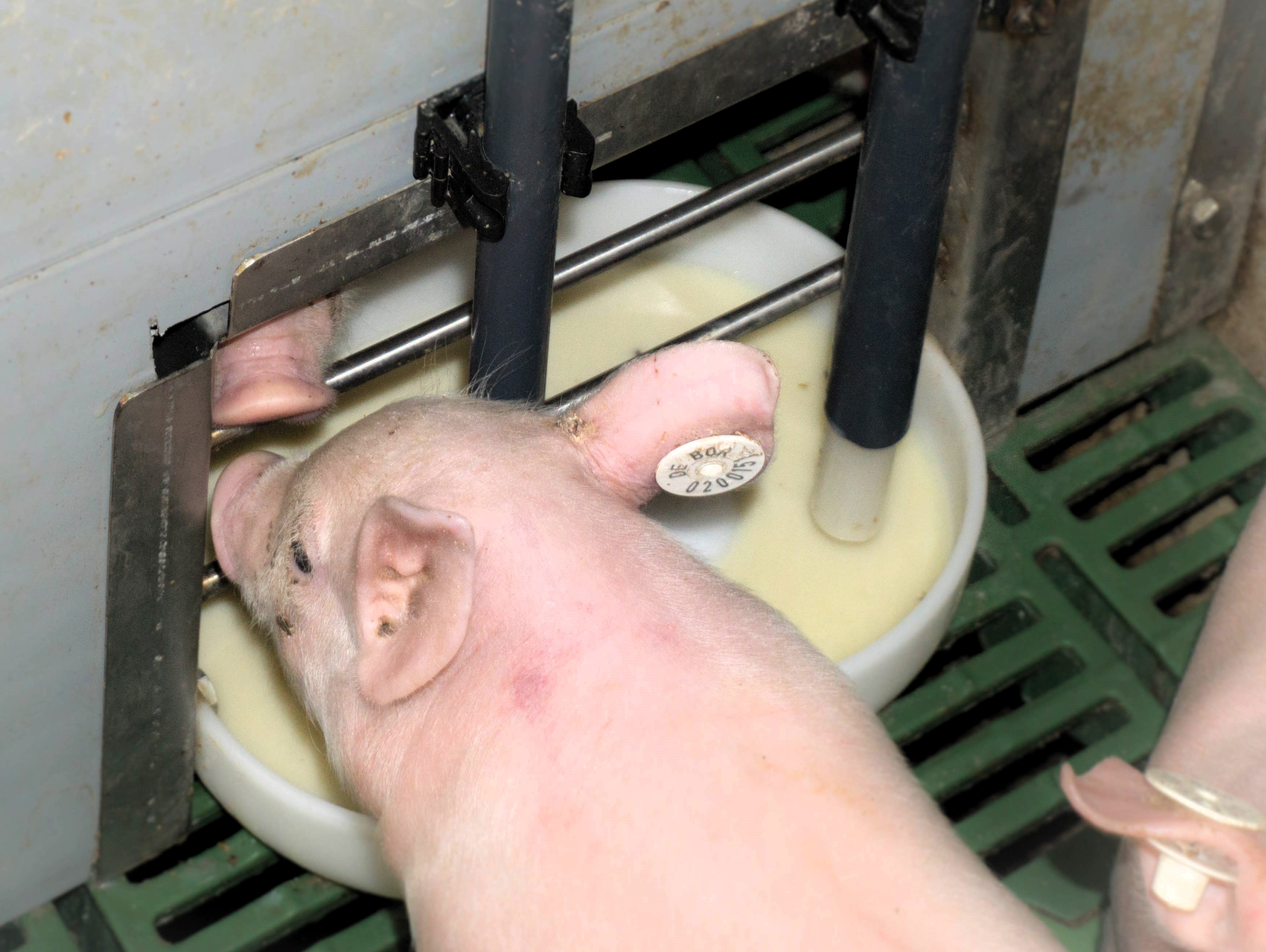
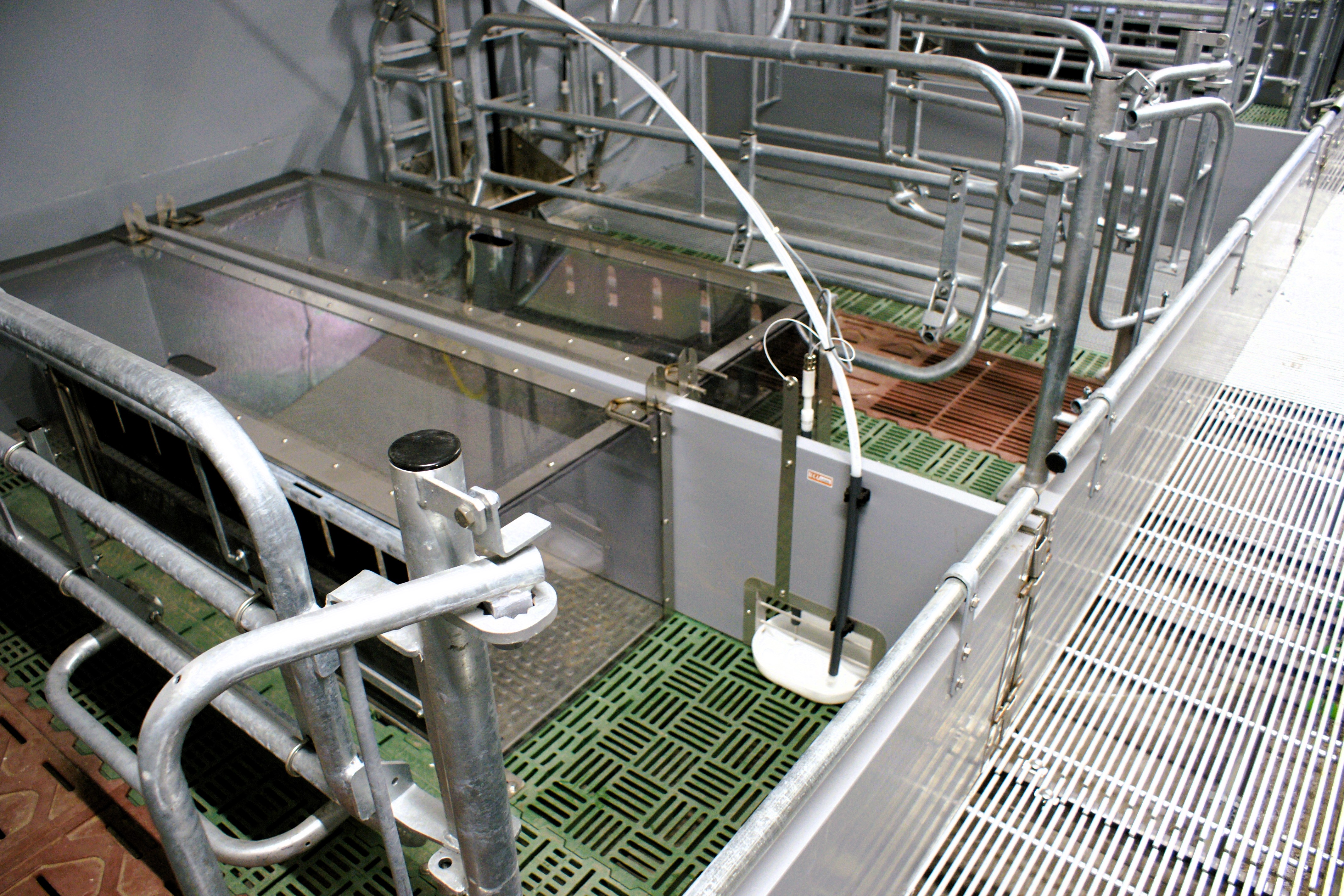
The Piglet Liquid Feeding Controller is an automated control system developed for precision liquid feeding in piglet-rearing and nursery facilities. It coordinates feed preparation, ingredient dosing, mixing, pumping, feeding schedules and distribution to provide fresh liquid feed according to the nutritional requirements of young pigs. The controller can manage different liquid feed recipes and feeding curves as piglets progress through the rearing period. It can also be combined with trough sensors so that feed is supplied in small, controlled portions according to actual feeding conditions. Liquid piglet feeding can be configured for short, long or round troughs as well as compatible mash feeding equipment. Automated control reduces repetitive manual work while allowing precise dosing and blending of different feed ingredients. The system is suitable for new pig farm construction, nursery-house modernization and integrated livestock equipment projects where feeding accuracy, hygiene, flexibility and automated production management are priorities. |
||||||||||||||||||||||||||||
| Key Features |
|
||||||||||||||||||||||||||||
| Structural Components |
|
||||||||||||||||||||||||||||
| Working Principle |
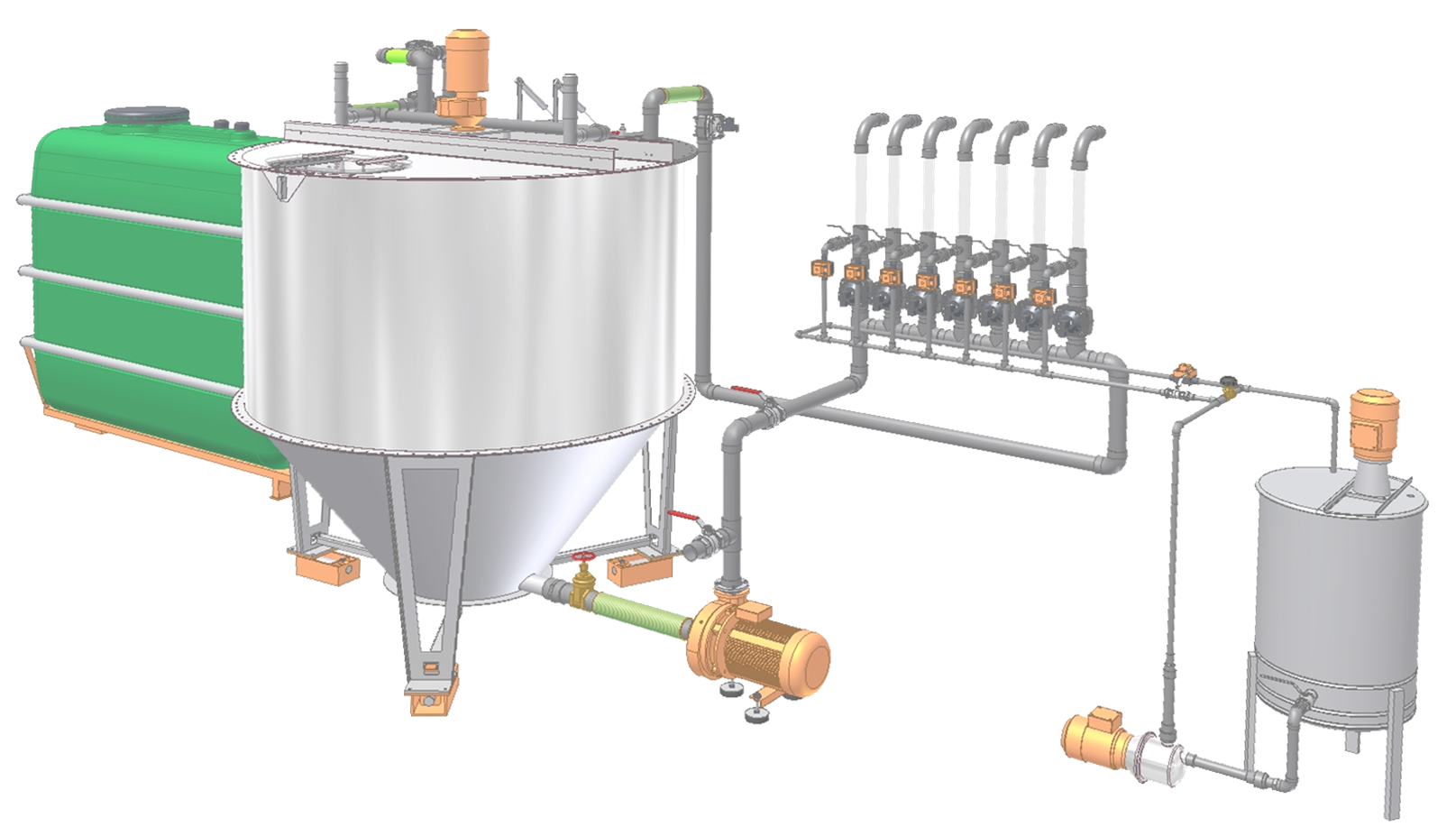
The controller stores the feeding schedule and recipe assigned to each piglet group. When a feeding cycle begins, the system activates the required ingredient dosing equipment and transfers the programmed quantities into the mixing tank. Water and feed components are blended until a homogeneous liquid or mash feed is prepared. Load cells, level sensors or other suitable measuring devices provide process feedback to the controller. The liquid feed pump then transports the mixture through the distribution pipeline. The controller opens selected valves and distributes the programmed portions to the required troughs or feeding stations. When trough sensors are included, the controller can use feed-level information to determine whether another portion is required. This enables small quantities of fresh feed to be supplied according to actual consumption conditions. After the feeding cycle, automatic flushing or no-residue cleaning sequences can be activated according to the system design to improve pipeline hygiene before the next recipe is prepared. |
||||||||||||||||||||||||||||
| Technical Specifications |
|
||||||||||||||||||||||||||||
| Applications |
|
||||||||||||||||||||||||||||
| Customization Options |
|
||||||||||||||||||||||||||||
| Installation & Maintenance |
Controller Installation: Install the controller and electrical equipment in a dry and accessible technical area with reliable power and communication connections. Equipment Connection: Connect the mixing tank, pump, valves, weighing equipment and sensors according to the approved project wiring and piping plan. Recipe Setup: Program feed ingredients, mixing ratios, piglet groups, feeding curves, feeding times and target quantities before automatic operation. Sensor Calibration: Load cells and relevant process sensors should be calibrated and tested before commissioning. Feeding Test: Verify ingredient dosing, mixing, pumping, valve operation and trough delivery using a controlled commissioning sequence. Cleaning Verification: Check that tanks, pipes and feeding points can be completely rinsed according to the hygiene program. Routine Maintenance: Inspect electrical connections, pumps, valves and sensors regularly. Back up feeding programs and operating parameters and review alarm records according to the farm maintenance schedule. |
||||||||||||||||||||||||||||
| Project Applications |
In a commercial nursery project, the controller can prepare different liquid feed recipes for successive piglet growth stages and distribute them to separate feeding groups according to programmed schedules. For sensor-controlled installations, trough sensors can monitor feed availability so that small portions of fresh feed are supplied according to actual demand. This can reduce excessive feed remaining in the trough while maintaining frequent access to fresh feed. Where high hygiene standards are required, the controller can be combined with suitable no-residue feeding and pipeline rinsing technology so that feed does not remain unnecessarily in the distribution system between feeding cycles. Final system configuration should be based on piglet numbers, feed formulation, number of feeding groups, trough layout, mixing capacity, pipeline distance and required automation level. |
||||||||||||||||||||||||||||
| Product FAQ |
Q: What does a piglet liquid feeding controller manage? A: It can manage feed recipes, ingredient dosing, mixing, pumps, feeding valves, feeding schedules, sensors and cleaning sequences according to the selected system configuration. Q: Can different piglet groups receive different recipes? A: Yes. Multiple recipes and feeding curves can be assigned according to age, production stage and nutritional requirements. Q: Can trough sensors be connected? A: Yes. Compatible sensors can detect feed conditions in the trough and provide feedback for demand-based feeding. Q: Can the system deliver small portions frequently? A: Yes. Suitable automated configurations can provide multiple small feeding portions throughout the day according to programmed schedules or sensor feedback. Q: Can liquid and dry ingredients be blended? A: Yes. Compatible liquid feeding systems can dose and blend several suitable feed ingredients according to programmed formulations. Q: Can the controller manage pipeline cleaning? A: Yes. Suitable configurations can control rinse-water valves, pumps and no-residue cleaning sequences. Q: Can the controller be integrated into an existing system? A: Integration is possible when existing pumps, valves, weighing equipment, communication interfaces and feeding lines are technically compatible. Q: What information is required for a quotation? A: Please provide piglet numbers, age or weight ranges, feeding groups, feed ingredients, recipe requirements, tank configuration, trough quantity, pipeline layout, sensor requirements and preferred automation functions. |
||||||||||||||||||||||||||||
| Product Gallery |
|
- Home
-
Products
- Pig Farming Equipment
- Cattle Farming Equipment
- Sheep & Goat Farming Equipment
- Poultry Farming Equipment
- Feeding & Drinking Systems
- Veterinary & Breeding Equipment
- Testing & Diagnostic Equipment
- Cleaning & Biosecurity Equipment
- Climate Control Equipment
- Livestock Weighing Equipment
- Manure & Waste Management
- Farm Transport & Handling
-
Solutions
- Pig Farm Solutions
- Dairy Farm Solutions
- Beef Cattle Farm Solutions
- Sheep & Goat Farm Solutions
- Layer Farm Solutions
- Broiler Farm Solutions
- Feeding & Drinking System Solutions
- Climate Control Solutions
- Biosecurity & Disinfection Solutions
- Manure & Waste Management
- Smart Farming Solutions
- Farm Renovation and Upgrade Solutions
- Partners
- Projects
- Resources
- News
- About Us
- Contact


Comments & Inquiries
Leave your questions or requirements below. We will reply as soon as possible.