


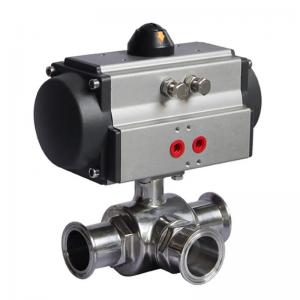
| Product Name | 3-Way Liquid Feed Ball Valve | ||||||||||||||||||||||
| Product Image |  |
||||||||||||||||||||||
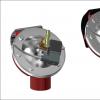
| Product Overview | The 3-Way Liquid Feed Ball Valve is designed for flow switching, diversion and distribution in automated liquid feeding systems for pig production. With three pipeline ports and an internal rotary ball, the valve allows liquid feed to be directed between different pipeline routes while reducing the number of separate valves and fittings required in the feeding installation. It can be installed in feed kitchens, main circulation lines, branch pipelines, distribution sections and flushing circuits. The valve is suitable for commercial pig farms using computer-controlled liquid feeding equipment for sows, piglets, growers and finishing pigs. Manual, pneumatic or project-specific actuator configurations are available according to the required degree of automation. Valve dimensions, connection types, flow pattern and material configuration can be selected according to project requirements. |
||||||||||||||||||||||
| Key Features |
|
||||||||||||||||||||||
| Structural Components | Typical structural components include:
|
||||||||||||||||||||||
| Working Principle | The valve contains a rotating ball with an internal L-shaped or T-shaped passage. When the valve stem is rotated manually or by an actuator, the internal passage aligns with selected ports to establish the required flow path. In a liquid feeding installation, this allows the control system to direct feed from a mixing or pumping line toward a selected distribution line, return circuit or feeding section. Depending on the ball configuration, the valve can switch between two outlets, connect multiple passages or isolate selected pipeline routes. In an automatic system, a pneumatic actuator can receive commands from the feeding controller and change the valve position during feeding, circulation or cleaning sequences. |
||||||||||||||||||||||
| Technical Specifications |
|
||||||||||||||||||||||
| Applications |
|
||||||||||||||||||||||
| Customization Options | Valve configuration can be adapted to the design of each liquid feeding project.
|
||||||||||||||||||||||
| Installation & Maintenance | The valve should be installed at a pipeline location that provides sufficient access for operation, inspection and maintenance. The required L-port or T-port flow direction should be confirmed before connecting the three pipeline branches. During installation, pipe alignment should be checked carefully to prevent unnecessary mechanical stress on the valve body. Connections and seals should be inspected for leakage before commissioning the liquid feeding system. For pneumatically operated versions, compressed-air tubing and control signals should be installed according to the automation drawings. Position marking is recommended so operators can quickly identify the selected feed path. Routine maintenance includes inspecting valve seats, sealing rings, the rotary ball, stem, actuator and pipeline connections. The valve should also be included in the farm's regular feed pipeline cleaning and hygiene program. |
||||||||||||||||||||||
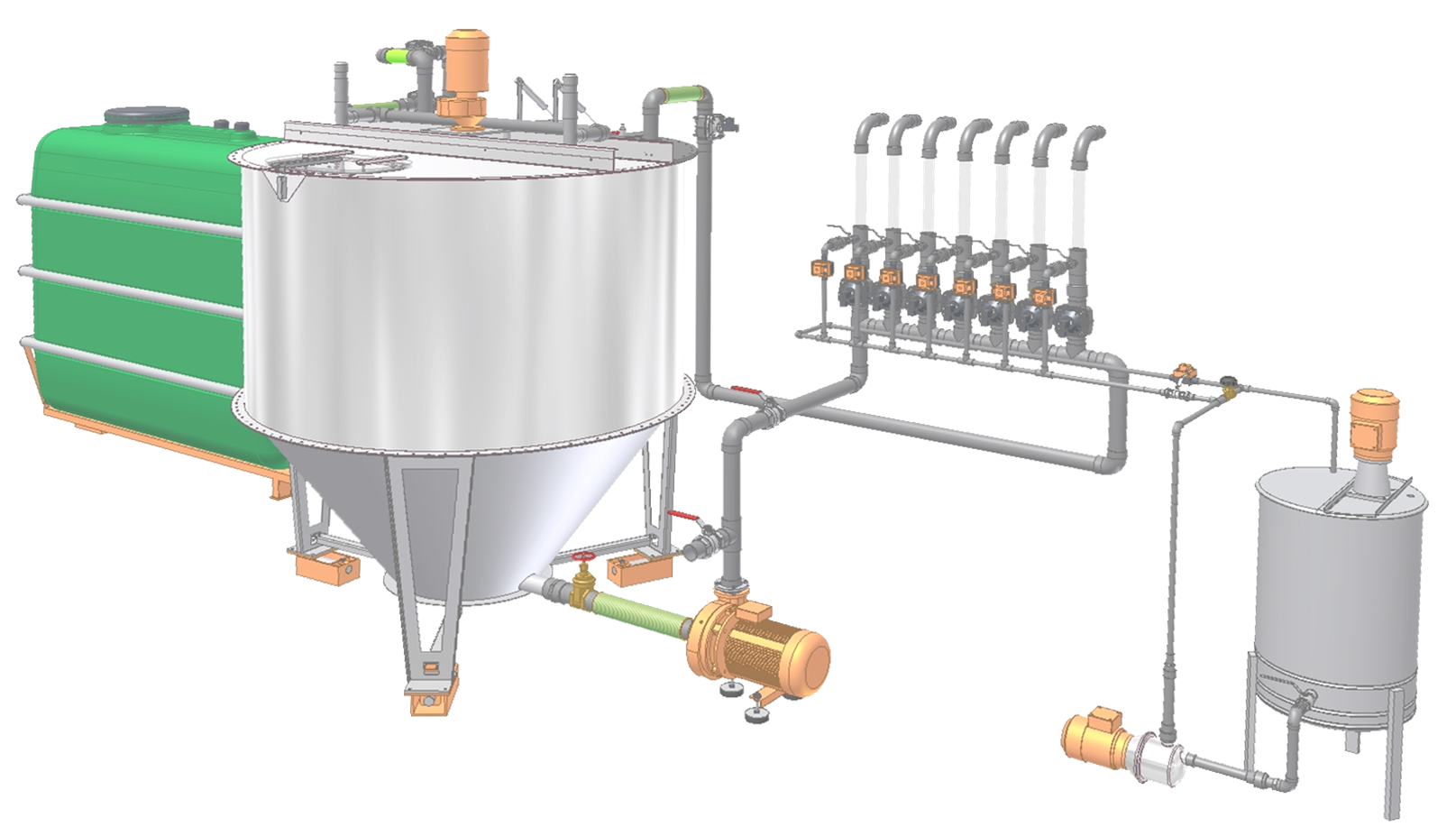
| Project Cases | Three-way ball valves can be incorporated into centralized liquid feeding installations where one pumping line must serve multiple pipeline sections. They are especially useful at feed kitchen outlets, branch-line intersections, return lines and cleaning circuits. In large pig farm projects, valve quantities and positions can be planned together with mixing tanks, feed pumps, circulation pipes, feed valves, troughs and automatic feeding controllers. The final arrangement depends on animal numbers, house layout, feeding strategy and transport distance. |
||||||||||||||||||||||
| Product FAQ | Q: What is a 3-way liquid feed ball valve used for? A: It is used to select, divert or combine flow paths within a liquid feeding pipeline, allowing one pipeline section to communicate with different branches as required. Q: What is the difference between an L-port and a T-port valve? A: An L-port ball is generally used to switch flow between different paths, while a T-port configuration provides additional possibilities for connecting or combining three pipeline ports. The correct configuration depends on the feeding system design. Q: Can the valve be automatically controlled? A: Yes. Pneumatic actuator configurations are available for integration with automatic liquid feeding control systems. Q: Can the pipeline connection size be customized? A: Yes. Valve diameter and connection configuration can be selected according to project requirements. Q: Is the valve suitable for complete commercial pig farm projects? A: Yes. It can be incorporated into complete livestock equipment packages including liquid feed tanks, pumps, pipelines, control systems and feeding valves. Q: Can the valve be used in cleaning and flushing circuits? A: Yes. Depending on pipeline design, a three-way valve can be used to redirect water, feed or cleaning flow between circulation and flushing routes. |
||||||||||||||||||||||
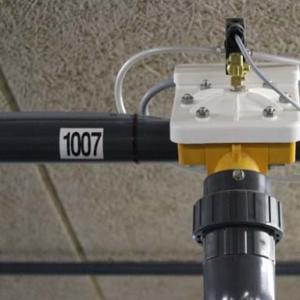
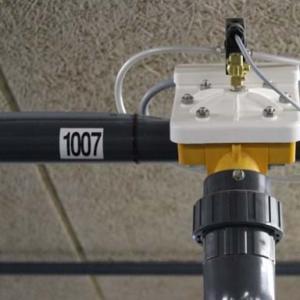
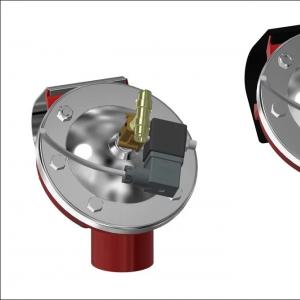
| Product Gallery | 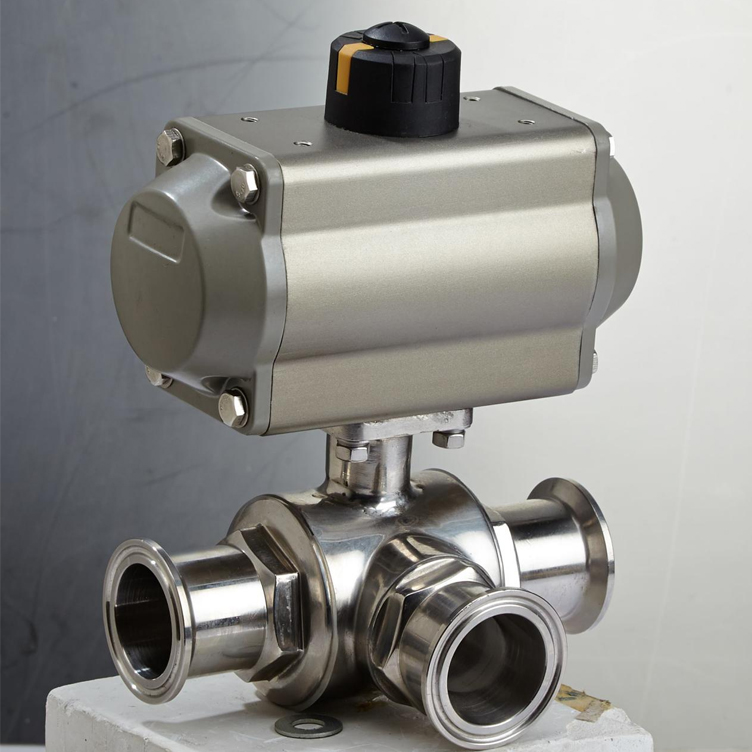  |
- Home
-
Products
- Pig Farming Equipment
- Cattle Farming Equipment
- Sheep & Goat Farming Equipment
- Poultry Farming Equipment
- Feeding & Drinking Systems
- Veterinary & Breeding Equipment
- Testing & Diagnostic Equipment
- Cleaning & Biosecurity Equipment
- Climate Control Equipment
- Livestock Weighing Equipment
- Manure & Waste Management
- Farm Transport & Handling
-
Solutions
- Pig Farm Solutions
- Dairy Farm Solutions
- Beef Cattle Farm Solutions
- Sheep & Goat Farm Solutions
- Layer Farm Solutions
- Broiler Farm Solutions
- Feeding & Drinking System Solutions
- Climate Control Solutions
- Biosecurity & Disinfection Solutions
- Manure & Waste Management
- Smart Farming Solutions
- Farm Renovation and Upgrade Solutions
- Partners
- Projects
- Resources
- News
- About Us
- Contact
Comments & Inquiries
Leave your questions or requirements below. We will reply as soon as possible.