


| Product Name | Liquid Feed Anti-Separation Mixing Pipe | ||||||||||||||||||||
| Product Image | 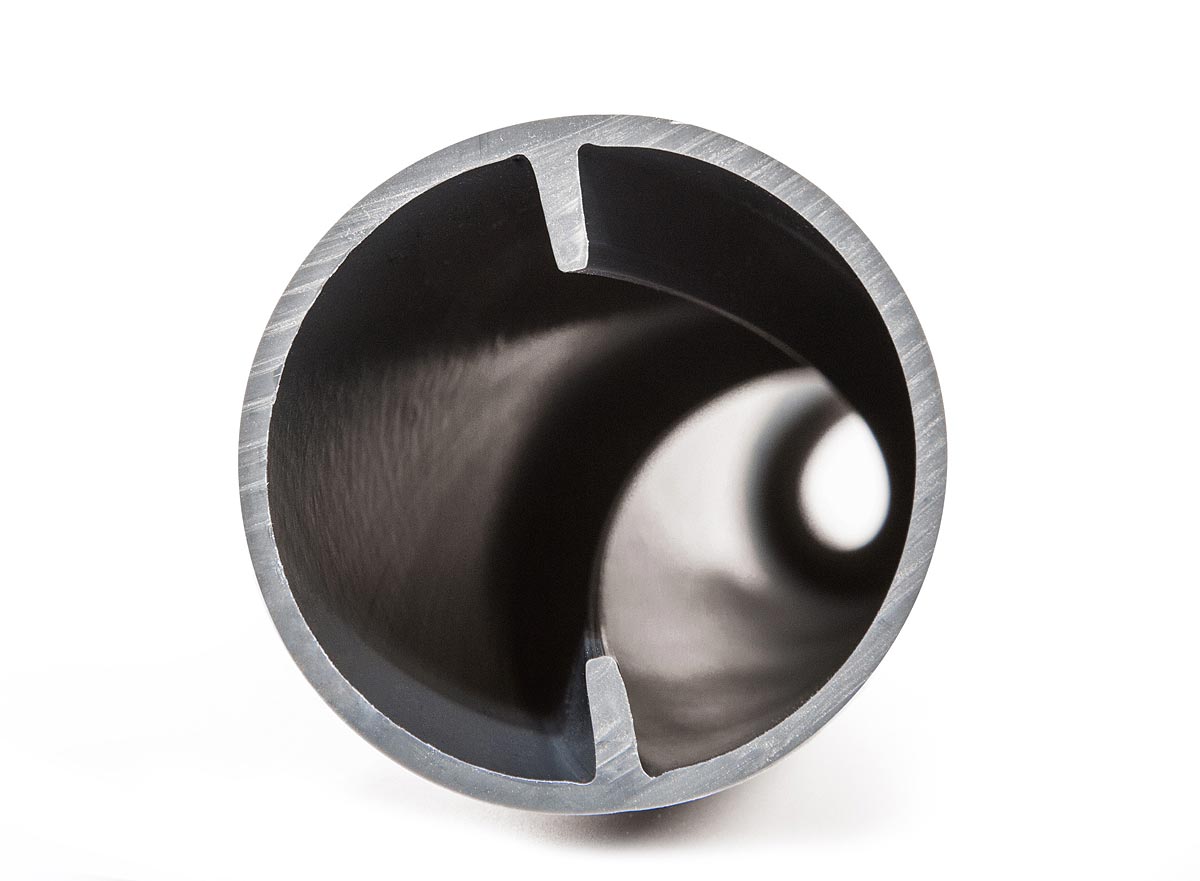 |
||||||||||||||||||||
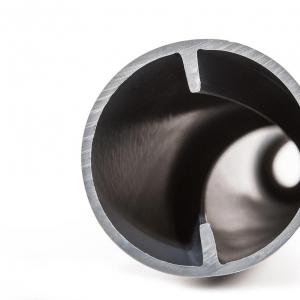
| Product Overview | The Liquid Feed Anti-Separation Mixing Pipe is designed for automatic liquid feeding systems where mixed feed must be transported through pipelines while maintaining a consistent composition. Its specially formed internal profile generates continuous rotational movement as the liquid feed passes through the pipe, helping to remix water and suspended feed components during transport. By reducing transport sedimentation and phase separation, the pipe supports more uniform feed consistency at downstream valves and feeding points. It is suitable for commercial pig farms, centralized feed kitchens, multi-barn feeding installations and livestock equipment projects requiring reliable long-distance liquid feed distribution. |
||||||||||||||||||||
| Key Features |
|
||||||||||||||||||||
| Structural Components | Typical structural elements include:
|
||||||||||||||||||||
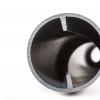
| Structural Principle | Unlike a conventional smooth-wall transport pipe, the anti-separation mixing pipe incorporates a spiral-shaped raised profile on its inner surface. As liquid feed is pumped forward, this internal profile introduces rotational movement into the flowing mixture. The resulting turbulence and rotary flow continuously redistribute heavier and lighter feed components across the pipe cross-section. This helps limit settling and separation during transportation, particularly where feed must travel through extended pipe routes before reaching the required feeding valve or trough. The mixing effect is generated by the pipe geometry itself and therefore does not require a separate mechanical agitator inside the transport line. |
||||||||||||||||||||
| Technical Specifications |
|
||||||||||||||||||||
| Applications |
|
||||||||||||||||||||
| Customization Options | Pipeline configuration can be adapted to different farm layouts and feeding system designs.
|
||||||||||||||||||||
| Installation & Maintenance | The mixing pipe is installed as part of the main or branch liquid feed transport line. Pipeline routing should follow the feeding system drawings and allow suitable access to valves, couplings and inspection points. Pipe supports should be positioned to maintain stable alignment and minimize unnecessary stress on joints. Connections should be properly sealed and checked during commissioning to prevent leakage. Routine maintenance generally includes inspection of pipe joints, supports and connection fittings as well as regular cleaning and flushing according to the farm's liquid feeding hygiene program. System cleaning procedures should be compatible with the selected pipe material. |
||||||||||||||||||||
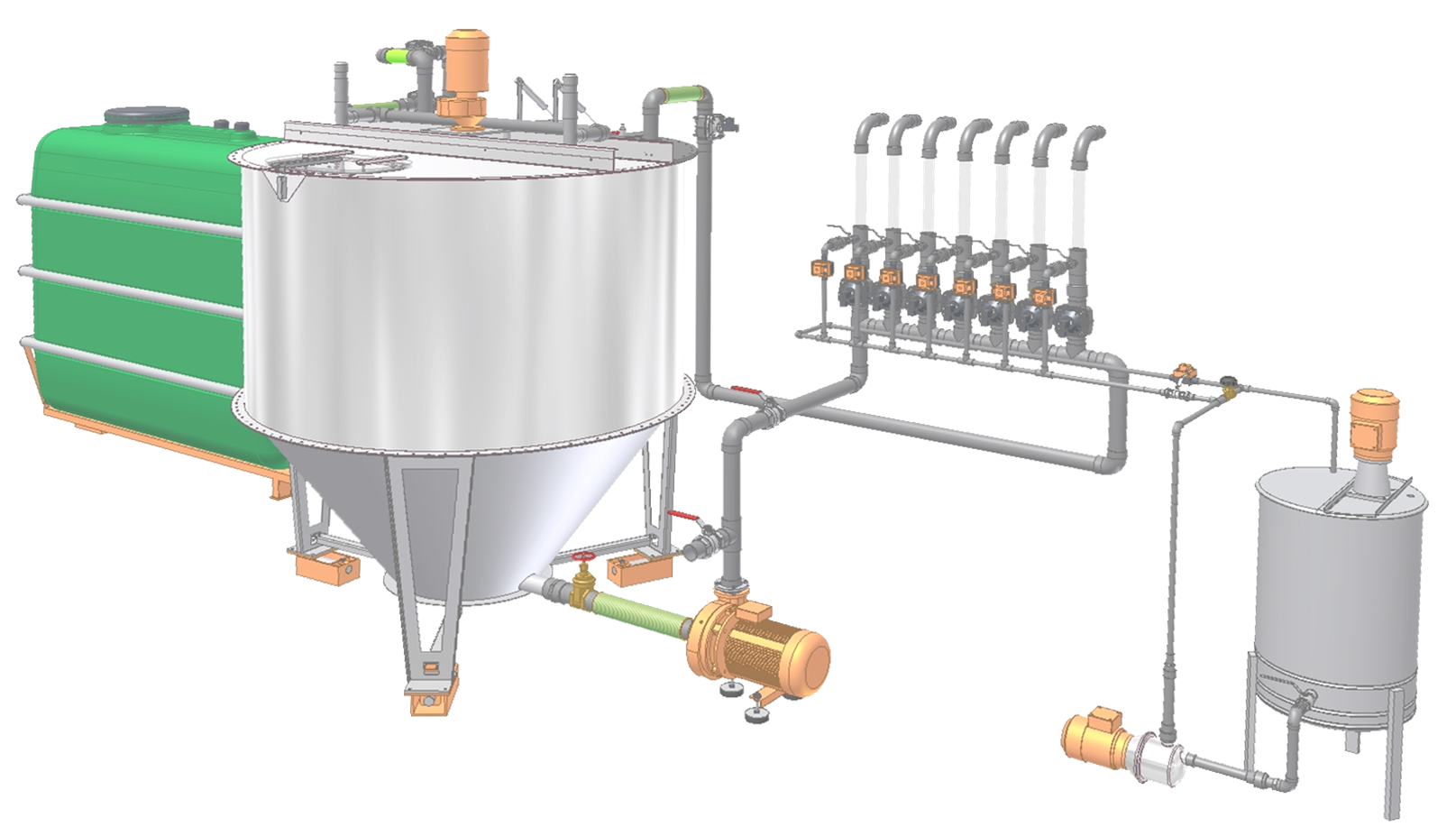
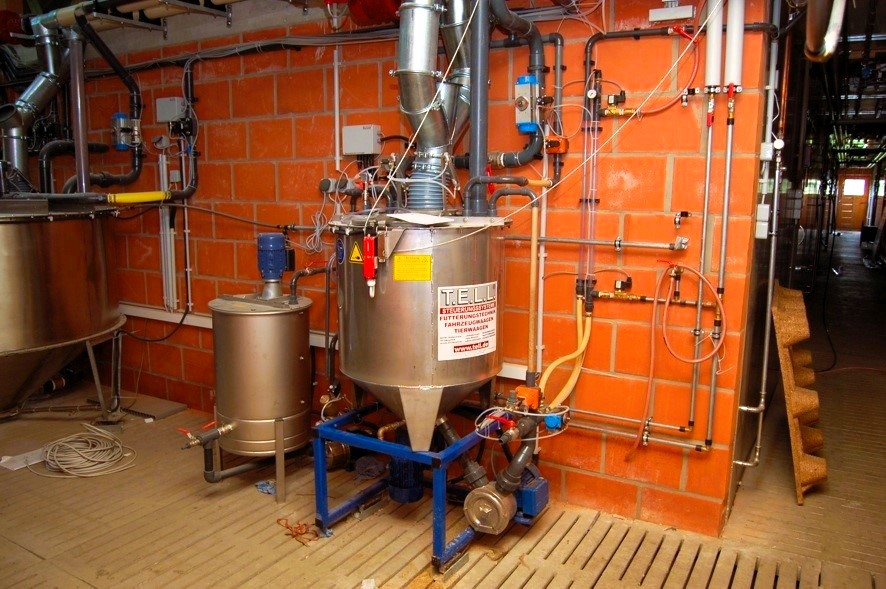
| Project Cases | Anti-separation mixing pipes are suitable for livestock feeding projects where liquid feed is transported from a centralized mixing station to several production buildings or multiple feeding sections. In large commercial pig farms, the pipeline can be integrated with feed tanks, agitators, pumps, flow control equipment, distribution valves and automatic feeding controllers. The final routing, pipe diameter and number of feeding branches are configured according to herd size, barn layout and feeding strategy. |
||||||||||||||||||||
| Product FAQ | Q: What is the main purpose of an anti-separation mixing pipe? A: It helps maintain a more homogeneous liquid feed mixture during transport by continuously generating rotary movement inside the pipeline. Q: How is it different from a standard smooth pipe? A: The pipe incorporates an internal spiral profile that promotes remixing while the feed flows through the transport line. Q: Does the pipe require a separate internal motor? A: No. The mixing effect is generated by the internal pipe geometry and the movement of the pumped liquid feed. Q: Can pipe diameter and length be customized? A: Yes. Dimensions and connection arrangements can be configured according to project requirements. Q: Is it suitable for long liquid feeding pipelines? A: Yes. Anti-separation pipe technology is particularly useful where feed mixtures must travel through extended transport routes before reaching downstream feeding points. Q: Can it be supplied as part of a complete liquid feeding system? A: Yes. It can be integrated with mixing tanks, feed pumps, valves, controllers and other livestock equipment according to the overall pig farm feeding design. |
||||||||||||||||||||
| Product Gallery | 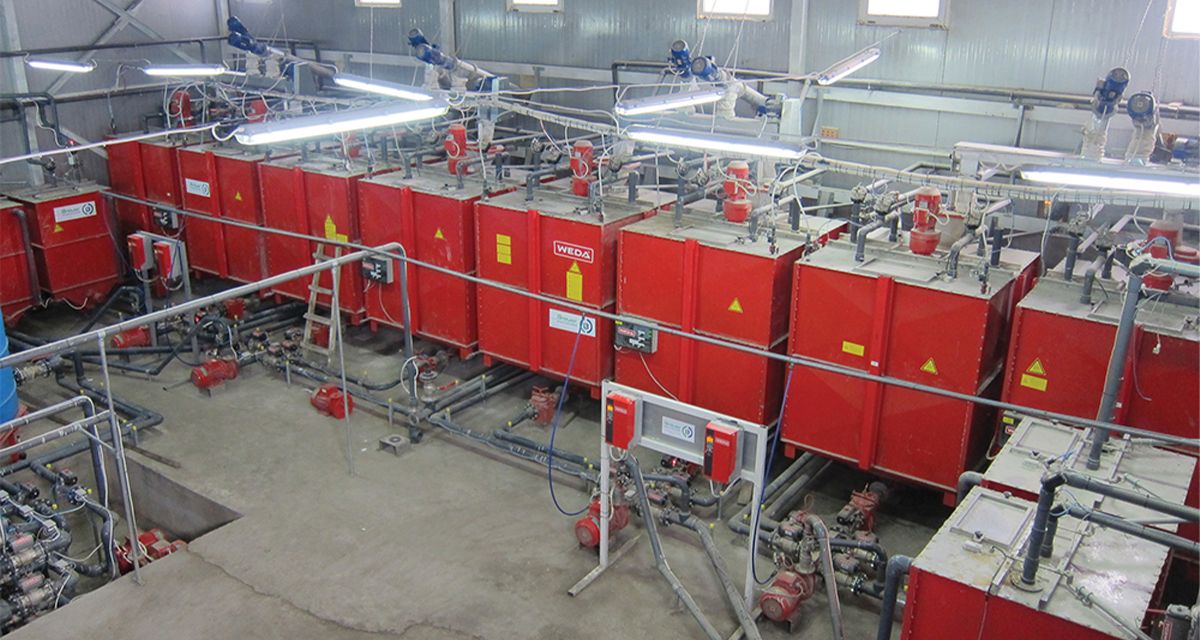  |
- Home
-
Products
- Pig Farming Equipment
- Cattle Farming Equipment
- Sheep & Goat Farming Equipment
- Poultry Farming Equipment
- Feeding & Drinking Systems
- Veterinary & Breeding Equipment
- Testing & Diagnostic Equipment
- Cleaning & Biosecurity Equipment
- Climate Control Equipment
- Livestock Weighing Equipment
- Manure & Waste Management
- Farm Transport & Handling
-
Solutions
- Pig Farm Solutions
- Dairy Farm Solutions
- Beef Cattle Farm Solutions
- Sheep & Goat Farm Solutions
- Layer Farm Solutions
- Broiler Farm Solutions
- Feeding & Drinking System Solutions
- Climate Control Solutions
- Biosecurity & Disinfection Solutions
- Manure & Waste Management
- Smart Farming Solutions
- Farm Renovation and Upgrade Solutions
- Partners
- Projects
- Resources
- News
- About Us
- Contact
Comments & Inquiries
Leave your questions or requirements below. We will reply as soon as possible.