

| Product Name | Smart Liquid Feeding Control System | ||||||||||||||||||||||||||||||||
| Product Image | 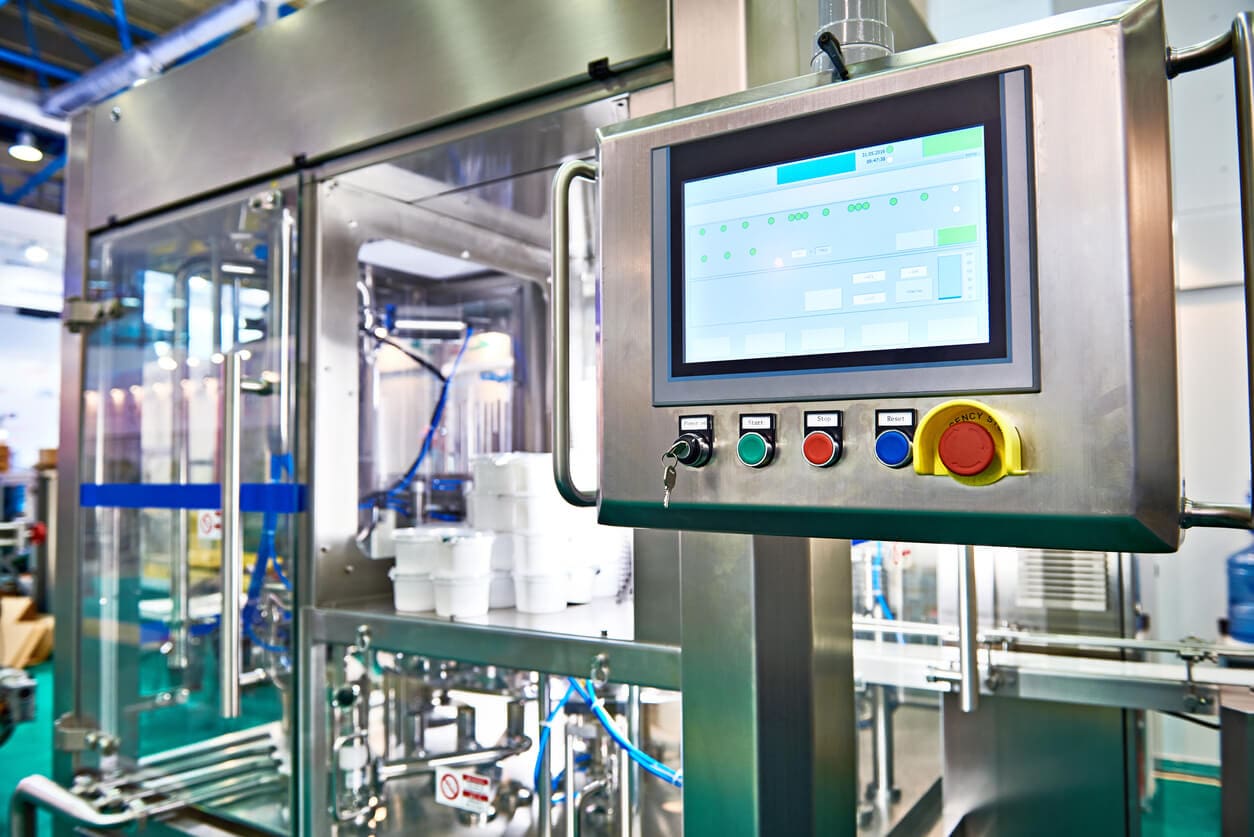 |
||||||||||||||||||||||||||||||||
| Product Overview |
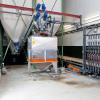
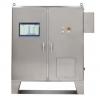
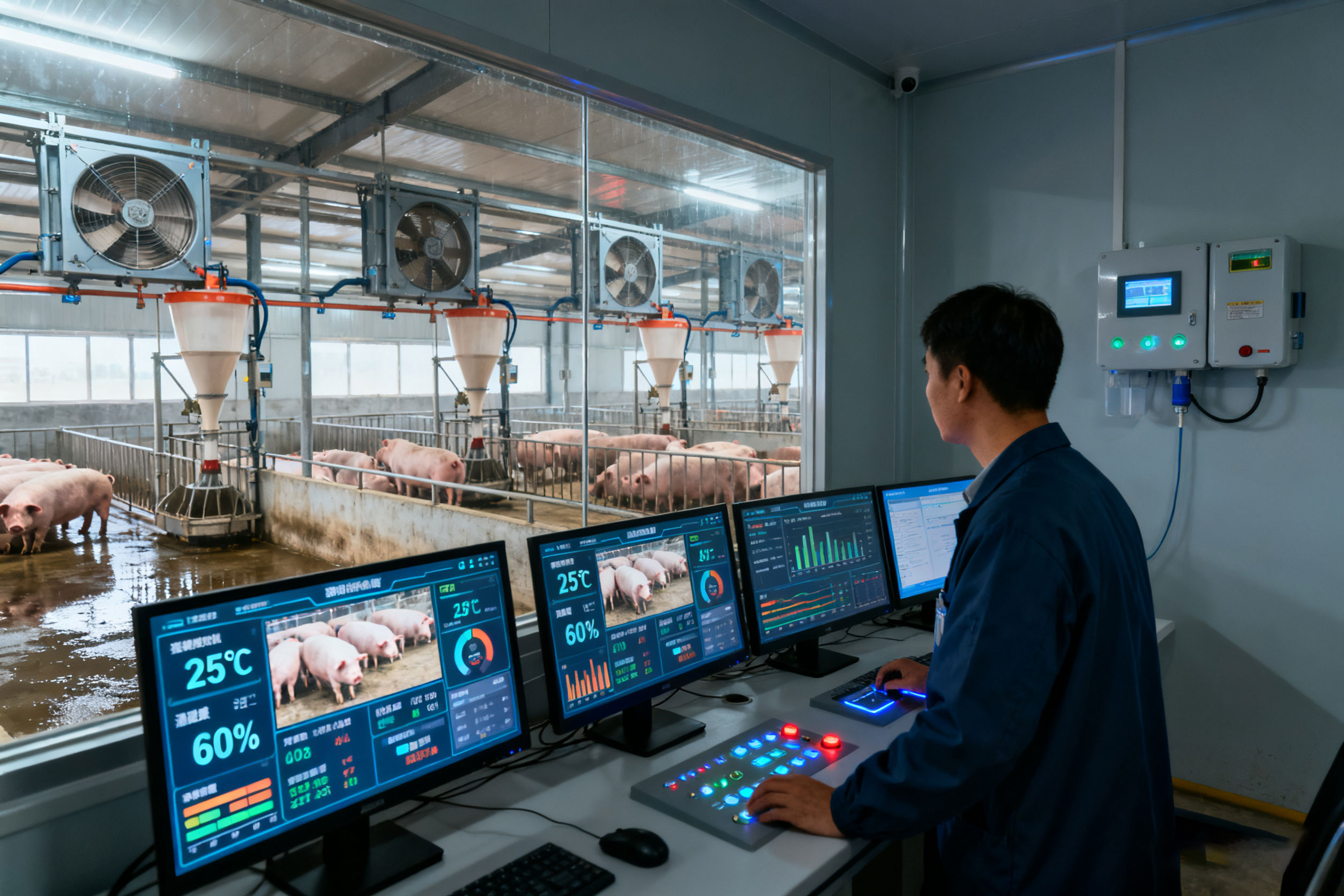
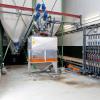
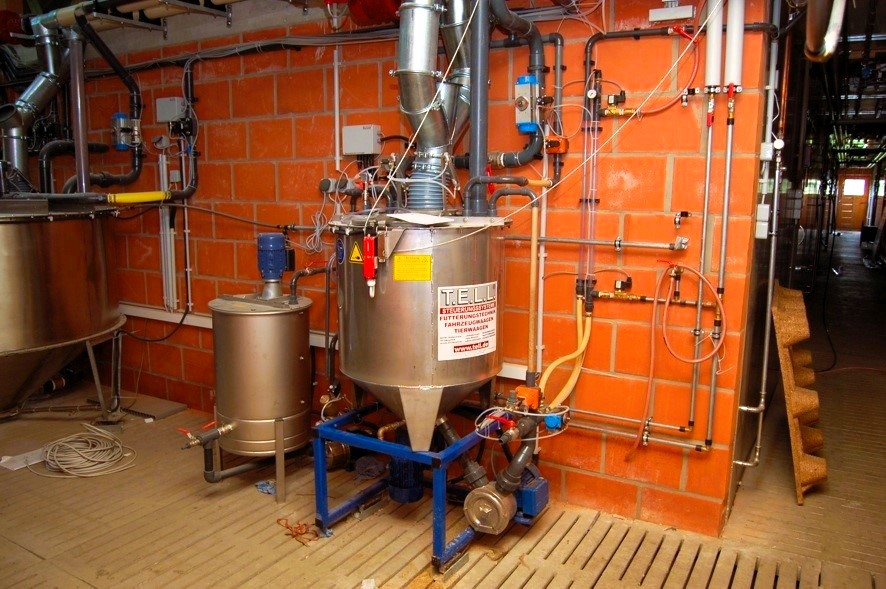
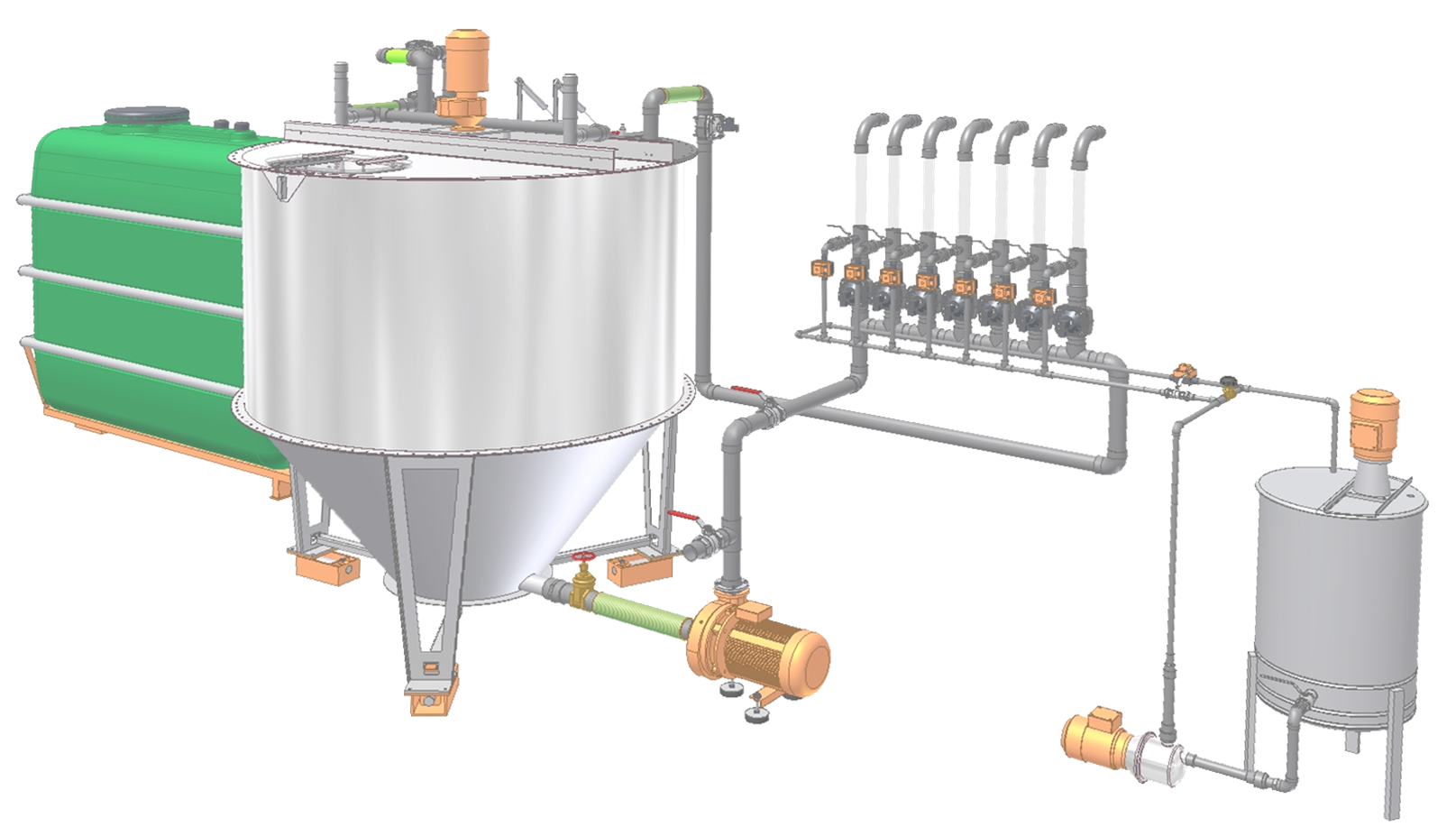
The Smart Liquid Feeding Control System is a centralized automation platform designed to manage feed preparation, mixing, pumping, dosing and distribution in commercial pig farms. The system combines industrial control hardware, touchscreen operation, weighing inputs, flow measurement, sensors and programmable feeding software. It can coordinate liquid feed tanks, water tanks, pumps, agitators, feed valves, dosing devices and distribution circuits as one integrated feeding process. Modern computer-controlled liquid feeding systems can manage multiple animal groups, feed recipes and feeding cycles while recording production data and supporting accurate feed allocation. Sensor-based feeding functions can also adjust feed delivery according to trough conditions and predefined management strategies. The control architecture can be customized for new pig farm construction, livestock equipment upgrades and steel structure building projects according to farm size, feeding strategy, pipeline layout and required automation level. |
||||||||||||||||||||||||||||||||
| Key Features |
|
||||||||||||||||||||||||||||||||
| Structural Components |
|
||||||||||||||||||||||||||||||||
| Working Principle |
The operator creates or selects a feed recipe for the required animal group. The controller then calculates the required quantities of ingredients and water according to the programmed ration, animal numbers and feeding curve. Ingredient conveyors, pumps or dosing devices are activated in sequence. Load cells, flow meters and other sensors provide feedback so that the controller can monitor actual quantities during preparation. After mixing is completed, the system starts the liquid feed pump and opens the appropriate distribution valves. Feed is delivered through the selected pipeline circuit to the required feeding points. Suitable variable-flow control can regulate pump speed according to pipeline conditions, helping maintain controlled feed velocity and reducing excessive pressure at nearby valves. Where trough sensors are installed, the controller can evaluate remaining feed and modify future feed quantities according to the selected sensor-feeding strategy. At the end of the feeding cycle, the controller can initiate pipeline rinsing, tank cleaning or residue-free feeding sequences where these functions are included in the project. |
||||||||||||||||||||||||||||||||
| Technical Specifications |
|
||||||||||||||||||||||||||||||||
| Applications |
|
||||||||||||||||||||||||||||||||
| Customization Options |
|
||||||||||||||||||||||||||||||||
| Installation & Maintenance |
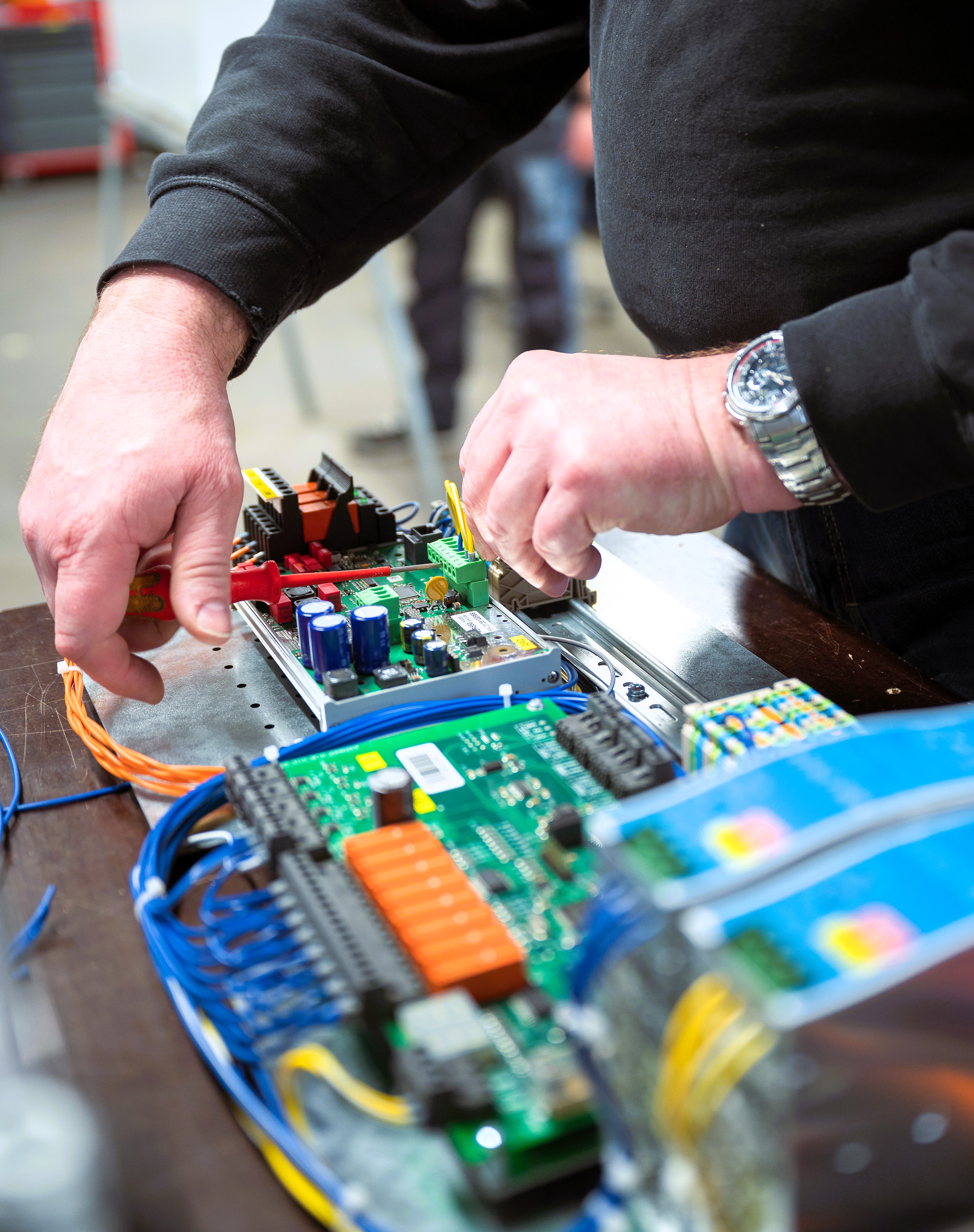
Control Cabinet Location: Install the main control equipment in a dry and accessible technical area protected from direct washing, excessive humidity and corrosive farm gases wherever possible. Field Wiring: Connect load cells, sensors, flow meters, pumps, agitators and valves according to the approved electrical drawings. Power and signal cables should be routed separately where required to reduce electrical interference. Network Setup: Communication between local control panels, remote terminals and farm management equipment should be tested before commissioning. Process Calibration: Load cells, flow meters and dosing devices should be calibrated before normal production. Feeding quantities should be verified against actual farm requirements. Software Commissioning: Configure animal groups, recipes, feeding curves, valve assignments, pump settings, alarm thresholds and cleaning sequences according to the project design. Data Backup: Feed recipes, system parameters and production records should be backed up according to the farm management procedure. Routine Maintenance: Inspect electrical terminals, touchscreen operation, communication modules, sensors, weighing signals and alarm functions at scheduled intervals. Software and system parameters should only be modified by authorized personnel. |
||||||||||||||||||||||||||||||||
| Project Applications |
In a commercial finishing farm, the controller can manage several feed recipes for different pig weight groups. Ingredient quantities are weighed into the mixing tank, mixed automatically and then distributed through programmed valves to the required houses. For sow production, sensor-based feeding can be incorporated to evaluate trough conditions and adjust future feed allocation. Remote access can also allow authorized personnel to review feeding data and make permitted corrections directly from the livestock house. For larger integrated farms, the control system can be expanded to manage multiple tanks, pumps and pipeline circuits while recording feed consumption, alarms and operating history for centralized production management. |
||||||||||||||||||||||||||||||||
| Product FAQ |
Q: What does a smart liquid feeding control system manage? A: It can control ingredient dosing, water addition, weighing, mixing, pump operation, feed valves, feeding schedules, rinsing and other compatible liquid feeding processes. Q: Can the controller manage several feed recipes? A: Yes. Multiple recipes and feeding curves can be configured according to different pig groups, growth stages and farm feeding strategies. Q: Can trough sensors be connected? A: Yes. Suitable trough sensors can provide feedback about feed availability and support sensor-based control of future feeding quantities. Q: Can feed-pump speed be controlled automatically? A: Yes. A compatible frequency converter can regulate pump speed and help maintain a controlled flow rate through the distribution pipeline. Q: Can feeding data be viewed remotely? A: Remote access can be configured through compatible network, WLAN or internet-based interfaces according to project requirements. Q: Can the control system be expanded later? A: Yes. Modular hardware and software architectures can support additional tanks, valves, sensors and feeding circuits when system capacity allows. Q: Does the system support alarm recording? A: Yes. Compatible systems can record operating alarms, equipment status and selected process events for troubleshooting and management review. Q: What information is required for system design? A: Please provide pig numbers, production stages, feeding recipes, tank quantity and capacity, pipeline layout, valve quantity, pump specifications, sensor requirements, feeding cycles and required remote-management functions. |
||||||||||||||||||||||||||||||||
| Product Gallery |
|
- Home
-
Products
- Pig Farming Equipment
- Cattle Farming Equipment
- Sheep & Goat Farming Equipment
- Poultry Farming Equipment
- Feeding & Drinking Systems
- Veterinary & Breeding Equipment
- Testing & Diagnostic Equipment
- Cleaning & Biosecurity Equipment
- Climate Control Equipment
- Livestock Weighing Equipment
- Manure & Waste Management
- Farm Transport & Handling
-
Solutions
- Pig Farm Solutions
- Dairy Farm Solutions
- Beef Cattle Farm Solutions
- Sheep & Goat Farm Solutions
- Layer Farm Solutions
- Broiler Farm Solutions
- Feeding & Drinking System Solutions
- Climate Control Solutions
- Biosecurity & Disinfection Solutions
- Manure & Waste Management
- Smart Farming Solutions
- Farm Renovation and Upgrade Solutions
- Partners
- Projects
- Resources
- News
- About Us
- Contact



Comments & Inquiries
Leave your questions or requirements below. We will reply as soon as possible.