


| Product Name | Force-Feed Liquid Feed Pump | ||||||||||||||||||||||||||||||||||
| Product Image |  |
||||||||||||||||||||||||||||||||||
| Product Overview |
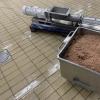
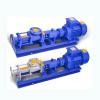
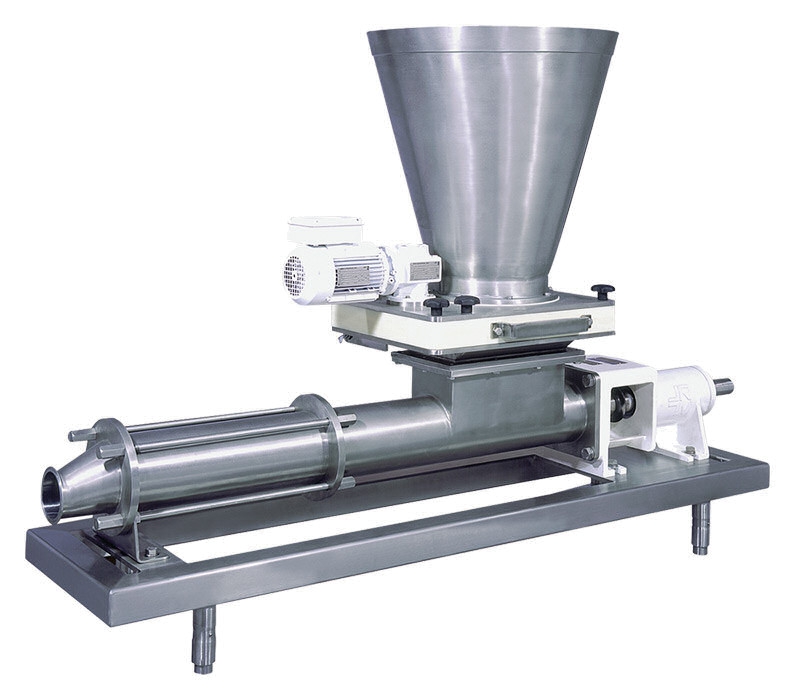
The Force-Feed Liquid Feed Pump is a positive-displacement progressing cavity pump designed for transferring viscous, sticky, fibrous or solids-containing feed mixtures in commercial pig liquid feeding systems. Unlike conventional centrifugal pumps, the progressing cavity principle provides continuous, pressure-stable and low-pulsation conveying. A large inlet hopper, force-feed chamber and feeding screw actively move difficult-flowing feed material toward the rotor and stator, improving cavity filling and reducing the risk of irregular product supply. :contentReference[oaicite:1]{index=1} This pump type is especially suitable where liquid feed contains high-viscosity components, cereal slurry, wet by-products, concentrated feed mixtures or suspended solids. Flow can be adjusted by pump speed, making the pump suitable for transfer, controlled feeding and dosing applications. :contentReference[oaicite:2]{index=2} The pump can be integrated with mixing tanks, weighing tanks, feed kitchens, distribution manifolds, ring pipelines, valves and PLC-based feeding controllers. Pump size, wetted materials, motor power, hopper dimensions and connection standards are available according to project requirements. |
||||||||||||||||||||||||||||||||||
| Key Features |
|
||||||||||||||||||||||||||||||||||
| Structural Components |
|
||||||||||||||||||||||||||||||||||
| Working Principle |
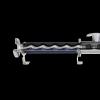
Liquid feed enters the enlarged hopper from a mixing tank, weighing tank, buffer vessel or ingredient supply line. The integrated feeding screw actively advances the material toward the force-feed chamber. Inside the pumping section, an eccentric helical rotor turns within an elastomer stator. The rotor-stator geometry forms sealed cavities that progress continuously from suction to discharge, producing a smooth positive-displacement flow. :contentReference[oaicite:5]{index=5} Because each revolution displaces a defined volume, pump capacity is approximately proportional to rotational speed. This allows the system to regulate transfer rate through motor-speed control or a variable-frequency drive. The force-feed screw improves filling of the progressing cavities when the liquid feed is thick, sticky or contains a high proportion of suspended solids, making the design particularly useful for challenging farm feed mixtures. :contentReference[oaicite:6]{index=6} |
||||||||||||||||||||||||||||||||||
| Technical Specifications |
|
||||||||||||||||||||||||||||||||||
| Applications |
|
||||||||||||||||||||||||||||||||||
| Customization Options |
|
||||||||||||||||||||||||||||||||||
| Installation & Maintenance |
Installation Position: Install the pump close to the feed tank or ingredient source wherever practical to minimize suction losses and improve inlet filling. Foundation: The base frame should be mounted on a level concrete foundation or engineered steel platform with sufficient rigidity for the pump and motor assembly. Inlet Arrangement: The hopper or suction connection should provide unrestricted product entry. Pipe restrictions and unnecessary suction-side fittings should be minimized, especially for high-viscosity feed. Discharge Piping: Pipe diameter, valve configuration and pressure protection should be designed according to pump capacity and total distribution resistance. Dry-Running Protection: Progressive cavity pumps should not normally operate without sufficient product in the pumping elements because dry operation can damage the stator. Suitable level, temperature or dry-running protection is recommended. Commissioning: Confirm motor rotation, pump filling, seal condition, operating pressure, feed rate and variable-speed settings before automatic production begins. Routine Maintenance: Inspect the rotor, stator, feeding screw, coupling, mechanical seal, gearbox and bearings at scheduled intervals. Maintenance frequency should be based on feed abrasiveness, operating hours, pump speed and system pressure. |
||||||||||||||||||||||||||||||||||
| Project Applications |
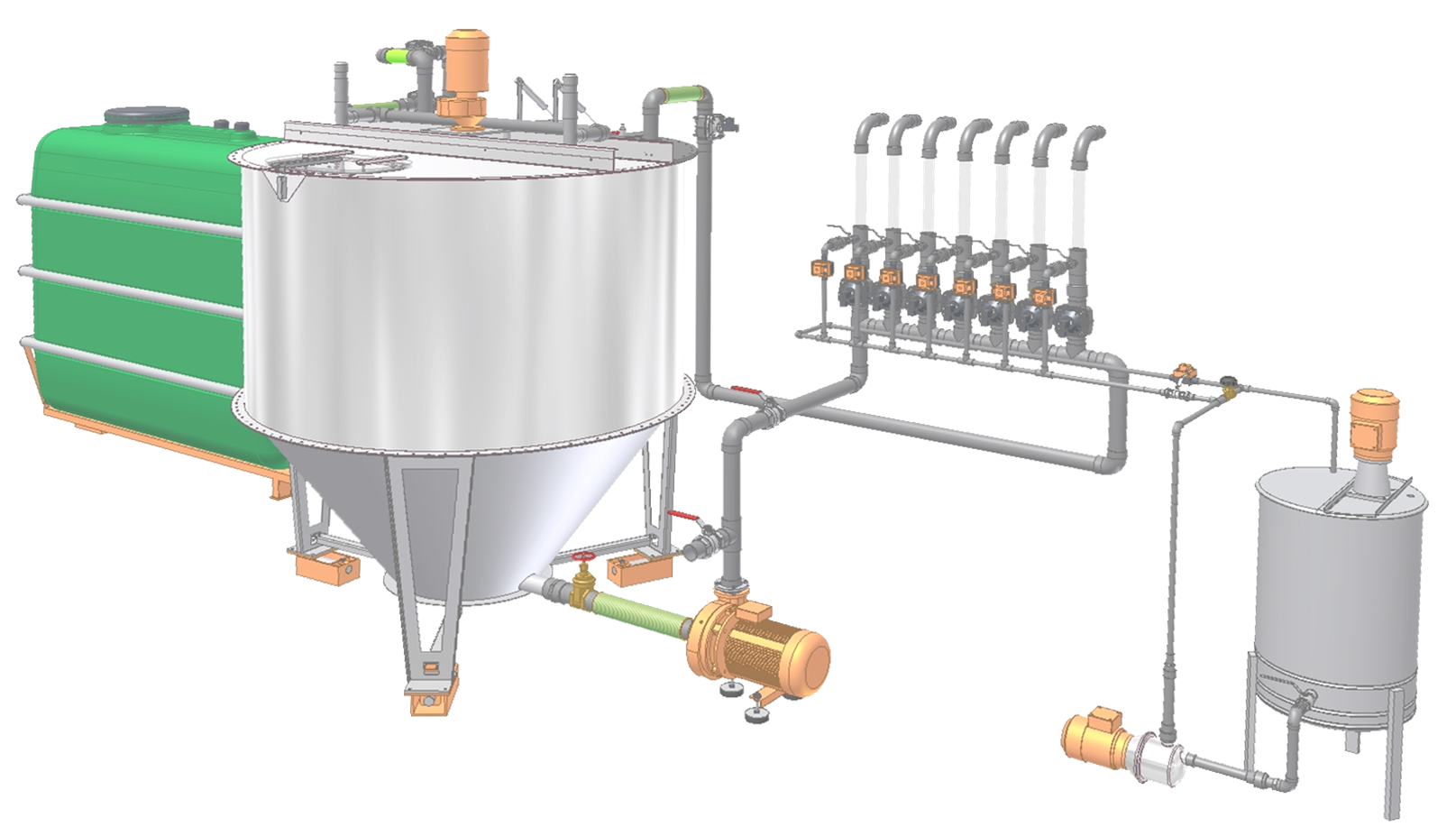
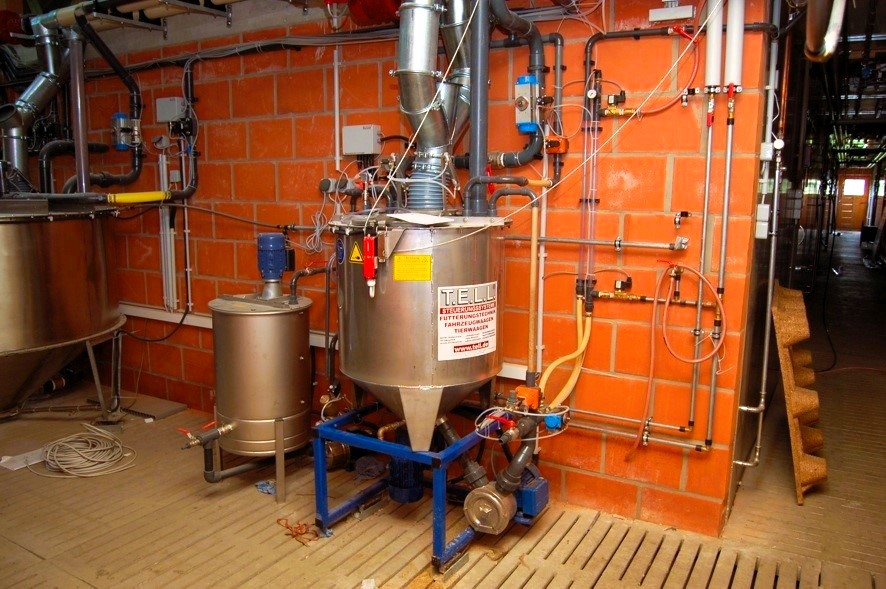
In a commercial pig liquid feeding project, the force-feed pump can be installed beneath or adjacent to a mixing tank. After recipe preparation, the pump transfers the liquid feed through a distribution manifold and pipeline network to feeding valves or troughs throughout the livestock house. Where feed formulations include whey, wet cereal products, food-industry by-products or high-solids feed slurry, the hopper and screw arrangement helps maintain reliable product entry into the pump. Progressive cavity technology is well suited to agricultural liquid-feed transfer because flow is controllable through speed and can remain stable as viscosity changes within the designed operating range. :contentReference[oaicite:7]{index=7} For large pig production bases, multiple pumps can be incorporated into separate mixing, transfer or distribution circuits according to feeding phases, barn groups and required redundancy. |
||||||||||||||||||||||||||||||||||
| Product FAQ |
Q: What is a force-feed liquid feed pump? A: It is a progressing cavity pump equipped with an enlarged hopper and feeding screw that actively moves viscous feed into the rotor-stator pumping section. Q: Why is a feeding screw used? A: Thick or sticky feed may not flow freely into a conventional suction port. The feeding screw provides positive product movement toward the pumping cavities and improves inlet filling. :contentReference[oaicite:8]{index=8} Q: Can the pump handle feed containing solids? A: Yes. Properly selected progressing cavity pumps can transfer heterogeneous and solids-containing media. Allowable particle size and concentration depend on the rotor-stator geometry, pump size and feed composition. :contentReference[oaicite:9]{index=9} Q: Can the pump handle high-viscosity liquid feed? A: Yes. Hopper-fed progressing cavity pumps are specifically used for viscous, sticky, slowly flowing and pasty media. :contentReference[oaicite:10]{index=10} Q: Can the feed rate be adjusted? A: Yes. Progressing cavity pump capacity is proportional to rotational speed within the selected operating range, so variable-frequency control can be used for adjustable transfer or dosing. :contentReference[oaicite:11]{index=11} Q: Is stainless steel available? A: Yes. Stainless steel wetted components and hygienic configurations can be supplied according to feed composition, cleaning requirements and project specifications. Q: Can the pump be integrated with automatic pig feeding software? A: Yes. Motor starters, frequency inverters, pressure sensors and operating feedback can be connected to a compatible PLC or liquid feeding computer. Q: What information is required for pump selection? A: Please provide required flow rate, discharge pressure, feed composition, viscosity, solids content, particle size, operating temperature, suction arrangement, pipe length, required materials, voltage and control method. |
||||||||||||||||||||||||||||||||||
| Product Gallery |
|
- Home
-
Products
- Pig Farming Equipment
- Cattle Farming Equipment
- Sheep & Goat Farming Equipment
- Poultry Farming Equipment
- Feeding & Drinking Systems
- Veterinary & Breeding Equipment
- Testing & Diagnostic Equipment
- Cleaning & Biosecurity Equipment
- Climate Control Equipment
- Livestock Weighing Equipment
- Manure & Waste Management
- Farm Transport & Handling
-
Solutions
- Pig Farm Solutions
- Dairy Farm Solutions
- Beef Cattle Farm Solutions
- Sheep & Goat Farm Solutions
- Layer Farm Solutions
- Broiler Farm Solutions
- Feeding & Drinking System Solutions
- Climate Control Solutions
- Biosecurity & Disinfection Solutions
- Manure & Waste Management
- Smart Farming Solutions
- Farm Renovation and Upgrade Solutions
- Partners
- Projects
- Resources
- News
- About Us
- Contact


Comments & Inquiries
Leave your questions or requirements below. We will reply as soon as possible.