

| Product Name | High-Capacity Chain Disc Drive Unit | ||||||||||||||||||||||||||||
| Product Image | 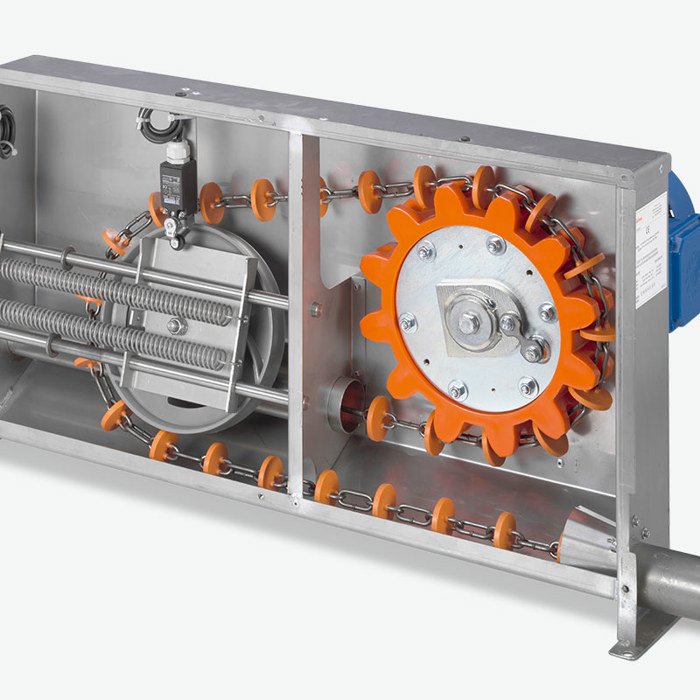 |
||||||||||||||||||||||||||||
| Product Overview |
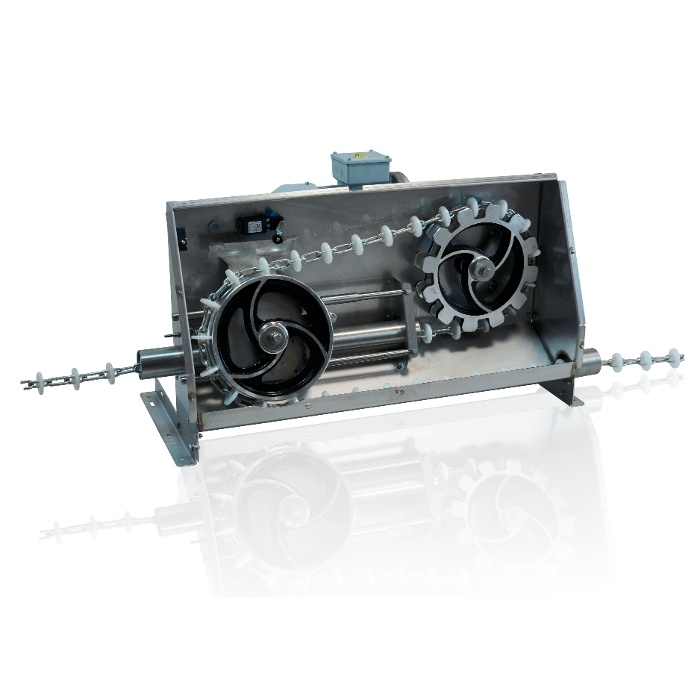
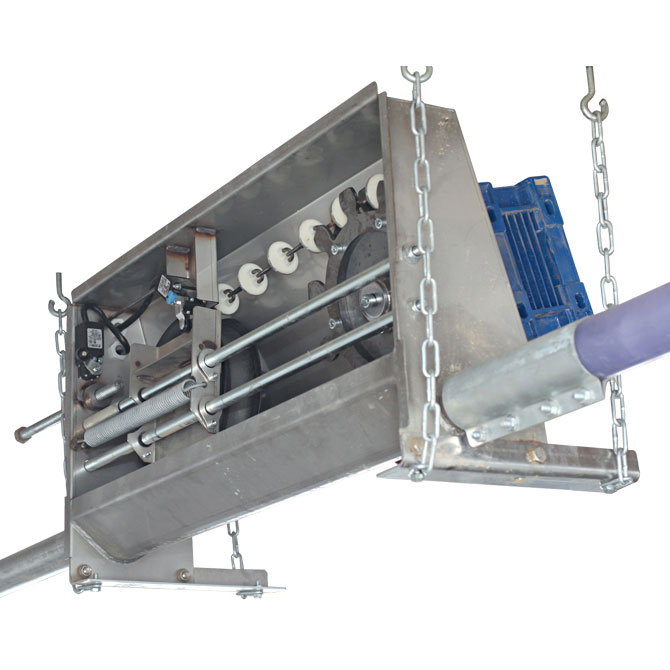
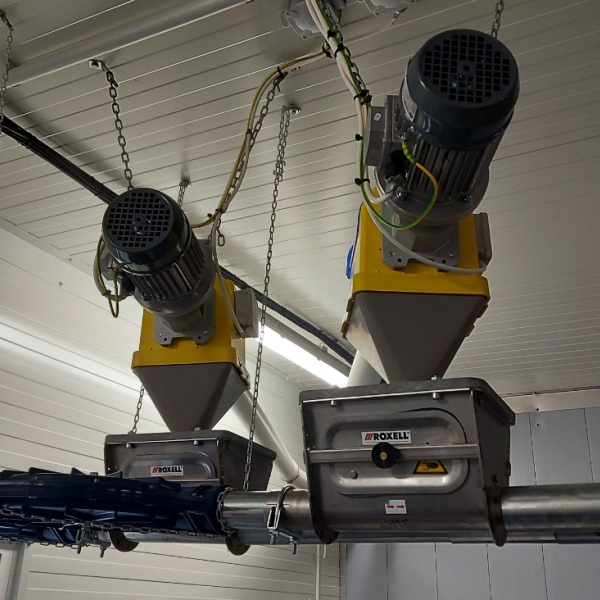
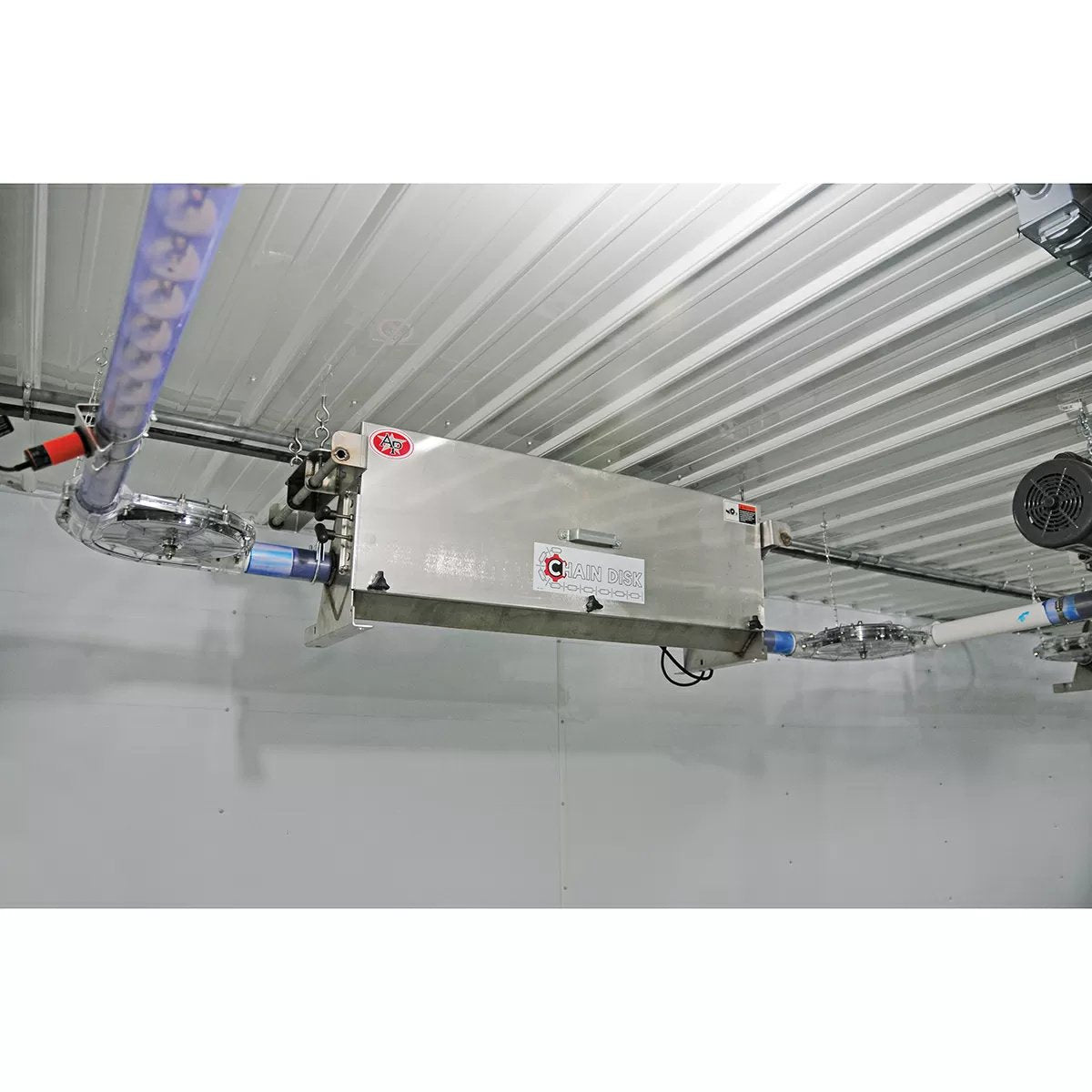
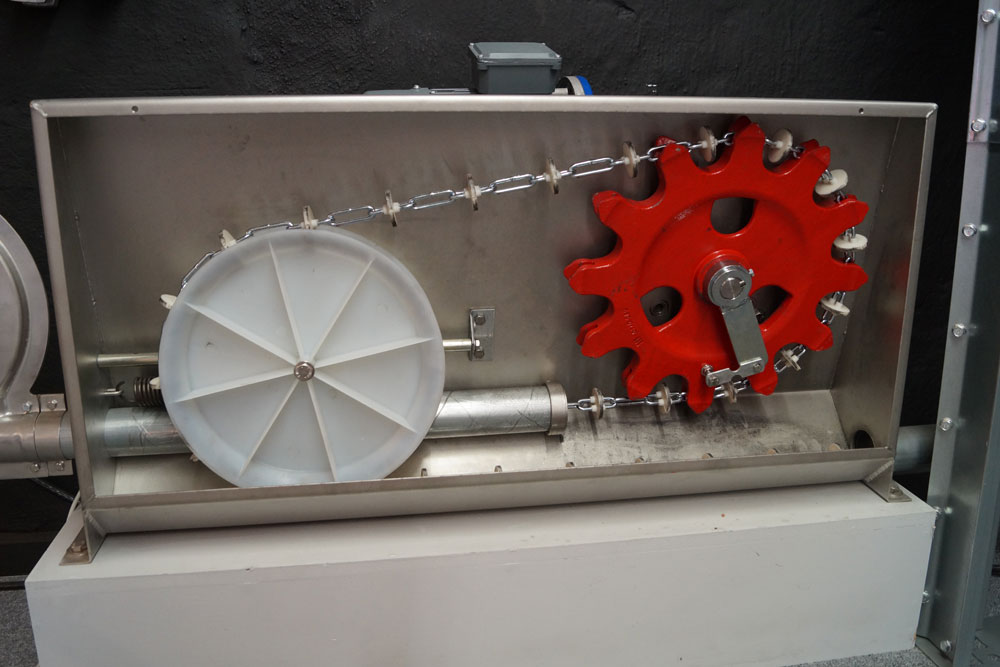
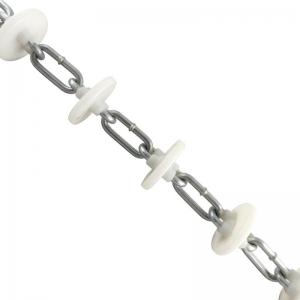
The High-Capacity Chain Disc Drive Unit is the primary power module for automatic chain disc feed conveying systems used in commercial pig farms and other intensive livestock facilities. It provides the pulling force required to circulate the feed chain and carrier discs through an enclosed pipe network. Designed for demanding dry-feed transport applications, the unit can be configured for long conveying distances, multiple 90-degree corners and high daily feed volumes. It is suitable for moving mash, crumbles or pellets from feed storage silos to dispensers, hoppers and automatic feeders. The drive assembly typically combines an electric geared motor, drive wheel, chain guidance system, protective housing and optional chain tensioning and monitoring components. A corrosion-resistant enclosure makes the unit suitable for livestock environments where dust, humidity and ammonia exposure must be considered. Drive capacity, motor specification and system configuration are selected according to conveying distance, feed characteristics, pipe diameter, corner quantity and required throughput, allowing integration into both new pig farm construction and existing barn modernization projects. |
||||||||||||||||||||||||||||
| Key Features |
|
||||||||||||||||||||||||||||
| Structural Components |
|
||||||||||||||||||||||||||||
| Working Principle |
When the feeding system receives a start signal, the electric geared motor rotates the drive wheel. The drive wheel engages the conveyor chain and pulls the endless chain through the complete feed pipe circuit. Carrier discs fixed to the chain move dry feed through the pipe from the silo intake toward individual outlets, dispensers or feeders. The drive unit must provide sufficient torque to overcome resistance generated by feed load, pipe length, elevation changes and corners. A correctly designed tensioning mechanism maintains suitable chain engagement with the drive wheel while allowing for normal operating movement and chain-length variation. This helps reduce slippage, excessive impact and unnecessary wear. When the final feed point is filled, a level sensor or system controller can stop the drive motor automatically. Additional safety monitoring can shut down the conveyor when abnormal chain movement, overload or other specified fault conditions are detected. |
||||||||||||||||||||||||||||
| Technical Specifications |
|
||||||||||||||||||||||||||||
| Applications |
|
||||||||||||||||||||||||||||
| Customization Options |
|
||||||||||||||||||||||||||||
| Installation & Maintenance |
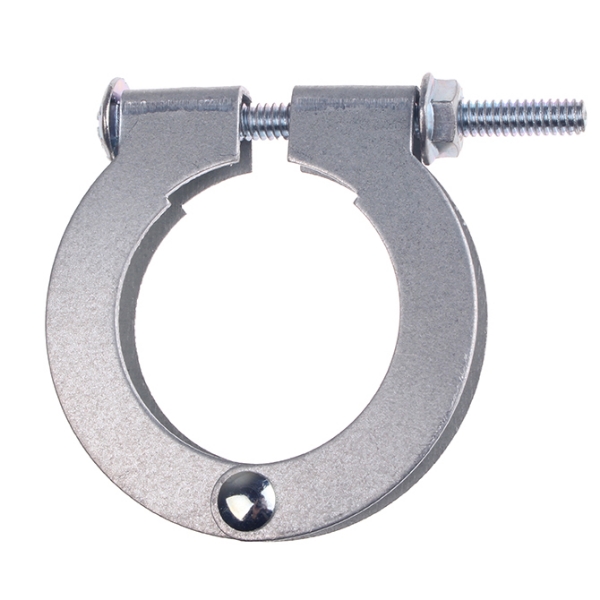
Drive Location: Install the drive unit at the position specified in the feed-line design, with sufficient clearance for inspection, chain servicing and motor maintenance. Structural Support: The drive assembly should be fixed to a rigid mounting frame or suitable building steelwork capable of carrying operational loads and vibration. Pipe Alignment: Conveying pipes entering and leaving the drive unit should be correctly aligned to prevent unnecessary chain resistance and uneven wear. Chain Tension: Correct conveyor-chain tension should be established during commissioning. Both excessive and insufficient tension can shorten component service life. Electrical Protection: Motor protection, emergency isolation and safety switches should be installed according to the project electrical design and applicable local requirements. Outdoor Installation: Where the drive unit is installed outside a barn, suitable weather protection should be provided according to local climate conditions. Routine Maintenance: Periodically inspect the drive wheel, chain guides, bearings, tensioning mechanism, motor, gearbox, fasteners and safety sensors. Remove accumulated feed or foreign material and replace worn components before they affect the complete conveying line. |
||||||||||||||||||||||||||||
| Project Applications |
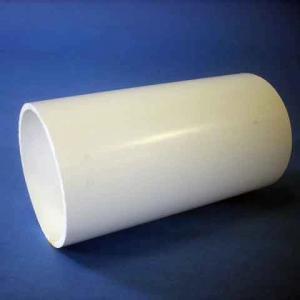
High-capacity drive units are particularly suitable for large commercial pig farms where one chain disc circuit must transport significant quantities of feed over extended distances or through several livestock-house sections. For multi-barn projects, drive selection should consider total pipe length, number of 90-degree corners, required conveying capacity, feed bulk density, elevation changes and the number of feeding points. Larger or reinforced drive configurations may be specified where increased pulling force is required. SHEWUYOU can coordinate the drive unit with feed silos, conveying pipes, chain discs, corners, outlets, drop pipes, feeders and control equipment to provide a complete chain disc feed transport solution according to the farm layout. |
||||||||||||||||||||||||||||
| Product FAQ |
Q: What is the function of a chain disc drive unit? A: The drive unit supplies the mechanical pulling force that moves the chain and carrier discs through the complete feed conveying pipe circuit. Q: When is a high-capacity drive unit required? A: A higher-capacity configuration may be required for long conveying circuits, larger pipe systems, higher feed throughput, multiple corners or applications with greater total chain resistance. Q: Can the drive unit transport pellets and mash feed? A: Yes. Chain disc systems can be configured for common dry livestock feeds including mash, crumbles and pellets. Q: Can it be installed outside the pig house? A: Yes. Outdoor installation is possible when the unit is specified with suitable corrosion protection and weather protection according to local conditions. Q: Why is correct chain tension important? A: Correct tension helps maintain reliable drive-wheel engagement and smooth chain travel. Excessive or insufficient tension can increase wear and operating resistance. Q: Can the drive unit operate automatically? A: Yes. A compatible control cabinet can receive level-sensor or feeder-demand signals and automatically start or stop the drive motor. Q: Can the drive unit be used for renovation projects? A: Yes. Chain disc feed systems are well suited to many existing livestock buildings because pipe routing and drive configuration can be adapted to the available structure. Q: What information is required for drive-unit selection? A: Please provide feed type, required conveying capacity, pipe diameter, total circuit length, number of corners, elevation changes, number of feeding points, electrical supply and livestock house layout. |
||||||||||||||||||||||||||||
| Product Gallery |
|
- Home
-
Products
- Pig Farming Equipment
- Cattle Farming Equipment
- Sheep & Goat Farming Equipment
- Poultry Farming Equipment
- Feeding & Drinking Systems
- Veterinary & Breeding Equipment
- Testing & Diagnostic Equipment
- Cleaning & Biosecurity Equipment
- Climate Control Equipment
- Livestock Weighing Equipment
- Manure & Waste Management
- Farm Transport & Handling
-
Solutions
- Pig Farm Solutions
- Dairy Farm Solutions
- Beef Cattle Farm Solutions
- Sheep & Goat Farm Solutions
- Layer Farm Solutions
- Broiler Farm Solutions
- Feeding & Drinking System Solutions
- Climate Control Solutions
- Biosecurity & Disinfection Solutions
- Manure & Waste Management
- Smart Farming Solutions
- Farm Renovation and Upgrade Solutions
- Partners
- Projects
- Resources
- News
- About Us
- Contact

Comments & Inquiries
Leave your questions or requirements below. We will reply as soon as possible.