


| Product Showcase | Content | ||||||||||||||||||||||||||||
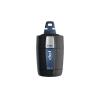
| Product Name | Wireless LoRa Ammonia Sensor for Livestock Houses | ||||||||||||||||||||||||||||
| Product Image | 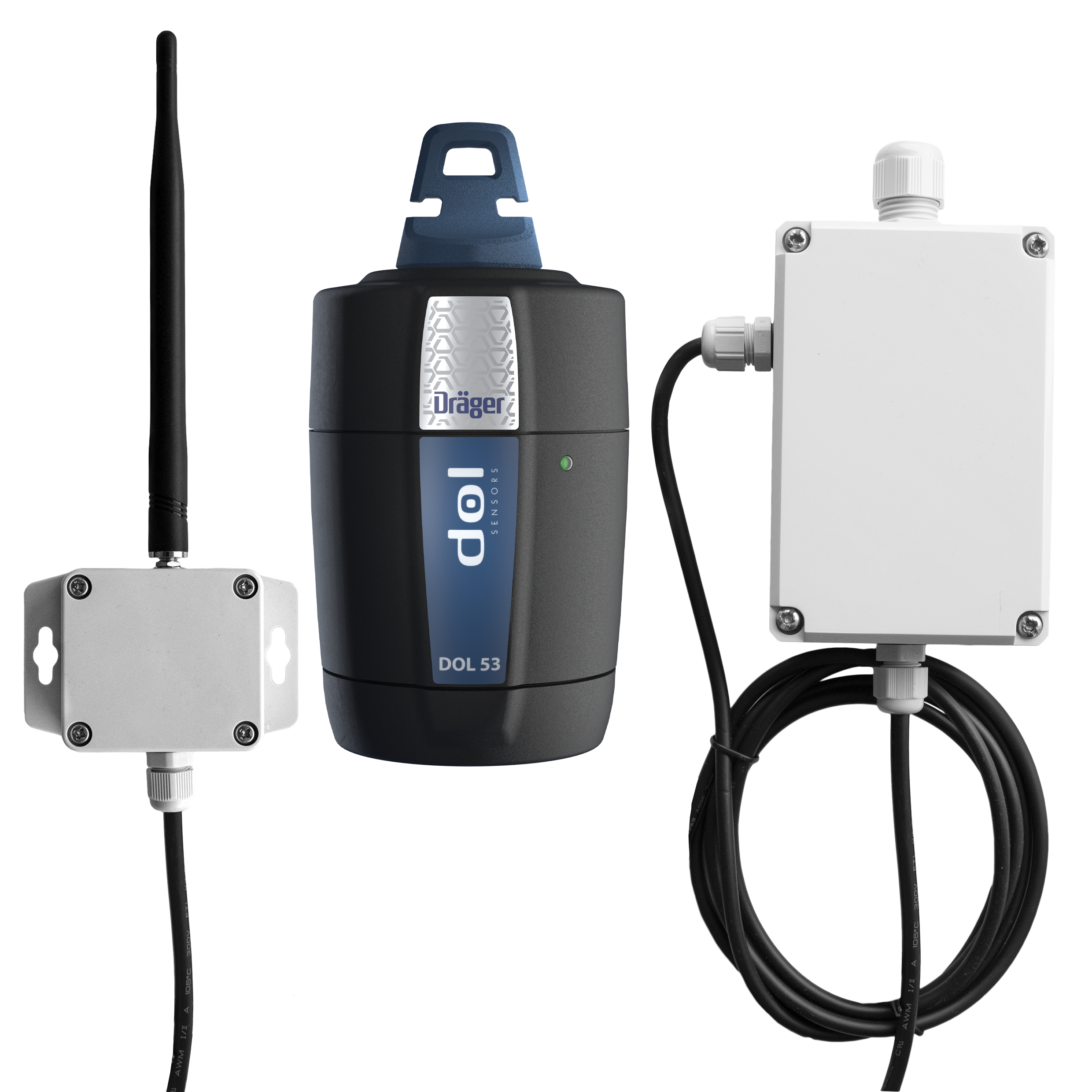 |
||||||||||||||||||||||||||||
| Product Overview | The Wireless LoRa Ammonia Sensor for Livestock Houses is designed for continuous NH3 monitoring in commercial pig houses, poultry houses, breeding barns, and other controlled-environment livestock facilities. It combines direct ammonia measurement with long-range wireless communication, helping farms deploy environmental monitoring with less field wiring. Installed directly inside the animal house, the sensor measures the ammonia concentration in the livestock living zone and transmits monitoring data wirelessly through a compatible LoRa or LoRaWAN communication system. This makes it particularly suitable for new livestock construction, renovation projects, multi-house farms, and facilities where installing extensive communication cabling is difficult or costly. The system can support ventilation management, air-quality supervision, animal welfare programs, farm environmental data collection, and integration with centralized livestock management platforms. |
||||||||||||||||||||||||||||
| Key Features |
|
||||||||||||||||||||||||||||
| Structural Components | A typical wireless ammonia monitoring unit includes an NH3 sensing module, protective housing, air diffusion or sensing inlet, replaceable filter, electronic signal-processing module, LoRa wireless communication module, power supply or battery section, mounting components, and communication gateway interface. The enclosure protects the electronic and sensing components while allowing representative livestock-house air to reach the ammonia measurement element. The wireless communication section transmits measurement data to a compatible gateway for further processing, storage, alarm management, or integration with farm management software. |
||||||||||||||||||||||||||||
| Working Principle / Structural Principle | The sensor is positioned directly inside the livestock house so that surrounding barn air reaches the NH3-sensitive measuring element. The sensing module continuously detects ammonia concentration and converts the measurement into digital monitoring data. The integrated LoRa communication module then wirelessly transmits the measurement data to a compatible gateway. The gateway can collect information from multiple wireless sensors and transfer the data to a farm management system, cloud platform, API, local monitoring interface, or other environmental control architecture according to project requirements. This distributed wireless design can reduce communication wiring inside long livestock buildings and simplify the expansion of sensor networks across multiple barns or production zones. |
||||||||||||||||||||||||||||
| Technical Specifications |
|
||||||||||||||||||||||||||||
| Applications |
|
||||||||||||||||||||||||||||
| Customization Options | SHEWUYOU can configure wireless ammonia monitoring solutions according to livestock species, barn dimensions, steel structure layout, sensor quantity, communication distance, gateway location, farm network architecture, climate-control strategy, and local operating conditions. Available options may include communication configuration, gateway arrangement, battery or power solution, mounting bracket, monitoring platform connection, data interface, alarm strategy, sensor quantity, installation height, and multi-house network planning. Project configurations are customizable and can be designed according to local climate and farm conditions. |
||||||||||||||||||||||||||||
| Installation & Maintenance | Install the sensor inside the livestock house at a representative monitoring position so that measured NH3 levels reflect the actual air conditions experienced by the animals. Avoid locations directly beside fresh-air inlets, exhaust fans, heaters, cooling pads, doors, high-pressure washing points, or other areas that may produce non-representative readings. Wireless signal coverage should be evaluated before finalizing sensor and gateway locations, particularly in long steel structure buildings, multi-room livestock facilities, or sites containing large metal obstacles. Routine maintenance should include inspection of the sensing inlet, filter, mounting hardware, housing condition, battery or power status, wireless communication status, and sensor service life. Replace service components according to the selected sensor specification and actual farm operating environment. |
||||||||||||||||||||||||||||
| Project Cases | The wireless LoRa ammonia monitoring concept is suitable for both individual livestock buildings and multi-house commercial farms. A typical project can deploy multiple NH3 sensors across pig houses, poultry houses, or separate production zones, with measurements transmitted wirelessly to one or more gateways. For farm renovation projects, wireless communication can reduce the amount of new signal cabling required through walls, ceilings, service corridors, and steel structure building sections. For new construction, LoRa sensors can form part of a broader smart livestock environmental monitoring network covering ammonia, temperature, humidity, carbon dioxide, and other farm parameters according to project requirements. |
||||||||||||||||||||||||||||
| Product FAQ | Q1: What is the main advantage of a wireless LoRa ammonia sensor? LoRa communication reduces the need for long signal cables between the livestock house sensor and the central data collection system, making installation and future expansion more convenient. Q2: Can the sensor be used in both pig and poultry houses? Yes. The sensing concept is designed for ammonia monitoring in demanding livestock environments, including commercial pig and poultry production facilities. Q3: Does ammonia measurement require sampling tubes or pumps? Direct in-house configurations can measure ammonia at the installation point without an external tube or pump-based sampling system. Q4: Is local internet required for the sensor itself? LoRa communication between the sensor and compatible gateway can operate independently of a local internet connection. The final data-access method depends on the gateway and farm management system selected for the project. Q5: Can multiple ammonia sensors connect to one monitoring system? Yes. Multi-sensor networks can be designed according to barn quantity, building dimensions, wireless coverage, gateway capacity, and project requirements. Q6: Can the monitoring data be integrated into our existing farm management software? Integration can be provided according to the selected gateway, API, controller, communication protocol, and software architecture. Q7: Where should the ammonia sensor be installed? It should be mounted at a representative location within the livestock living environment while avoiding positions directly affected by fresh-air jets, exhaust outlets, heaters, cooling equipment, or other localized influences. |
||||||||||||||||||||||||||||
| Product Gallery | 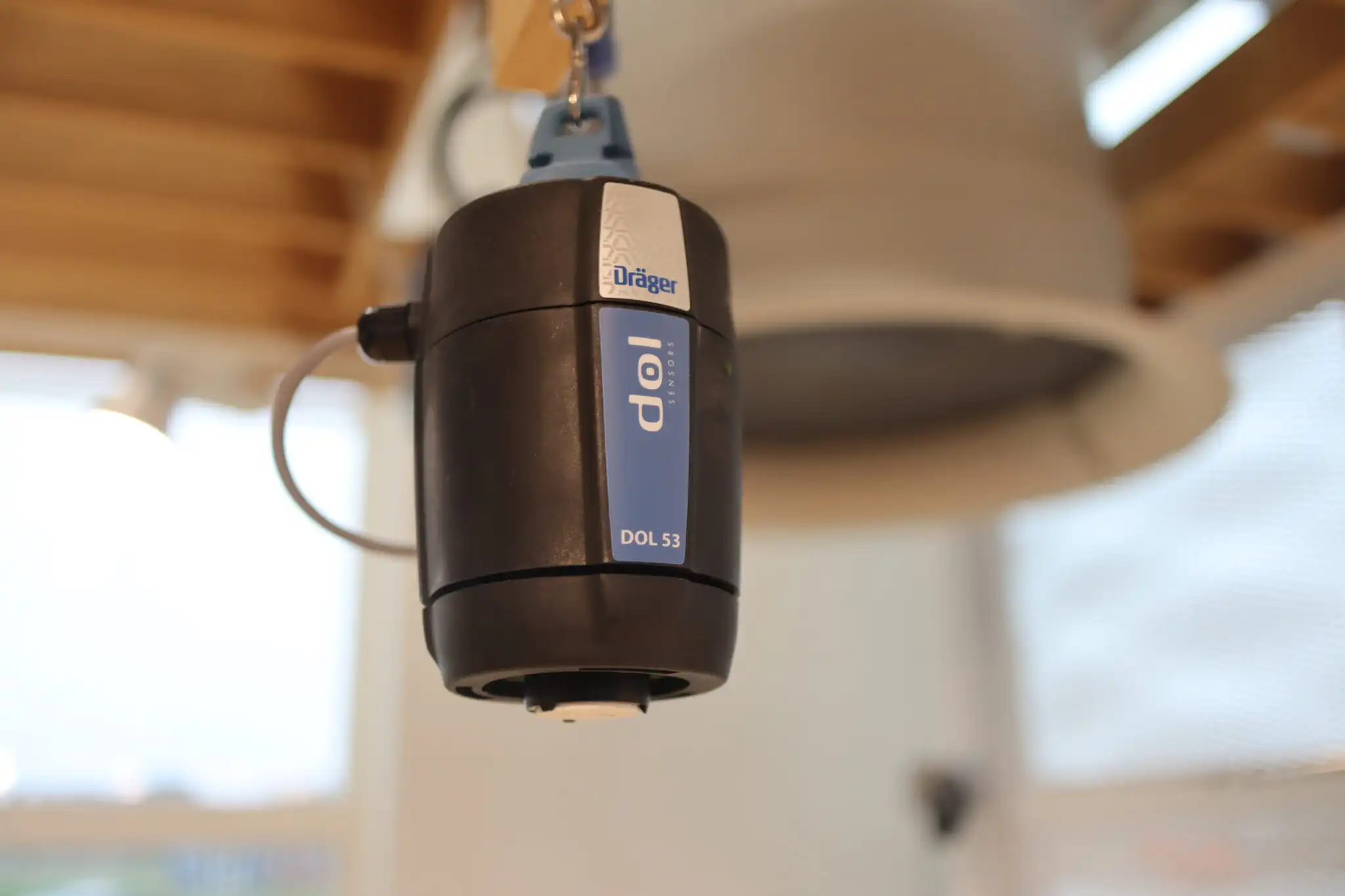  |
- Home
-
Products
- Pig Farming Equipment
- Cattle Farming Equipment
- Sheep & Goat Farming Equipment
- Poultry Farming Equipment
- Feeding & Drinking Systems
- Veterinary & Breeding Equipment
- Testing & Diagnostic Equipment
- Cleaning & Biosecurity Equipment
- Climate Control Equipment
- Livestock Weighing Equipment
- Manure & Waste Management
- Farm Transport & Handling
-
Solutions
- Pig Farm Solutions
- Dairy Farm Solutions
- Beef Cattle Farm Solutions
- Sheep & Goat Farm Solutions
- Layer Farm Solutions
- Broiler Farm Solutions
- Feeding & Drinking System Solutions
- Climate Control Solutions
- Biosecurity & Disinfection Solutions
- Manure & Waste Management
- Smart Farming Solutions
- Farm Renovation and Upgrade Solutions
- Partners
- Projects
- Resources
- News
- About Us
- Contact



Comments & Inquiries
Leave your questions or requirements below. We will reply as soon as possible.