


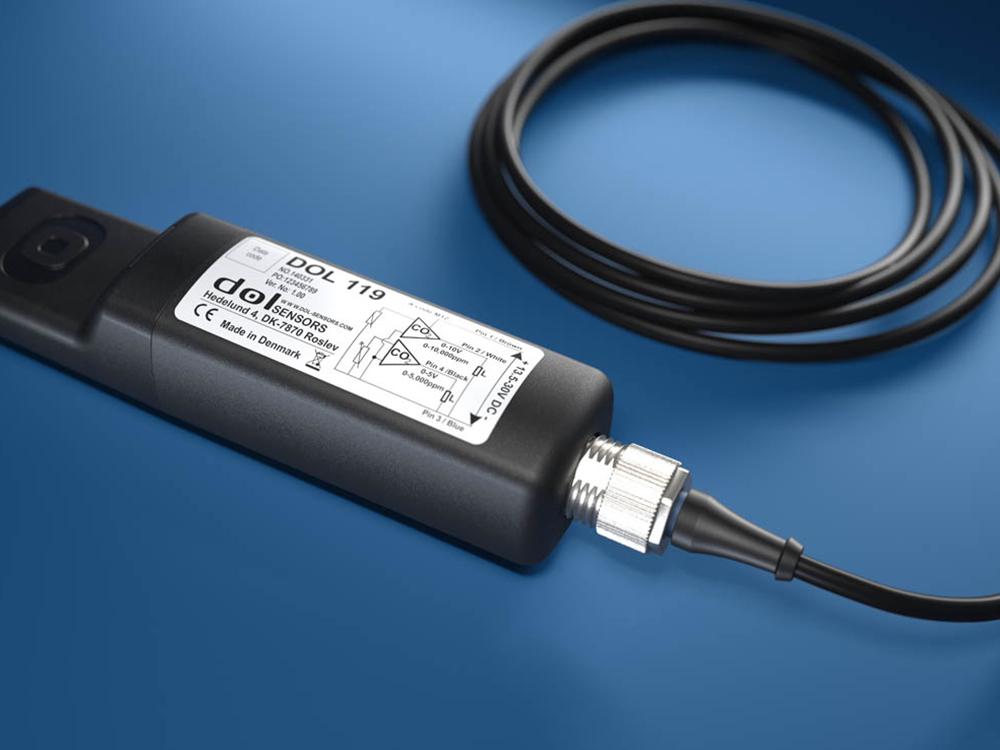
| Product Showcase | Content | ||||||||||||||||||||||||||||||
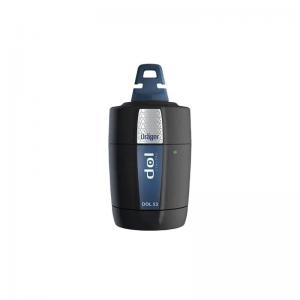
| Product Name | Multi-Point CO2 Sensor System for Livestock Houses | ||||||||||||||||||||||||||||||
| Product Image | 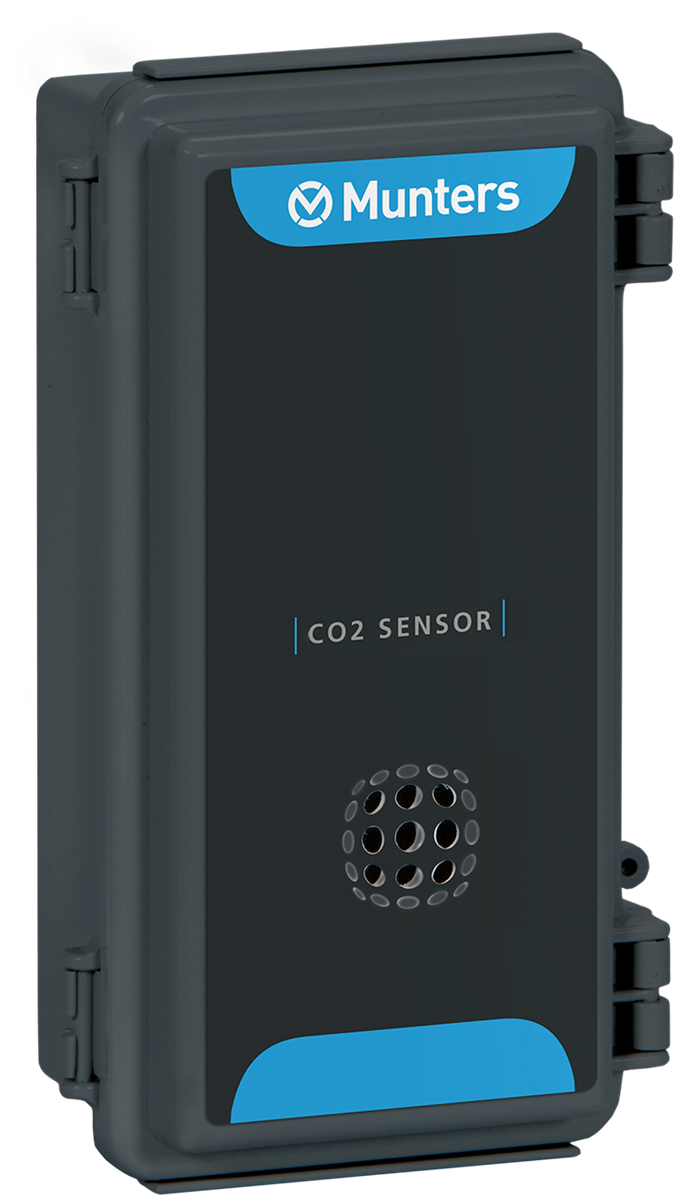 |
||||||||||||||||||||||||||||||
| Product Overview | The Multi-Point CO2 Sensor System for Livestock Houses is a distributed environmental monitoring solution designed for commercial pig houses, poultry houses and other controlled livestock buildings. Multiple fixed CO2 sensing points can be installed in different production areas or ventilation zones and connected to a compatible centralized livestock climate controller. The system continuously monitors carbon dioxide conditions at selected locations instead of relying on a single measurement point. This provides farm operators with more representative information about air quality, minimum ventilation performance and environmental differences throughout long livestock buildings or multi-room production facilities. Depending on the selected controller and project configuration, CO2 measurements can support ventilation adjustment, environmental alarms, historical data analysis and coordinated control of fans, air inlets and heating equipment. The system is suitable for new pig farm construction, poultry projects, steel structure livestock buildings and retrofit projects where centralized environmental monitoring is required. |
||||||||||||||||||||||||||||||
| Key Features |
|
||||||||||||||||||||||||||||||
| Structural Components |
|
||||||||||||||||||||||||||||||
| Working Principle / Structural Principle | Each CO2 sensor continuously measures carbon dioxide concentration at its local monitoring position. The measurement is converted into an electrical signal and transmitted to a compatible livestock climate controller. In a multi-point configuration, sensors can be distributed through different sections of the building. The controller receives measurement data from the connected environmental monitoring system and uses the information according to the programmed ventilation strategy. When measured CO2 conditions move outside user-defined environmental parameters, the climate-control system can increase or modify ventilation according to the selected controller logic. This helps provide sufficient fresh-air exchange while avoiding unnecessary ventilation and heating losses during cold-weather operation. Multiple monitoring points are particularly useful in long houses, compartmentalized buildings and facilities where animal density, airflow patterns or heating conditions differ between production areas. |
||||||||||||||||||||||||||||||
| Technical Specifications |
Final measuring range, sensor quantity, power supply, cable routing, controller capacity and interface configuration should be confirmed according to the selected equipment and individual project requirements. |
||||||||||||||||||||||||||||||
| Applications |
|
||||||||||||||||||||||||||||||
| Customization Options | The system can be engineered around livestock-house dimensions, building layout, ventilation strategy and the required level of environmental monitoring.
|
||||||||||||||||||||||||||||||
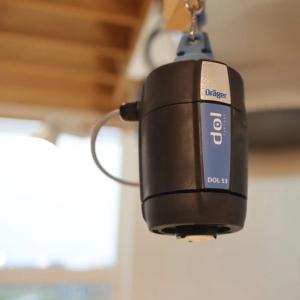
| Installation & Maintenance | CO2 sensors should be installed at representative monitoring positions rather than locations affected by unusually strong local airflow. The layout should consider livestock-house length, animal areas, compartment divisions, fresh-air inlets, exhaust points, heating equipment and the overall ventilation strategy. For large buildings, several sensing points can be distributed along the house or allocated to individual climate zones. The final quantity and position should be determined according to the required monitoring resolution and controller configuration. Electrical wiring should follow the sensor and controller installation instructions. Signal cables should be routed securely and protected from animal contact, mechanical damage and excessive moisture. Sensor housings and cable connections should be inspected periodically. Keep sensing openings clean and unobstructed. Where sensors must be removed or protected during intensive cleaning and disinfection, follow the selected sensor manufacturer's maintenance procedure. After installation or replacement, verify sensor readings and controller communication before returning the environmental control system to automatic operation. |
||||||||||||||||||||||||||||||
| Project Cases | Long Commercial Pig House: Multiple CO2 monitoring points can be installed along a long finishing or breeding building. The distributed layout helps identify differences in indoor air quality and provides environmental data for centralized ventilation management. Multi-Room Pig Production Facility: Separate sensors can be assigned to individual rooms or production sections. This enables each area to be monitored according to its stocking density, animal age and ventilation requirements. Commercial Poultry House: Distributed CO2 measurement can support minimum ventilation, heating coordination and environmental supervision throughout the production cycle. Integrated Farm Automation Project: CO2 inputs can be combined with temperature, humidity, ammonia and static-pressure information in a centralized livestock climate-control system. The exact control functions depend on the selected farm controller and project design. |
||||||||||||||||||||||||||||||
| Product FAQ | Q1: Why use multiple CO2 sensors in one livestock house? Large or compartmentalized livestock buildings can have different environmental conditions in different areas. Multiple sensors provide localized measurements and give farm operators a more complete picture of indoor air quality. Q2: How many CO2 monitoring points are required? There is no universal quantity. Sensor numbers should be determined according to building length, compartment layout, livestock density, ventilation zones and the required monitoring resolution. Q3: Can the system automatically control ventilation? Yes, when connected to a compatible livestock climate controller. CO2 measurements can be used as an environmental input for ventilation-control functions according to the controller's programmed strategy. Q4: Is the system suitable for commercial pig farms? Yes. It can be used in sow, nursery, weaner and finishing facilities as part of a centralized pig-house climate-control system. Q5: Can the system be used in poultry houses? Yes. CO2 monitoring is widely applicable to broiler, breeder and layer buildings, especially for minimum-ventilation and indoor air-quality management. Q6: What signal is used by the reference sensor? The referenced Munters CO2 sensor transmits measurement data through a 4-20 mA output. Final interface requirements should be confirmed with the selected farm controller. Q7: Can the system monitor other environmental parameters? A livestock climate-control project can also incorporate compatible temperature, humidity, ammonia, pressure and other environmental sensors according to project requirements. Q8: Can sensor quantities and wiring lengths be customized? Yes. Sensor quantities, cable routing, control-panel arrangements and installation accessories can be configured according to the livestock-house project. Q9: Is the system suitable for new livestock house construction? Yes. For new projects, sensor positions, cable routes and controller locations can be planned together with the ventilation, electrical and steel structure building design. |
||||||||||||||||||||||||||||||
| Product Gallery | 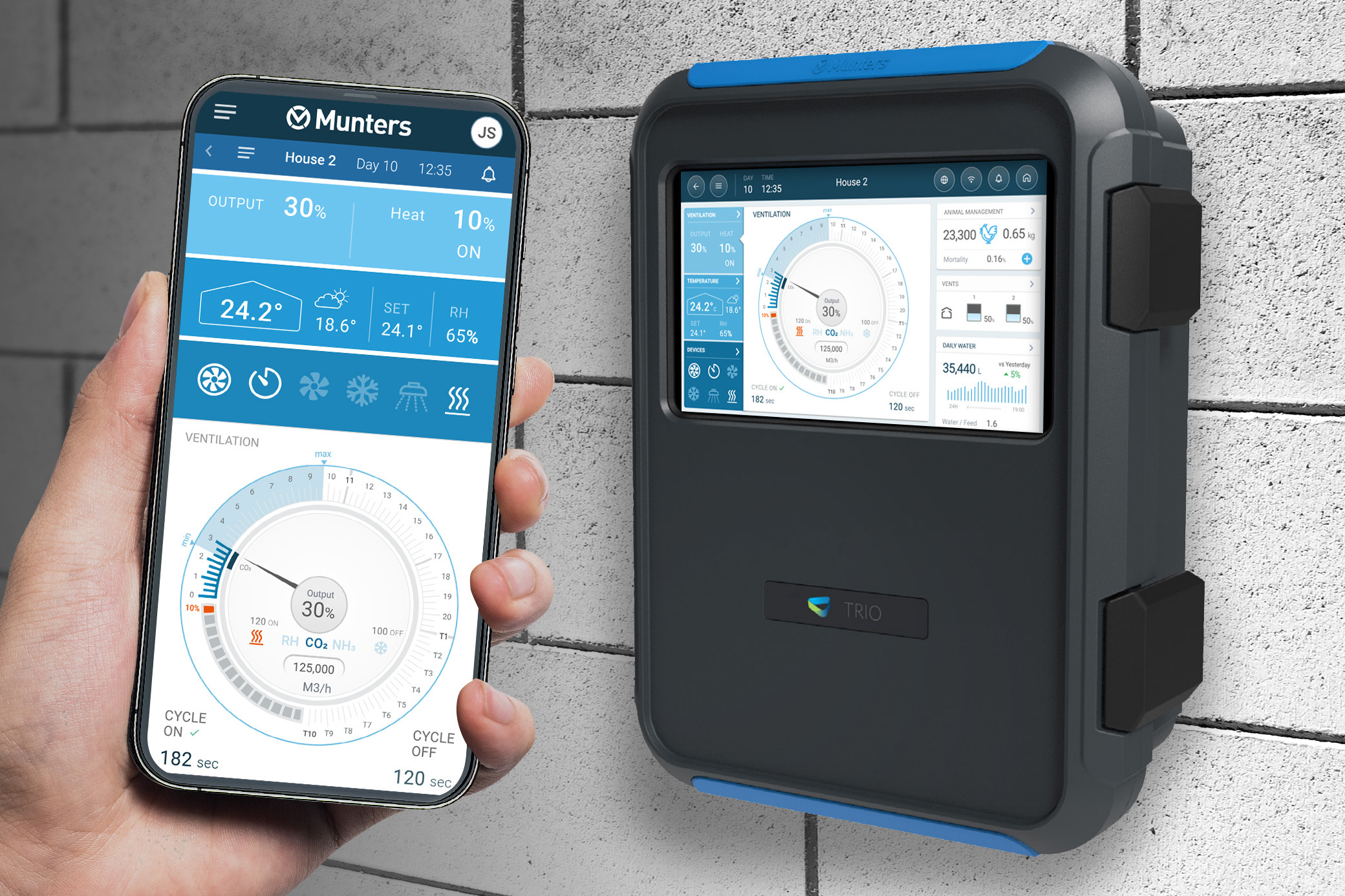  |
- Home
-
Products
- Pig Farming Equipment
- Cattle Farming Equipment
- Sheep & Goat Farming Equipment
- Poultry Farming Equipment
- Feeding & Drinking Systems
- Veterinary & Breeding Equipment
- Testing & Diagnostic Equipment
- Cleaning & Biosecurity Equipment
- Climate Control Equipment
- Livestock Weighing Equipment
- Manure & Waste Management
- Farm Transport & Handling
-
Solutions
- Pig Farm Solutions
- Dairy Farm Solutions
- Beef Cattle Farm Solutions
- Sheep & Goat Farm Solutions
- Layer Farm Solutions
- Broiler Farm Solutions
- Feeding & Drinking System Solutions
- Climate Control Solutions
- Biosecurity & Disinfection Solutions
- Manure & Waste Management
- Smart Farming Solutions
- Farm Renovation and Upgrade Solutions
- Partners
- Projects
- Resources
- News
- About Us
- Contact

Comments & Inquiries
Leave your questions or requirements below. We will reply as soon as possible.