



| Product Showcase | Content | ||||||||||||||||||||||||||||||
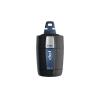
| Product Name | 0-10V Ammonia Sensor for Livestock Climate Control | ||||||||||||||||||||||||||||||
| Product Image | 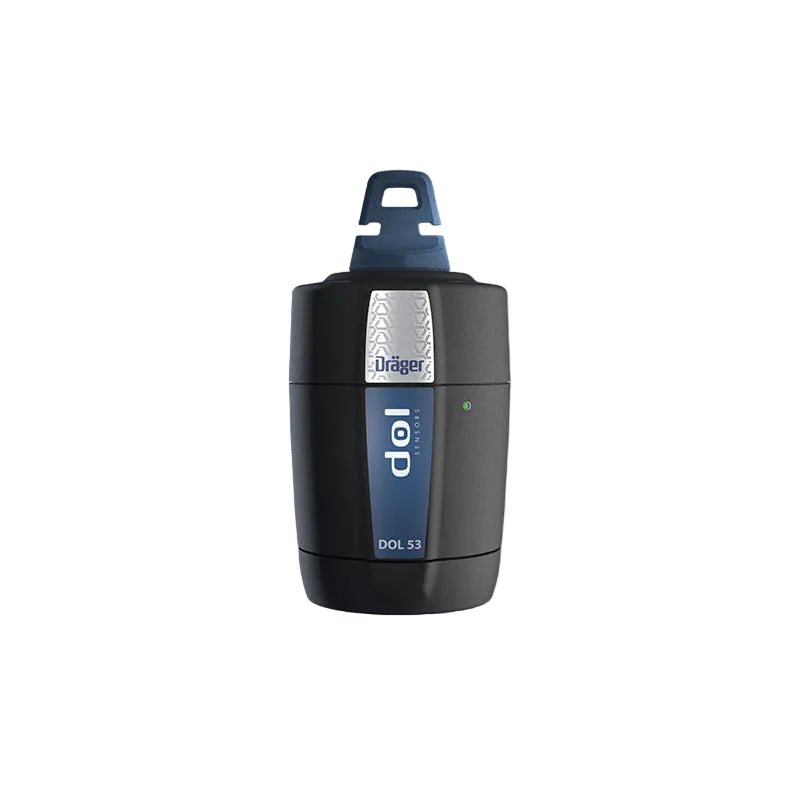 |
||||||||||||||||||||||||||||||
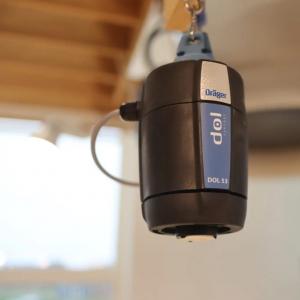
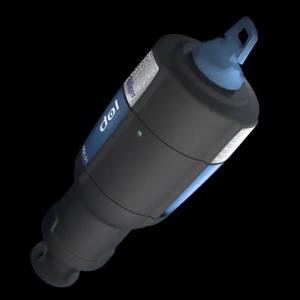
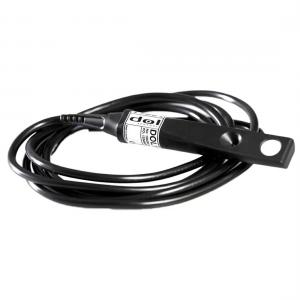
| Product Overview | The 0-10V Ammonia Sensor for Livestock Climate Control is designed for stationary and continuous monitoring of ammonia concentration in livestock buildings. It converts the measured NH3 concentration into a standard 0-10V analog signal for connection to compatible farm climate controllers, environmental monitoring systems and ventilation control equipment. The sensor is suitable for commercial pig houses, poultry houses and other enclosed livestock facilities where manure, slurry and litter can generate ammonia. Continuous NH3 monitoring helps farm operators identify deteriorating air conditions and supports timely adjustment of ventilation, air exchange and environmental management strategies. Its protected sensor housing, replaceable sensing element and dust filtration structure are designed for demanding agricultural environments. The unit can be integrated into new livestock buildings as well as retrofit climate-control projects. |
||||||||||||||||||||||||||||||
| Key Features |
|
||||||||||||||||||||||||||||||
| Structural Components |
|
||||||||||||||||||||||||||||||
| Working Principle / Structural Principle | Ammonia-containing air reaches the electrochemical sensing element through the protected air inlet and dust-filter section. The sensing element responds to the NH3 concentration in the surrounding air, while the internal electronics process the signal and transmit a proportional voltage to the connected climate controller. In the reference 0-10V configuration, the analog output represents the measured ammonia concentration across the configured measuring range. The climate-control system can use this signal for monitoring, alarm functions, ventilation adjustment or environmental data logging according to the farm control strategy. Correct placement is important. The sensor should have free airflow around the sensing area and should not be installed directly beside fresh-air inlets, walls, strong heat sources or locations exposed to direct water spray. |
||||||||||||||||||||||||||||||
| Technical Specifications |
Final specifications, connector configuration, cable requirements and control-system compatibility should be confirmed according to the individual livestock project. |
||||||||||||||||||||||||||||||
| Applications |
|
||||||||||||||||||||||||||||||
| Customization Options | SHEWUYOU can provide project-oriented configuration support for livestock environmental monitoring systems.
|
||||||||||||||||||||||||||||||
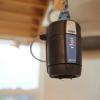
| Installation & Maintenance | Install the sensor in a representative air-monitoring position with free airflow around the sensing area. For the reference configuration, the unit is mounted vertically with the sensing section facing downward and should remain close to vertical during operation. Avoid direct sunlight, direct water spray, heavy condensation, excessive vibration and positions immediately beside fresh-air inlets or other locations where local airflow may not represent the general livestock-house environment. After installation and electrical connection, allow the sensor to complete its warm-up period before relying on measurement data. Electrical installation should be performed by qualified personnel according to the controller wiring diagram and applicable electrical standards. Periodically inspect the sensor and dust filter. Replace a clogged dust filter to maintain response performance. Remove or protect the sensing unit during intensive livestock-house washing and disinfection when required. Replace the sensing element according to its specified service-life schedule and actual operating conditions. |
||||||||||||||||||||||||||||||
| Project Cases | Typical projects include ammonia monitoring points connected to centralized climate controllers in commercial pig houses and poultry houses. The sensor can provide continuous NH3 data to help operators evaluate indoor air quality and coordinate ventilation strategies with temperature, humidity, CO2 and static-pressure monitoring. For large livestock complexes, multiple ammonia sensors can be arranged according to building length, ventilation zones, stocking areas and project requirements. Sensor quantity and placement should be determined from the actual building layout and ventilation design rather than using a fixed universal configuration. |
||||||||||||||||||||||||||||||
| Product FAQ | Q1: What does the 0-10V output represent? The sensor converts measured ammonia concentration into a proportional analog voltage signal that can be read by a compatible livestock climate controller or monitoring system. Q2: Can the sensor be connected to a pig house climate controller? Yes. It is intended for integration with compatible environmental controllers that accept the required analog input. Controller compatibility should be checked before ordering. Q3: Is it suitable for poultry houses? Yes. Continuous ammonia monitoring is particularly useful in poultry buildings where litter condition, ventilation rate and stocking conditions can influence NH3 concentration. Q4: Can it be used in commercial pig farms? Yes. It can be incorporated into pig-house environmental monitoring systems to support air-quality assessment and ventilation management. Q5: Does the sensor require maintenance? Routine inspection is recommended. The dust filter should be replaced when clogged, and the sensing element should be replaced according to its specified service life. Q6: Can the cable and installation accessories be customized? Project-specific cable, mounting and system-integration requirements can be discussed according to the livestock-house design and controller configuration. Q7: Where should the ammonia sensor be installed? It should be installed where surrounding air represents the livestock-house environment, with adequate airflow and suitable distance from walls, air inlets, direct water spray and strong heat sources. |
||||||||||||||||||||||||||||||
| Product Gallery |  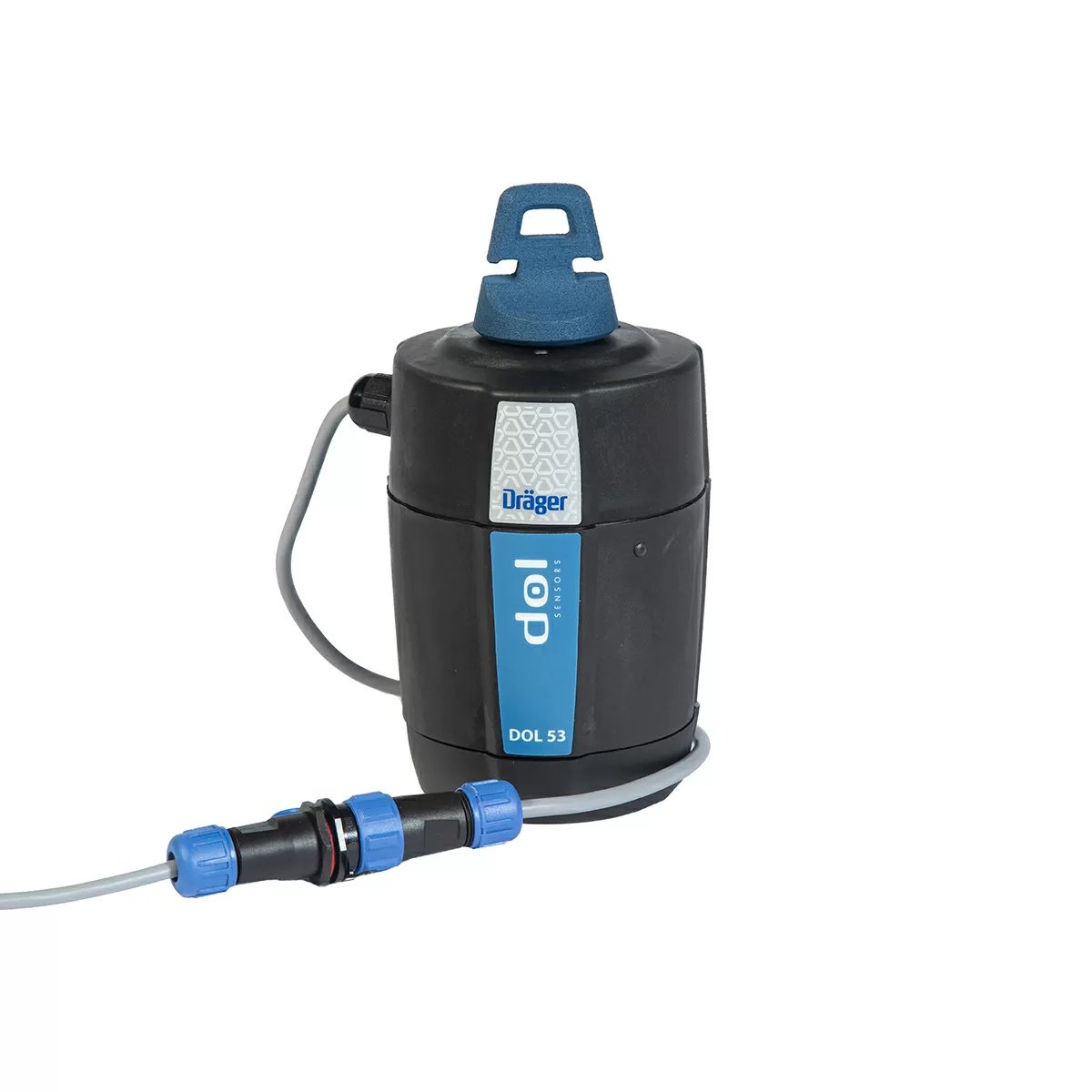 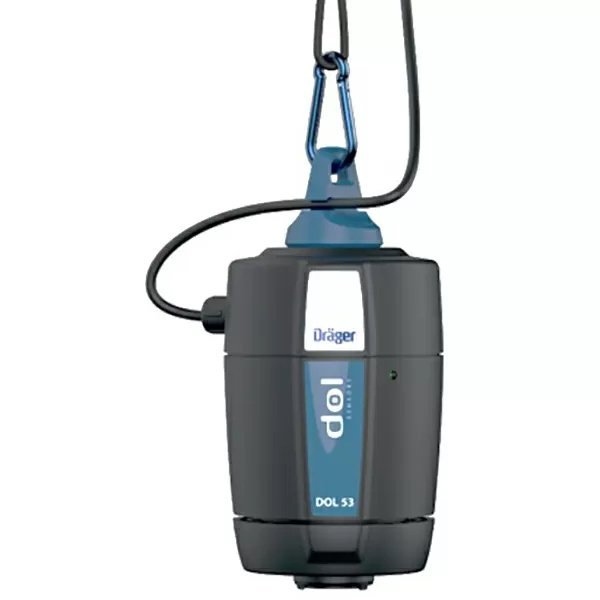 |
- Home
-
Products
- Pig Farming Equipment
- Cattle Farming Equipment
- Sheep & Goat Farming Equipment
- Poultry Farming Equipment
- Feeding & Drinking Systems
- Veterinary & Breeding Equipment
- Testing & Diagnostic Equipment
- Cleaning & Biosecurity Equipment
- Climate Control Equipment
- Livestock Weighing Equipment
- Manure & Waste Management
- Farm Transport & Handling
-
Solutions
- Pig Farm Solutions
- Dairy Farm Solutions
- Beef Cattle Farm Solutions
- Sheep & Goat Farm Solutions
- Layer Farm Solutions
- Broiler Farm Solutions
- Feeding & Drinking System Solutions
- Climate Control Solutions
- Biosecurity & Disinfection Solutions
- Manure & Waste Management
- Smart Farming Solutions
- Farm Renovation and Upgrade Solutions
- Partners
- Projects
- Resources
- News
- About Us
- Contact

Comments & Inquiries
Leave your questions or requirements below. We will reply as soon as possible.