



| Product Showcase | Content | ||||||||||||||||||||
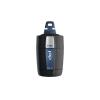
| Product Name | Livestock House High-Accuracy Ammonia Sensor | ||||||||||||||||||||
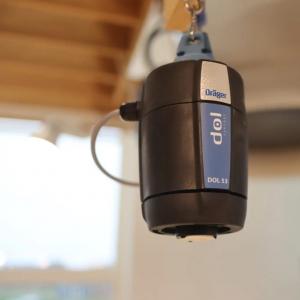
| Product Image | 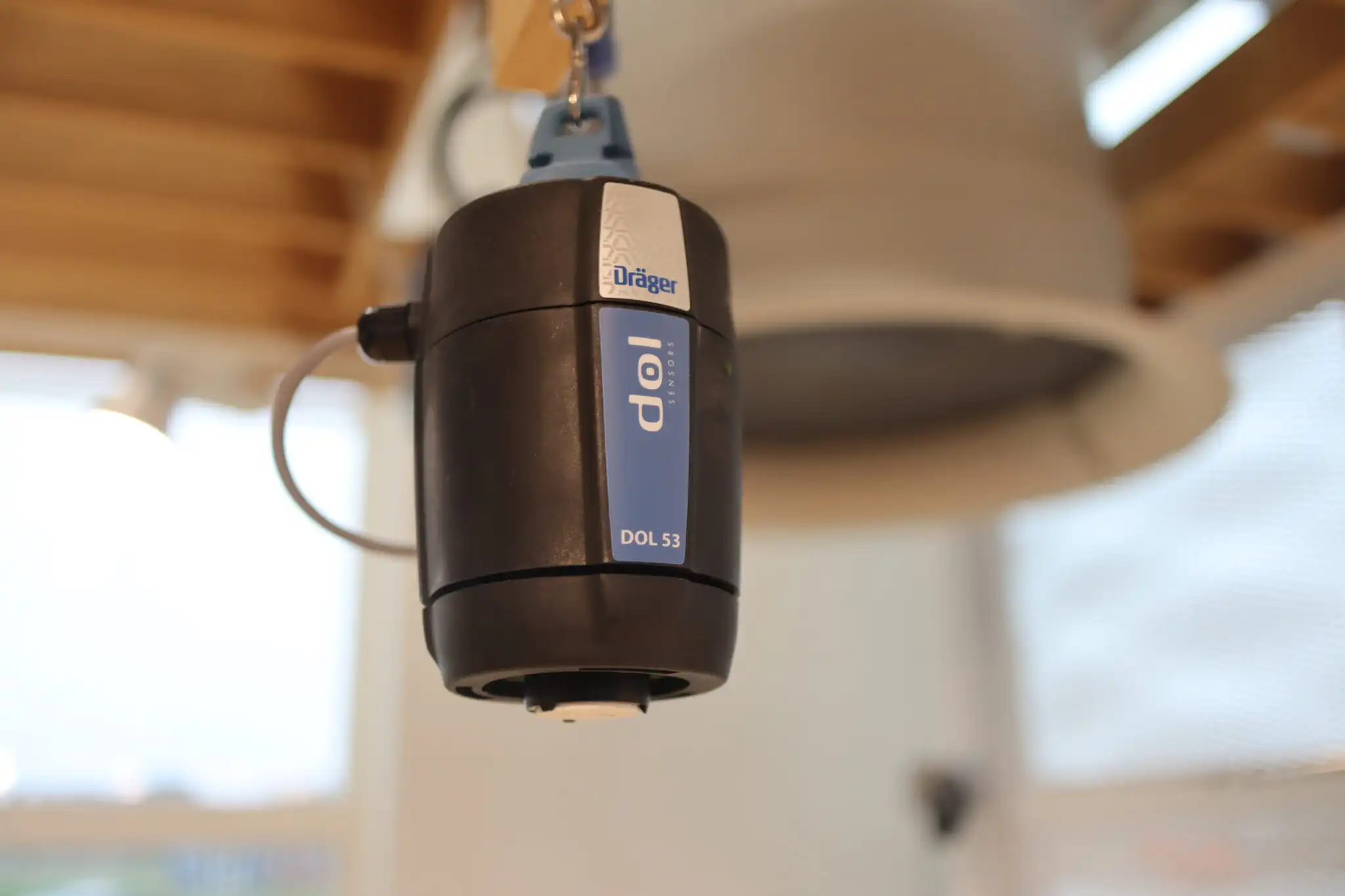 |
||||||||||||||||||||
| Product Overview | The Livestock House High-Accuracy Ammonia Sensor is designed for continuous monitoring of ammonia (NH3) concentration inside commercial livestock buildings. It provides farm managers and climate-control systems with reliable environmental data for ventilation adjustment, air-quality management, animal welfare monitoring, and production optimization. The sensor is suitable for demanding pig houses, poultry houses, breeding facilities, livestock barns, and other enclosed agricultural buildings where manure decomposition can cause ammonia accumulation. Its compact structure allows direct installation in the animal living environment, helping operators detect rising NH3 concentrations before poor air quality develops into a larger production problem. It can be incorporated into new livestock projects or integrated into existing ventilation and environmental control systems according to project requirements. |
||||||||||||||||||||
| Key Features |
|
||||||||||||||||||||
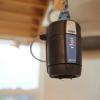
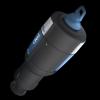
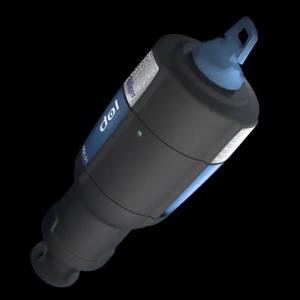
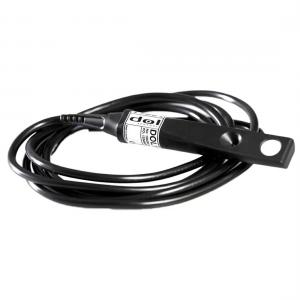
| Structural Components | A typical livestock ammonia monitoring unit consists of a protective enclosure, NH3 sensing element, gas diffusion area, electronic signal-processing module, electrical or communication interface, mounting structure, and replaceable service components where applicable. The housing is designed to protect the internal sensing electronics while allowing representative barn air to reach the measuring element. Mounting and connection arrangements can be customized to match livestock house construction, controller cabinets, steel structure buildings, and farm environmental control layouts. |
||||||||||||||||||||
| Working Principle / Structural Principle | The sensor continuously samples the surrounding livestock-house air through its sensing interface. The NH3-sensitive element responds to the ammonia concentration in the air, and the internal electronics convert this response into a stable measurement signal. The measured value can then be transferred to a farm climate controller, building management system, alarm unit, or monitoring platform. When ammonia concentration rises, the farm control system can use the signal as part of a ventilation-management strategy, enabling operators to increase fresh-air exchange or investigate manure, litter, drainage, ventilation, or stocking-condition issues. Actual sensing technology and signal output can be selected according to project requirements. |
||||||||||||||||||||
| Technical Specifications |
|
||||||||||||||||||||
| Applications |
|
||||||||||||||||||||
| Customization Options | SHEWUYOU can provide ammonia sensing solutions according to commercial livestock project requirements. Optional customization may include signal interface, communication method, cable length, mounting bracket, controller connection, monitoring platform integration, alarm logic, and enclosure configuration. Selection can be designed according to local climate, livestock species, house dimensions, ventilation layout, steel structure building design, environmental control system, and farm management requirements. |
||||||||||||||||||||
| Installation & Maintenance | The sensor should be installed in a representative livestock-house location where air samples reflect the conditions experienced by the animals. Avoid positions directly beside fresh-air inlets, exhaust fans, heaters, cooling pads, water spray systems, or other locations that may produce unrepresentative measurements. Installation height and sensor quantity should be selected according to house type, animal species, ventilation pattern, stocking density, building length, and controller strategy. During maintenance, keep the sensing area clean and inspect the housing, wiring, connectors, mounting components, and filter or sensing element where applicable. Replacement intervals and service procedures should follow the selected sensor configuration and operating environment. |
||||||||||||||||||||
| Project Cases | The Livestock House High-Accuracy Ammonia Sensor can be applied in both new-build and renovation projects. Typical projects include commercial pig farm ventilation upgrades, poultry house environmental monitoring, centralized livestock climate-control systems, smart farm data acquisition projects, and integrated livestock building automation. For large-scale farms, multiple sensors can be distributed across different houses or production zones and connected to a centralized monitoring platform according to project requirements. |
||||||||||||||||||||
| Product FAQ | Q1: Why should ammonia be continuously monitored in livestock houses? Ammonia is produced from manure and litter decomposition. Continuous monitoring helps farm managers identify deteriorating air quality and supports more effective ventilation and environmental management. Q2: Can this sensor be connected to an existing farm climate controller? Yes. Integration options can be selected according to the controller interface, communication protocol, and project requirements. Q3: Is the sensor suitable for pig houses and poultry houses? Yes. It is designed for livestock environments and can be used in commercial pig, poultry, and other enclosed animal-production buildings. Q4: Does the sensor require a complicated sampling system? Direct in-house measurement configurations are available, helping simplify installation and reduce the need for external sampling tubes or pumps. Q5: Can wireless ammonia monitoring be supplied? Wireless communication options are available upon request and can be selected according to farm layout and monitoring-system requirements. Q6: How many sensors are required for one livestock house? The quantity depends on building dimensions, ventilation zones, stocking layout, monitoring objectives, and environmental-control strategy. Sensor placement can be designed according to project requirements. |
||||||||||||||||||||
| Product Gallery | 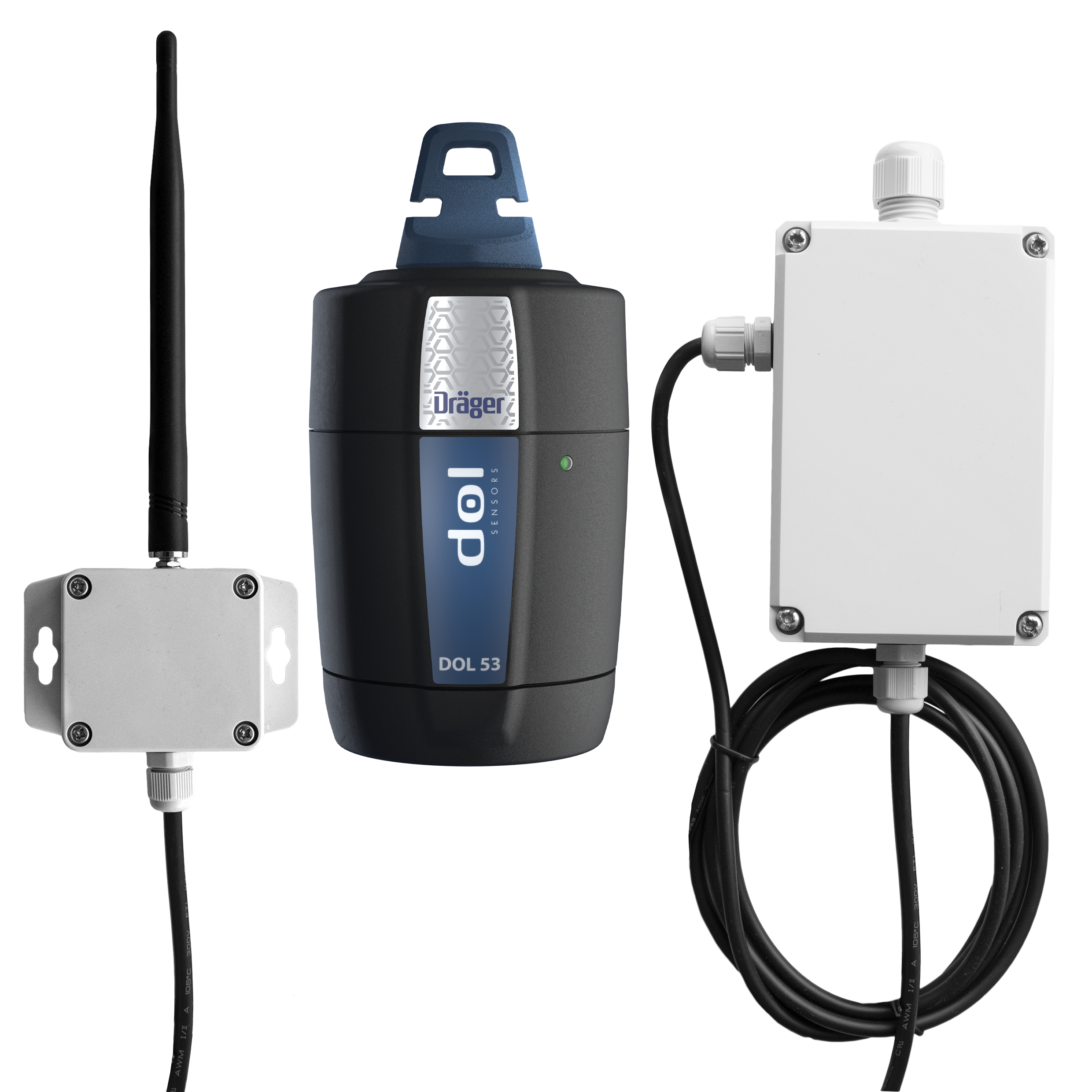 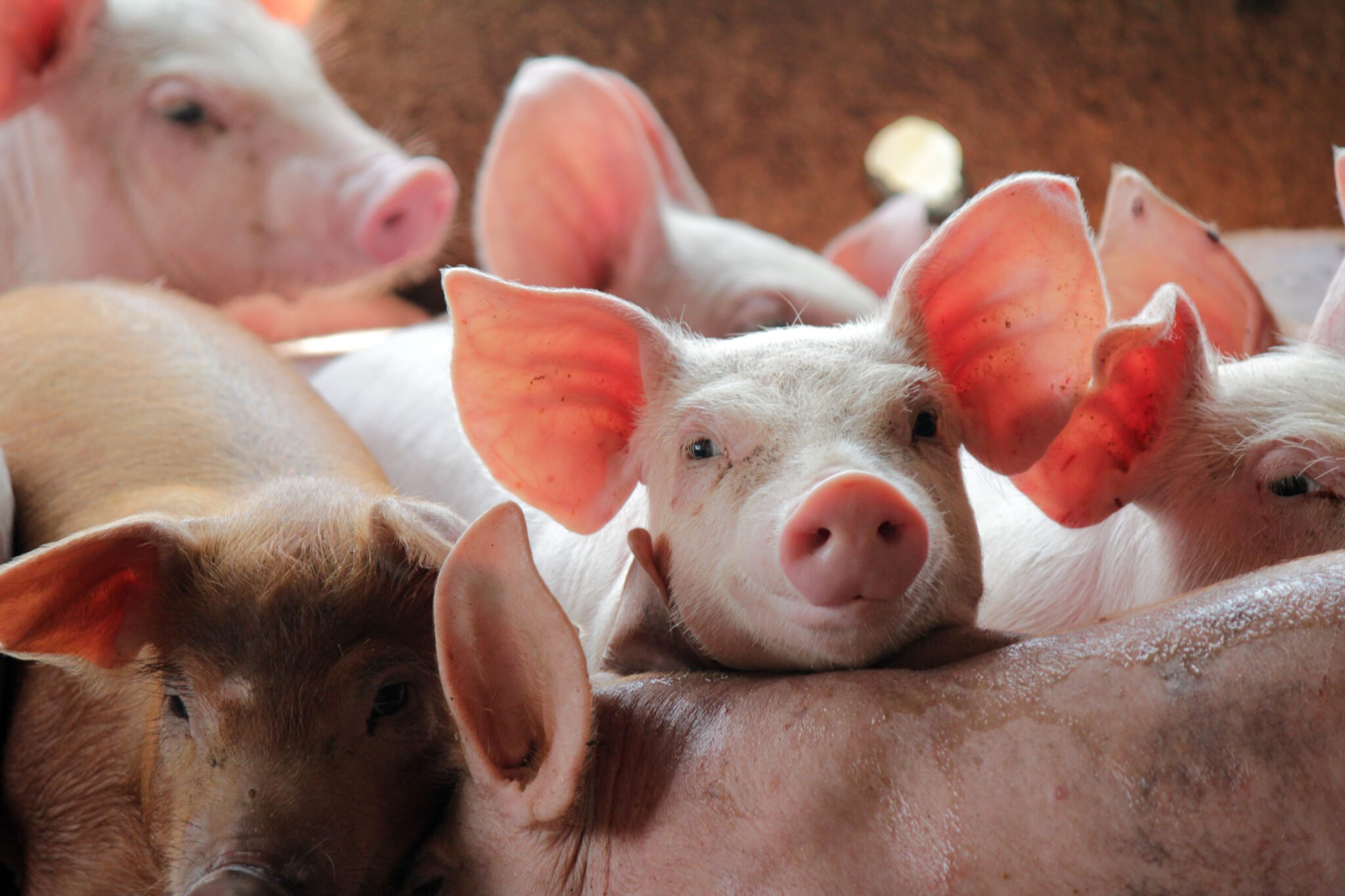 |
- Home
-
Products
- Pig Farming Equipment
- Cattle Farming Equipment
- Sheep & Goat Farming Equipment
- Poultry Farming Equipment
- Feeding & Drinking Systems
- Veterinary & Breeding Equipment
- Testing & Diagnostic Equipment
- Cleaning & Biosecurity Equipment
- Climate Control Equipment
- Livestock Weighing Equipment
- Manure & Waste Management
- Farm Transport & Handling
-
Solutions
- Pig Farm Solutions
- Dairy Farm Solutions
- Beef Cattle Farm Solutions
- Sheep & Goat Farm Solutions
- Layer Farm Solutions
- Broiler Farm Solutions
- Feeding & Drinking System Solutions
- Climate Control Solutions
- Biosecurity & Disinfection Solutions
- Manure & Waste Management
- Smart Farming Solutions
- Farm Renovation and Upgrade Solutions
- Partners
- Projects
- Resources
- News
- About Us
- Contact


Comments & Inquiries
Leave your questions or requirements below. We will reply as soon as possible.