



| Product Showcase | Content | ||||||||||||||||||||||
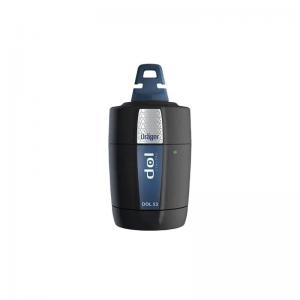
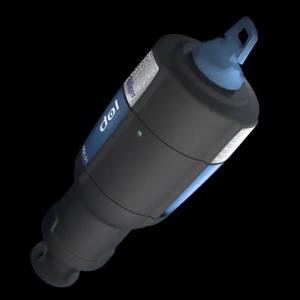
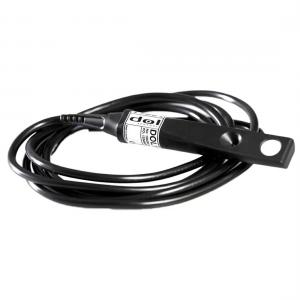
| Product Name | Ammonia Sensor for Livestock Ventilation Control | ||||||||||||||||||||||
| Product Image | 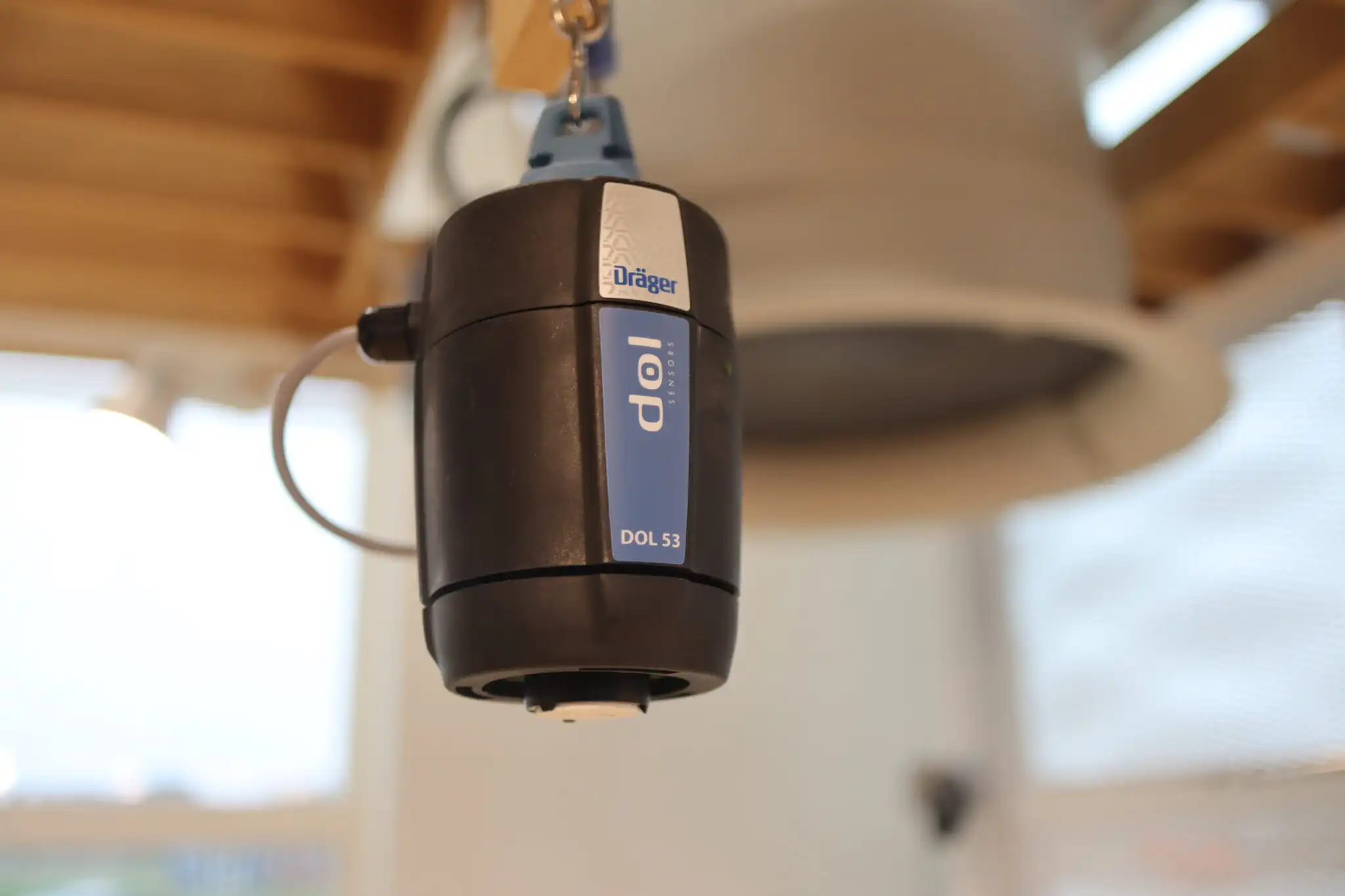 |
||||||||||||||||||||||
| Product Overview | The Ammonia Sensor for Livestock Ventilation Control is designed for continuous monitoring of airborne ammonia (NH3) in commercial pig houses, poultry houses and other intensive livestock buildings. It provides real-time environmental data that can be integrated with compatible climate controllers, ventilation management systems, PLCs or centralized farm monitoring platforms. Ammonia is generated from manure and other organic materials inside livestock buildings. Continuous NH3 monitoring allows farm operators to identify changes in indoor air quality and adjust ventilation strategies according to actual house conditions rather than relying only on fixed ventilation schedules. The sensor is intended for demanding livestock environments where dust, humidity, corrosive gases and continuous operation place higher requirements on environmental monitoring equipment. It is suitable for both new livestock-house construction and upgrades of existing ventilation and climate-control systems. |
||||||||||||||||||||||
| Key Features |
|
||||||||||||||||||||||
| Structural Components |
|
||||||||||||||||||||||
| Working Principle / Structural Principle | The sensor is installed directly in the livestock-house environment so that representative indoor air reaches the ammonia sensing element. Changes in NH3 concentration generate a corresponding sensing response, which is processed by the internal electronics and transmitted to a compatible environmental controller or farm monitoring system. The ammonia data can be used together with temperature, humidity, CO2, static pressure and other environmental measurements. Depending on the farm control strategy, the climate controller can use NH3 information for ventilation adjustment, environmental alarms, trend analysis and livestock-house management. This approach allows ventilation decisions to reflect actual indoor air-quality conditions while maintaining coordination with temperature and humidity management. |
||||||||||||||||||||||
| Technical Specifications |
|
||||||||||||||||||||||
| Applications |
|
||||||||||||||||||||||
| Customization Options | Project-specific ammonia monitoring solutions can be configured for different livestock species, barn layouts, ventilation systems and environmental-control platforms. Available options may include measurement configuration, output interface, cable length, connector type, mounting accessories, installation brackets and integration with compatible climate controllers or farm management systems. For pig farm construction, poultry-house engineering and complete livestock equipment projects, sensor quantities and installation positions can be designed according to house dimensions, ventilation layout, stocking configuration and local climate conditions. OEM and project-based configurations are available upon request. |
||||||||||||||||||||||
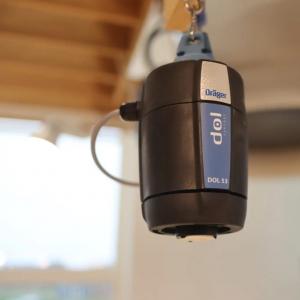
| Installation & Maintenance | Install the ammonia sensor at a location that represents normal livestock-house air conditions and allows unrestricted airflow around the sensing area. The final installation height and location should be selected according to animal type, barn layout, ventilation pattern and monitoring objectives. Avoid installation directly beside fresh-air inlets, exhaust fans, heaters, cooling-pad discharge areas, high-pressure washing jets or unusually concentrated manure-gas sources unless these locations are specifically included in the monitoring design. Electrical installation should follow the requirements of the selected sensor and compatible climate controller. Signal wiring should be routed separately from high-power cables where required by the project design. Routine maintenance normally includes checking the enclosure, sensing inlet, electrical connections and mounting components for dust accumulation, contamination or physical damage. Service procedures and sensor-element replacement intervals should follow the selected configuration and project maintenance plan. |
||||||||||||||||||||||
| Project Cases | Typical applications include ammonia monitoring for commercial pig houses, environmental-control upgrades for poultry farms, multi-house air-quality monitoring projects and integration with automated livestock ventilation systems. In new livestock construction projects, ammonia sensors can be planned together with temperature sensors, humidity sensors, CO2 sensors, static-pressure sensors, ventilation fans, air inlets and environmental controllers to create an integrated climate-control system. For large farm groups and agricultural engineering companies, monitoring points can be configured according to individual livestock buildings, production zones or centralized environmental-management requirements. |
||||||||||||||||||||||
| Product FAQ | Q: What is this ammonia sensor used for? A: It continuously monitors NH3 concentration inside livestock houses and provides environmental data for ventilation management, alarms, recording or integration with compatible climate-control systems. Q: Is it suitable for commercial pig farms? A: Yes. It can be used in commercial pig houses and other intensive livestock buildings when the configuration is selected according to the farm environment and control system. Q: Can ammonia data be used to control ventilation? A: Yes. When connected to a compatible livestock climate controller, ammonia measurements can be incorporated into the ventilation strategy. The actual control logic depends on the controller and project design. Q: Can it be integrated into an existing livestock house? A: Yes. Suitable configurations can be integrated into existing livestock-house monitoring and climate-control systems, subject to electrical and communication compatibility. Q: Where should the ammonia sensor be installed? A: It should normally be installed where it can measure representative air conditions within the livestock zone. The exact position depends on animal type, house geometry and ventilation design. Q: Does the sensor require frequent maintenance? A: The sensor is intended for low-maintenance continuous monitoring. Periodic inspection and servicing should follow the selected sensor configuration and operating environment. Q: Can you supply sensors for a complete pig farm project? A: Yes. Sensor quantities, wiring, mounting accessories and system integration can be configured according to project requirements. |
||||||||||||||||||||||
| Product Gallery | 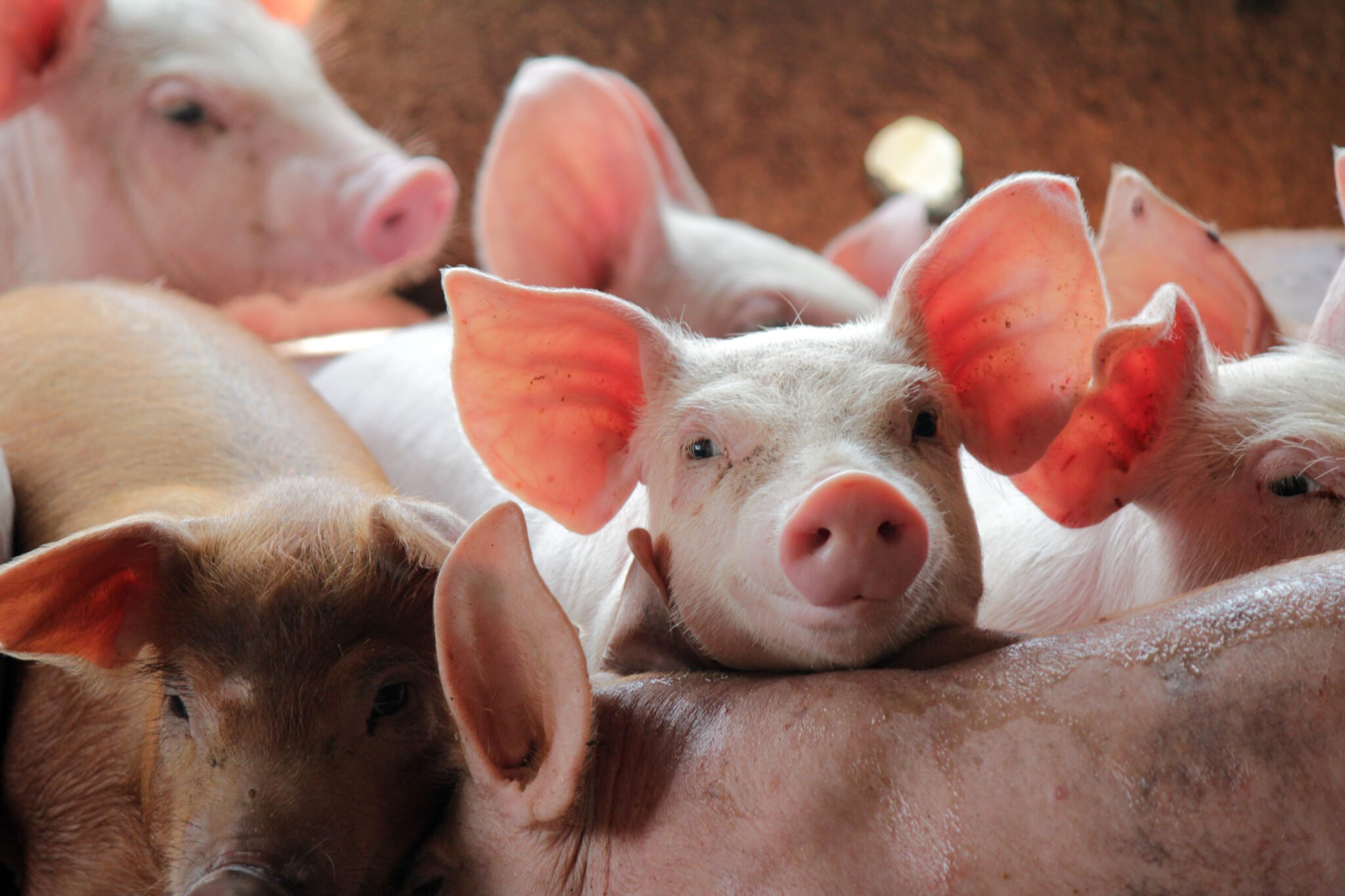 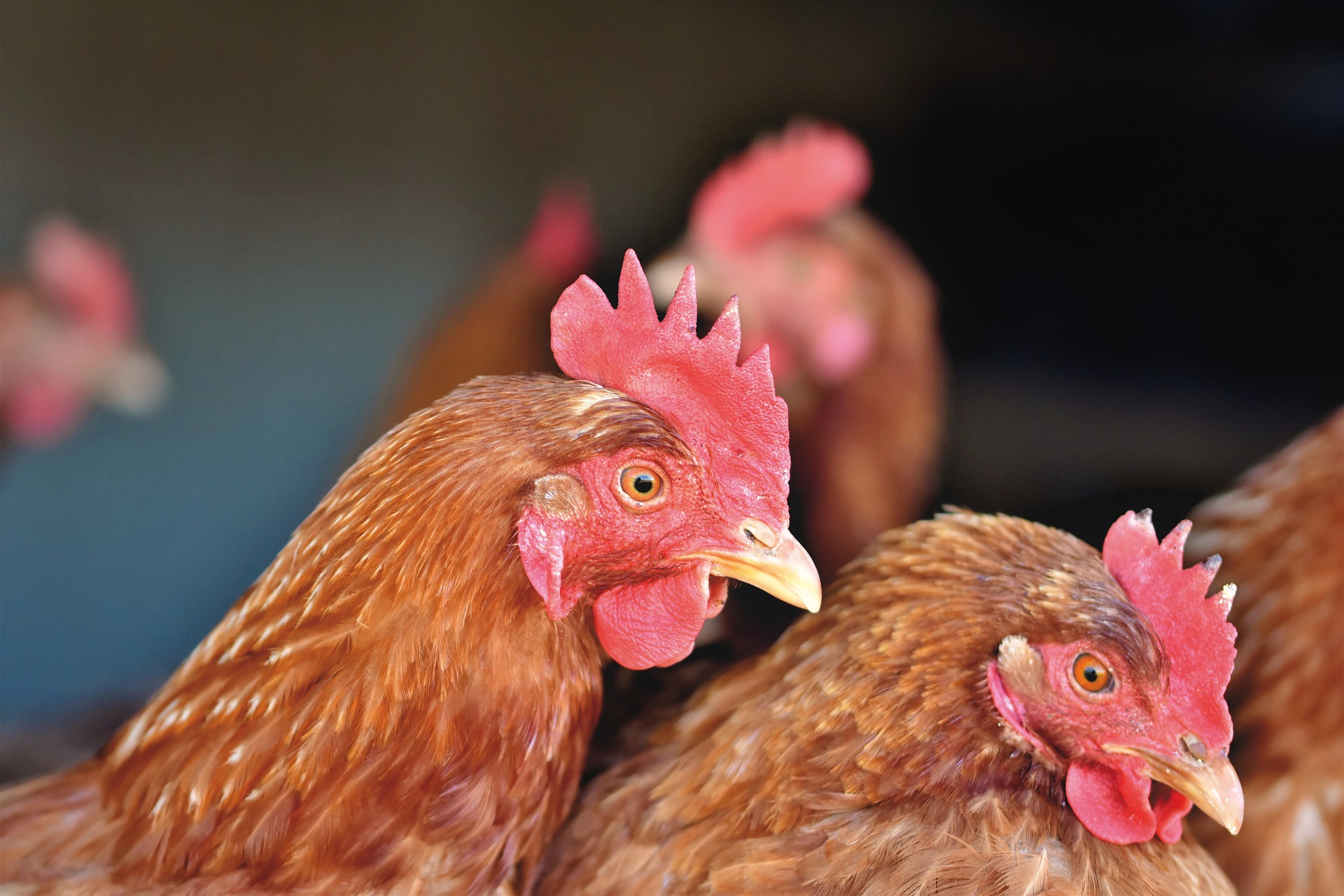 |
- Home
-
Products
- Pig Farming Equipment
- Cattle Farming Equipment
- Sheep & Goat Farming Equipment
- Poultry Farming Equipment
- Feeding & Drinking Systems
- Veterinary & Breeding Equipment
- Testing & Diagnostic Equipment
- Cleaning & Biosecurity Equipment
- Climate Control Equipment
- Livestock Weighing Equipment
- Manure & Waste Management
- Farm Transport & Handling
-
Solutions
- Pig Farm Solutions
- Dairy Farm Solutions
- Beef Cattle Farm Solutions
- Sheep & Goat Farm Solutions
- Layer Farm Solutions
- Broiler Farm Solutions
- Feeding & Drinking System Solutions
- Climate Control Solutions
- Biosecurity & Disinfection Solutions
- Manure & Waste Management
- Smart Farming Solutions
- Farm Renovation and Upgrade Solutions
- Partners
- Projects
- Resources
- News
- About Us
- Contact


Comments & Inquiries
Leave your questions or requirements below. We will reply as soon as possible.