

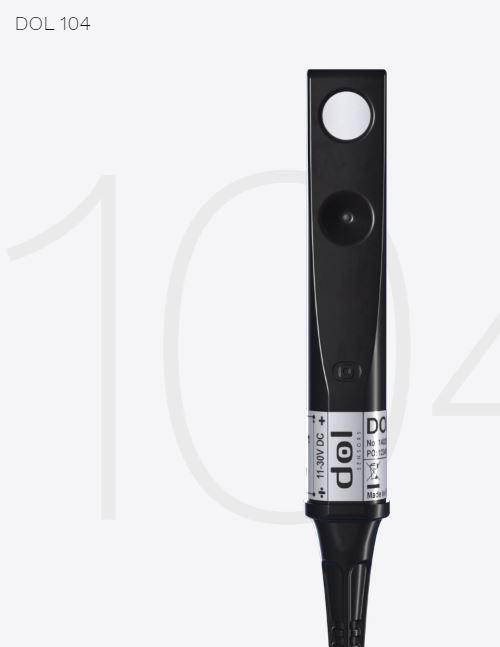


| Product Showcase | Content | ||||||||||||||||
| Product Name | Livestock House Temperature and Humidity Sensor | ||||||||||||||||
| Product Image |  |
||||||||||||||||
| Product Overview | The Livestock House Temperature and Humidity Sensor is a two-in-one environmental sensing device developed for continuous monitoring of relative humidity and air temperature in commercial livestock buildings. It can be integrated with livestock climate controllers, ventilation systems and farm environmental management systems to provide reliable climate data for automated ventilation, heating and cooling control. Designed for demanding animal-house environments, the sensor is suitable for pig houses, farrowing buildings, nursery and finishing barns, poultry houses and other intensive livestock facilities where humidity, dust, temperature fluctuations and routine washing create challenging operating conditions. |
||||||||||||||||
| Key Features |
|
||||||||||||||||
| Structural Components |
|
||||||||||||||||
| Working Principle / Structural Principle | The sensor continuously detects the air temperature and relative humidity inside the livestock building. The sensing elements respond to changes in the surrounding environment, while the integrated electronics process the measurements and transmit the corresponding signal to a compatible climate controller. The controller can use this information as part of the livestock-house climate strategy to regulate exhaust fans, air inlets, heating equipment, cooling systems or other environmental control devices. Reliable temperature and humidity feedback helps maintain more stable operating conditions throughout different production stages and seasonal climate changes. |
||||||||||||||||
| Technical Specifications |
|
||||||||||||||||
| Applications |
|
||||||||||||||||
| Customization Options | SHEWUYOU can configure the sensor package according to the requirements of livestock equipment manufacturers, engineering contractors, distributors and farm projects. Available options may include cable length, signal configuration, connector type, mounting accessories, protective components and controller compatibility. Project configuration can be designed according to local climate, livestock species, house dimensions, ventilation system layout and the specification of the farm climate controller. |
||||||||||||||||
| Installation & Maintenance | Install the sensor in a representative livestock-house air zone where measurements are not directly affected by heaters, cooling pads, water lines, direct sunlight, air inlets or concentrated exhaust airflow. For pig houses, suitable positions may include animal-level climate monitoring zones, farrowing sections or other locations specified by the ventilation design. Secure the sensor and cable to prevent animal contact and mechanical damage. Electrical connections should follow the requirements of the selected climate controller and project wiring diagram. During maintenance, inspect the housing, sensing area, protective filter, cable and connections for dust accumulation, corrosion or physical damage. Cleaning procedures should follow the sensor configuration and protection level. Protective accessories can be specified where frequent high-pressure livestock-house washing is expected. |
||||||||||||||||
| Project Cases | Typical project applications include temperature and humidity monitoring in commercial farrowing houses, nursery pig barns, finishing houses, broiler houses and other mechanically ventilated livestock buildings. In integrated climate-control projects, multiple sensors can be distributed across different production sections to provide environmental feedback for centralized controllers. Sensor quantity and installation positions should be determined according to house dimensions, ventilation zones, building structure and environmental control strategy. |
||||||||||||||||
| Product FAQ | Q: Can this sensor measure temperature and humidity at the same time? A: Yes. It is designed as a combined climate sensor for simultaneous monitoring of relative humidity and air temperature. Q: Is it suitable for pig houses with high humidity? A: Yes. The sensor concept is intended for demanding livestock environments where humidity levels can be elevated or change significantly during daily operation. Q: Can it connect to an automatic livestock climate controller? A: Yes. Signal and connection configurations can be matched to compatible climate controllers according to project requirements. Q: Where should the sensor be installed? A: It should normally be installed in a representative air zone away from direct heat sources, cooling equipment, strong inlet air jets and exhaust openings. Final positioning should follow the livestock-house climate design. Q: Can cable length and connection type be customized? A: Yes. Cable length, connectors and other interface requirements can be customized according to the farm project and control system. Q: Can the sensor be supplied for complete pig farm construction projects? A: Yes. It can be supplied as part of livestock ventilation, environmental monitoring and integrated pig farm climate-control projects. |
||||||||||||||||
| Product Gallery | 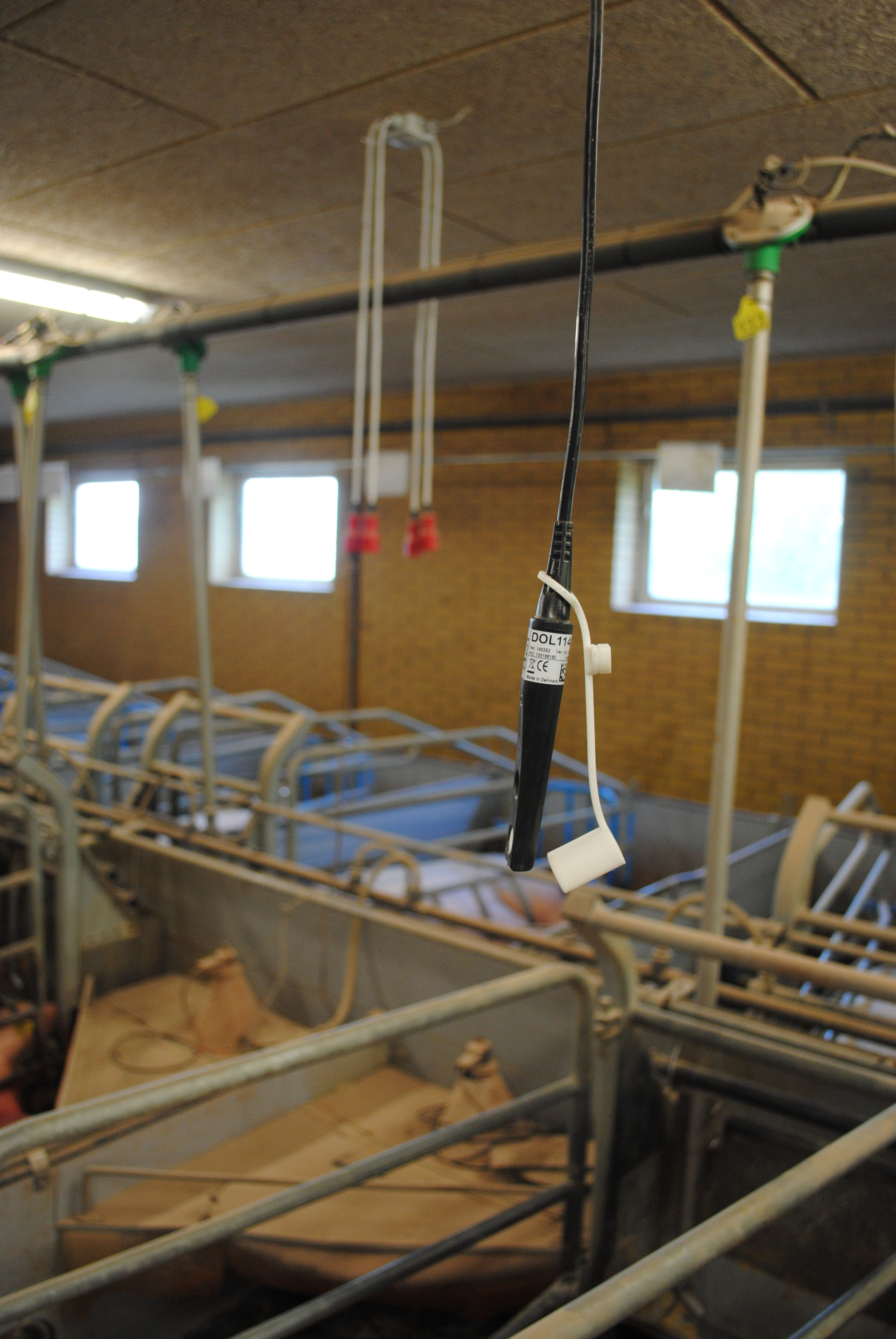 |
- Home
-
Products
- Pig Farming Equipment
- Cattle Farming Equipment
- Sheep & Goat Farming Equipment
- Poultry Farming Equipment
- Feeding & Drinking Systems
- Veterinary & Breeding Equipment
- Testing & Diagnostic Equipment
- Cleaning & Biosecurity Equipment
- Climate Control Equipment
- Livestock Weighing Equipment
- Manure & Waste Management
- Farm Transport & Handling
-
Solutions
- Pig Farm Solutions
- Dairy Farm Solutions
- Beef Cattle Farm Solutions
- Sheep & Goat Farm Solutions
- Layer Farm Solutions
- Broiler Farm Solutions
- Feeding & Drinking System Solutions
- Climate Control Solutions
- Biosecurity & Disinfection Solutions
- Manure & Waste Management
- Smart Farming Solutions
- Farm Renovation and Upgrade Solutions
- Partners
- Projects
- Resources
- News
- About Us
- Contact



Comments & Inquiries
Leave your questions or requirements below. We will reply as soon as possible.