


| Product Showcase | Content | ||||||||||||||||||||||||||||
| Product Name | PT100 PT1000 NTC Temperature Sensor for Livestock Houses | ||||||||||||||||||||||||||||
| Product Image |  |
||||||||||||||||||||||||||||
| Product Overview | The PT100 PT1000 NTC Temperature Sensor for Livestock Houses is a rugged resistance-type temperature probe designed for continuous environmental monitoring in commercial pig houses, poultry houses, dairy facilities and other agricultural buildings. It is suitable for connection to compatible livestock climate controllers, ventilation control panels, alarm systems and building automation equipment. The sensor family can be configured with PT100, PT1000 or NTC sensing elements to match different controller input requirements. Its sealed construction is intended for demanding livestock environments where dust, humidity, wash-down conditions and temperature fluctuations require durable field equipment. By providing stable temperature feedback to the farm climate-control system, the sensor supports automatic management of ventilation fans, air inlets, heating equipment, cooling systems and temperature alarms. |
||||||||||||||||||||||||||||
| Key Features |
|
||||||||||||||||||||||||||||
| Structural Components |
|
||||||||||||||||||||||||||||
| Working Principle / Structural Principle | PT100 and PT1000 are resistance temperature detectors. Their electrical resistance changes predictably with temperature. A PT100 element has a nominal resistance of approximately 100 ohms at 0°C, while a PT1000 element has a nominal resistance of approximately 1000 ohms at 0°C. The connected controller measures this resistance and converts it into a temperature value. In a two-wire RTD circuit, cable resistance forms part of the measured resistance and can affect measurement accuracy when cable runs become longer. Three-wire configurations provide compensation for cable resistance, while four-wire configurations provide higher measurement precision by separating the sensing-current and voltage-measurement circuits. NTC thermistors operate differently: their resistance decreases as temperature increases. NTC 1K and NTC 10K variants allow integration with controllers specifically designed for the corresponding resistance curve. After processing the sensor signal, the livestock climate controller can use the measured temperature as an input for automatic ventilation, heating, cooling or alarm functions. |
||||||||||||||||||||||||||||
| Technical Specifications |
|
||||||||||||||||||||||||||||
| Applications |
|
||||||||||||||||||||||||||||
| Customization Options | Sensor configuration can be selected according to the livestock climate controller and project design.
|
||||||||||||||||||||||||||||
| Installation & Maintenance | Install the sensor at a representative temperature-measurement point within the livestock house. In animal areas, the installation position should reflect the climate experienced by the animals rather than the temperature near the roof, heater or ventilation equipment. Avoid mounting the probe immediately beside heaters, cooling pads, air inlets, exhaust fans, doors or other locations where localized airflow or radiant heat could produce an unrepresentative reading. Outdoor sensors should be protected from direct solar radiation using a suitable radiation shield. Confirm the controller input type before wiring. PT100, PT1000 and NTC sensors use different resistance characteristics and must be connected only to compatible inputs. For longer RTD cable runs or projects requiring higher precision, three-wire or four-wire configurations should be considered where supported by the controller. Periodically inspect the probe, mounting point, cable and electrical terminals. Remove accumulated dust and farm residue without damaging the sealed housing or cable. During livestock-house washing, inspect cable routing and connectors before returning the climate-control system to normal operation. |
||||||||||||||||||||||||||||
| Project Cases | Typical Commercial Pig House Climate Control Project: Temperature probes can be distributed through farrowing, nursery and finishing sections and connected to a centralized climate controller. The measured temperature provides a control reference for minimum ventilation, fan stages, air-inlet positioning, heating equipment and high/low temperature alarms. Multi-House Livestock Farm: PT100, PT1000 or NTC sensor types can be selected to match existing controllers when upgrading or expanding farm buildings, helping standardize replacement sensors while retaining compatibility with the installed control system. Outdoor Reference Measurement: A protected outdoor sensor can provide outside-air temperature information for climate-control strategies, seasonal ventilation settings and environmental monitoring. Project configuration should be determined according to local climate and controller functions. |
||||||||||||||||||||||||||||
| Product FAQ | Q: What is the difference between PT100 and PT1000? A: Both are platinum resistance temperature detectors. PT100 has a nominal resistance of 100 ohms at 0°C, while PT1000 has a nominal resistance of 1000 ohms at 0°C. The correct type must match the input specification of the climate controller. Q: When should a three-wire or four-wire PT sensor be considered? A: These configurations help reduce measurement errors caused by cable resistance. They are useful where cable distances are longer or where higher measurement accuracy is required, provided that the connected controller supports the wiring method. Q: Can this sensor be used inside a pig house? A: Yes. The sensor is intended for demanding agricultural environments and is suitable for pig houses, poultry houses and other livestock buildings. Q: Can it measure outdoor temperature? A: Yes. It can be used for indoor and outdoor temperature measurement. For outdoor installation, a suitable radiation or weather shield is recommended to reduce the influence of direct sunlight and radiant heat. Q: Is the sensor compatible with every farm controller? A: Compatibility depends on the controller's temperature input specification. The required PT100, PT1000 or NTC resistance curve and wiring configuration should be confirmed before ordering. Q: Can cable length and connection type be customized? A: Cable and connection requirements can be evaluated according to project requirements, installation distance and controller compatibility. Q: Where should the sensor be installed in a livestock house? A: It should be positioned where it can measure representative animal-zone temperature and should not be directly influenced by heaters, fans, air inlets, direct sunlight or other localized heat and cooling sources. |
||||||||||||||||||||||||||||
| Product Gallery | 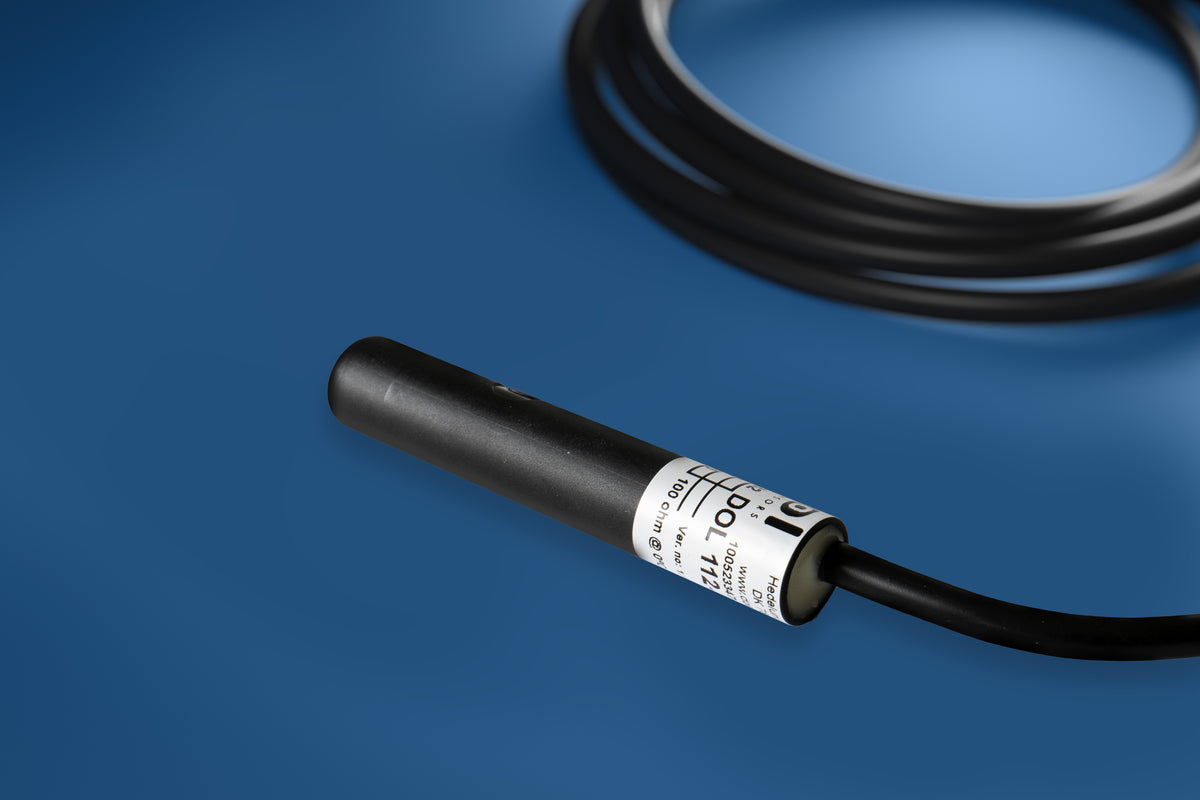  |
- Home
-
Products
- Pig Farming Equipment
- Cattle Farming Equipment
- Sheep & Goat Farming Equipment
- Poultry Farming Equipment
- Feeding & Drinking Systems
- Veterinary & Breeding Equipment
- Testing & Diagnostic Equipment
- Cleaning & Biosecurity Equipment
- Climate Control Equipment
- Livestock Weighing Equipment
- Manure & Waste Management
- Farm Transport & Handling
-
Solutions
- Pig Farm Solutions
- Dairy Farm Solutions
- Beef Cattle Farm Solutions
- Sheep & Goat Farm Solutions
- Layer Farm Solutions
- Broiler Farm Solutions
- Feeding & Drinking System Solutions
- Climate Control Solutions
- Biosecurity & Disinfection Solutions
- Manure & Waste Management
- Smart Farming Solutions
- Farm Renovation and Upgrade Solutions
- Partners
- Projects
- Resources
- News
- About Us
- Contact

Comments & Inquiries
Leave your questions or requirements below. We will reply as soon as possible.