




| Product Showcase | Content | ||||||||||||||||||||||
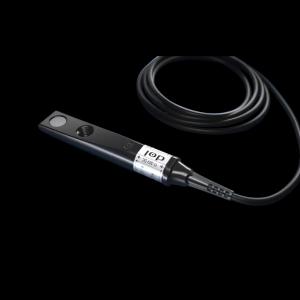
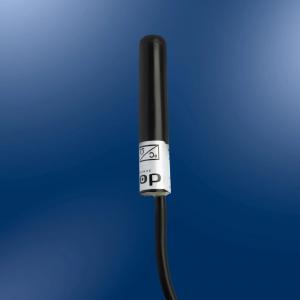
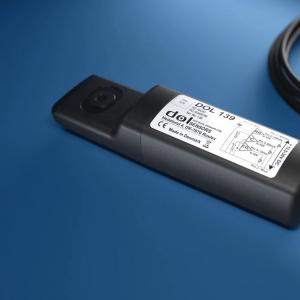
| Product Name | Temperature Humidity and CO2 Sensor for Livestock Houses | ||||||||||||||||||||||
| Product Image | 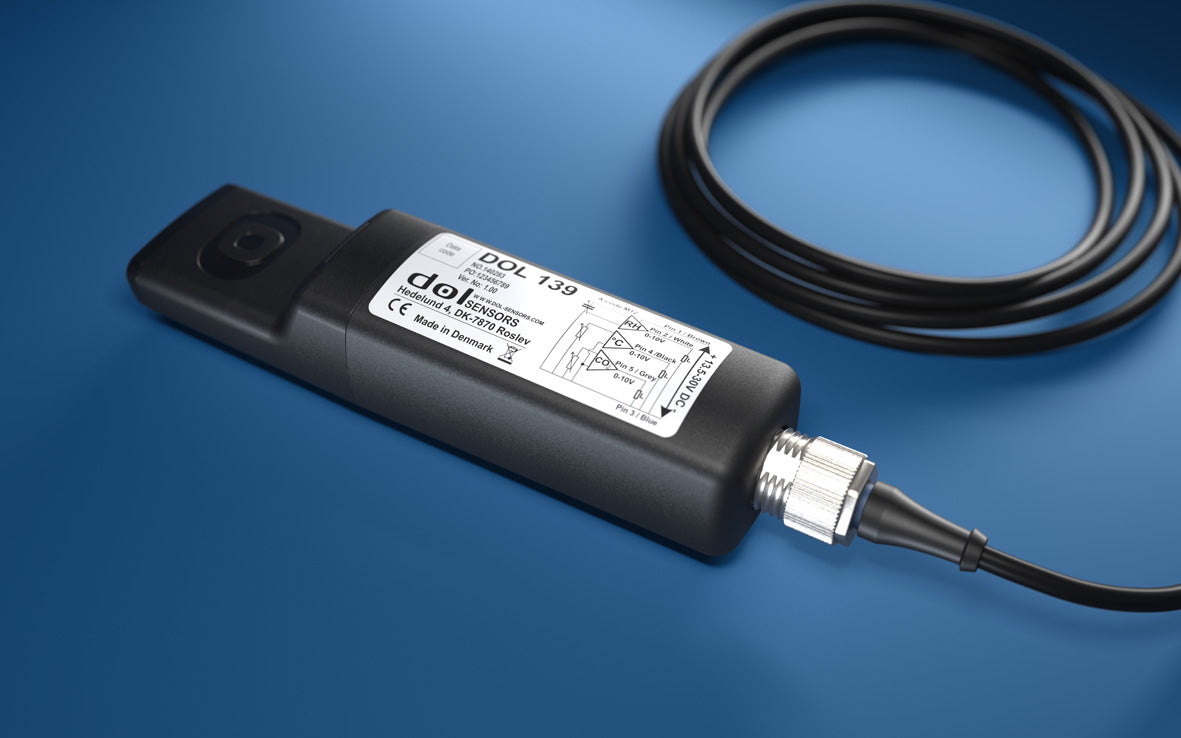 |
||||||||||||||||||||||
| Product Overview | The Temperature Humidity and CO2 Sensor for Livestock Houses combines three important environmental measurements in one compact climate sensor. It continuously monitors ambient temperature, relative humidity and carbon dioxide concentration, providing essential environmental data for modern livestock ventilation and climate-control systems. By replacing several individual sensing devices with one integrated unit, the sensor can simplify wiring, installation and maintenance in commercial pig houses, poultry houses, breeding facilities and other intensive livestock buildings. The robust housing and protected sensing area are designed for demanding agricultural environments where dust, moisture, ammonia exposure, temperature fluctuations, washing and disinfection are part of routine farm operation. |
||||||||||||||||||||||
| Key Features |
|
||||||||||||||||||||||
| Structural Components |
|
||||||||||||||||||||||
| Working Principle / Structural Principle | The sensor continuously samples the surrounding livestock-house environment through its protected sensing area. Dedicated sensing elements measure temperature, relative humidity and CO2 concentration and convert these conditions into electrical signals that can be processed by a compatible climate controller. The controller can use these measurements as part of its environmental management strategy. For example, elevated CO2 levels may indicate insufficient air exchange, while high humidity can signal excessive moisture generation or inadequate ventilation. Temperature data can be used for fan staging, inlet control, heating and cooling management. Combining the three measurements allows the livestock climate-control system to respond to several important environmental variables from a single installation point. |
||||||||||||||||||||||
| Technical Specifications |
|
||||||||||||||||||||||
| Applications |
|
||||||||||||||||||||||
| Customization Options | Sensor configuration can be matched to the environmental control requirements of each livestock project. Cable arrangement, connection method, controller compatibility, installation accessories and system integration can be selected according to project requirements. For new livestock-house construction, sensor quantities and positions can be designed according to building dimensions, animal type, ventilation zones, stocking density, local climate and the selected climate-control system. Customized integration with ventilation fans, air inlets, heating equipment, evaporative cooling systems and farm alarm systems is available upon request. |
||||||||||||||||||||||
| Installation & Maintenance | Sensor Position: Install the sensor at a representative location within the livestock house. For the referenced sensor, free-hanging installation near the central area of the house is recommended. Airflow: Maintain free air circulation around the sensing tip. Do not obstruct the filter or place the sensor inside a closed enclosure. Heat and Sunlight: Avoid direct sunlight, heaters and other localized heat sources that could influence temperature measurement. Startup: Allow the sensor to stabilize after power is applied before relying on measurements for climate control. The referenced technical guide specifies approximately 10 minutes of warm-up time. Washing: Install the supplied protective cap before washing or disinfecting the livestock house. After cleaning, remove the cap when appropriate so that normal airflow can reach the sensing area. Routine Maintenance: Periodically inspect the housing, filter, cable and electrical connections. Keep the sensing area clean and follow the maintenance instructions of the selected sensor configuration. |
||||||||||||||||||||||
| Project Cases | Commercial Pig House Climate Control: The sensor can be installed in mechanically ventilated pig houses to provide temperature, humidity and CO2 data to the climate controller. The controller can then coordinate exhaust fans, air inlets, heating and cooling equipment according to environmental demand. Multi-House Livestock Farm: Multiple sensors can be distributed across separate animal houses and connected to individual or centralized climate-control systems, providing environmental information for each production building. Farm Renovation Project: An integrated three-parameter sensor can reduce the number of separate devices required when upgrading older temperature, humidity and CO2 monitoring installations. |
||||||||||||||||||||||
| Product FAQ | Q1: What does this livestock climate sensor measure? It combines temperature, relative humidity and carbon dioxide measurement in one sensor. Q2: Why monitor CO2 in a livestock house? CO2 concentration is an important indicator of indoor air quality and ventilation performance. The measurement can help a compatible controller adjust ventilation according to farm operating requirements. Q3: Can one sensor replace separate temperature, humidity and CO2 sensors? Yes. A 3-in-1 design can provide all three measurements from a single installed unit, subject to compatibility with the selected controller. Q4: Can the sensor be connected to an automatic ventilation controller? Yes, provided that the sensor output and electrical requirements match the climate controller. Compatibility should be confirmed before ordering. Q5: Is it suitable for pig houses and poultry houses? Yes. The sensor is designed for demanding livestock-house environments and can be applied in swine, poultry and other controlled animal housing projects. Q6: Can it withstand livestock-house washing and disinfection? The referenced design has an IP67-rated housing and includes a protective cap intended to protect the sensing area during washing and disinfection procedures. Q7: Where should the sensor be installed? Install it at a representative measurement point with free airflow around the sensing area and away from direct sunlight or localized heat sources. Q8: Can cable length and installation accessories be customized? Cable arrangement, connectors and installation accessories can be supplied according to project requirements and controller compatibility. |
||||||||||||||||||||||
| Product Gallery | 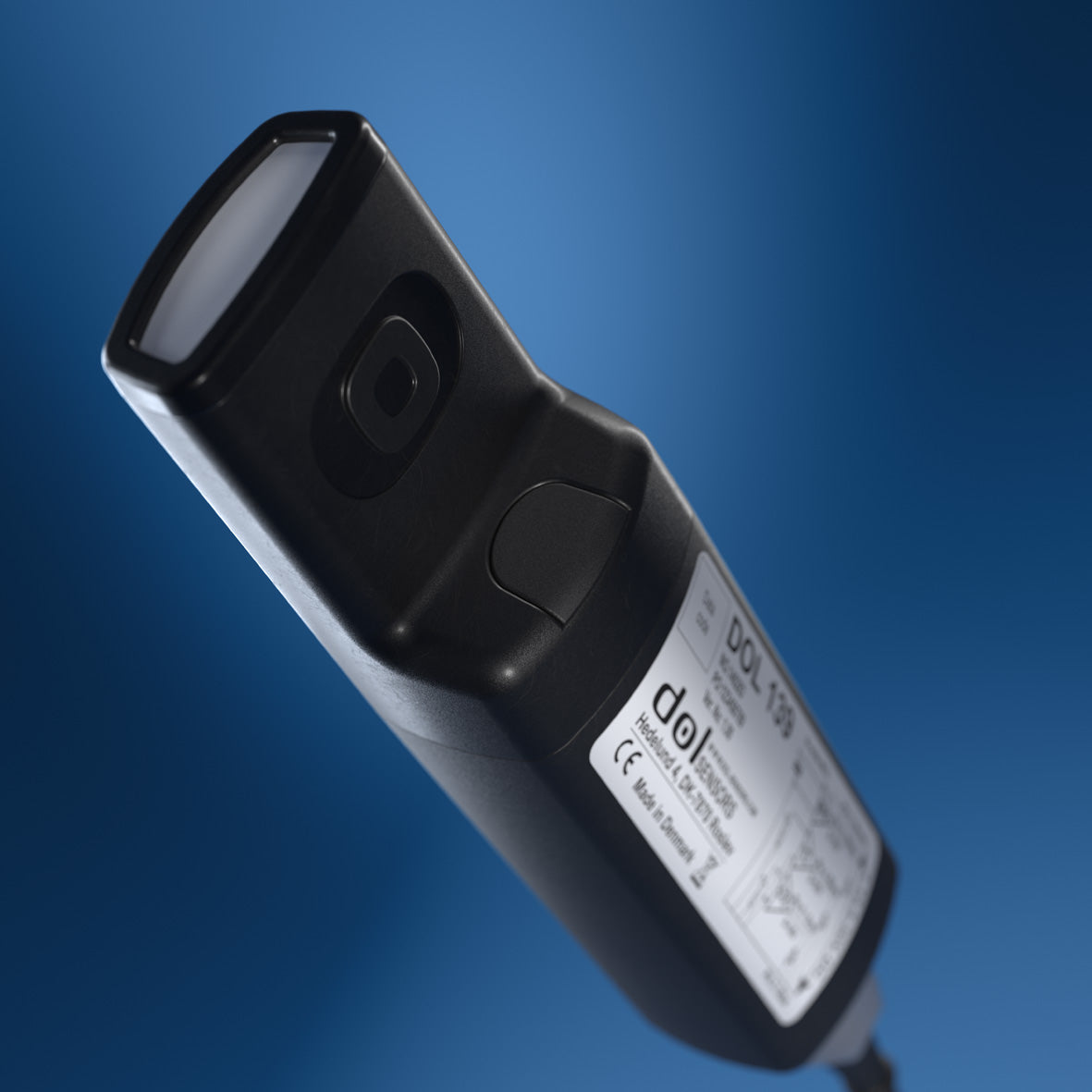 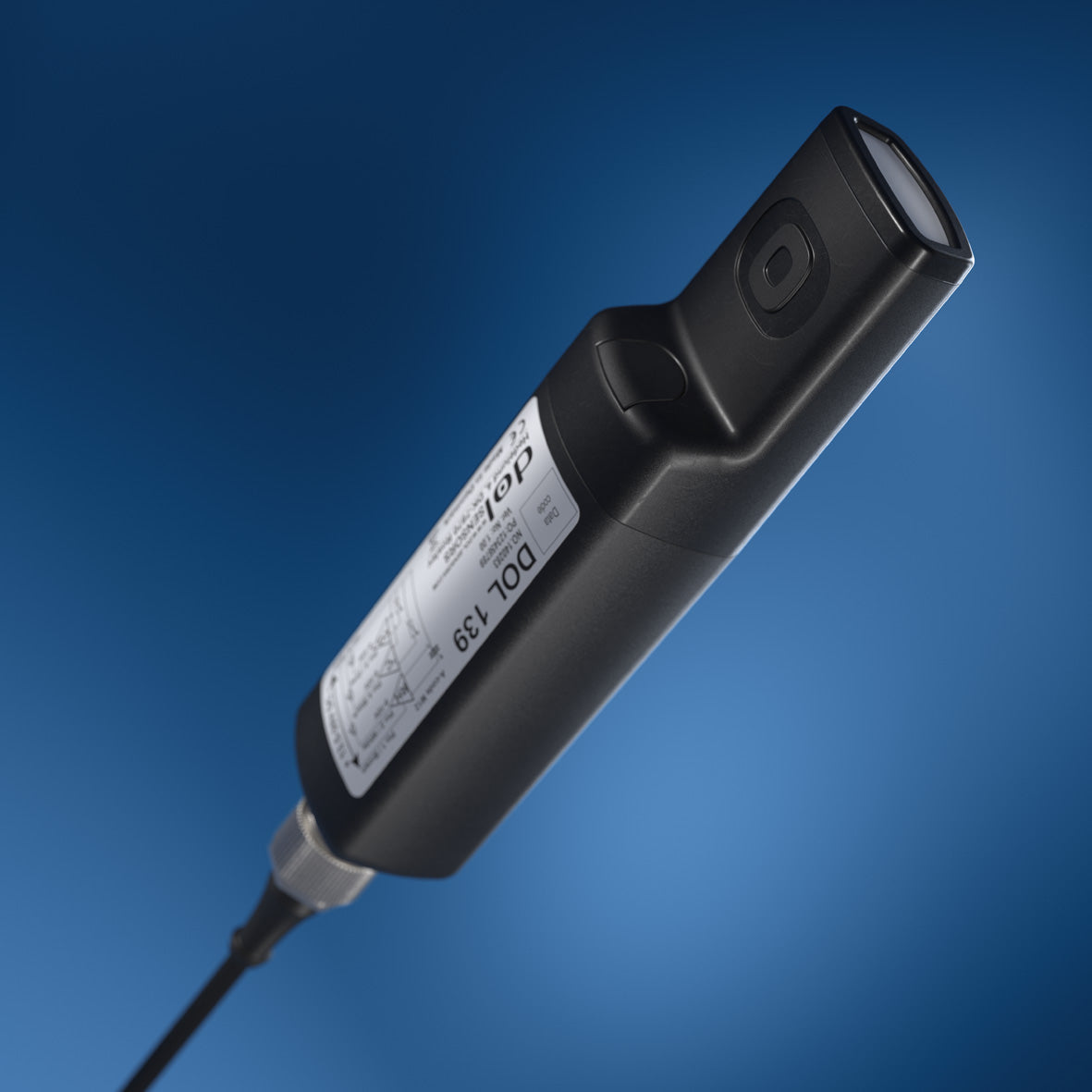 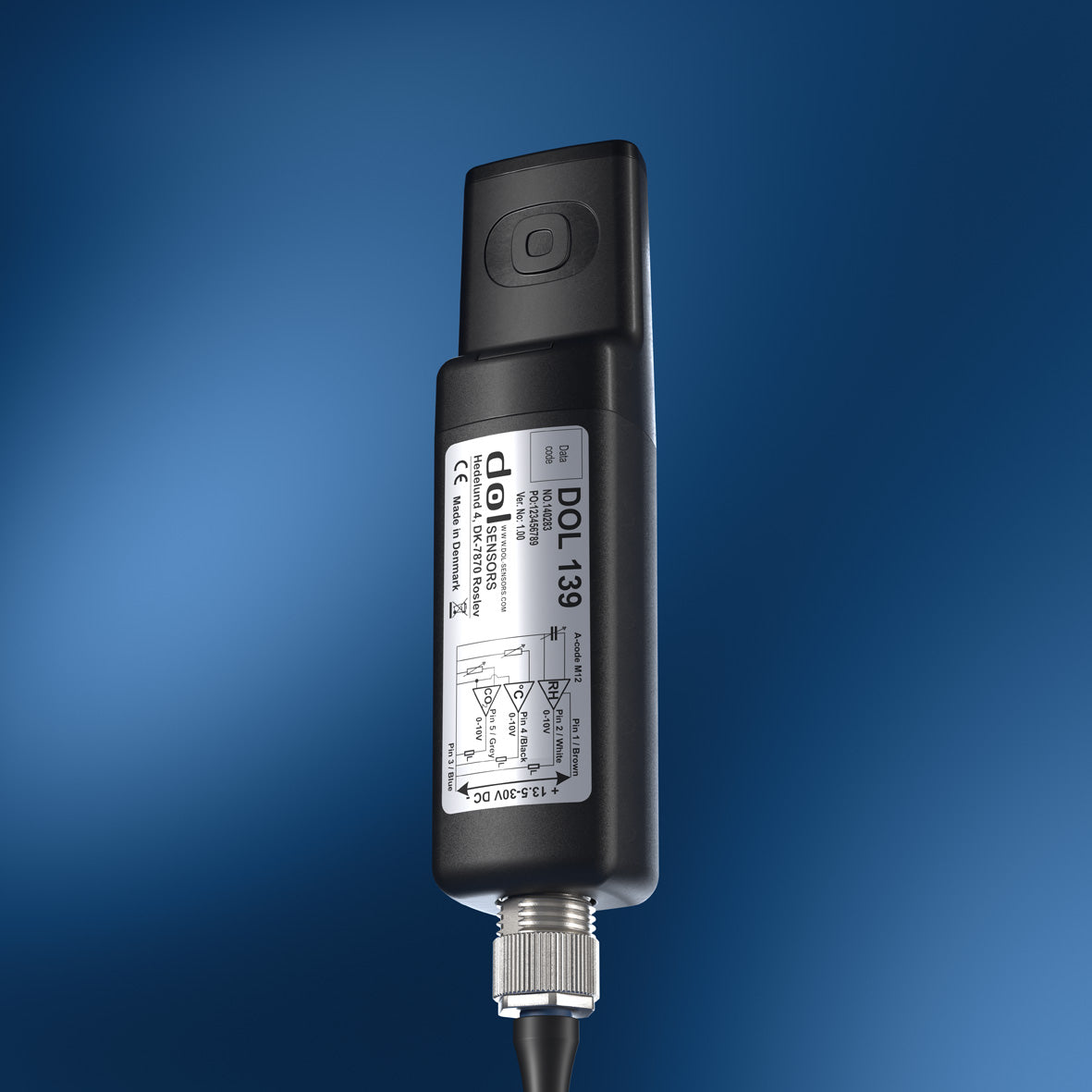 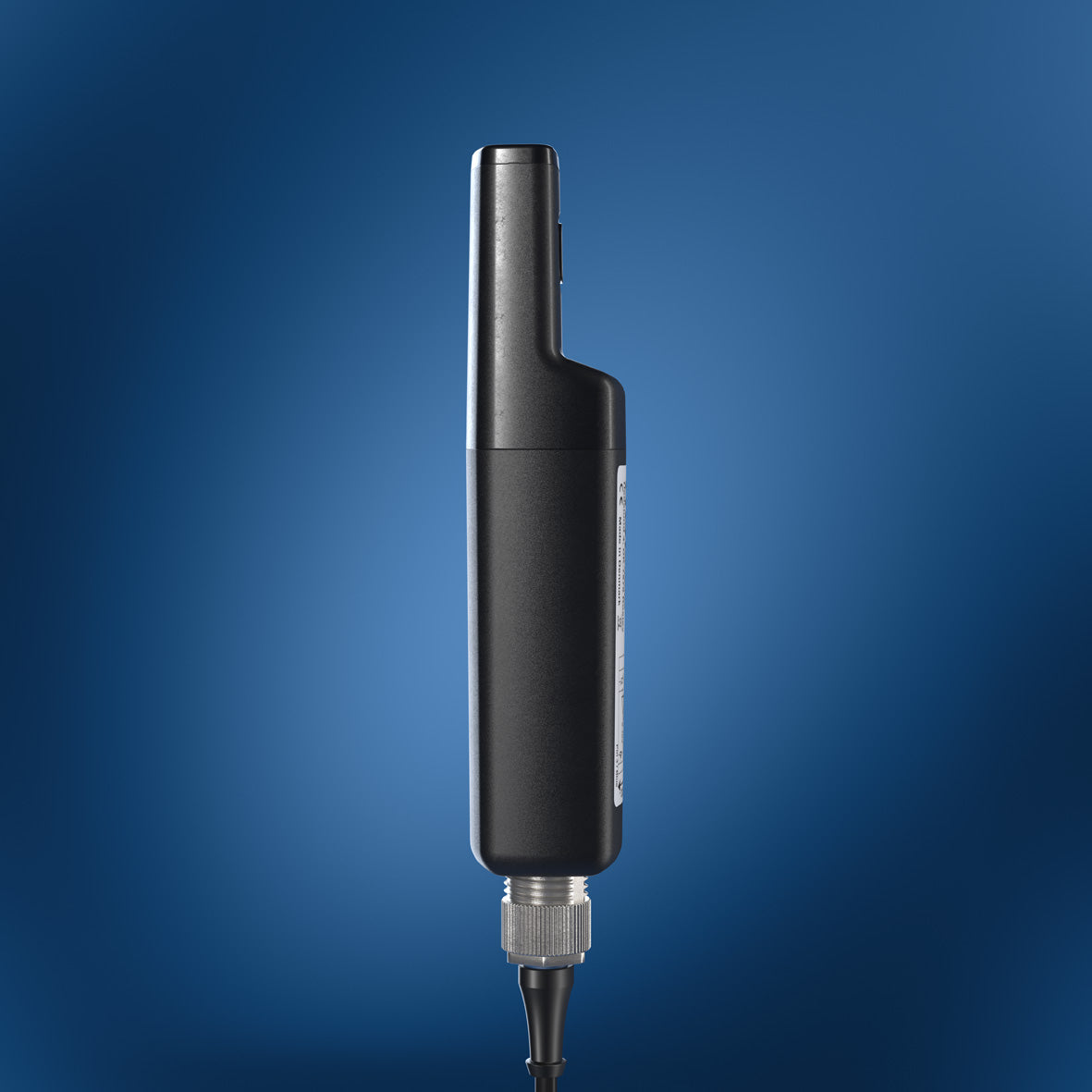 |
- Home
-
Products
- Pig Farming Equipment
- Cattle Farming Equipment
- Sheep & Goat Farming Equipment
- Poultry Farming Equipment
- Feeding & Drinking Systems
- Veterinary & Breeding Equipment
- Testing & Diagnostic Equipment
- Cleaning & Biosecurity Equipment
- Climate Control Equipment
- Livestock Weighing Equipment
- Manure & Waste Management
- Farm Transport & Handling
-
Solutions
- Pig Farm Solutions
- Dairy Farm Solutions
- Beef Cattle Farm Solutions
- Sheep & Goat Farm Solutions
- Layer Farm Solutions
- Broiler Farm Solutions
- Feeding & Drinking System Solutions
- Climate Control Solutions
- Biosecurity & Disinfection Solutions
- Manure & Waste Management
- Smart Farming Solutions
- Farm Renovation and Upgrade Solutions
- Partners
- Projects
- Resources
- News
- About Us
- Contact
Comments & Inquiries
Leave your questions or requirements below. We will reply as soon as possible.