




| Product Showcase | Content | ||||||||||||||||||||||||||||||||
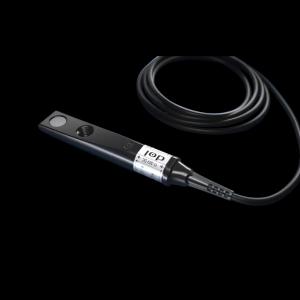
| Product Name | Wireless LoRa Temperature Humidity and CO2 Sensor for Livestock Farms | ||||||||||||||||||||||||||||||||
| Product Image |  |
||||||||||||||||||||||||||||||||
| Product Overview | The Wireless LoRa Temperature Humidity and CO2 Sensor for Livestock Farms is a three-in-one environmental monitoring device designed for commercial pig houses, poultry houses, dairy barns and other intensive livestock facilities. It integrates temperature, relative humidity and carbon dioxide measurement into a single rugged sensor, reducing the number of separate field devices required in a livestock climate monitoring system. Wireless LoRaWAN communication allows measured data to be transmitted to a compatible gateway without installing extensive signal cabling between the sensor and central monitoring point. This architecture is particularly useful in large steel-structure livestock buildings, multi-house farms, retrofit projects and facilities where conventional cable routing is difficult or costly. When integrated with a compatible gateway, server or farm-management platform, the sensor can provide environmental data for climate analysis, ventilation management, alarm functions and long-term farm performance monitoring. |
||||||||||||||||||||||||||||||||
| Key Features |
|
||||||||||||||||||||||||||||||||
| Structural Components |
|
||||||||||||||||||||||||||||||||
| Working Principle / Structural Principle | The sensor continuously measures three key livestock-house environmental parameters: air temperature, relative humidity and CO2 concentration. These measurements provide complementary information about the animal-zone climate. Temperature data can be used to evaluate thermal conditions, while relative humidity provides information about moisture accumulation and ventilation performance. CO2 concentration is an important environmental indicator because rising levels can indicate insufficient air exchange in enclosed livestock buildings. The measured values are processed electronically inside the sensor. An integrated LoRaWAN communication module then transmits the data wirelessly to a compatible LoRa gateway. The gateway can forward the information to a server, cloud service, API or farm-management platform depending on the selected system architecture. Wireless communication significantly reduces the amount of field signal cabling required between sensor locations and the central data system, making sensor placement more flexible in long livestock houses and multi-building farms. |
||||||||||||||||||||||||||||||||
| Technical Specifications |
|
||||||||||||||||||||||||||||||||
| Applications |
|
||||||||||||||||||||||||||||||||
| Customization Options | System configuration can be developed according to the farm layout, livestock species and environmental monitoring requirements.
|
||||||||||||||||||||||||||||||||
| Installation & Maintenance | Install the sensor at a representative animal-zone location where it can measure the general livestock-house environment rather than a localized condition. Avoid positioning it directly beside heaters, cooling equipment, fresh-air inlets, exhaust fans, doors or water lines. The installation height should be selected according to the livestock species, building layout and environmental monitoring objective. For large pig houses or poultry houses, multiple sensing points can be distributed along the building to identify temperature, humidity or CO2 differences between zones. The LoRa gateway should be installed where reliable wireless communication can be maintained with the field sensors. Structural steel, reinforced concrete walls, equipment and installation height can influence radio performance, so gateway positioning should be confirmed during project planning. Before livestock-house washing or disinfection, install the appropriate protection cap where required. Periodically inspect the sensor housing, filter, power cable, connector and mounting hardware. Keep the sensing area free from excessive dust deposits and replace damaged accessories when necessary. |
||||||||||||||||||||||||||||||||
| Project Cases | Commercial Pig Farm Environmental Monitoring: Multiple wireless sensors can be installed across farrowing, nursery and finishing houses to collect temperature, humidity and CO2 data. A centrally located LoRa gateway receives field data and transfers it to the farm monitoring platform for environmental trend analysis. Long Steel-Structure Pig House: Wireless sensing can reduce long-distance signal cable installation and make it easier to add monitoring points along the animal zone. Sensor and gateway locations should be determined according to building length, structural obstacles and wireless coverage. Existing Farm Upgrade: LoRa environmental sensors can be used when an existing livestock facility requires additional monitoring points but extensive rewiring is undesirable. Power supply, gateway communication and software integration can be configured according to the existing infrastructure. |
||||||||||||||||||||||||||||||||
| Product FAQ | Q: What parameters does the sensor measure? A: It combines temperature, relative humidity and CO2 monitoring in one sensor. Q: Is the sensor completely wireless? A: Measurement data is transmitted wirelessly through LoRaWAN. The sensor still requires a suitable power supply. Q: Is a gateway required? A: Yes. A compatible LoRa gateway is required to receive wireless sensor data and transfer it to the selected server, API or management platform. Q: How far can the wireless signal travel inside a livestock house? A: Reference documentation indicates distances up to approximately 300 m under suitable livestock-house conditions. Actual performance depends on walls, structural steel, obstacles and the installation height of the sensor and gateway. Q: Can the sensor be used in pig houses? A: Yes. It is designed for demanding livestock-house environments and is suitable for commercial pig, poultry and other animal-production facilities. Q: Can the sensor remain installed during high-pressure cleaning? A: A suitable protective cap can be used to protect the sensor during washing, disinfection and high-pressure cleaning. Q: Why measure CO2 in addition to temperature and humidity? A: CO2 provides additional information about indoor air quality and ventilation performance. Combined temperature, humidity and CO2 data gives farm operators a more complete view of livestock-house climate conditions. Q: Can multiple sensors be used on one farm? A: Yes. Sensor quantity and gateway layout can be designed according to the number of livestock houses, building dimensions and required monitoring zones. |
||||||||||||||||||||||||||||||||
| Product Gallery |  |
- Home
-
Products
- Pig Farming Equipment
- Cattle Farming Equipment
- Sheep & Goat Farming Equipment
- Poultry Farming Equipment
- Feeding & Drinking Systems
- Veterinary & Breeding Equipment
- Testing & Diagnostic Equipment
- Cleaning & Biosecurity Equipment
- Climate Control Equipment
- Livestock Weighing Equipment
- Manure & Waste Management
- Farm Transport & Handling
-
Solutions
- Pig Farm Solutions
- Dairy Farm Solutions
- Beef Cattle Farm Solutions
- Sheep & Goat Farm Solutions
- Layer Farm Solutions
- Broiler Farm Solutions
- Feeding & Drinking System Solutions
- Climate Control Solutions
- Biosecurity & Disinfection Solutions
- Manure & Waste Management
- Smart Farming Solutions
- Farm Renovation and Upgrade Solutions
- Partners
- Projects
- Resources
- News
- About Us
- Contact

Comments & Inquiries
Leave your questions or requirements below. We will reply as soon as possible.