


| Product Showcase | Content | ||||||||||||||||||
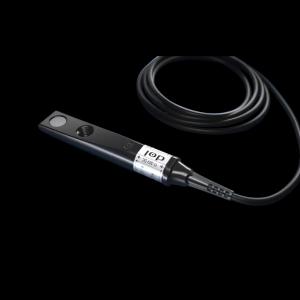
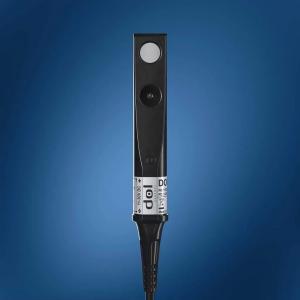
| Product Name | Livestock House Temperature Sensor | ||||||||||||||||||
| Product Image | 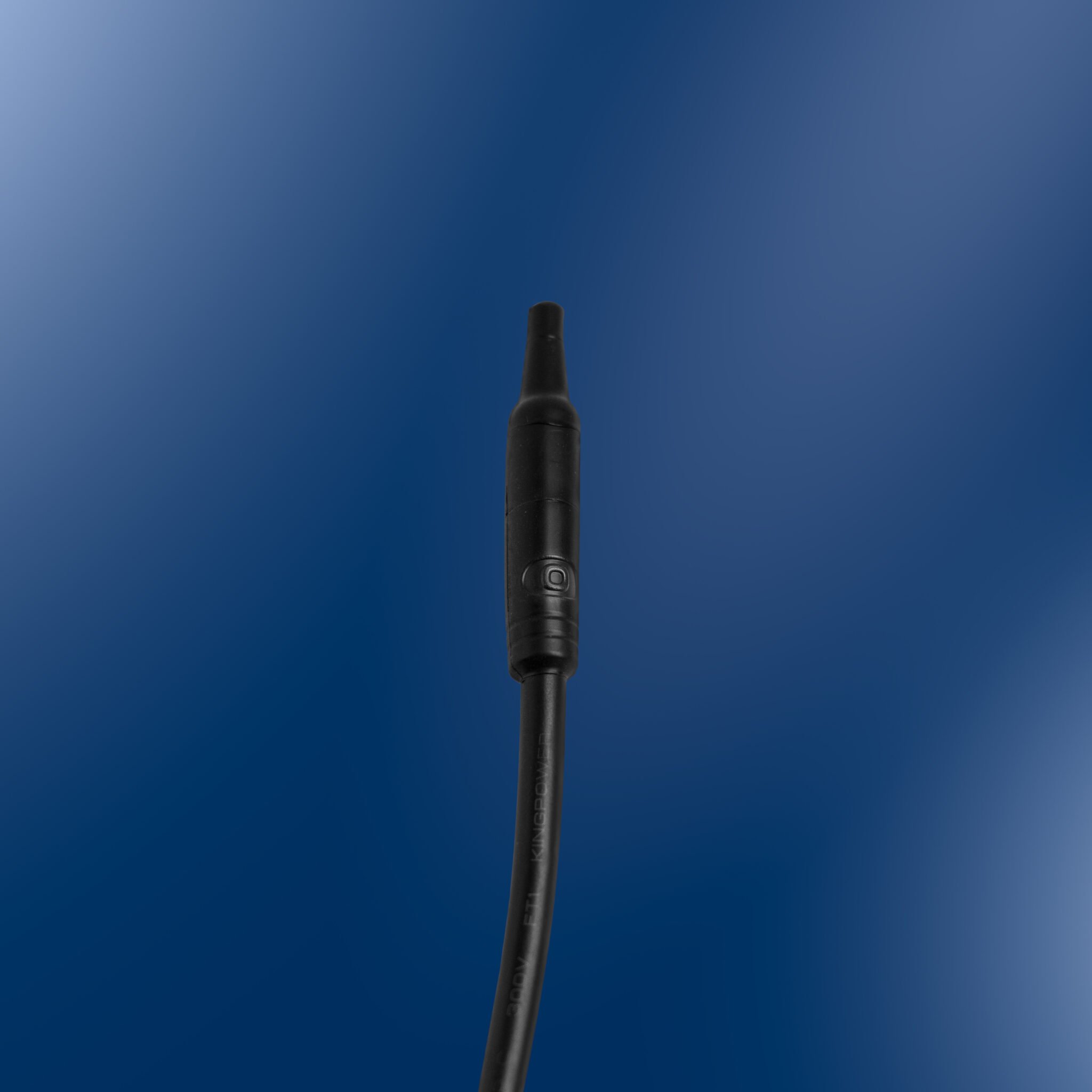 |
||||||||||||||||||
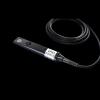
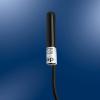
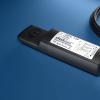
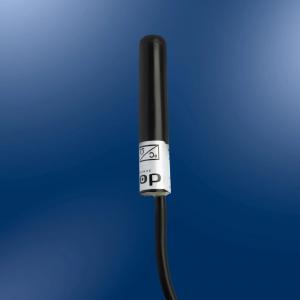
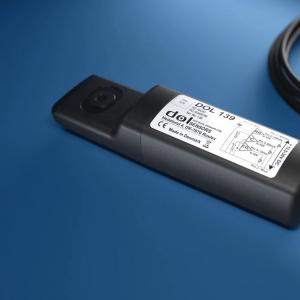
| Product Overview | The Livestock House Temperature Sensor is designed for continuous temperature monitoring in commercial pig houses, poultry houses, livestock buildings and automated farm climate-control systems. Its compact probe construction provides fast response to changing environmental conditions and supports accurate temperature feedback for ventilation, heating and cooling management. A sealed, robust housing makes the sensor suitable for dusty, humid and demanding livestock environments where regular washing and sanitation are part of daily farm management. The sensor can be integrated with compatible livestock climate controllers, ventilation control panels and environmental monitoring systems in both new farm construction and retrofit projects. |
||||||||||||||||||
| Key Features |
|
||||||||||||||||||
| Structural Components |
|
||||||||||||||||||
| Working Principle / Structural Principle | The sensing element reacts to changes in ambient temperature and generates a corresponding electrical signal. A compatible livestock climate controller interprets this signal as temperature data and uses it as an input for environmental control. Depending on the farm control strategy, the temperature reading can support automatic operation of exhaust fans, air inlets, heating equipment, evaporative cooling systems, alarms and other livestock-house climate equipment. Correct sensor positioning is important for obtaining representative house-temperature measurements. |
||||||||||||||||||
| Technical Specifications |
|
||||||||||||||||||
| Applications |
|
||||||||||||||||||
| Customization Options | Sensor configurations can be selected according to livestock-house design, climate controller compatibility and project installation requirements.
|
||||||||||||||||||
| Installation & Maintenance | Install the sensor at a representative monitoring position where airflow and temperature reflect the actual livestock living zone. Avoid locations directly exposed to heaters, cooling jets, strong sunlight, doors or other localized heat sources unless the sensor is specifically intended to monitor those conditions. In large livestock buildings, several temperature sensors may be installed in different zones so that the climate-control system can obtain representative measurements across the house. Route the sensor cable securely along the steel structure, wall or equipment support and protect it from animal contact and mechanical damage. Electrical connection should follow the requirements of the selected climate controller. Inspect the probe and cable during routine farm maintenance. Remove heavy contamination when necessary and verify the sensor reading during scheduled climate-system inspection. |
||||||||||||||||||
| Project Cases | Typical Commercial Pig House: Temperature sensors can be distributed through farrowing, nursery, growing or finishing sections and connected to the central climate controller for ventilation and heating regulation. Tunnel-Ventilated Livestock Building: Sensors can provide temperature feedback for staged fan operation, air-inlet management and evaporative cooling control. Multi-House Farm Project: Individual sensors can be installed in separate livestock houses or climate zones and incorporated into centralized environmental monitoring and alarm systems. Final sensor quantity, mounting position and controller configuration should be determined according to house dimensions, ventilation design, animal type and local climate conditions. |
||||||||||||||||||
| Product FAQ | Q: Can this temperature sensor be used in pig houses? A: Yes. It is suitable for temperature monitoring in commercial pig houses and can provide temperature feedback to compatible ventilation and climate-control equipment. Q: Is the sensor suitable for poultry houses? A: Yes. It can be used in broiler, layer and breeder houses as part of livestock climate monitoring and environmental control systems. Q: Can it withstand humid and dusty farm environments? A: The reference configuration has an IP67 protection rating and is designed for demanding environments with dust and moisture. Q: Can the sensor be used outdoors? A: Yes. Outdoor temperature monitoring is possible when the sensor is installed correctly and protected from conditions that could distort the representative temperature reading. Q: Can it measure water temperature? A: Suitable configurations can be used for water-temperature monitoring. The mounting method and accessories should be selected according to the water-line application. Q: Can the cable length or connection be customized? A: Cable length and connection configuration can be selected according to project requirements and controller compatibility. Q: How many sensors are required for one livestock house? A: The quantity depends on house size, ventilation zones, controller capacity and climate-management strategy. Multi-zone commercial houses may require several sensing points. |
||||||||||||||||||
| Product Gallery | 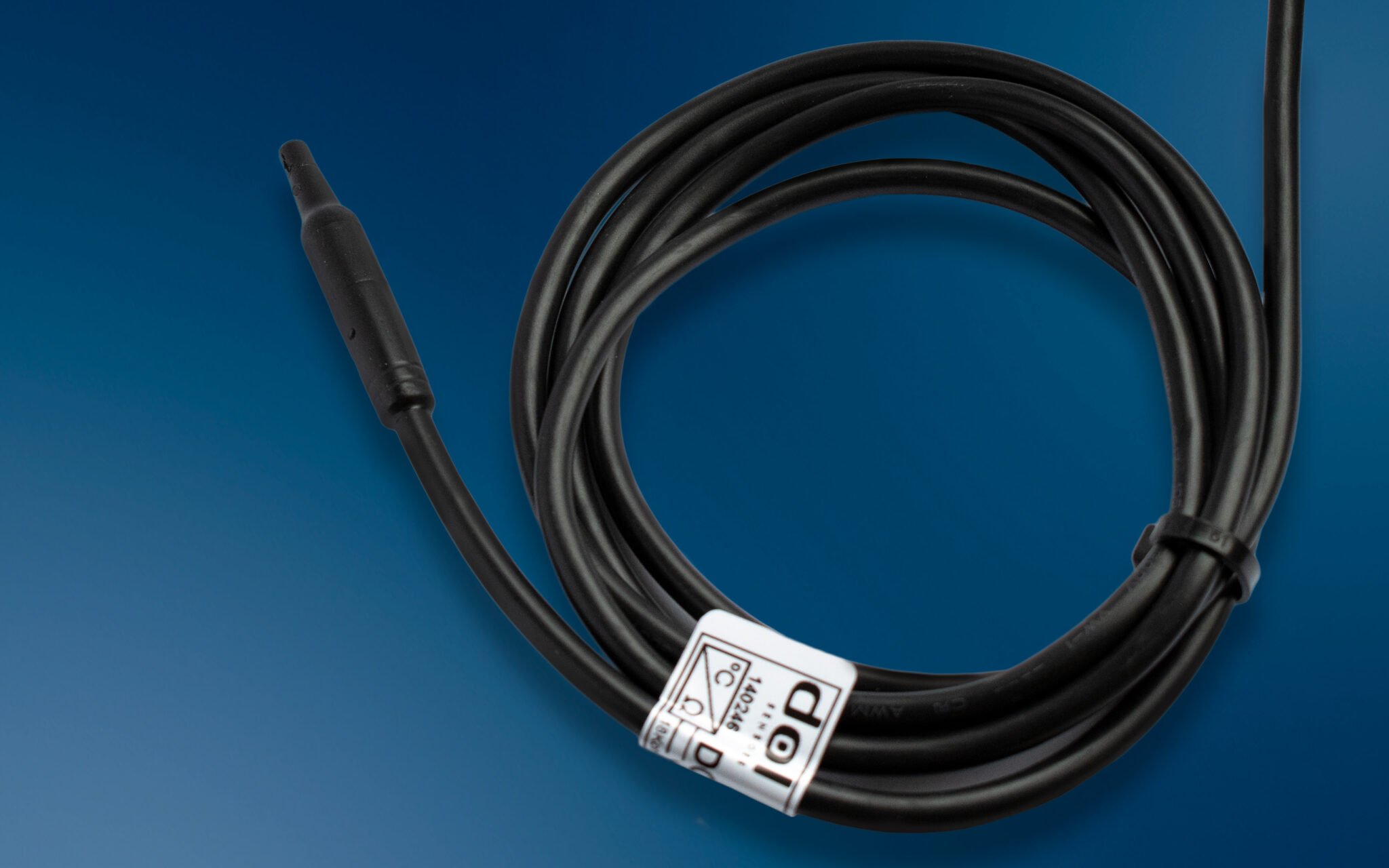 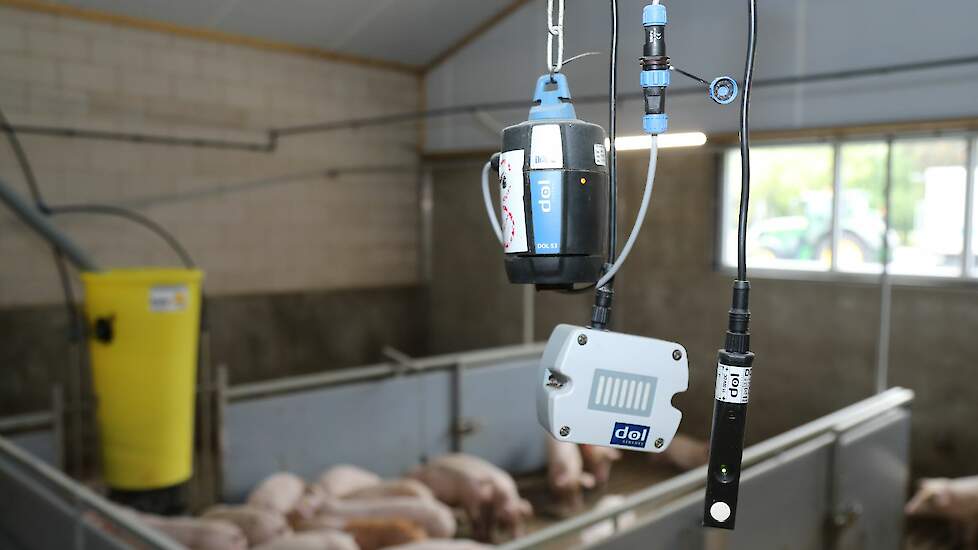  |
- Home
-
Products
- Pig Farming Equipment
- Cattle Farming Equipment
- Sheep & Goat Farming Equipment
- Poultry Farming Equipment
- Feeding & Drinking Systems
- Veterinary & Breeding Equipment
- Testing & Diagnostic Equipment
- Cleaning & Biosecurity Equipment
- Climate Control Equipment
- Livestock Weighing Equipment
- Manure & Waste Management
- Farm Transport & Handling
-
Solutions
- Pig Farm Solutions
- Dairy Farm Solutions
- Beef Cattle Farm Solutions
- Sheep & Goat Farm Solutions
- Layer Farm Solutions
- Broiler Farm Solutions
- Feeding & Drinking System Solutions
- Climate Control Solutions
- Biosecurity & Disinfection Solutions
- Manure & Waste Management
- Smart Farming Solutions
- Farm Renovation and Upgrade Solutions
- Partners
- Projects
- Resources
- News
- About Us
- Contact
Comments & Inquiries
Leave your questions or requirements below. We will reply as soon as possible.