


| Product Showcase | Content | ||||||||||||||||||||||||
| Product Name | High-Precision Temperature Sensor for Livestock Climate Control | ||||||||||||||||||||||||
| Product Image |  |
||||||||||||||||||||||||
| Product Overview | The High-Precision Temperature Sensor for Livestock Climate Control is designed for continuous environmental temperature monitoring in commercial pig houses, poultry houses, calf barns, dairy facilities, hatcheries, and other livestock buildings. It provides stable temperature feedback to compatible climate controllers, ventilation systems, heating equipment, cooling systems, and centralized farm management platforms. Livestock buildings expose electronic equipment to dust, moisture, high humidity, temperature fluctuations, cleaning procedures, and corrosive farm atmospheres. For this reason, the sensor is designed around a durable enclosed housing, protected sensing electronics, secure cable connection, and installation methods suitable for agricultural environments. Accurate temperature feedback allows the climate control system to react to environmental changes and coordinate fans, air inlets, heaters, cooling equipment, and alarm functions. This makes the sensor an important component in modern automated livestock housing and farm climate management systems. |
||||||||||||||||||||||||
| Key Features |
|
||||||||||||||||||||||||
| Structural Components |
|
||||||||||||||||||||||||
| Working Principle / Structural Principle | The sensing element continuously detects the surrounding air temperature inside the livestock building. The internal electronics convert the measured temperature into a stable electrical signal that is transmitted to the connected climate controller or farm automation system. The controller compares the measured temperature with programmed climate setpoints. Depending on the control strategy, the system can then regulate ventilation fans, air inlets, heaters, cooling equipment, curtains, alarms, or other environmental-control devices. For representative measurement, the sensor should be positioned where air can circulate freely around the sensing section. Installation directly in sunlight, immediately beside a heater, against a cold exterior surface, or in a strong localized air jet should be avoided because these conditions may distort the measured barn temperature. :chatgpt-content-reference{index="1"} |
||||||||||||||||||||||||
| Technical Specifications |
|
||||||||||||||||||||||||
| Applications |
|
||||||||||||||||||||||||
| Customization Options | Temperature sensor configurations can be adapted for livestock projects according to the climate controller, electrical system, barn layout, local climate, and farm management requirements.
|
||||||||||||||||||||||||
| Installation & Maintenance | Installation:
|
||||||||||||||||||||||||
| Project Cases | Commercial Pig House Climate Control: Temperature sensors can be distributed through farrowing, nursery, gestation, and finishing areas to provide environmental feedback to centralized ventilation and heating controllers. Large Poultry House Automation: Sensors installed at representative bird-level monitoring locations can provide temperature data for staged ventilation, heating, cooling, and alarm control. Livestock Building Renovation: Existing barns can be upgraded with new temperature sensing points and compatible climate controllers without replacing unrelated livestock equipment. Integrated Farm Projects: Sensor quantities, locations, cable routing, controller interfaces, and control zones can be designed according to livestock-house dimensions, animal type, ventilation concept, and local environmental conditions. |
||||||||||||||||||||||||
| Product FAQ | Q1: Can this temperature sensor be used in a commercial pig house? Yes. It is intended for livestock environmental monitoring and can be configured for farrowing houses, nursery houses, gestation barns, finishing houses, and other commercial pig facilities. Q2: Can the sensor connect to an existing climate controller? Compatibility depends on the controller's electrical input and signal specification. Please provide the controller model, input type, and wiring information so the appropriate sensor configuration can be selected. Q3: Can it control fans or heaters directly? The temperature sensor normally supplies measurement data to a climate controller. The controller then operates fans, heaters, cooling equipment, air inlets, alarms, or other devices according to programmed settings. Q4: Where should the sensor be installed? It should be installed in a representative monitoring location with unrestricted airflow and away from direct sunlight, heaters, cold surfaces, and strong localized air streams. Q5: Can the cable length be customized? Yes. Cable length and connection arrangements can be customized according to project requirements. Q6: Is the sensor suitable for humid and dusty livestock buildings? Agricultural sensor configurations can be selected for livestock environments where dust, humidity, cleaning procedures, and temperature fluctuations are common. The required protection specification should be confirmed for each project. Q7: Can several sensors be installed in one barn? Yes. Large buildings commonly use multiple measurement points or climate zones when required by the ventilation and control design. Q8: What information should be supplied when requesting a quotation? Please provide the livestock type, barn dimensions, quantity of houses, required sensor quantity, existing controller model, signal requirements, cable length, power supply information, and installation environment. |
||||||||||||||||||||||||
| Product Gallery | 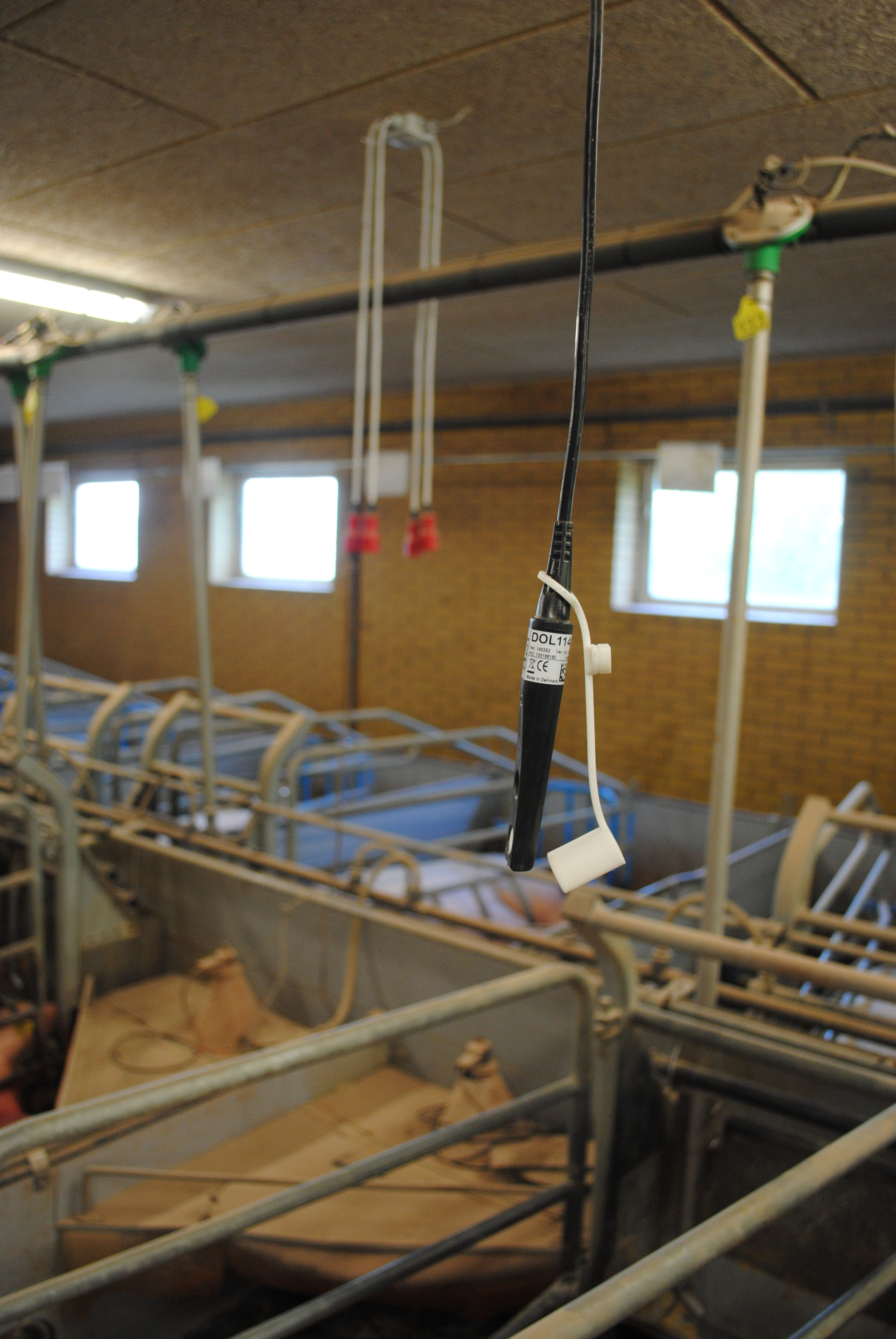 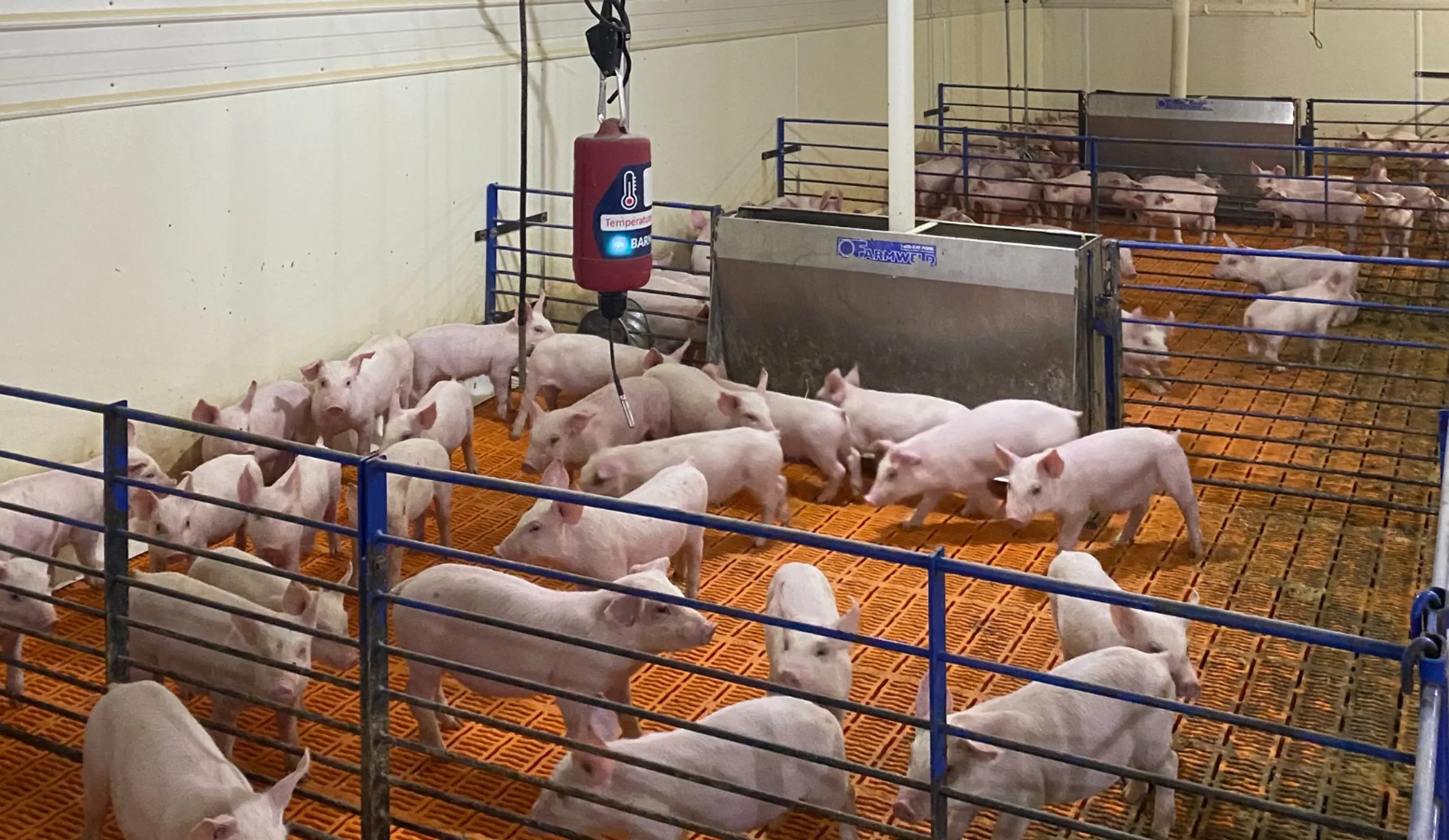 |
- Home
-
Products
- Pig Farming Equipment
- Cattle Farming Equipment
- Sheep & Goat Farming Equipment
- Poultry Farming Equipment
- Feeding & Drinking Systems
- Veterinary & Breeding Equipment
- Testing & Diagnostic Equipment
- Cleaning & Biosecurity Equipment
- Climate Control Equipment
- Livestock Weighing Equipment
- Manure & Waste Management
- Farm Transport & Handling
-
Solutions
- Pig Farm Solutions
- Dairy Farm Solutions
- Beef Cattle Farm Solutions
- Sheep & Goat Farm Solutions
- Layer Farm Solutions
- Broiler Farm Solutions
- Feeding & Drinking System Solutions
- Climate Control Solutions
- Biosecurity & Disinfection Solutions
- Manure & Waste Management
- Smart Farming Solutions
- Farm Renovation and Upgrade Solutions
- Partners
- Projects
- Resources
- News
- About Us
- Contact

Comments & Inquiries
Leave your questions or requirements below. We will reply as soon as possible.