




| Product Showcase | Content | ||||||||||||||||||||||
| Product Name | Indoor and Outdoor Temperature Sensor for Pig Houses | ||||||||||||||||||||||
| Product Image | 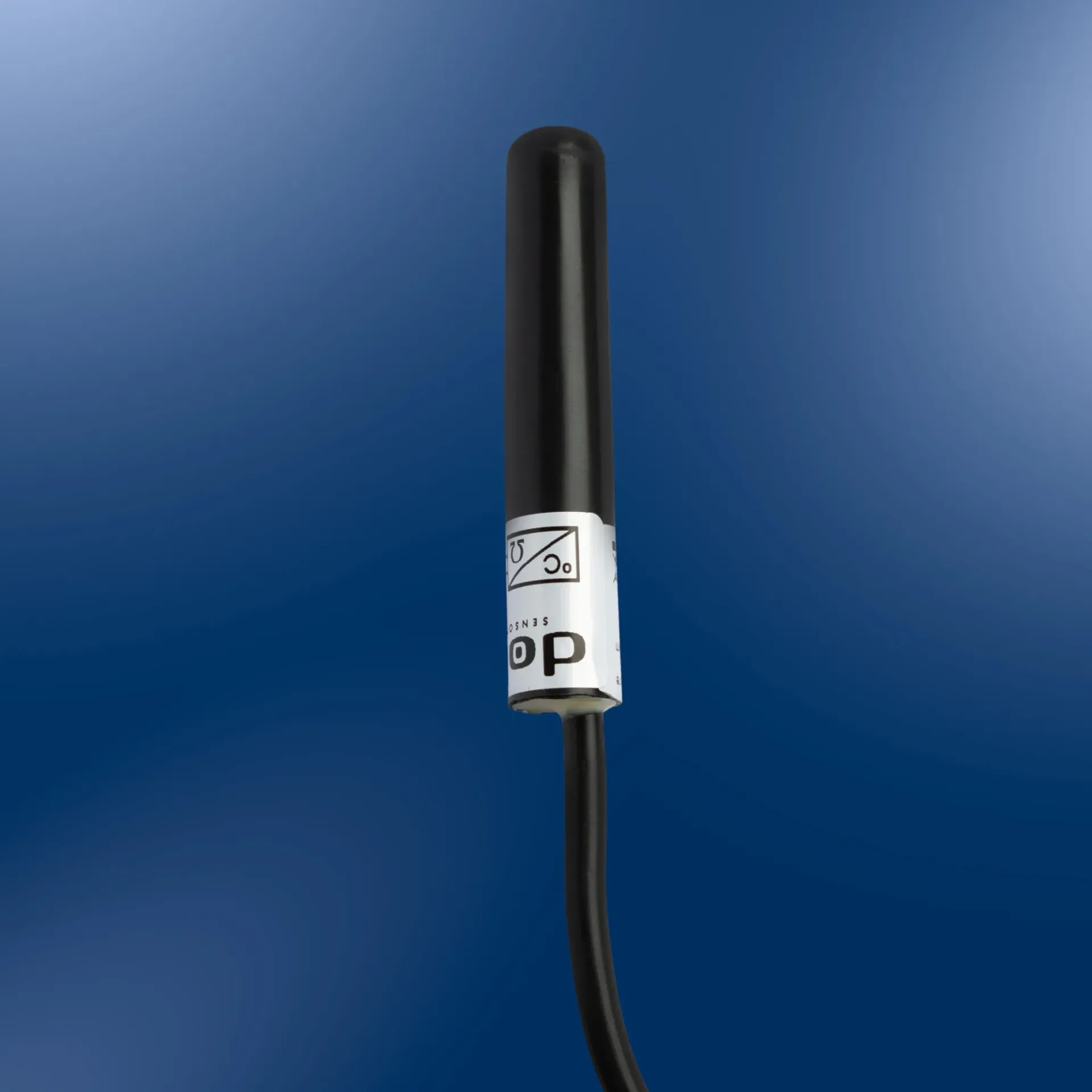 |
||||||||||||||||||||||
| Product Overview | The Indoor and Outdoor Temperature Sensor for Pig Houses is designed for continuous temperature measurement in commercial swine buildings and livestock environmental control systems. Its compact sealed construction is suitable for demanding farm conditions where dust, humidity, wash-down procedures and daily temperature fluctuations are common. The sensor can be installed inside pig houses to monitor animal-zone temperatures or outdoors to provide reference temperature data for climate controllers. When connected to a compatible environmental controller, the measured temperature can be used as an input for ventilation, heating, cooling and alarm management. It is suitable for new pig farm construction, renovation of existing livestock buildings, centralized climate-control projects and replacement of temperature sensing components in compatible control systems. |
||||||||||||||||||||||
| Key Features |
|
||||||||||||||||||||||
| Structural Components |
|
||||||||||||||||||||||
| Working Principle / Structural Principle | The sensing element responds to changes in surrounding air temperature by changing its electrical characteristics. A compatible livestock climate controller interprets this signal and converts it into temperature information for environmental management. The controller can then use the measured indoor or outdoor temperature as part of its control strategy for ventilation stages, variable-speed fans, air inlets, heating equipment, cooling systems and temperature alarms. Indoor sensors should be positioned where they represent the actual animal-zone climate rather than localized heat, cold drafts or direct airflow from equipment. |
||||||||||||||||||||||
| Technical Specifications |
|
||||||||||||||||||||||
| Applications |
|
||||||||||||||||||||||
| Customization Options | Sensor solutions can be configured according to the climate-control architecture and electrical requirements of the pig farm project. Available options may include cable length, connector arrangement, mounting accessories, controller matching and installation accessories. For complete pig house construction projects, the sensor layout can also be planned according to house dimensions, animal production stage, ventilation design, local climate and the environmental controller selected for the project. Final electrical characteristics and compatibility should be confirmed before ordering. |
||||||||||||||||||||||
| Installation & Maintenance | Indoor Installation: Install the sensor at a representative location in the pig house where it can measure the actual animal-zone environment. Avoid locations immediately beside heaters, cooling pads, ventilation inlets, exhaust fans, doors or other sources that may create abnormal local temperatures. Outdoor Installation: Position the sensor where it can measure representative outdoor air temperature. Protection from direct solar radiation is recommended where necessary so that solar heating does not distort the ambient temperature reading. Wiring: Route the sensor cable separately from high-power motor cables and other potential sources of electrical interference where practical. Electrical installation should follow the requirements of the selected climate controller. Maintenance: Inspect the probe, cable and connection points periodically. Remove accumulated dust and contamination as required. Check sensor readings against a reliable reference if abnormal climate-control behavior is observed. |
||||||||||||||||||||||
| Project Cases | Typical project configurations include one or more indoor temperature sensors distributed through long commercial pig houses together with an outdoor reference sensor connected to the central climate controller. In multi-house pig farm projects, temperature sensors can be integrated into independent house controllers or centralized farm environmental management systems. The quantity and installation positions should be determined according to building length, ventilation zones, production stages and control strategy. |
||||||||||||||||||||||
| Product FAQ | Q1: Can this sensor be used both inside and outside a pig house? Yes. The sensor is suitable for both indoor livestock-house temperature measurement and outdoor reference temperature monitoring when installed correctly. Q2: Can the sensor connect to a pig house climate controller? Yes, provided that the electrical characteristics of the sensor match the controller input. Controller compatibility should be confirmed before ordering. Q3: Can it be used to control ventilation fans and heaters directly? The temperature sensor normally supplies measurement information to a compatible climate controller. The controller then manages fans, heaters, air inlets, cooling equipment or alarms according to its programmed settings. Q4: Where should an indoor sensor be installed? It should be positioned at a representative monitoring point within the livestock environment and away from direct heaters, strong drafts, cooling equipment and other localized temperature influences. Q5: How should an outdoor temperature sensor be installed? Select a representative outdoor location and protect the sensing point from abnormal heat sources and direct solar radiation where required by the project. Q6: Is the sensor suitable for humid pig house conditions? The referenced sensor configuration has an IP67 protection rating and is designed for demanding livestock environments. Correct cable routing, electrical connections and installation practices remain important for long-term reliability. Q7: Can the cable length or installation accessories be customized? Cable and accessory configurations can be supplied according to project requirements, subject to sensor and controller compatibility. |
||||||||||||||||||||||
| Product Gallery | 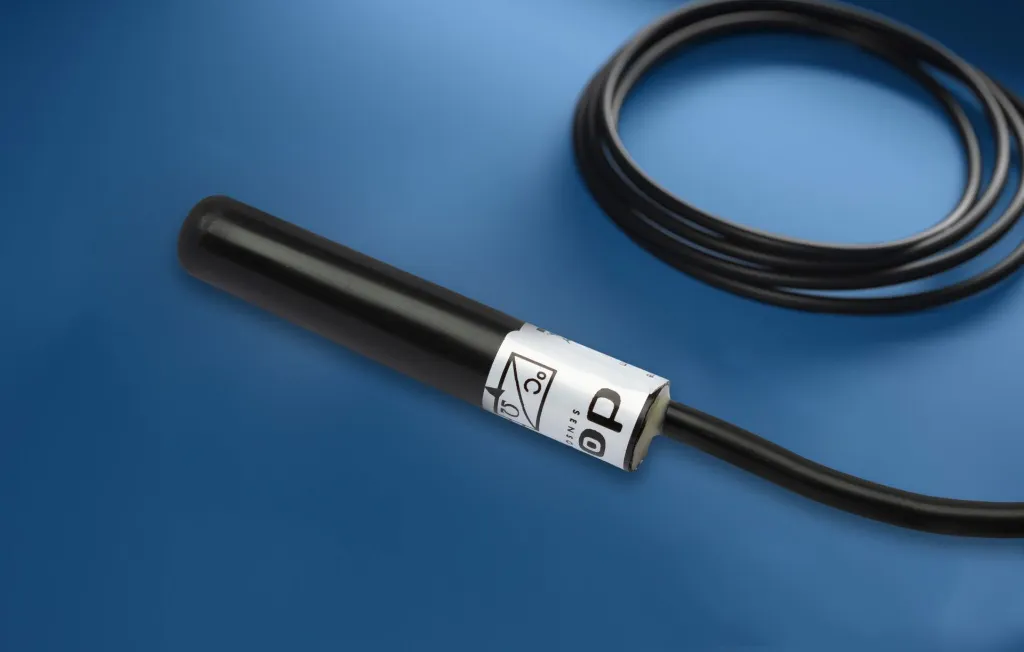 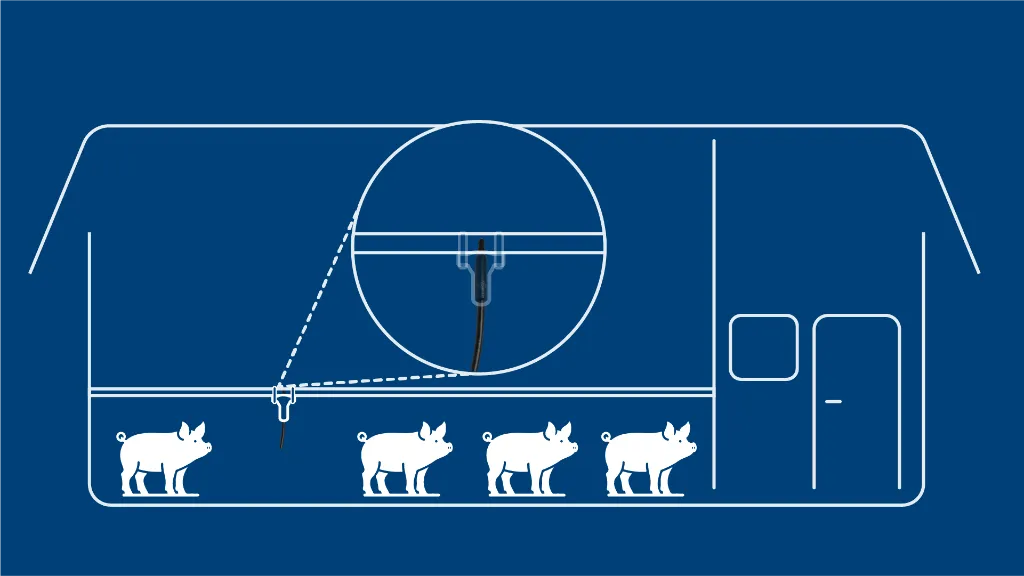  |
- Home
-
Products
- Pig Farming Equipment
- Cattle Farming Equipment
- Sheep & Goat Farming Equipment
- Poultry Farming Equipment
- Feeding & Drinking Systems
- Veterinary & Breeding Equipment
- Testing & Diagnostic Equipment
- Cleaning & Biosecurity Equipment
- Climate Control Equipment
- Livestock Weighing Equipment
- Manure & Waste Management
- Farm Transport & Handling
-
Solutions
- Pig Farm Solutions
- Dairy Farm Solutions
- Beef Cattle Farm Solutions
- Sheep & Goat Farm Solutions
- Layer Farm Solutions
- Broiler Farm Solutions
- Feeding & Drinking System Solutions
- Climate Control Solutions
- Biosecurity & Disinfection Solutions
- Manure & Waste Management
- Smart Farming Solutions
- Farm Renovation and Upgrade Solutions
- Partners
- Projects
- Resources
- News
- About Us
- Contact

Comments & Inquiries
Leave your questions or requirements below. We will reply as soon as possible.