


| Product Showcase | Content | ||||||||||||||||||||
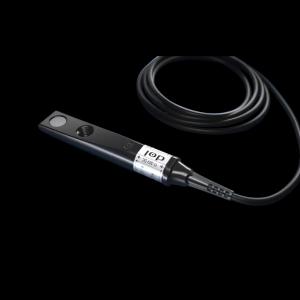
| Product Name | 4-20mA Humidity Transmitter for Livestock Houses | ||||||||||||||||||||
| Product Image | 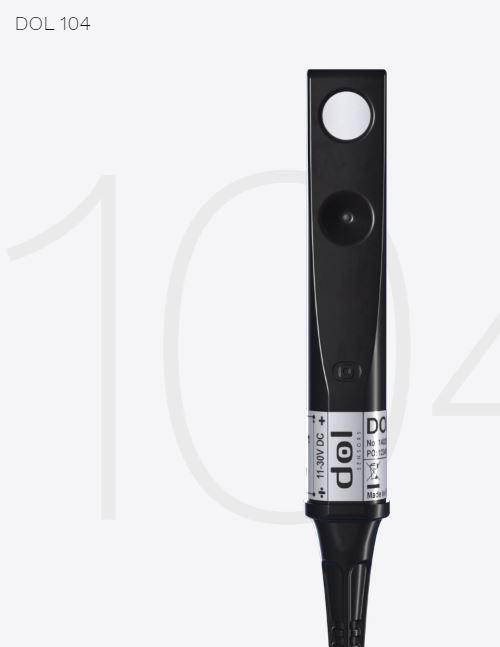 |
||||||||||||||||||||
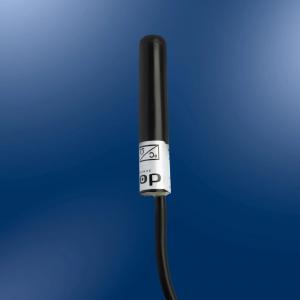
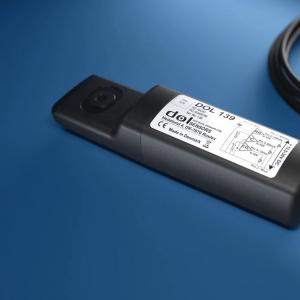
| Product Overview | The 4-20mA Humidity Transmitter for Livestock Houses is designed for continuous measurement of relative humidity in pig houses, poultry houses, cattle barns and other intensive livestock buildings. It converts measured humidity into a standard 4-20mA analogue signal for transmission to livestock climate controllers, PLC systems, environmental control cabinets or farm management platforms. The sensor is intended for agricultural environments where moisture, dust, ammonia, frequent temperature changes and routine washing can place greater demands on conventional indoor humidity sensors. A compact sensing body, protected humidity element and robust electrical design support stable operation in commercial livestock facilities. Continuous humidity monitoring helps farm operators coordinate ventilation, heating and cooling equipment, manage excess moisture and maintain more consistent indoor environmental conditions. |
||||||||||||||||||||
| Key Features |
|
||||||||||||||||||||
| Structural Components |
|
||||||||||||||||||||
| Working Principle / Structural Principle | The humidity sensing element responds to changes in the moisture content of the surrounding air. The internal electronic circuit processes the sensor signal and converts the measured relative humidity into a proportional 4-20mA current signal. The current signal is transmitted through the field wiring to a compatible livestock climate controller, PLC or monitoring device. The controller can then use humidity information together with temperature, CO2, ammonia, pressure or ventilation data to manage fans, air inlets, heaters, cooling equipment and alarm functions. A current-loop signal is particularly suitable for agricultural projects where the sensor may be installed some distance from the central controller and reliable analogue signal transmission is required. |
||||||||||||||||||||
| Technical Specifications |
|
||||||||||||||||||||
| Applications |
|
||||||||||||||||||||
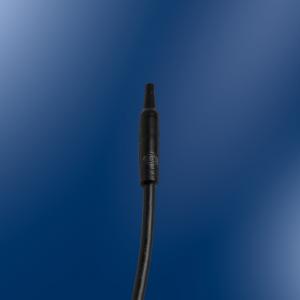
| Customization Options | The humidity transmitter can be configured according to the electrical and environmental requirements of different livestock projects. Customization options may include cable length, connector type, installation accessories, controller matching, protective accessories and system integration. For new pig farm construction or steel structure livestock buildings, sensor quantity and measuring positions can be selected according to house dimensions, production zones, ventilation layout and environmental control strategy. OEM and project-based configurations are available upon request. |
||||||||||||||||||||
| Installation & Maintenance | Install the transmitter at a representative location where the sensor can measure general livestock-house air rather than direct airflow from an inlet, heater, cooling nozzle or exhaust opening. The sensor should also be positioned where animals, workers and equipment are unlikely to damage it. Route signal cables separately from high-power motor cables where practical to reduce electrical interference. Wiring and controller configuration should follow the selected transmitter and control-system documentation. During routine maintenance, inspect the sensing area for excessive dust, manure deposits or other contamination. Cleaning procedures should follow the sensor protection design. Avoid damaging the humidity element with hard tools or aggressive cleaning methods. |
||||||||||||||||||||
| Project Cases | Typical project applications include environmental monitoring in farrowing houses, nursery buildings, finishing pig houses, commercial broiler houses and breeder farms. In integrated climate-control projects, humidity transmitters are commonly used together with temperature, CO2, ammonia and pressure sensors. For large livestock groups and engineering projects, multiple sensors can be distributed across production zones and connected to centralized controllers or farm-management platforms. The final quantity and installation layout should be determined according to building size, ventilation zoning and control requirements. |
||||||||||||||||||||
| Product FAQ | Q1: Why use a 4-20mA humidity transmitter in a livestock house? A 4-20mA current signal is widely used in industrial and agricultural control systems because it provides a standardized analogue interface and is suitable for transmitting measurement signals to compatible controllers over field wiring. Q2: Can the transmitter work with a pig house climate controller? Yes, provided the controller supports the required 4-20mA input and the electrical specifications are matched correctly. Q3: Where should the humidity sensor be installed? It should normally be installed at a representative environmental measuring position, away from direct water spray, strong localized airflow, heating outlets and other conditions that may distort the reading. Q4: Can cable length and connection type be customized? Yes. Cable length, connection method and installation accessories can be customized according to project requirements. Q5: Can this sensor be integrated with ventilation and cooling equipment? Yes. The transmitter supplies humidity data to a compatible controller, which can use the measurement as part of its ventilation, heating, cooling or alarm control logic. Q6: Is it suitable for commercial pig farms? Yes. The product is intended for continuous environmental monitoring in commercial livestock facilities, including intensive pig and poultry production buildings. |
||||||||||||||||||||
| Product Gallery | 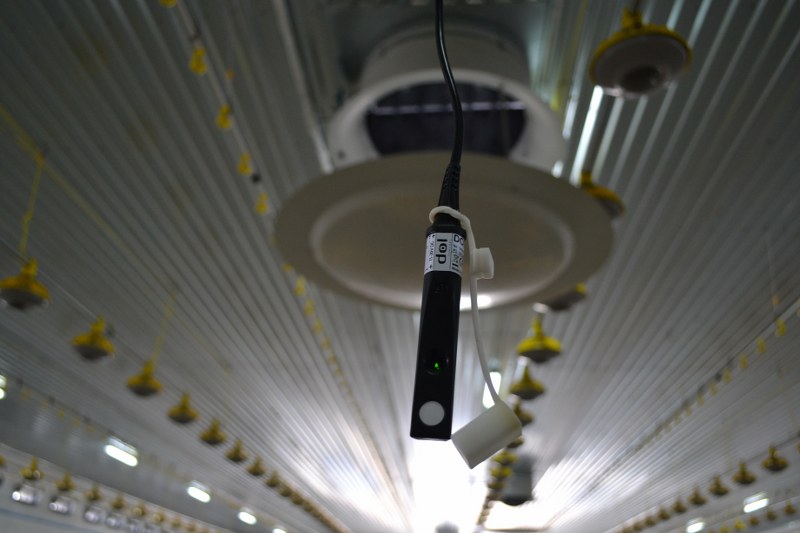 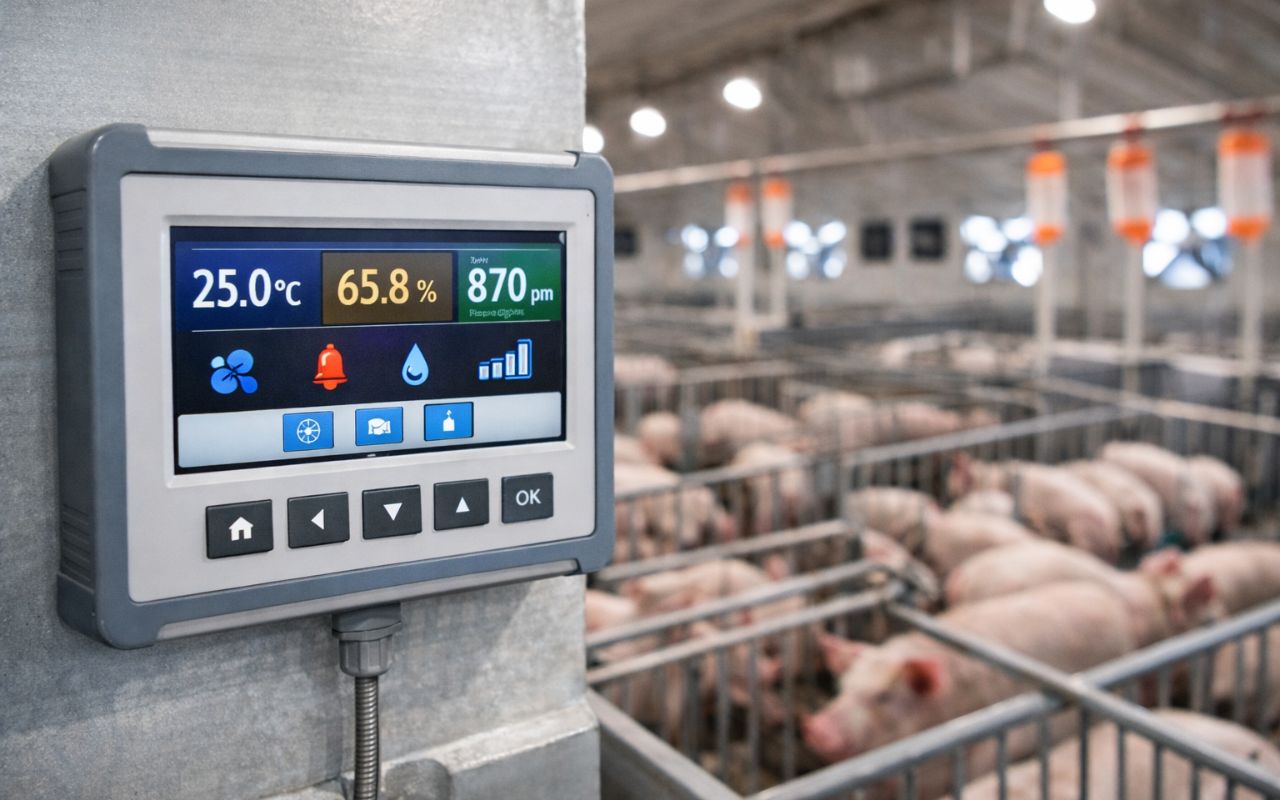 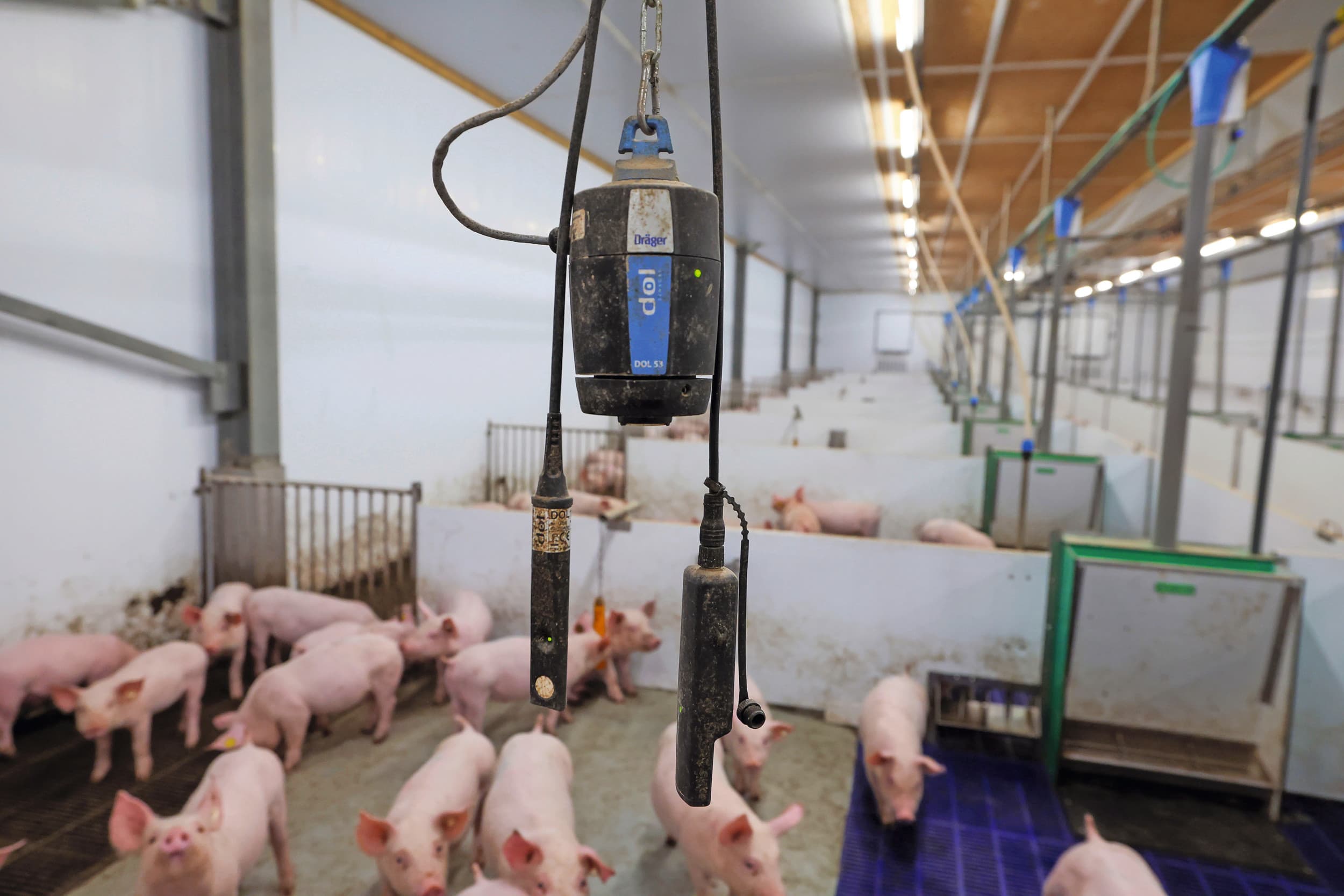 |
- Home
-
Products
- Pig Farming Equipment
- Cattle Farming Equipment
- Sheep & Goat Farming Equipment
- Poultry Farming Equipment
- Feeding & Drinking Systems
- Veterinary & Breeding Equipment
- Testing & Diagnostic Equipment
- Cleaning & Biosecurity Equipment
- Climate Control Equipment
- Livestock Weighing Equipment
- Manure & Waste Management
- Farm Transport & Handling
-
Solutions
- Pig Farm Solutions
- Dairy Farm Solutions
- Beef Cattle Farm Solutions
- Sheep & Goat Farm Solutions
- Layer Farm Solutions
- Broiler Farm Solutions
- Feeding & Drinking System Solutions
- Climate Control Solutions
- Biosecurity & Disinfection Solutions
- Manure & Waste Management
- Smart Farming Solutions
- Farm Renovation and Upgrade Solutions
- Partners
- Projects
- Resources
- News
- About Us
- Contact



Comments & Inquiries
Leave your questions or requirements below. We will reply as soon as possible.