



| Product Showcase | Content | ||||||||||||||||||||
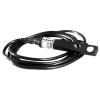
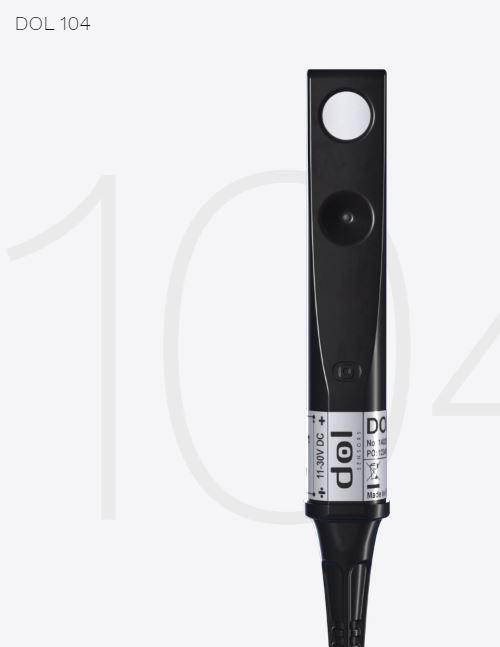
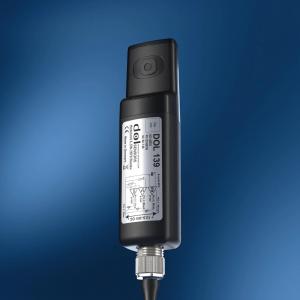
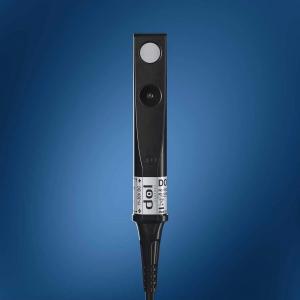
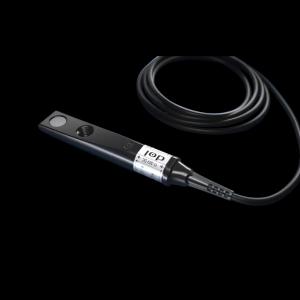
| Product Name | Water-Resistant Humidity Sensor for Livestock Houses | ||||||||||||||||||||
| Product Image | 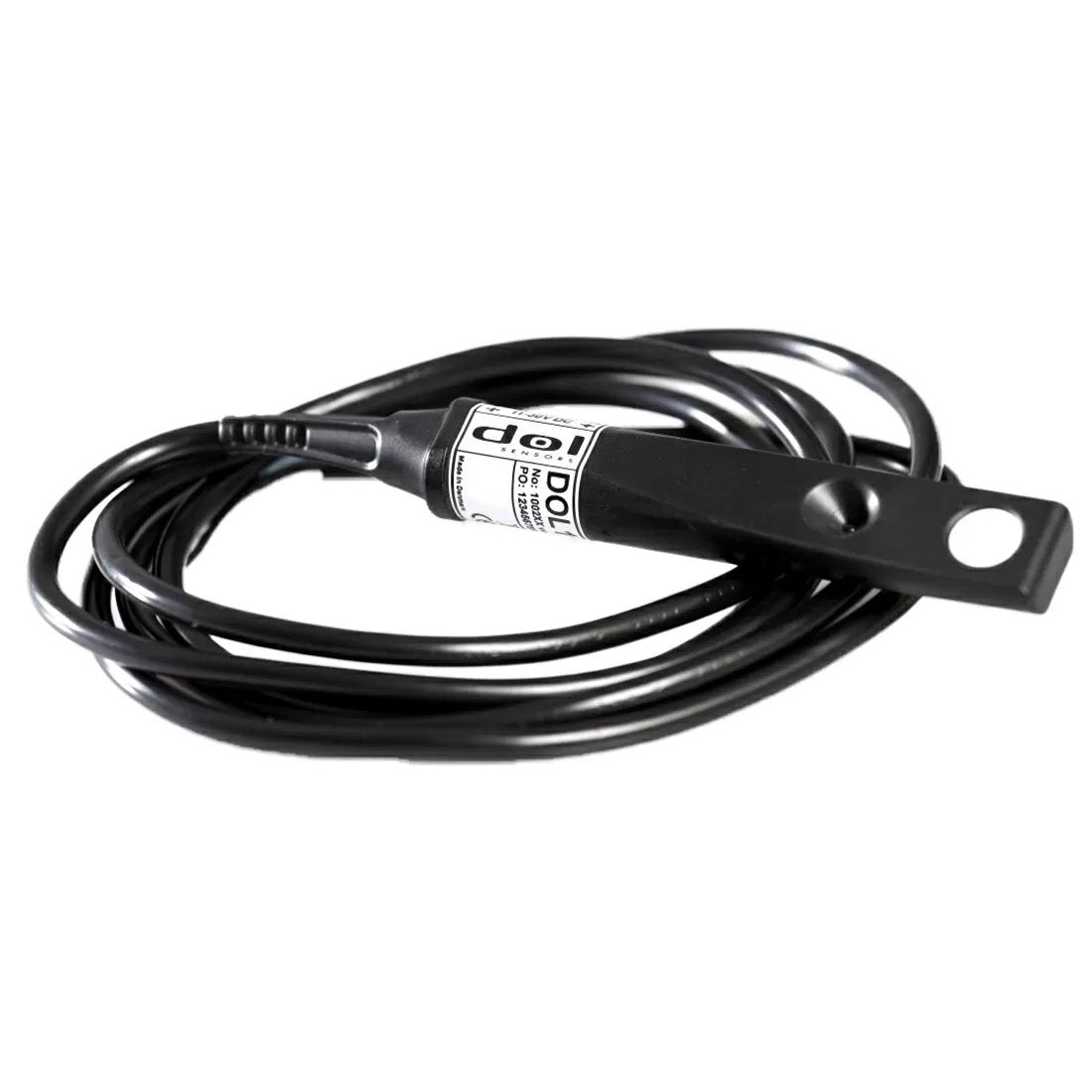 |
||||||||||||||||||||
| Product Overview | The Water-Resistant Humidity Sensor for Livestock Houses is designed for continuous relative humidity monitoring in pig houses, poultry houses, calf barns, dairy facilities and other controlled livestock environments. It provides stable humidity data to farm climate controllers, ventilation systems and environmental management platforms, helping operators maintain suitable indoor climate conditions throughout changing production cycles. The sensor is intended for demanding agricultural environments where high humidity, condensation, dust and routine wash-down procedures are common. A protected sensing element, robust housing and water-resistant construction improve reliability in commercial farm applications. |
||||||||||||||||||||
| Key Features |
|
||||||||||||||||||||
| Structural Components |
|
||||||||||||||||||||
| Working Principle | The sensor continuously detects the relative humidity of the surrounding air. The sensing element converts changes in moisture level into an electrical signal, which is processed by the internal electronics and transmitted to a livestock-house climate controller. The controller can use this humidity information together with temperature and other environmental data to regulate exhaust fans, air inlets, heaters, cooling pads, misting systems or other climate-control equipment. This supports more stable indoor conditions and more precise environmental management in commercial livestock production. |
||||||||||||||||||||
| Technical Specifications |
|
||||||||||||||||||||
| Applications |
|
||||||||||||||||||||
| Customization Options |
|
||||||||||||||||||||
| Installation & Maintenance | Install the sensor in a representative area of the livestock house with unrestricted air circulation around the sensing element. Avoid locations exposed to direct sunlight, heater discharge, cooling-pad spray, water jets, door openings or other local conditions that may distort the humidity reading. The sensor may be installed with a dedicated mounting bracket or suspended according to the selected configuration. Wiring should follow the controller input specification and the supplied connection diagram. During house washing and disinfection, use the recommended protective cap where applicable. Avoid aggressive solvents, corrosive chemicals and direct high-temperature pressure washing unless specifically approved for the selected sensor configuration. Inspect the sensing area, cable and connector periodically and keep the airflow path clear of excessive dust or deposits. |
||||||||||||||||||||
| Project Cases | Typical project applications include humidity monitoring in mechanically ventilated pig houses, broiler houses with evaporative cooling systems, layer houses with centralized climate controllers and livestock buildings requiring coordinated ventilation and humidity management. For large-scale farm projects, multiple humidity sensors can be distributed by house, production zone or ventilation section and connected to a centralized climate-control system according to the building layout and environmental-control strategy. |
||||||||||||||||||||
| Product FAQ | Q: Is this sensor suitable for pig houses with continuously high humidity? A: Yes. The product concept is intended for livestock environments where elevated humidity and condensation are common. Final configuration should be selected according to actual farm conditions. Q: Can the sensor connect to an existing farm climate controller? A: In most projects, yes, provided the controller supports the selected analogue signal. Output type should be confirmed before ordering. Q: Is the sensor waterproof? A: Water-resistant versions and IP67 configurations are available according to project requirements. The sensor should still be protected during intensive washing and disinfection according to the installation instructions. Q: Can cable length be customized? A: Yes. Cable length and connection requirements can be customized according to the control cabinet position and livestock-house layout. Q: Where should the sensor be installed? A: It should be installed in a representative livestock-zone location with good airflow and away from direct sunlight, water spray, heater outlets and other local heat or moisture sources. Q: Can it be supplied for complete pig farm or poultry farm projects? A: Yes. Sensor quantity, output configuration, cable requirements and installation accessories can be selected according to the complete climate-control project. |
||||||||||||||||||||
| Product Gallery | 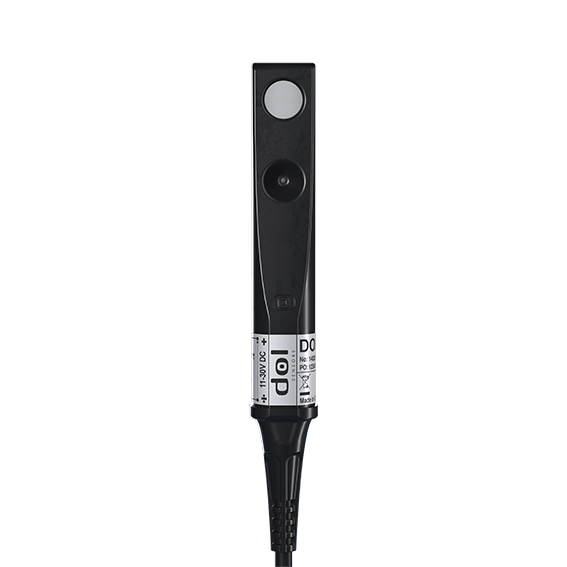 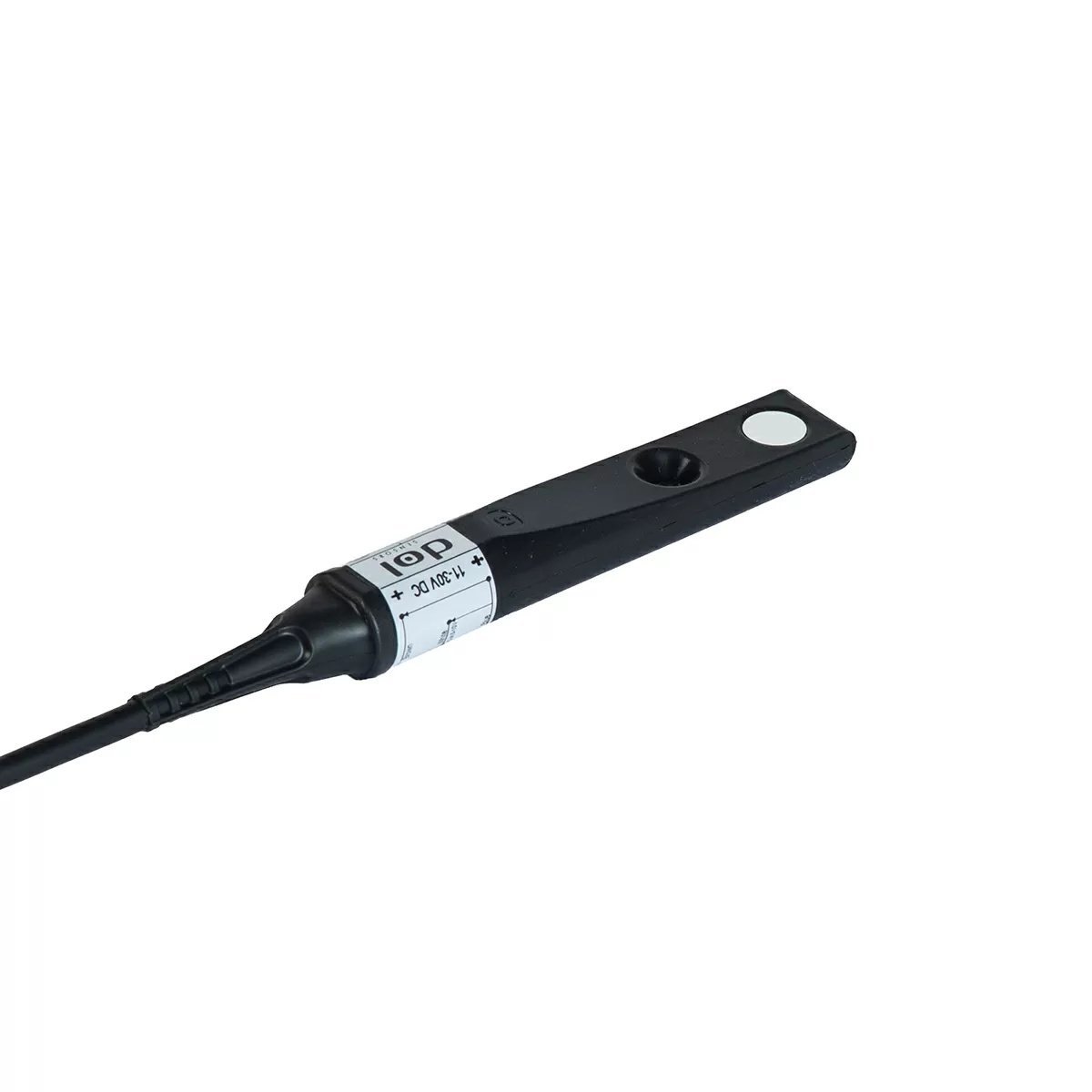 |
- Home
-
Products
- Pig Farming Equipment
- Cattle Farming Equipment
- Sheep & Goat Farming Equipment
- Poultry Farming Equipment
- Feeding & Drinking Systems
- Veterinary & Breeding Equipment
- Testing & Diagnostic Equipment
- Cleaning & Biosecurity Equipment
- Climate Control Equipment
- Livestock Weighing Equipment
- Manure & Waste Management
- Farm Transport & Handling
-
Solutions
- Pig Farm Solutions
- Dairy Farm Solutions
- Beef Cattle Farm Solutions
- Sheep & Goat Farm Solutions
- Layer Farm Solutions
- Broiler Farm Solutions
- Feeding & Drinking System Solutions
- Climate Control Solutions
- Biosecurity & Disinfection Solutions
- Manure & Waste Management
- Smart Farming Solutions
- Farm Renovation and Upgrade Solutions
- Partners
- Projects
- Resources
- News
- About Us
- Contact


Comments & Inquiries
Leave your questions or requirements below. We will reply as soon as possible.