


| Product Showcase | Content | ||||||||||||||||||||||||||||
| Product Name | Multi-Point Ammonia Sensor System for Livestock Houses | ||||||||||||||||||||||||||||
| Product Image | 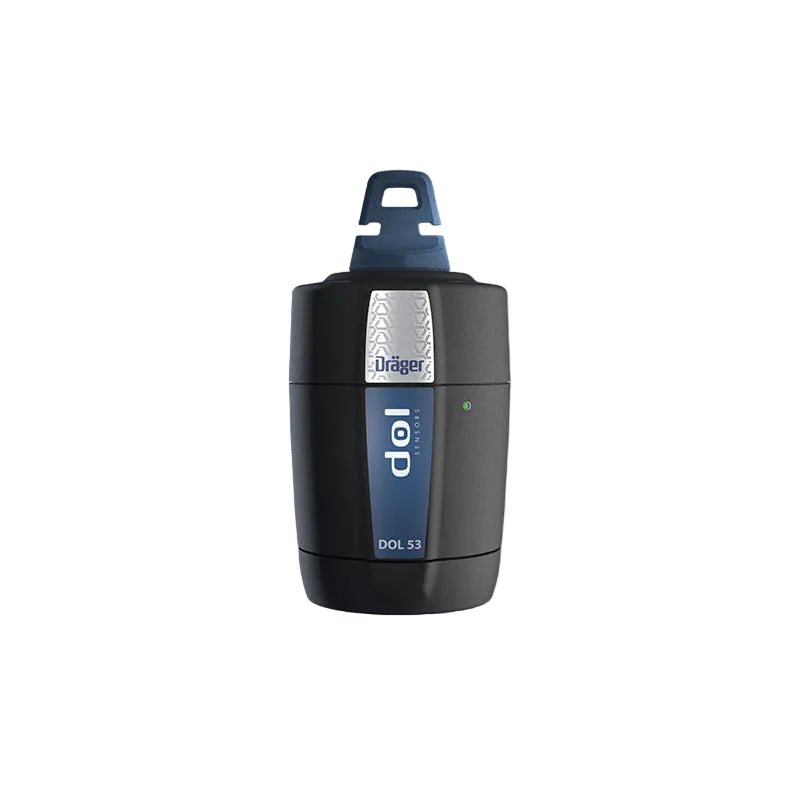 |
||||||||||||||||||||||||||||
| Product Overview | The Multi-Point Ammonia Sensor System for Livestock Houses is a distributed environmental monitoring solution designed for continuous measurement of ammonia concentration at multiple locations inside commercial pig houses, poultry houses and other intensive livestock buildings. Instead of relying on a single monitoring point, multiple fixed NH3 sensors can be arranged throughout different production zones, building sections or ventilation areas. Each sensor measures the local ammonia concentration, allowing the farm climate-control system to obtain a more representative picture of indoor air quality. The system is suitable for new livestock equipment projects, pig farm construction, steel structure livestock buildings and renovation of existing farms. Sensor quantity, monitoring-point layout, wiring method and controller integration can be designed according to project requirements. |
||||||||||||||||||||||||||||
| Key Features |
|
||||||||||||||||||||||||||||
| Structural Components |
|
||||||||||||||||||||||||||||
| Working Principle / Structural Principle | Each monitoring point continuously samples the surrounding livestock-house air through its ammonia sensing element. The electrochemical sensor responds to NH3 concentration and converts the detected concentration into an electrical measurement signal. Sensors are positioned at representative locations throughout the livestock building. Measurement data from individual points can be transmitted to compatible climate-control, monitoring or farm management equipment. This allows operators to compare ammonia conditions between different zones rather than depending on one single sensor location. When ammonia levels increase in a specific area, the farm controller or operator can use the measurement information to evaluate ventilation performance, manure management, litter condition, stocking areas and other environmental factors. Automatic control functions depend on the selected controller and project configuration. |
||||||||||||||||||||||||||||
| Technical Specifications |
Final sensor specifications, signal format, power requirements, cable configuration, monitoring range and controller compatibility should be confirmed according to the selected system configuration and individual project requirements. |
||||||||||||||||||||||||||||
| Applications |
|
||||||||||||||||||||||||||||
| Customization Options | The multi-point system can be configured according to individual livestock-house dimensions, production layout and ventilation strategy.
|
||||||||||||||||||||||||||||
| Installation & Maintenance | Monitoring points should be installed at representative locations where the surrounding air reflects actual livestock-house conditions. For multi-point projects, sensor positions should consider building length, animal zones, airflow direction, exhaust locations, fresh-air inlets and manure or litter areas. Sensors should not be placed directly in strong incoming air streams or locations exposed to direct washing water, excessive condensation or unusual localized gas sources unless the project design specifically requires monitoring at those positions. Install each sensor according to the manufacturer's specified orientation and electrical requirements. Wiring should be routed and protected according to agricultural electrical installation practices and connected only to compatible controllers. Routine maintenance includes visual inspection, keeping the sensing area unobstructed and checking protective filters where applicable. Reference DOL 53 sensor technology is designed for low maintenance and does not require calibration during its specified service life. Sensor elements should be replaced according to their specified replacement date and operating conditions. |
||||||||||||||||||||||||||||
| Project Cases | Large Commercial Pig House: Multiple NH3 monitoring points can be distributed along a long finishing or sow building to monitor differences between production areas and ventilation zones. Measurement information can be integrated with the central climate controller for environmental supervision. Multi-Room Pig Farm: Separate ammonia sensors can be installed in different rooms or production sections so farm managers can compare environmental conditions and identify areas requiring ventilation or manure-management adjustment. Poultry Production House: Multiple monitoring points can help identify differences in NH3 concentration associated with litter conditions, airflow patterns and house ventilation. The collected information can support environmental management throughout the production cycle. The number and position of sensors for each project should be determined according to building dimensions, livestock density, ventilation design and the required monitoring resolution. |
||||||||||||||||||||||||||||
| Product FAQ | Q1: Why use multiple ammonia sensors instead of one sensor? Ammonia concentration may vary between different areas of a large livestock building. Multiple monitoring points provide more localized environmental information and help operators identify areas with different ventilation or manure-related conditions. Q2: How many ammonia sensors are required for one livestock house? There is no universal quantity. The recommended number depends on building dimensions, compartment layout, ventilation zones, livestock density and the required monitoring resolution. Q3: Can the system be used in commercial pig farms? Yes. It is suitable for sow farms, nursery houses, finishing houses and other commercial pig production facilities where continuous NH3 monitoring is required. Q4: Is the system suitable for poultry houses? Yes. Multi-point ammonia monitoring can be used in broiler, breeder and layer houses to support ventilation and litter-management decisions. Q5: Can the sensors connect to a central climate controller? Yes, when the selected controller provides compatible sensor inputs. Interface requirements should be confirmed before system configuration. Q6: Can sensor quantity and cable length be customized? Yes. Sensor quantities, cable arrangements, installation accessories and monitoring layouts can be configured according to project requirements. Q7: Does each monitoring point measure ammonia independently? Yes. Each fixed sensing point measures the NH3 concentration in its local surrounding environment. The resulting signals can then be processed by the selected monitoring or climate-control system. Q8: Can the system be supplied for new pig farm construction? Yes. Sensor locations and cable routing can be planned together with the ventilation system, electrical system and livestock-house construction layout during the engineering stage. |
||||||||||||||||||||||||||||
| Product Gallery |  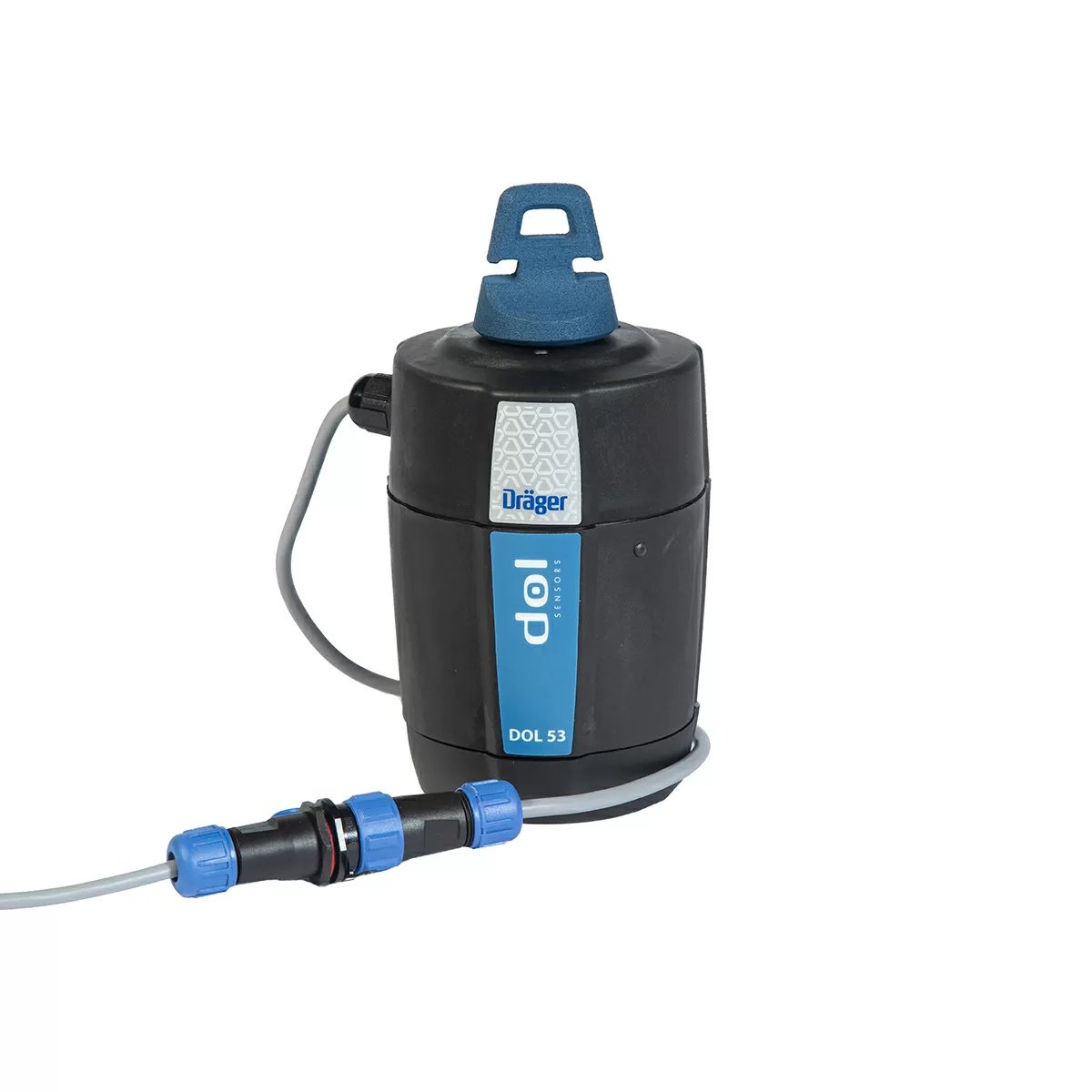 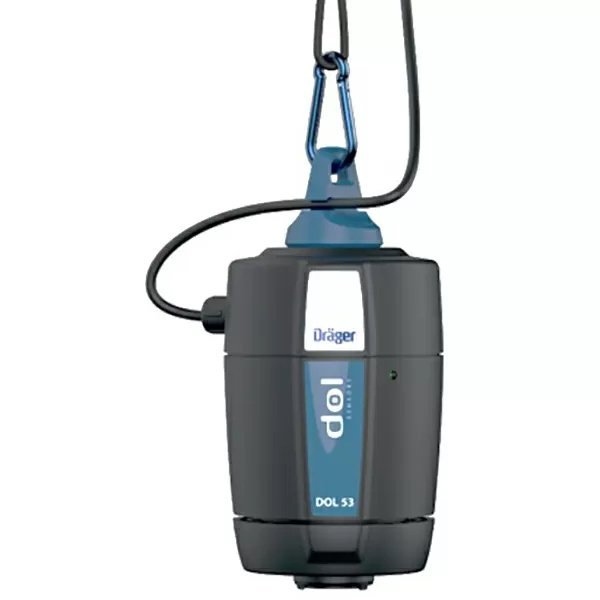 |
- Home
-
Products
- Pig Farming Equipment
- Cattle Farming Equipment
- Sheep & Goat Farming Equipment
- Poultry Farming Equipment
- Feeding & Drinking Systems
- Veterinary & Breeding Equipment
- Testing & Diagnostic Equipment
- Cleaning & Biosecurity Equipment
- Climate Control Equipment
- Livestock Weighing Equipment
- Manure & Waste Management
- Farm Transport & Handling
-
Solutions
- Pig Farm Solutions
- Dairy Farm Solutions
- Beef Cattle Farm Solutions
- Sheep & Goat Farm Solutions
- Layer Farm Solutions
- Broiler Farm Solutions
- Feeding & Drinking System Solutions
- Climate Control Solutions
- Biosecurity & Disinfection Solutions
- Manure & Waste Management
- Smart Farming Solutions
- Farm Renovation and Upgrade Solutions
- Partners
- Projects
- Resources
- News
- About Us
- Contact


Comments & Inquiries
Leave your questions or requirements below. We will reply as soon as possible.