

| Product Showcase | Content | ||||||||||||||||||||
| Product Name | Fixed Livestock House Ammonia Sensor | ||||||||||||||||||||
| Product Image | 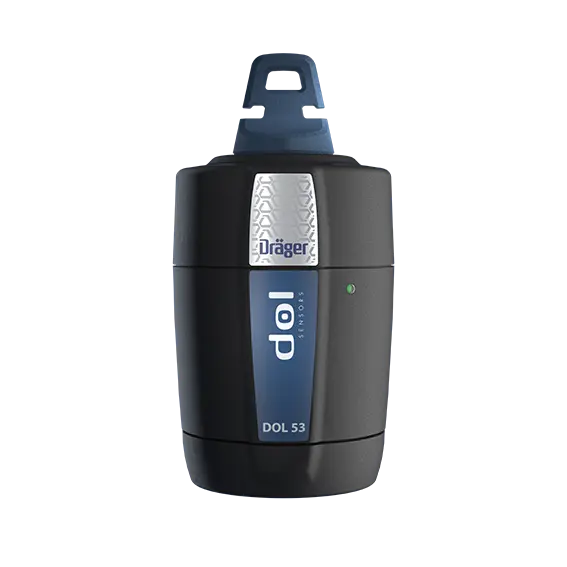 |
||||||||||||||||||||
| Product Overview |
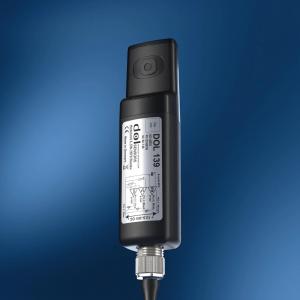
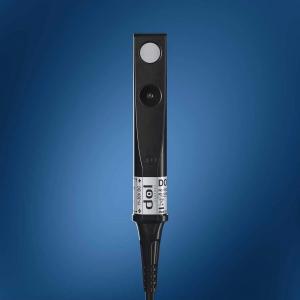
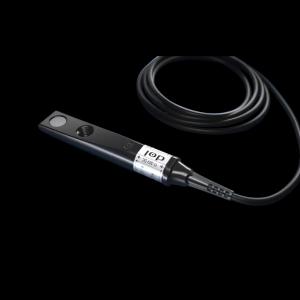
The Fixed Livestock House Ammonia Sensor is designed for continuous stationary monitoring of ammonia (NH3) concentration inside commercial livestock buildings. It is suitable for pig houses, poultry houses, breeding facilities and other intensive animal production environments where reliable air-quality information is required for climate and ventilation management. Using an electrochemical diffusion sensing principle, the sensor detects ammonia directly in the surrounding barn air and provides measurement data to compatible environmental controllers or farm management systems. Continuous NH3 monitoring helps operators identify deteriorating indoor air conditions and adjust ventilation, manure management or other environmental-control measures in a timely manner. |
||||||||||||||||||||
| Key Features |
|
||||||||||||||||||||
| Structural Components |
|
||||||||||||||||||||
| Working Principle / Structural Principle |
Ammonia in the surrounding livestock-house air reaches the sensing element through a diffusion opening. The electrochemical sensing element responds to the NH3 concentration and generates a corresponding electrical signal. The internal electronics process this signal and transmit measurement information to a compatible climate controller or monitoring system. The farm controller can then display ammonia concentration, record environmental trends or use the information as part of ventilation and air-quality management strategies. |
||||||||||||||||||||
| Technical Specifications |
Final specifications should be confirmed according to the selected sensor module, controller interface, farm layout and local operating conditions. |
||||||||||||||||||||
| Applications |
|
||||||||||||||||||||
| Customization Options |
|
||||||||||||||||||||
| Installation & Maintenance |
Installation: Install the sensor at a representative monitoring position inside the livestock house where airflow can reach the sensing inlet. Avoid locations directly exposed to water spray, heaters, strong fresh-air jets or areas where unusual local airflow could distort the measurement. System Connection: Connect the sensor to the specified climate controller, PLC or monitoring device according to the selected electrical interface and wiring requirements. Maintenance: Inspect the sensor inlet and protective filter regularly. Dust accumulation should be removed or the filter replaced when required to maintain an appropriate response time. Cleaning: Protect or remove sensitive sensing components during intensive livestock-house washing and disinfection according to the product maintenance instructions. |
||||||||||||||||||||
| Project Cases |
Commercial Pig House Climate Monitoring: Fixed NH3 sensors can be installed at representative monitoring locations in finishing houses and connected to the farm environmental control system. Continuous ammonia data helps operators evaluate ventilation performance and identify changes associated with manure accumulation, stocking conditions or insufficient air exchange. Multi-House Livestock Projects: For large pig or poultry farms, multiple ammonia monitoring points can be planned according to building size, ventilation layout and management requirements, allowing centralized environmental supervision across several livestock houses. |
||||||||||||||||||||
| Product FAQ |
Q: Why use a fixed ammonia sensor instead of a handheld detector? Q: Can the sensor be used in pig houses? Q: Can it be connected to an automatic ventilation controller? Q: Where should the ammonia sensor be installed? Q: Does the sensor require maintenance? Q: Can SHEWUYOU configure ammonia monitoring for an entire livestock project? |
||||||||||||||||||||
| Product Gallery | 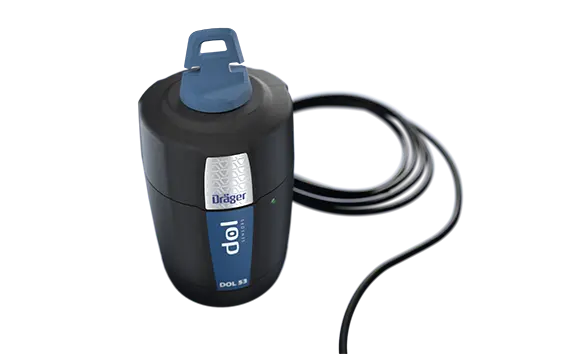  |
- Home
-
Products
- Pig Farming Equipment
- Cattle Farming Equipment
- Sheep & Goat Farming Equipment
- Poultry Farming Equipment
- Feeding & Drinking Systems
- Veterinary & Breeding Equipment
- Testing & Diagnostic Equipment
- Cleaning & Biosecurity Equipment
- Climate Control Equipment
- Livestock Weighing Equipment
- Manure & Waste Management
- Farm Transport & Handling
-
Solutions
- Pig Farm Solutions
- Dairy Farm Solutions
- Beef Cattle Farm Solutions
- Sheep & Goat Farm Solutions
- Layer Farm Solutions
- Broiler Farm Solutions
- Feeding & Drinking System Solutions
- Climate Control Solutions
- Biosecurity & Disinfection Solutions
- Manure & Waste Management
- Smart Farming Solutions
- Farm Renovation and Upgrade Solutions
- Partners
- Projects
- Resources
- News
- About Us
- Contact



Comments & Inquiries
Leave your questions or requirements below. We will reply as soon as possible.