


| Product Showcase | Content | ||||||||||||||||||||||||
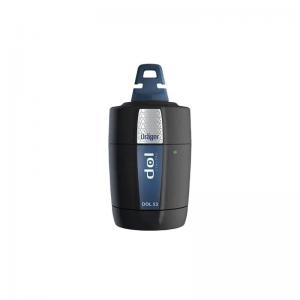
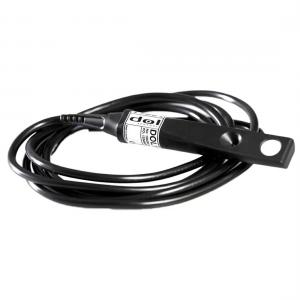
| Product Name | High-Humidity Ammonia Sensor for Livestock Air Treatment | ||||||||||||||||||||||||
| Product Image |  |
||||||||||||||||||||||||
| Product Overview |
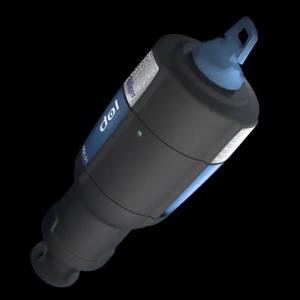
The High-Humidity Ammonia Sensor for Livestock Air Treatment is designed for continuous measurement of ammonia (NH3) in demanding livestock exhaust-air and air-cleaning applications where relative humidity can become extremely high. Unlike conventional barn sensors intended primarily for normal indoor climate monitoring, this configuration incorporates a heated air path around the measuring inlet to reduce condensation problems. It is therefore particularly suitable for the clean-gas side of livestock air scrubbers, exhaust-air treatment systems and other humid process-air locations. For commercial pig farms, poultry facilities and large livestock projects, continuous NH3 monitoring provides valuable operating data for evaluating air-cleaning performance, documenting treated exhaust-air quality and supporting environmental management. |
||||||||||||||||||||||||
| Key Features |
|
||||||||||||||||||||||||
| Structural Components |
|
||||||||||||||||||||||||
| Working Principle / Structural Principle |
The sensor is installed directly in the exhaust-air or treated-air stream. Ammonia-containing air reaches the electrochemical sensing element through the measuring inlet, where the NH3 concentration is converted into an electrical measurement signal. In high-humidity applications, condensation at the sensor inlet can interfere with conventional measurement equipment. The heated convection section helps keep the measuring path suitable for gas diffusion even when moisture levels are extremely high. When installed after an air-cleaning system, the sensor measures the remaining ammonia concentration on the clean-gas side. Comparing this information with inlet-side NH3 data allows farm operators and project engineers to evaluate the performance of the air-treatment system. |
||||||||||||||||||||||||
| Technical Specifications |
Final electrical specifications, output signal, installation accessories and system compatibility should be confirmed according to the selected project configuration. |
||||||||||||||||||||||||
| Applications |
|
||||||||||||||||||||||||
| Customization Options |
|
||||||||||||||||||||||||
| Installation & Maintenance |
Installation Position: Install the sensor directly in a representative exhaust-air or clean-gas airstream according to the air-treatment system design. The selected location should provide stable airflow across the measuring inlet. Air-Cleaner Installation: For performance monitoring, the high-humidity sensor is typically positioned on the clean-gas side after the filtration or scrubbing stages. An additional upstream NH3 sensor may be used when inlet-versus-outlet performance data is required. Electrical Connection: Wiring should follow the selected signal-output specification and the requirements of the livestock climate controller, PLC or data-acquisition system. Maintenance: Check the dust filter and measuring inlet periodically. Replace the filter or sensor element according to operating conditions and service requirements. Cleaning: Protect the sensing components during high-pressure washing, aggressive chemical cleaning or farm disinfection procedures. Follow the approved maintenance procedure for the selected sensor configuration. |
||||||||||||||||||||||||
| Project Cases |
Commercial Pig Farm Air Scrubber: The sensor can be installed downstream of an exhaust-air cleaner to continuously measure residual NH3 after the air passes through the cleaning stages. The measurement data can be used to document treated-air quality and identify changes in scrubber performance. Inlet and Outlet Monitoring: A standard livestock-house ammonia sensor can be installed before the air-treatment unit while the high-humidity sensor is positioned on the clean-gas side. Comparing both signals provides useful information for evaluating ammonia-removal efficiency. Multi-House Livestock Project: In centralized ventilation systems serving several pig houses, multiple NH3 monitoring points can be integrated into a PLC or farm environmental management platform for centralized data collection and operational supervision. |
||||||||||||||||||||||||
| Product FAQ |
Q: Why is a special ammonia sensor required for high-humidity air treatment? Q: Can the sensor operate at very high relative humidity? Q: Where is the sensor normally installed in an air scrubber? Q: Does the sensor require an external sampling pump? Q: Can inlet and outlet ammonia concentration be compared? Q: Can the sensor be connected to a PLC or farm controller? Q: Can SHEWUYOU supply a complete ammonia monitoring solution? |
||||||||||||||||||||||||
| Product Gallery |  |
- Home
-
Products
- Pig Farming Equipment
- Cattle Farming Equipment
- Sheep & Goat Farming Equipment
- Poultry Farming Equipment
- Feeding & Drinking Systems
- Veterinary & Breeding Equipment
- Testing & Diagnostic Equipment
- Cleaning & Biosecurity Equipment
- Climate Control Equipment
- Livestock Weighing Equipment
- Manure & Waste Management
- Farm Transport & Handling
-
Solutions
- Pig Farm Solutions
- Dairy Farm Solutions
- Beef Cattle Farm Solutions
- Sheep & Goat Farm Solutions
- Layer Farm Solutions
- Broiler Farm Solutions
- Feeding & Drinking System Solutions
- Climate Control Solutions
- Biosecurity & Disinfection Solutions
- Manure & Waste Management
- Smart Farming Solutions
- Farm Renovation and Upgrade Solutions
- Partners
- Projects
- Resources
- News
- About Us
- Contact


Comments & Inquiries
Leave your questions or requirements below. We will reply as soon as possible.