


| Product Showcase | Content | ||||||||||||||||||||
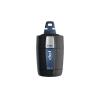
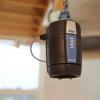
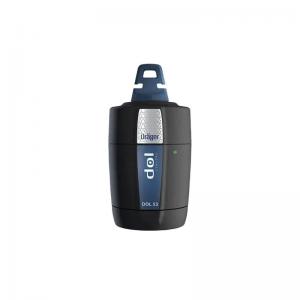
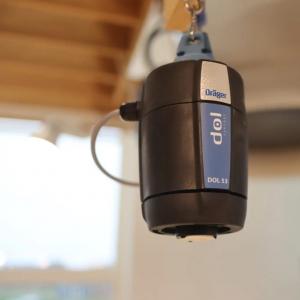
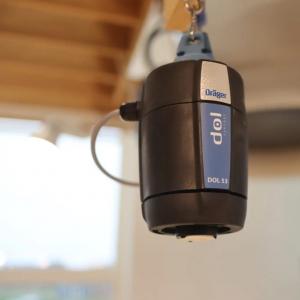
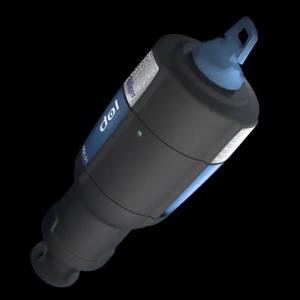
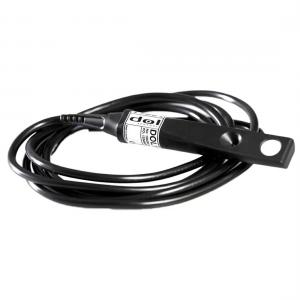
| Product Name | 4-20mA Ammonia Transmitter for Livestock Houses | ||||||||||||||||||||
| Product Image | 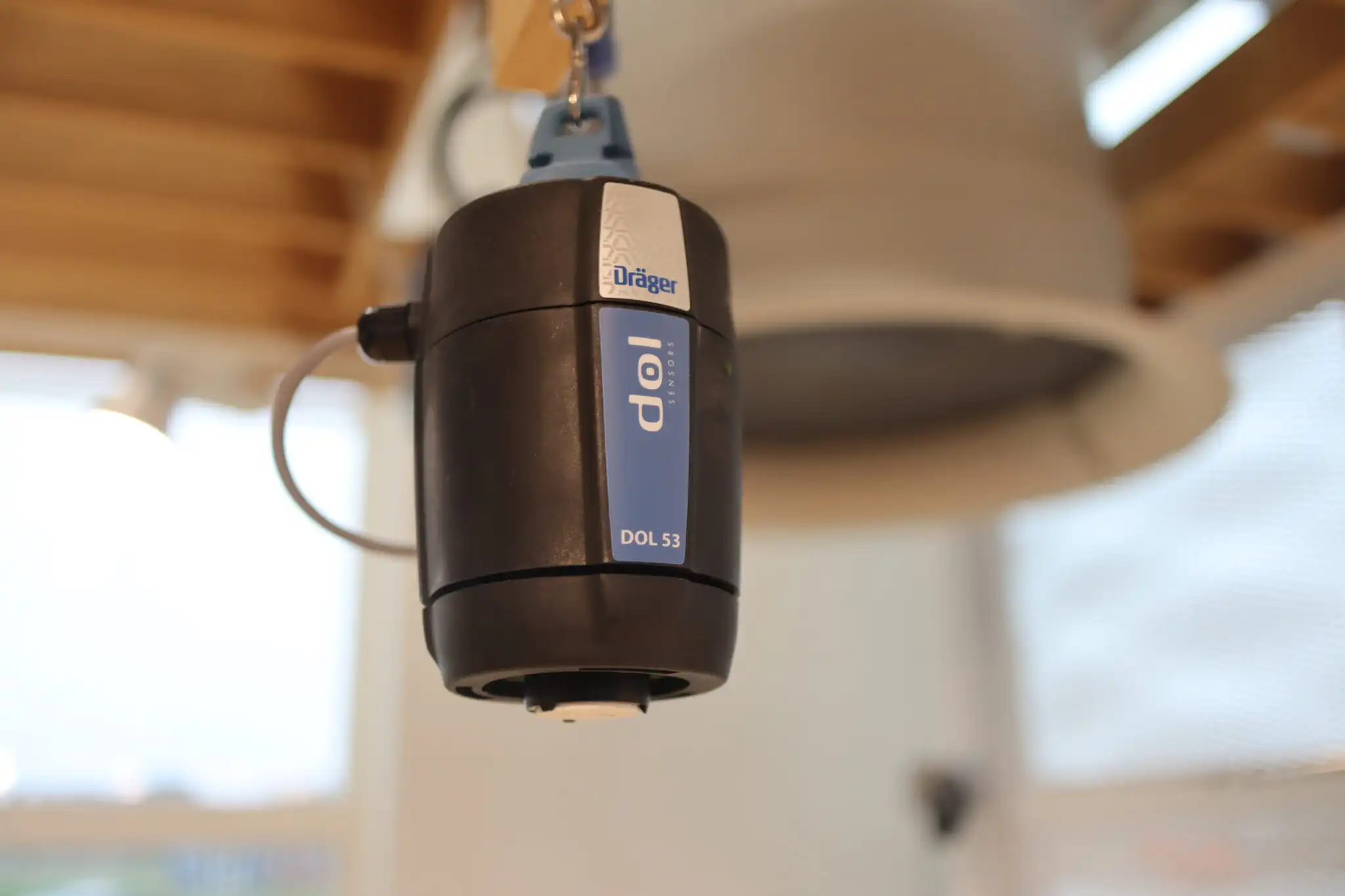 |
||||||||||||||||||||
| Product Overview | The 4-20mA Ammonia Transmitter for Livestock Houses is designed for continuous monitoring of airborne ammonia (NH3) in commercial pig houses, poultry houses and other intensive livestock buildings. It converts the detected ammonia concentration into an industrial 4-20mA signal for connection to climate controllers, PLC systems, environmental monitoring panels or farm management systems. Continuous NH3 monitoring helps farm operators understand changes in indoor air quality and provides useful data for ventilation management. Ammonia sensors designed specifically for livestock environments are particularly important because barns are exposed to dust, moisture, corrosive gases and demanding cleaning conditions. High selectivity, stable sensing and reliable integration with climate-control equipment are therefore important design considerations for commercial installations. |
||||||||||||||||||||
| Key Features |
|
||||||||||||||||||||
| Structural Components |
|
||||||||||||||||||||
| Working Principle / Structural Principle | The sensing element is continuously exposed to representative air from the livestock house. Changes in ammonia concentration generate an electrical response within the sensing system. The transmitter electronics process this response and convert it into a standardized 4-20mA analog signal. The receiving climate controller, PLC or monitoring unit can use this signal to display ammonia concentration, record environmental trends, generate alarms or support ventilation-management strategies. Actual control logic depends on the farm controller and project configuration. |
||||||||||||||||||||
| Technical Specifications |
|
||||||||||||||||||||
| Applications |
|
||||||||||||||||||||
| Customization Options | For livestock groups, engineering companies, distributors and farm construction projects, the ammonia transmitter can be configured according to the monitoring system and site conditions. Available options may include measurement range, cable length, mounting arrangement, connector type, controller interface, enclosure configuration and installation accessories. Project-specific solutions can be designed according to local climate, livestock species, barn dimensions, ventilation layout, steel structure building design and environmental-control requirements. OEM and project-based configurations are available upon request. |
||||||||||||||||||||
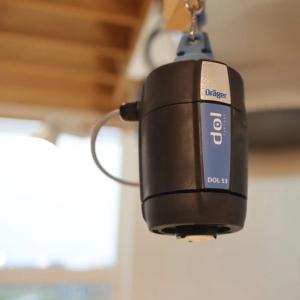
| Installation & Maintenance | Install the ammonia transmitter at a representative monitoring position where barn air can circulate freely around the sensing area. Avoid locations directly exposed to fresh-air inlets, exhaust outlets, heaters, water spray, pressure-washing jets or unusually concentrated manure-gas sources unless the monitoring plan specifically requires such placement. The mounting height and number of sensors should be determined according to animal type, livestock-house dimensions, ventilation pattern and the objectives of the environmental monitoring system. The 4-20mA wiring should be connected according to the controller and transmitter electrical requirements. Periodic visual inspection is recommended to identify excessive dust accumulation, physical damage, loose connections or blocked gas diffusion openings. Sensor-element replacement, functional checking and other service procedures should follow the selected sensor configuration and project maintenance plan. |
||||||||||||||||||||
| Project Cases | Typical projects include environmental-control upgrades for commercial pig farms, ammonia monitoring in intensive poultry houses, centralized livestock-house air-quality monitoring and integration with automated ventilation controllers. For new farm construction, ammonia transmitters can be incorporated into the electrical and environmental-control design together with temperature, humidity, CO2, static-pressure and ventilation sensors. Project quantities, installation positions and communication architecture are designed according to the livestock building layout and control strategy. |
||||||||||||||||||||
| Product FAQ | Q: What does this ammonia transmitter measure? A: It continuously monitors ammonia concentration in livestock-house air and provides an electrical signal for compatible monitoring or climate-control equipment. Q: Why is a 4-20mA output useful? A: A 4-20mA signal is widely used in industrial automation and can be connected to compatible PLCs, farm controllers and environmental monitoring systems over practical field-wiring distances. Q: Can it be used in pig houses? A: Yes. The transmitter is suitable for ammonia monitoring in commercial pig houses as well as poultry and other livestock buildings when configured for the project environment. Q: Can the transmitter work with an existing climate controller? A: Integration is possible when the controller has a compatible 4-20mA analog input and suitable scaling or configuration. Controller details should be confirmed before ordering. Q: Where should the sensor be installed? A: The position should represent the air conditions experienced within the livestock area while avoiding abnormal airflow or contamination sources. Final positioning depends on barn design and ventilation strategy. Q: Can specifications be customized? A: Yes. Measurement configuration, electrical connection, cable arrangement, mounting accessories and system integration can be customized according to project requirements. |
||||||||||||||||||||
| Product Gallery | 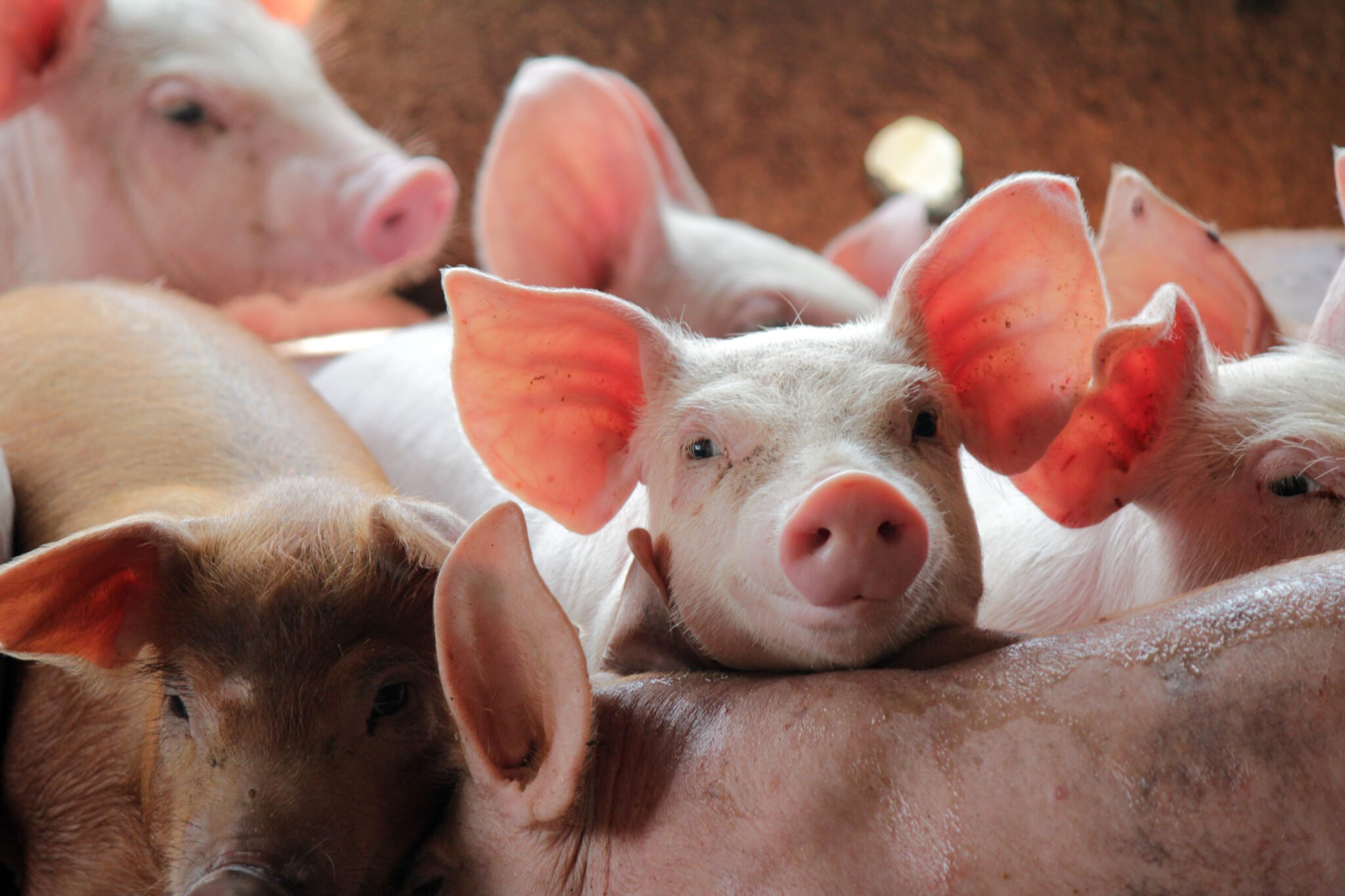  |
- Home
-
Products
- Pig Farming Equipment
- Cattle Farming Equipment
- Sheep & Goat Farming Equipment
- Poultry Farming Equipment
- Feeding & Drinking Systems
- Veterinary & Breeding Equipment
- Testing & Diagnostic Equipment
- Cleaning & Biosecurity Equipment
- Climate Control Equipment
- Livestock Weighing Equipment
- Manure & Waste Management
- Farm Transport & Handling
-
Solutions
- Pig Farm Solutions
- Dairy Farm Solutions
- Beef Cattle Farm Solutions
- Sheep & Goat Farm Solutions
- Layer Farm Solutions
- Broiler Farm Solutions
- Feeding & Drinking System Solutions
- Climate Control Solutions
- Biosecurity & Disinfection Solutions
- Manure & Waste Management
- Smart Farming Solutions
- Farm Renovation and Upgrade Solutions
- Partners
- Projects
- Resources
- News
- About Us
- Contact

Comments & Inquiries
Leave your questions or requirements below. We will reply as soon as possible.