

| Product Showcase | Content | ||||||||||||||||||||||||||
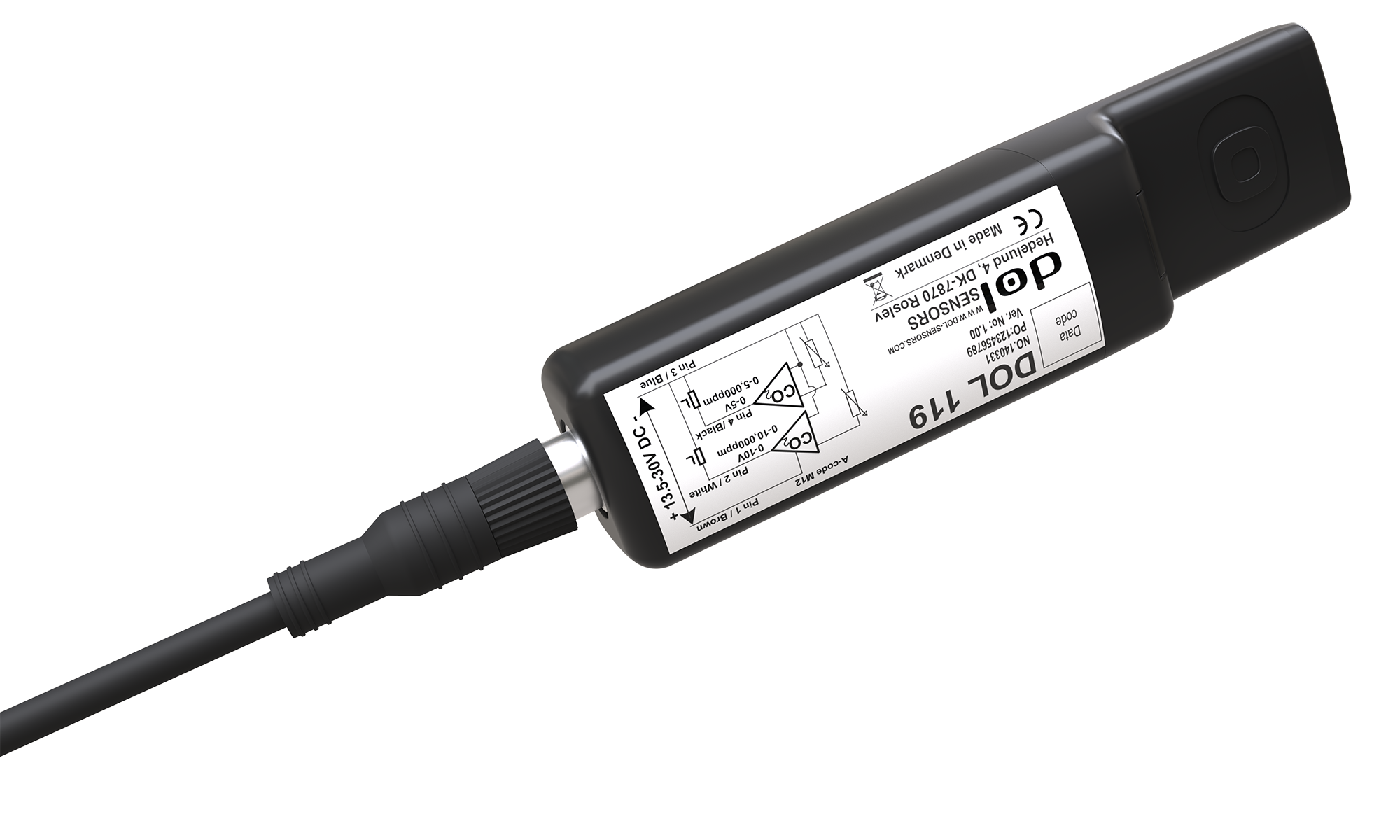
| Product Name | Livestock House High-Protection CO2 Sensor | ||||||||||||||||||||||||||
| Product Image | 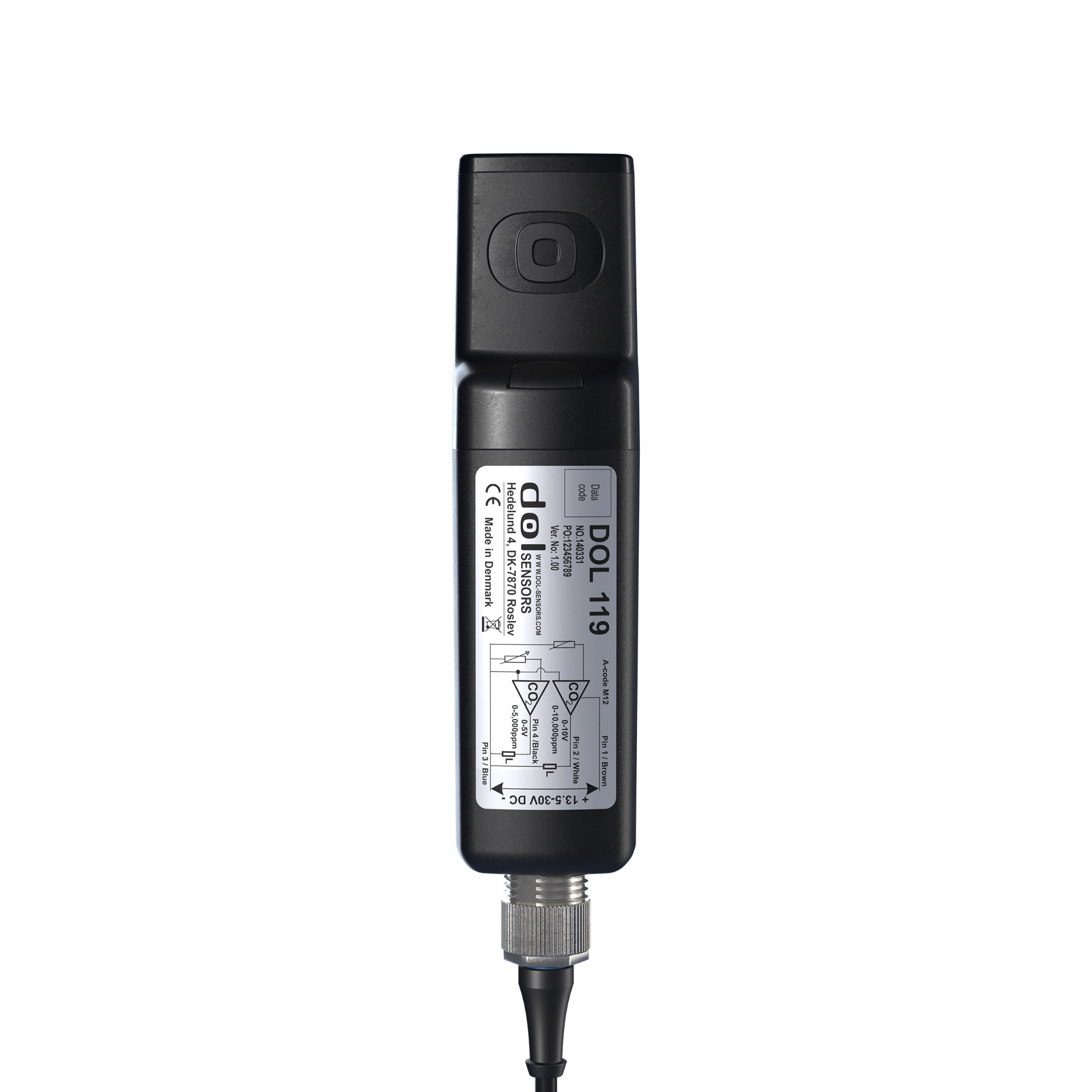 |
||||||||||||||||||||||||||
| Product Overview | The Livestock House High-Protection CO2 Sensor is a rugged environmental sensor developed for continuous carbon dioxide monitoring in commercial livestock buildings. It is suitable for poultry houses, pig houses, breeding barns, controlled-environment livestock facilities, and agricultural climate-control projects. The sensor is designed for harsh farm environments where dust, humidity, regular washing, disinfecting, and intensive ventilation operation place high demands on environmental monitoring equipment. Its IP67 protection, sturdy housing, protected sensing element, and dedicated cleaning protection cap help provide reliable service under demanding livestock-house conditions. By continuously monitoring indoor CO2 concentration, the sensor provides valuable data for livestock ventilation control, air-quality management, combustion fault supervision, environmental alarms, and centralized farm management systems. |
||||||||||||||||||||||||||
| Key Features |
|
||||||||||||||||||||||||||
| Structural Components | The sensor assembly typically consists of a CO2 measuring element, carefully selected protective filter, rugged sensor housing, electrical connection interface, signal-processing electronics, cable connection, sealing components, and a protective cap used during washing and disinfection. The sensing tip is designed to maintain free airflow around the measuring area during normal operation. The protective housing shields the internal electronics from the demanding conditions commonly found in livestock production buildings. Connection and output configurations can be selected according to the farm controller, ventilation system, steel structure building layout, and overall livestock project requirements. |
||||||||||||||||||||||||||
| Working Principle / Structural Principle | The sensor continuously measures the carbon dioxide concentration of the surrounding livestock-house air. Air is allowed to circulate around the sensing area, where the internal CO2 measurement element detects changes in concentration. The measurement is converted into an electrical output signal that can be transmitted to a compatible livestock climate controller or farm management system. The controller can then use the CO2 measurement together with temperature, humidity, ammonia, and other environmental data to support ventilation management. For representative measurement, the sensor is normally installed freely in the livestock house rather than directly against a wall. Correct positioning helps monitor the air conditions in the actual animal living zone. |
||||||||||||||||||||||||||
| Technical Specifications |
|
||||||||||||||||||||||||||
| Applications |
|
||||||||||||||||||||||||||
| Customization Options | SHEWUYOU can configure CO2 monitoring solutions according to livestock species, building dimensions, ventilation design, environmental controller, communication requirements, local climate, and project operating conditions. Available project options may include output signal selection, controller compatibility, cable arrangement, mounting accessories, protection components, monitoring-point quantity, alarm strategy, and integration with centralized livestock management systems. Specifications and system configuration can be customized according to project requirements. |
||||||||||||||||||||||||||
| Installation & Maintenance | For representative livestock-house measurement, the sensor should normally be installed near the middle of the building and freely suspended from its cable. The sensing tip should have unrestricted airflow around it. For the referenced installation, the sensor should be positioned at least 50 cm above the floor while remaining out of reach of animals. It should not be exposed to direct sunlight, which may affect measurement performance. During cleaning and disinfection, the dedicated protective cap should be correctly fitted before high-pressure washing. Routine inspection should include the housing, sensing area, filter, cable, connector, protective cap, and mounting condition. After installation or power-up, sufficient sensor stabilization time should be allowed before relying on measurements for climate control. |
||||||||||||||||||||||||||
| Project Cases | The Livestock House High-Protection CO2 Sensor can be incorporated into both new-build and renovation projects. Typical applications include commercial poultry ventilation projects, pig-house climate-control upgrades, livestock environmental monitoring networks, and replacement of older CO2 sensors in existing farm installations. In large-scale farms, multiple sensors can be installed across separate livestock houses or ventilation zones and connected to centralized climate controllers. The final sensor quantity, mounting position, output type, and controller integration should be designed according to actual building dimensions and ventilation requirements. |
||||||||||||||||||||||||||
| Product FAQ | Q1: Why is CO2 monitoring important in livestock houses? Carbon dioxide concentration is an important indicator of indoor air quality and ventilation performance. Continuous monitoring helps operators identify insufficient air exchange and supports effective livestock climate management. Q2: Is this sensor suitable for high-humidity livestock environments? Yes. The referenced sensor is IP67-rated and designed for demanding livestock-house conditions. Operating requirements should still follow the selected sensor specification. Q3: Can the sensor remain installed during high-pressure cleaning? The referenced design includes a dedicated protection cap. When the cap is correctly fitted, the sensor is designed to withstand livestock-house washing and disinfection procedures. Q4: Where should the CO2 sensor be installed? A representative central location is recommended. The sensor should be freely suspended, positioned outside the animals' reach, and kept away from direct sunlight or locations that could produce unrepresentative readings. Q5: Can it connect to different livestock climate controllers? Yes. Different output configurations and integration solutions can be supplied according to project requirements and controller compatibility. Q6: Can it be used in pig houses as well as poultry houses? Yes. The sensor is intended for livestock-house environmental monitoring and can be incorporated into pig, poultry, and other controlled livestock building projects according to the farm design. Q7: Can it replace an existing livestock CO2 sensor? Retrofit and replacement solutions are available. Cable, adapter, output signal, controller compatibility, and installation conditions should be checked before replacement. |
||||||||||||||||||||||||||
| Product Gallery | 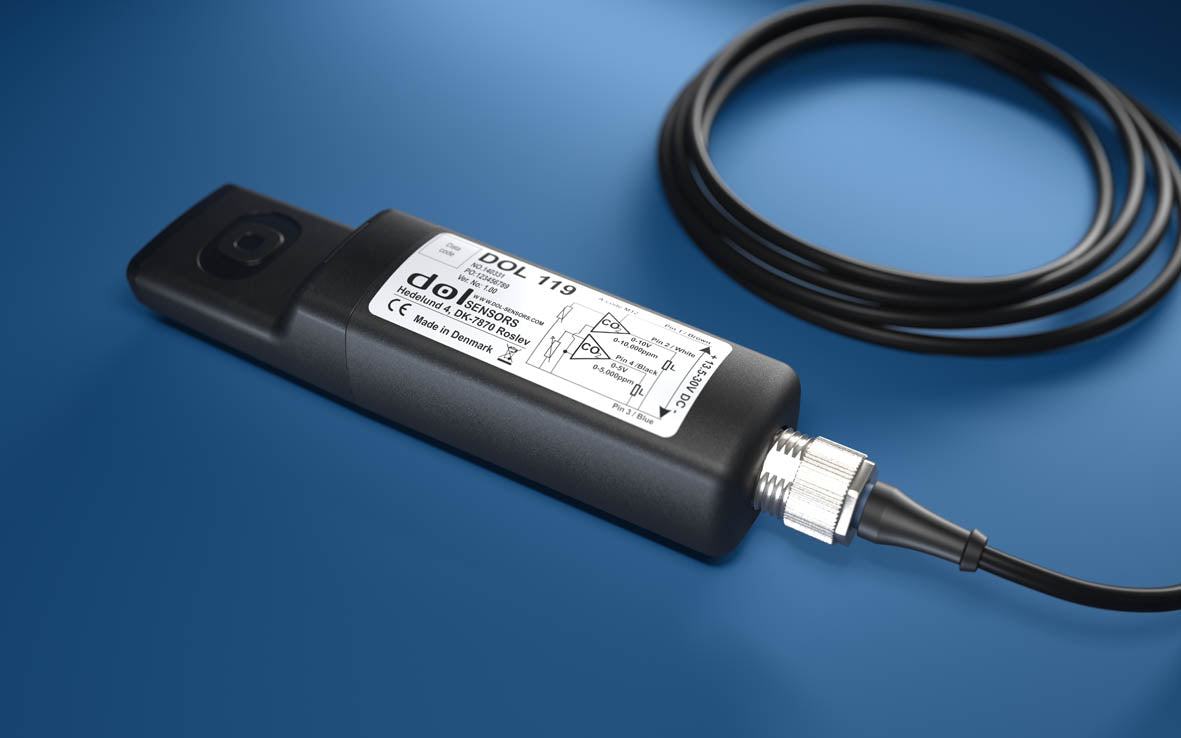 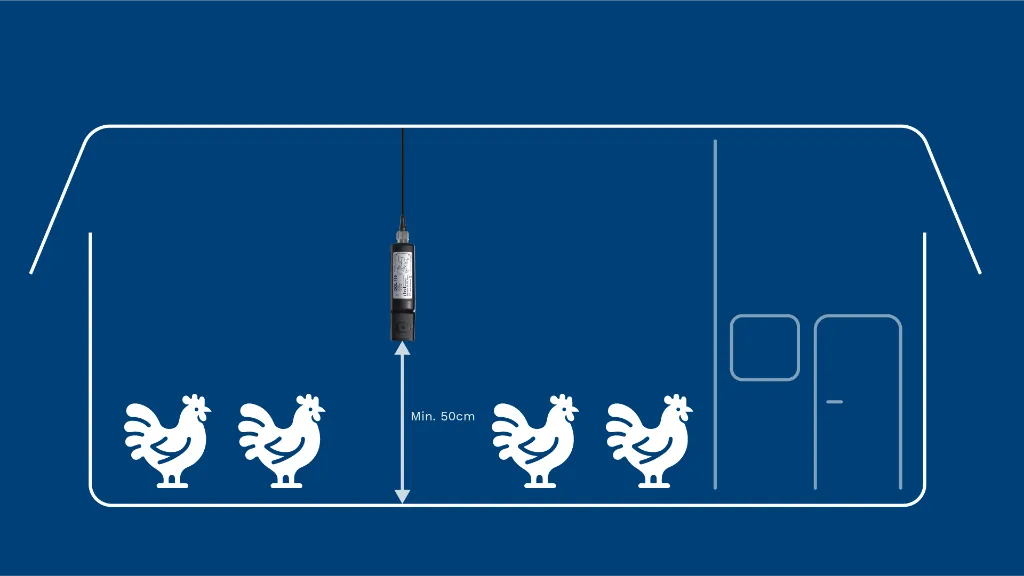 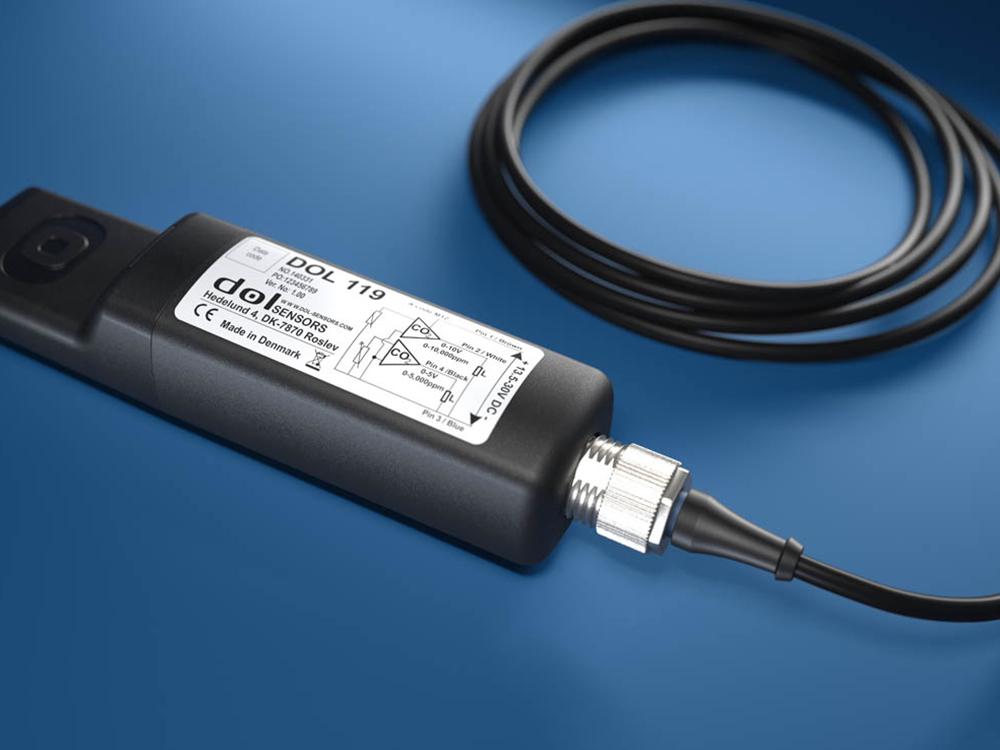 |
- Home
-
Products
- Pig Farming Equipment
- Cattle Farming Equipment
- Sheep & Goat Farming Equipment
- Poultry Farming Equipment
- Feeding & Drinking Systems
- Veterinary & Breeding Equipment
- Testing & Diagnostic Equipment
- Cleaning & Biosecurity Equipment
- Climate Control Equipment
- Livestock Weighing Equipment
- Manure & Waste Management
- Farm Transport & Handling
-
Solutions
- Pig Farm Solutions
- Dairy Farm Solutions
- Beef Cattle Farm Solutions
- Sheep & Goat Farm Solutions
- Layer Farm Solutions
- Broiler Farm Solutions
- Feeding & Drinking System Solutions
- Climate Control Solutions
- Biosecurity & Disinfection Solutions
- Manure & Waste Management
- Smart Farming Solutions
- Farm Renovation and Upgrade Solutions
- Partners
- Projects
- Resources
- News
- About Us
- Contact


Comments & Inquiries
Leave your questions or requirements below. We will reply as soon as possible.