


| Product Showcase | Content | ||||||||||||||||||||||||
| Product Name | Livestock Temperature Humidity and CO2 Sensor | ||||||||||||||||||||||||
| Product Image | 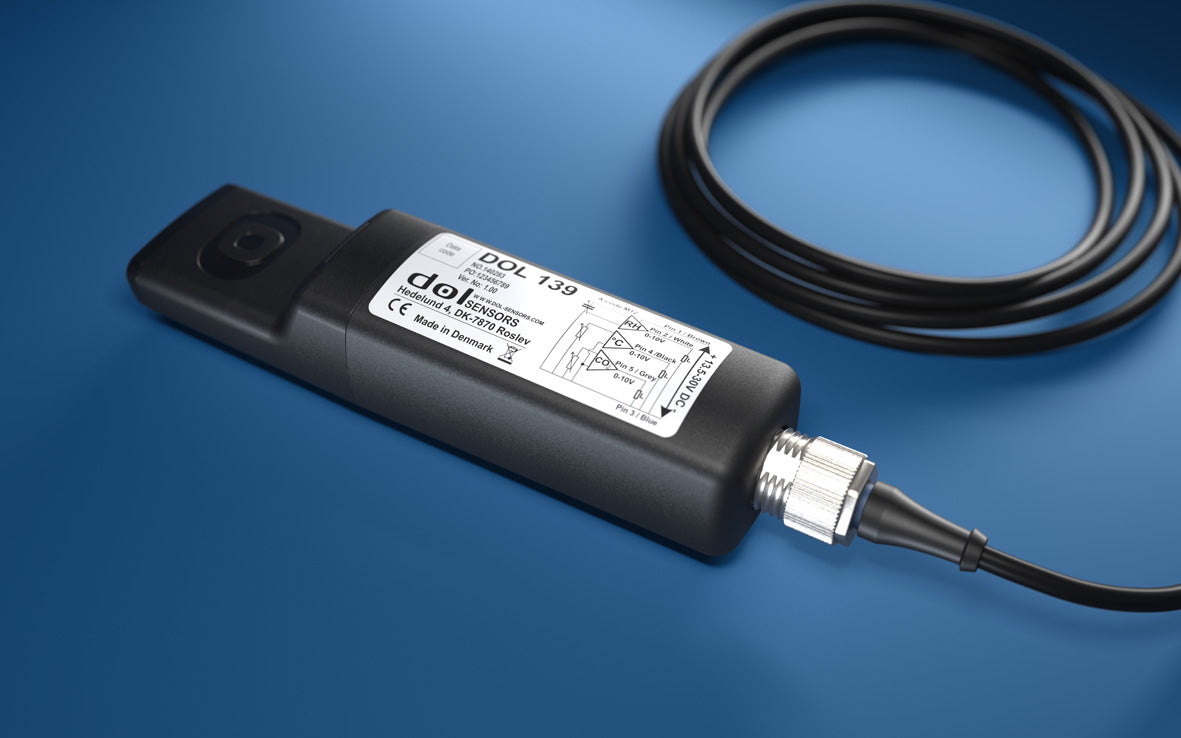 |
||||||||||||||||||||||||
| Product Overview |
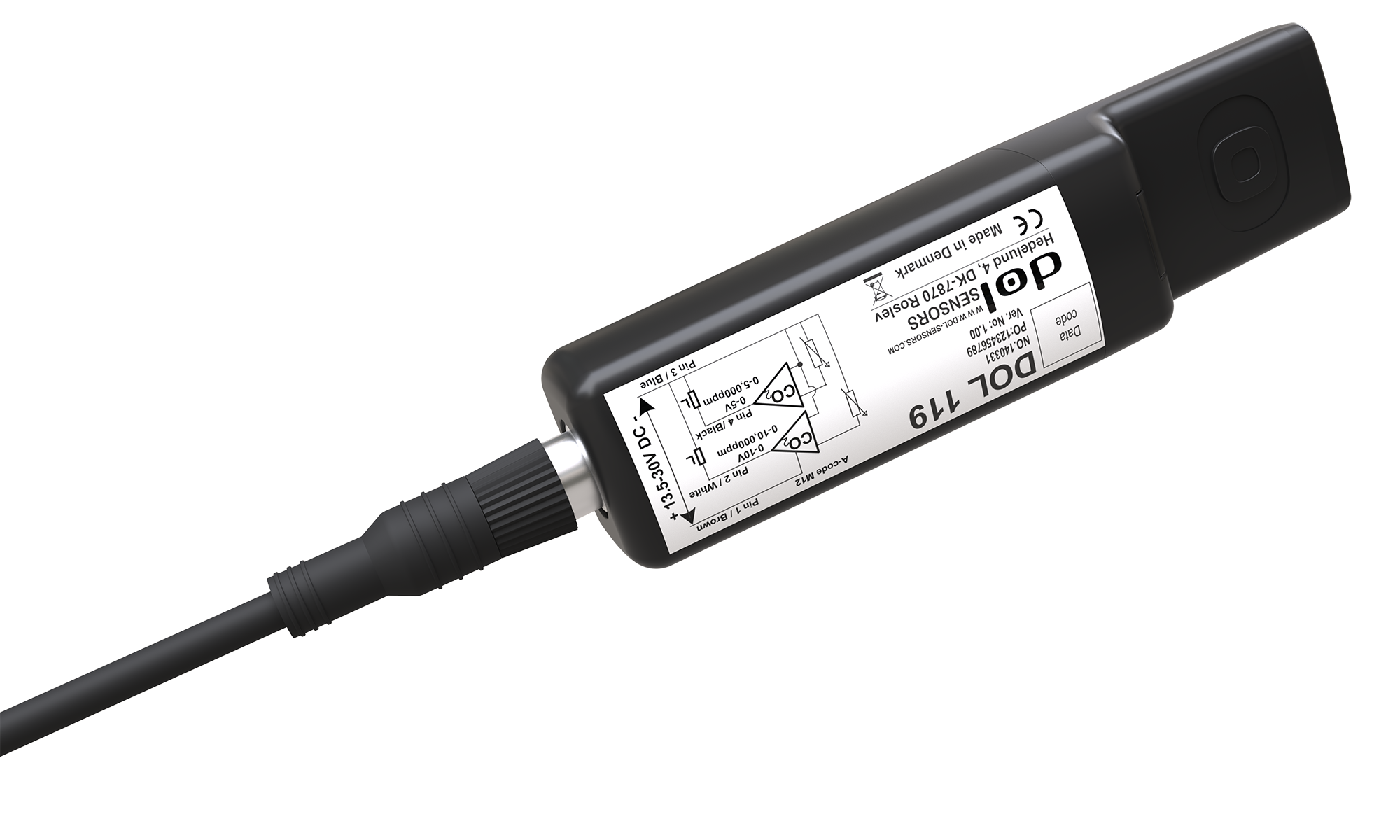
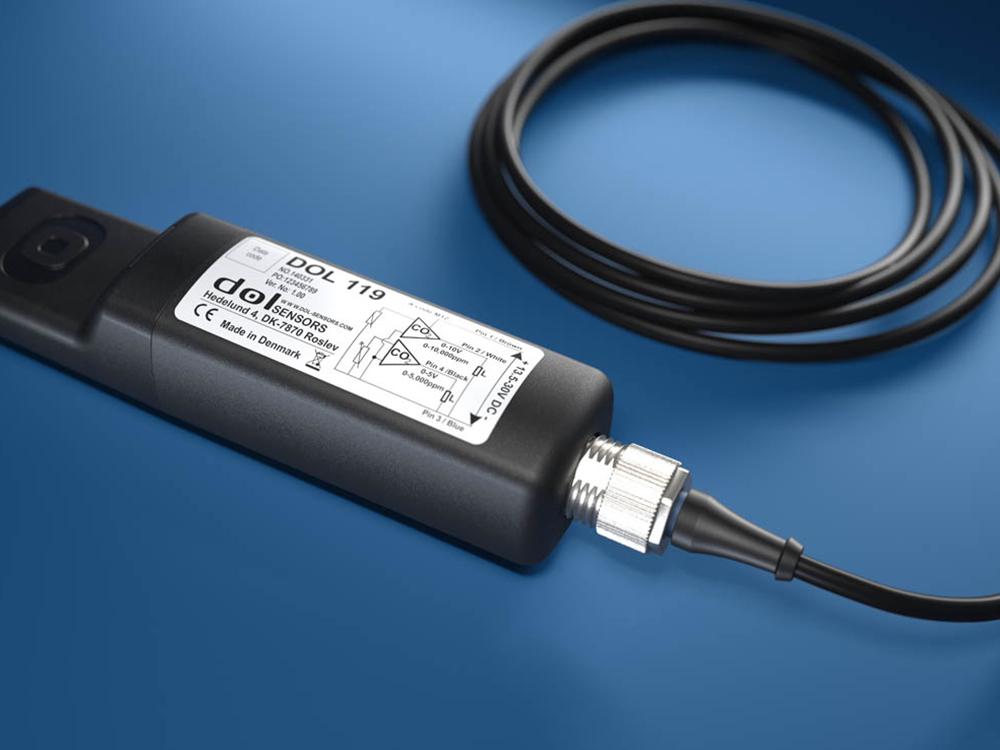
The Livestock Temperature Humidity and CO2 Sensor is a 3-in-1 environmental sensor designed to monitor three critical climate parameters with one device: air temperature, relative humidity and carbon dioxide concentration. It is suitable for commercial pig houses, poultry houses and other intensive livestock production buildings. Combining three measurements in one sensor simplifies installation, reduces the number of devices and cables required inside the livestock house, and supports centralized climate control. Continuous environmental data can be transmitted to a compatible farm controller for ventilation, heating, cooling and air-quality management. The sensor is designed for harsh livestock environments where dust, moisture, ammonia, temperature fluctuations and regular washing procedures place high demands on electronic equipment. :chatgpt-content-reference{index="0"} |
||||||||||||||||||||||||
| Key Features |
The reference DOL 139 is specifically described as a livestock-house 3-in-1 sensor and is designed to remain installed during cleaning when the appropriate protective cap is used. :chatgpt-content-reference{index="1"} |
||||||||||||||||||||||||
| Structural Components |
|
||||||||||||||||||||||||
| Working Principle / Structural Principle |
The sensor continuously monitors the surrounding livestock-house air. Separate internal sensing elements detect temperature, relative humidity and carbon dioxide concentration, while the internal electronics process the measurements and provide corresponding signals to a compatible climate controller. The farm controller can use temperature data for heating and cooling control, humidity data for moisture-management strategies, and CO2 data as an indicator of air quality and ventilation performance. By combining all three measurements at the same monitoring location, the system provides a coordinated view of livestock-house climate conditions and reduces differences that can occur when multiple independent sensors are installed in different positions. |
||||||||||||||||||||||||
| Technical Specifications |
Final measurement ranges, accuracy, supply voltage, output configuration and cable specification should be confirmed according to the selected sensor version and livestock project requirements. The manufacturer identifies the DOL 139 as an IP67 livestock sensor capable of measuring all three environmental parameters in one unit. :chatgpt-content-reference{index="2"} |
||||||||||||||||||||||||
| Applications |
|
||||||||||||||||||||||||
| Customization Options |
|
||||||||||||||||||||||||
| Installation & Maintenance |
Installation Position: Install the sensor in a representative area of the livestock house where temperature, humidity and CO2 conditions reflect the environment experienced by the animals. Manufacturer guidance specifies installation toward the middle of the house. :chatgpt-content-reference{index="3"} Avoid Local Interference: Avoid installation immediately beside heaters, cooling pads, water lines, fresh-air inlets, exhaust fans, doors or other locations where localized conditions could distort measurements. Electrical Connection: Connect the sensor to the compatible farm climate controller according to the selected signal-output and wiring configuration. Cleaning: Fit the specified protection cap before washing or disinfecting the livestock house. The reference sensor is designed so that it does not normally need to be removed during high-pressure cleaning when protected correctly. :chatgpt-content-reference{index="4"} Routine Maintenance: Periodically inspect the housing, filter, electrical cable and connector. Keep the sensing area clean and follow the selected sensor maintenance instructions for long-term measurement stability. |
||||||||||||||||||||||||
| Project Cases |
Commercial Pig House Climate Control: A 3-in-1 sensor can be installed at a representative monitoring point and connected to the house climate controller. Temperature, humidity and CO2 data can then be used together to support heating, cooling and minimum-ventilation management. Broiler House Environmental Monitoring: In poultry production, combined climate data helps operators monitor temperature stability, moisture conditions and CO2 accumulation, particularly during cold-weather minimum ventilation. Multi-House Livestock Project: Sensors can be installed across several barns and integrated into a centralized farm management platform, enabling environmental trend analysis and consistent climate supervision across a large production site. |
||||||||||||||||||||||||
| Product FAQ |
Q: What does the sensor measure? Q: What is the advantage of a 3-in-1 sensor? Q: Can it be used in pig houses? Q: Can it remain installed during livestock-house washing? Q: Can it replace separate climate sensors? Q: Can the sensor be connected to an automatic ventilation controller? Q: Can SHEWUYOU configure a complete livestock climate monitoring system? |
||||||||||||||||||||||||
| Product Gallery | |
- Home
-
Products
- Pig Farming Equipment
- Cattle Farming Equipment
- Sheep & Goat Farming Equipment
- Poultry Farming Equipment
- Feeding & Drinking Systems
- Veterinary & Breeding Equipment
- Testing & Diagnostic Equipment
- Cleaning & Biosecurity Equipment
- Climate Control Equipment
- Livestock Weighing Equipment
- Manure & Waste Management
- Farm Transport & Handling
-
Solutions
- Pig Farm Solutions
- Dairy Farm Solutions
- Beef Cattle Farm Solutions
- Sheep & Goat Farm Solutions
- Layer Farm Solutions
- Broiler Farm Solutions
- Feeding & Drinking System Solutions
- Climate Control Solutions
- Biosecurity & Disinfection Solutions
- Manure & Waste Management
- Smart Farming Solutions
- Farm Renovation and Upgrade Solutions
- Partners
- Projects
- Resources
- News
- About Us
- Contact


Comments & Inquiries
Leave your questions or requirements below. We will reply as soon as possible.