

| Product Showcase | Content | ||||||||||||||||||||
| Product Name | Poultry House Static Pressure Sensor | ||||||||||||||||||||
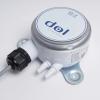
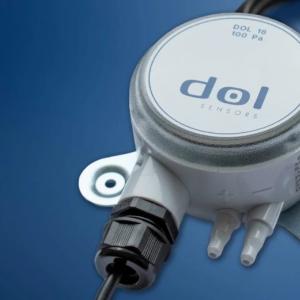
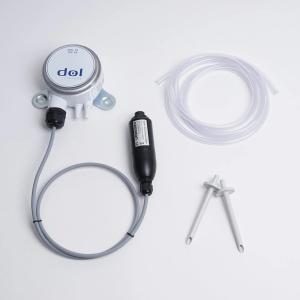
| Product Image | 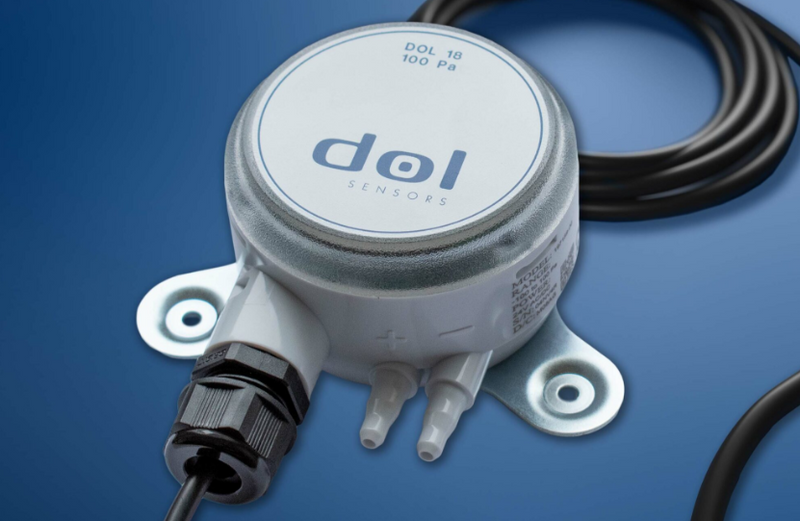 |
||||||||||||||||||||
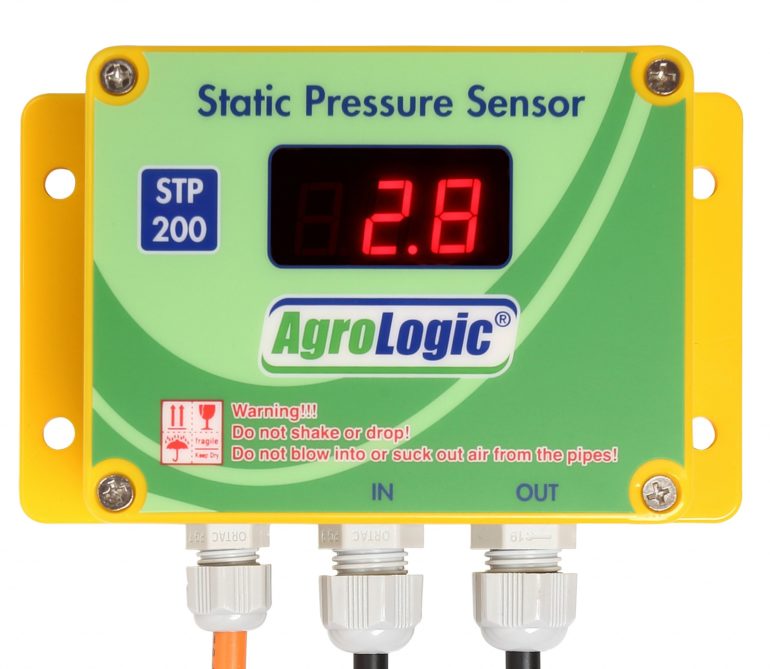
| Product Overview | The Poultry House Static Pressure Sensor is designed for continuous monitoring of pressure differences between the inside and outside of mechanically ventilated poultry buildings. It provides pressure feedback to compatible livestock climate controllers, allowing the ventilation system to maintain the required negative pressure and coordinate exhaust fans, air inlets and other ventilation equipment. Stable static pressure is particularly important in commercial broiler houses, layer houses, breeder houses and other enclosed livestock buildings because it influences inlet air velocity, air distribution and overall ventilation performance. The sensor can also support high- and low-pressure alarm functions when connected to a suitable farm climate control system. |
||||||||||||||||||||
| Key Features |
|
||||||||||||||||||||
| Structural Components |
|
||||||||||||||||||||
| Working Principle / Structural Principle | The sensor measures the pressure difference between two reference points. In a typical negative-pressure poultry house, one pressure connection references the building interior while the other references outdoor or neutral atmospheric pressure. When exhaust fans remove air from the building, indoor pressure becomes lower than the outdoor pressure. The sensor detects this differential pressure and transmits a proportional signal to the livestock climate controller. The controller can then adjust motorized air inlets, fan stages or variable-speed ventilation equipment to maintain the required pressure setpoint. Correct static pressure helps incoming air enter through designated inlets at an appropriate velocity, promoting air mixing before the fresh air reaches the birds. |
||||||||||||||||||||
| Technical Specifications |
|
||||||||||||||||||||
| Applications |
|
||||||||||||||||||||
| Customization Options | Sensor configurations can be matched to different poultry house ventilation designs and control systems.
|
||||||||||||||||||||
| Installation & Maintenance | Install the pressure sensor on a stable vertical surface in a protected and serviceable location. Pressure and electrical connections should preferably face downward where applicable to reduce the possibility of moisture entering the housing or tubing. One pressure reference should represent the poultry house interior and the other should represent outdoor or neutral pressure. Tube openings should be positioned where they are not directly affected by fan discharge, inlet jets, strong drafts or local high-velocity airflow. During routine maintenance, inspect pressure tubes for blockage, moisture, damage or loose connections. Keep sensing points clear of dust and debris, and verify pressure readings during ventilation system commissioning and scheduled farm maintenance. |
||||||||||||||||||||
| Project Cases | Typical project configurations include static pressure monitoring for large commercial broiler houses, breeder houses, layer farms and enclosed steel structure poultry buildings using automatic negative-pressure ventilation. The sensor can be incorporated into complete poultry climate-control projects together with exhaust fans, tunnel fans, wall or ceiling air inlets, ventilation controllers, temperature and humidity sensors, cooling systems and alarm equipment. Project-specific configurations and technical proposals are available upon request. |
||||||||||||||||||||
| Product FAQ | Q: What does a poultry house static pressure sensor measure? A: It measures the pressure difference between the poultry house and a reference pressure, normally outdoor atmospheric pressure, to monitor the negative pressure created by mechanical ventilation. Q: Why is static pressure important in a poultry house? A: Static pressure influences the velocity and direction of incoming air through the inlets. Maintaining the correct pressure helps the ventilation system distribute fresh air more uniformly and reduces uncontrolled air entry through building leaks. Q: Can the sensor control air inlets automatically? A: When connected to a compatible climate controller, its pressure signal can be used by the controller to regulate motorized air inlets, fans or other ventilation equipment. Q: Can it be used for pressure alarms? A: Yes. A compatible livestock climate controller can use the sensor signal to generate alarms when pressure exceeds configured high or low limits. Q: Where should the sensor tubing be installed? A: The indoor and outdoor pressure reference points should be positioned away from direct fan airflow, inlet jets and other locations where local air velocity could distort the reading. Q: Can the measuring range and output signal be customized? A: Yes. Measuring range, signal type and system integration can be selected according to project requirements and the livestock climate controller used on the farm. |
||||||||||||||||||||
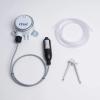
| Product Gallery | 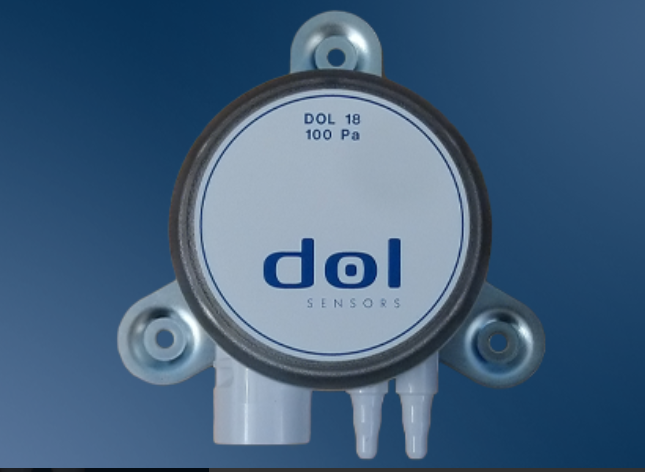 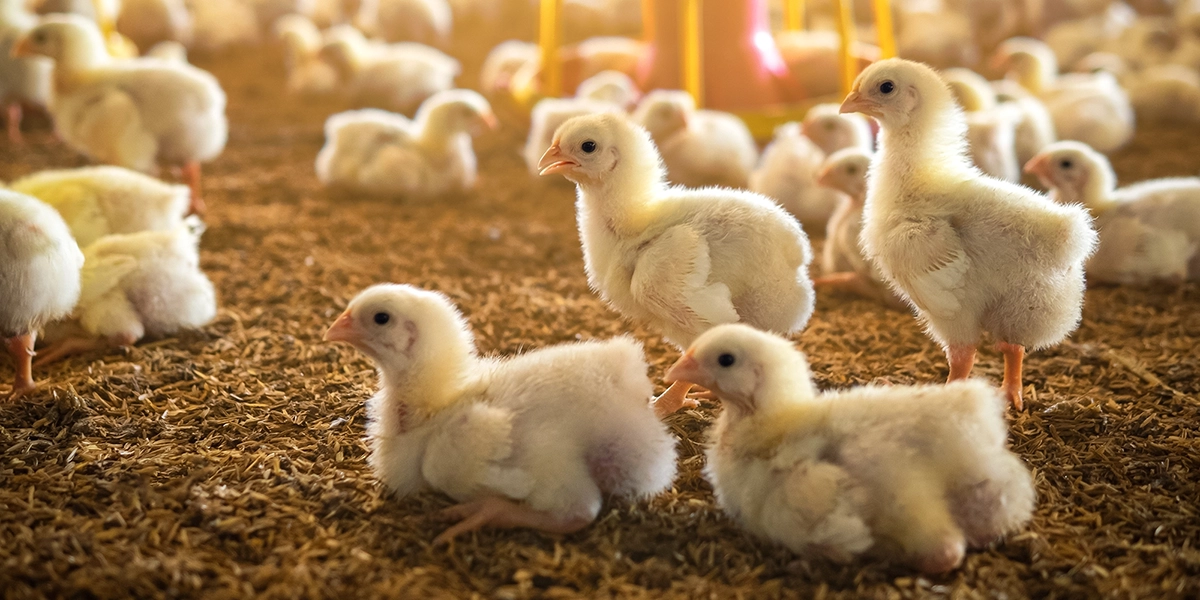 |
- Home
-
Products
- Pig Farming Equipment
- Cattle Farming Equipment
- Sheep & Goat Farming Equipment
- Poultry Farming Equipment
- Feeding & Drinking Systems
- Veterinary & Breeding Equipment
- Testing & Diagnostic Equipment
- Cleaning & Biosecurity Equipment
- Climate Control Equipment
- Livestock Weighing Equipment
- Manure & Waste Management
- Farm Transport & Handling
-
Solutions
- Pig Farm Solutions
- Dairy Farm Solutions
- Beef Cattle Farm Solutions
- Sheep & Goat Farm Solutions
- Layer Farm Solutions
- Broiler Farm Solutions
- Feeding & Drinking System Solutions
- Climate Control Solutions
- Biosecurity & Disinfection Solutions
- Manure & Waste Management
- Smart Farming Solutions
- Farm Renovation and Upgrade Solutions
- Partners
- Projects
- Resources
- News
- About Us
- Contact


Comments & Inquiries
Leave your questions or requirements below. We will reply as soon as possible.