


| Product Showcase | Content | ||||||||||||||||||||||
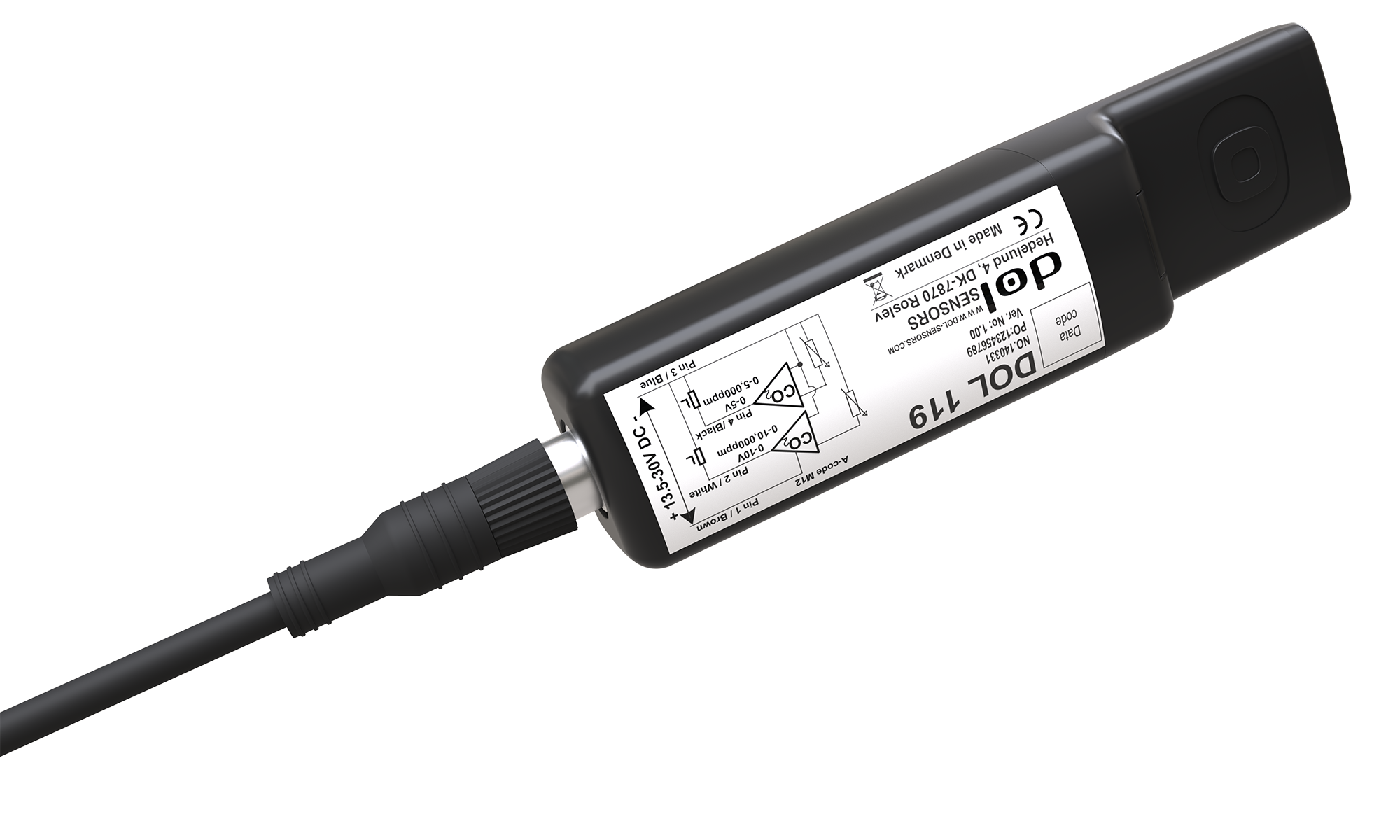
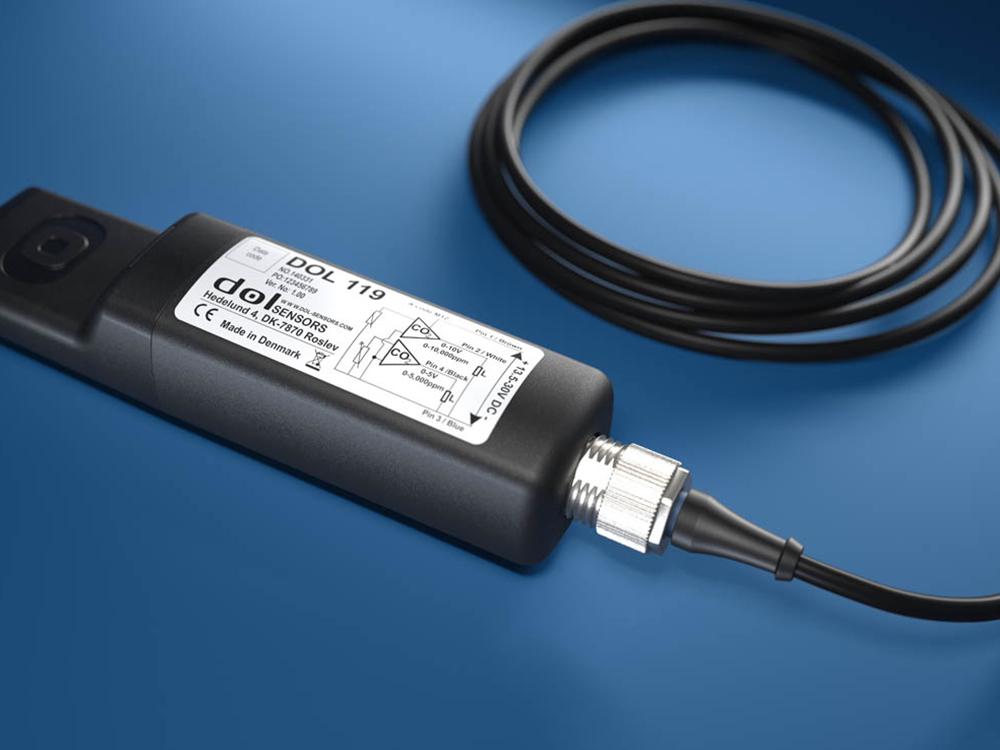
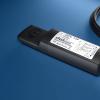
| Product Name | Wireless Pig House CO2 Sensor | ||||||||||||||||||||||
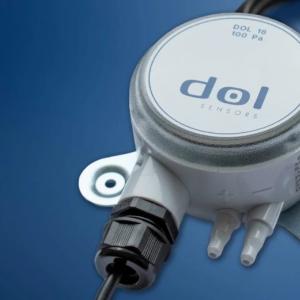
| Product Image |  |
||||||||||||||||||||||
| Product Overview | The Wireless Pig House CO2 Sensor is designed for continuous environmental monitoring in commercial pig houses and other intensive livestock buildings. The wireless version integrates carbon dioxide, temperature and relative humidity measurement in one sensor, helping reduce the number of separate monitoring devices required in the livestock house. Wireless LoRa communication reduces extensive signal cabling and provides greater flexibility when positioning monitoring points in new pig farm construction projects, steel structure livestock buildings and existing farm retrofits. Sensor data can be transmitted to a compatible LoRa gateway and then integrated into a farm monitoring or management platform. The sensor is designed for demanding livestock environments and supports continuous climate monitoring, ventilation optimization, environmental trend analysis and centralized management of multiple livestock houses. |
||||||||||||||||||||||
| Key Features |
|
||||||||||||||||||||||
| Structural Components |
|
||||||||||||||||||||||
| Working Principle / Structural Principle | The sensor continuously measures carbon dioxide, temperature and relative humidity at the selected position inside the pig house. Internal electronics process the environmental measurements and the integrated LoRa communication module transmits the data wirelessly to a compatible LoRa gateway. The gateway can forward the collected information to a farm monitoring system or management platform for display, historical recording, trend analysis and environmental supervision. Wireless transmission reduces the need for extensive signal wiring between each measuring point and the central monitoring system. CO2, temperature and humidity data can be evaluated together to provide a more complete picture of livestock-house climate conditions and to support ventilation-management decisions. |
||||||||||||||||||||||
| Technical Specifications |
|
||||||||||||||||||||||
| Applications |
|
||||||||||||||||||||||
| Customization Options | Wireless monitoring solutions can be configured according to pig house dimensions, building layout, monitoring-point density, farm network architecture and environmental management requirements. Available project options may include power supply arrangements, cable configuration, mounting accessories, protective caps, gateway quantities, monitoring-point layout and system integration. For large pig farm construction projects, sensor positions and gateway deployment can be designed according to livestock-house spacing, steel structure building layout, communication coverage and centralized management requirements. OEM and project-based solutions are available upon request. |
||||||||||||||||||||||
| Installation & Maintenance | Install the sensor at a representative location within the pig house where air can circulate freely around the sensing area. Avoid positions directly exposed to fresh-air jets, exhaust fans, heating outlets or other localized conditions that do not represent the general livestock environment. Wireless communication provides greater flexibility in positioning monitoring points, although LoRa coverage should be confirmed according to livestock-house construction, building spacing and gateway location. Metal structures, equipment and building materials should be considered during system planning. Provide the required operating power and complete sensor-to-gateway commissioning according to the selected system configuration. Where high-pressure washing is routinely used, suitable protection accessories should be installed before cleaning procedures. Routine maintenance includes checking the protective housing, filter area, power connection, mounting components and communication status. Cleaning and service intervals should be determined according to farm dust levels, hygiene procedures and operating conditions. |
||||||||||||||||||||||
| Project Cases | Typical projects include wireless climate monitoring in newly built commercial pig houses, retrofitting environmental monitoring systems where extensive signal cabling is difficult, and centralized monitoring of multiple livestock buildings on large pig farms. In a multi-house project, wireless CO2 sensors can be distributed across production buildings and connected through compatible LoRa gateways. This architecture allows farm managers to collect temperature, humidity and CO2 information from multiple monitoring points for centralized supervision and historical analysis. Project configuration is determined according to farm size, livestock-house construction, sensor quantity, gateway coverage and management-system requirements. |
||||||||||||||||||||||
| Product FAQ | Q: Is this CO2 sensor completely wireless? A: Environmental data is transmitted wirelessly through LoRa communication. The sensor still requires an appropriate power supply according to the selected configuration. Q: Does the sensor measure only CO2? A: The wireless multi-parameter configuration can monitor CO2, temperature and relative humidity in one device. Q: What is the advantage of LoRa communication in pig houses? A: LoRa communication reduces the need for extensive signal cabling and provides greater flexibility when locating environmental sensors across livestock buildings. Q: Can several sensors be used on one farm? A: Yes. Multiple wireless monitoring points can be configured for centralized farm environmental monitoring according to gateway capacity and project design. Q: Is the sensor suitable for high-pressure cleaning? A: Protection accessories can be used to protect the sensor during washing, disinfection and high-pressure cleaning procedures according to the selected configuration. Q: Can it be used in an existing pig house? A: Yes. Wireless monitoring is particularly suitable for retrofit projects where installing additional signal cables would be difficult or costly. Q: Can the monitoring system be customized? A: Yes. Sensor quantity, gateway arrangement, power configuration, mounting accessories and monitoring layout can be customized according to project requirements. |
||||||||||||||||||||||
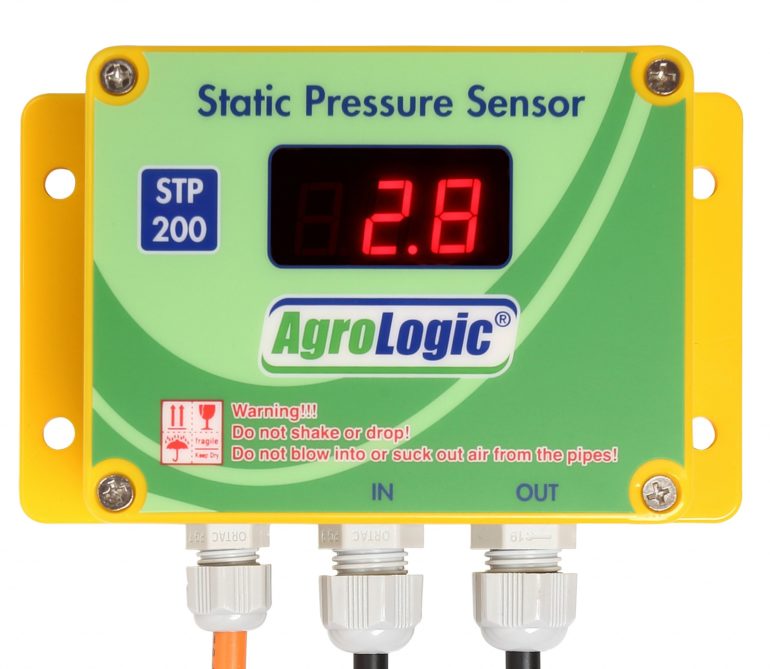
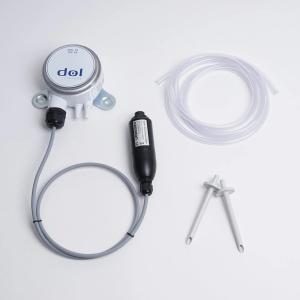
| Product Gallery |   |
- Home
-
Products
- Pig Farming Equipment
- Cattle Farming Equipment
- Sheep & Goat Farming Equipment
- Poultry Farming Equipment
- Feeding & Drinking Systems
- Veterinary & Breeding Equipment
- Testing & Diagnostic Equipment
- Cleaning & Biosecurity Equipment
- Climate Control Equipment
- Livestock Weighing Equipment
- Manure & Waste Management
- Farm Transport & Handling
-
Solutions
- Pig Farm Solutions
- Dairy Farm Solutions
- Beef Cattle Farm Solutions
- Sheep & Goat Farm Solutions
- Layer Farm Solutions
- Broiler Farm Solutions
- Feeding & Drinking System Solutions
- Climate Control Solutions
- Biosecurity & Disinfection Solutions
- Manure & Waste Management
- Smart Farming Solutions
- Farm Renovation and Upgrade Solutions
- Partners
- Projects
- Resources
- News
- About Us
- Contact


Comments & Inquiries
Leave your questions or requirements below. We will reply as soon as possible.