

| Product Showcase | Content | ||||||||||||||||||||||
| Product Name | Central Duct Differential Pressure Sensor for Livestock Farms | ||||||||||||||||||||||
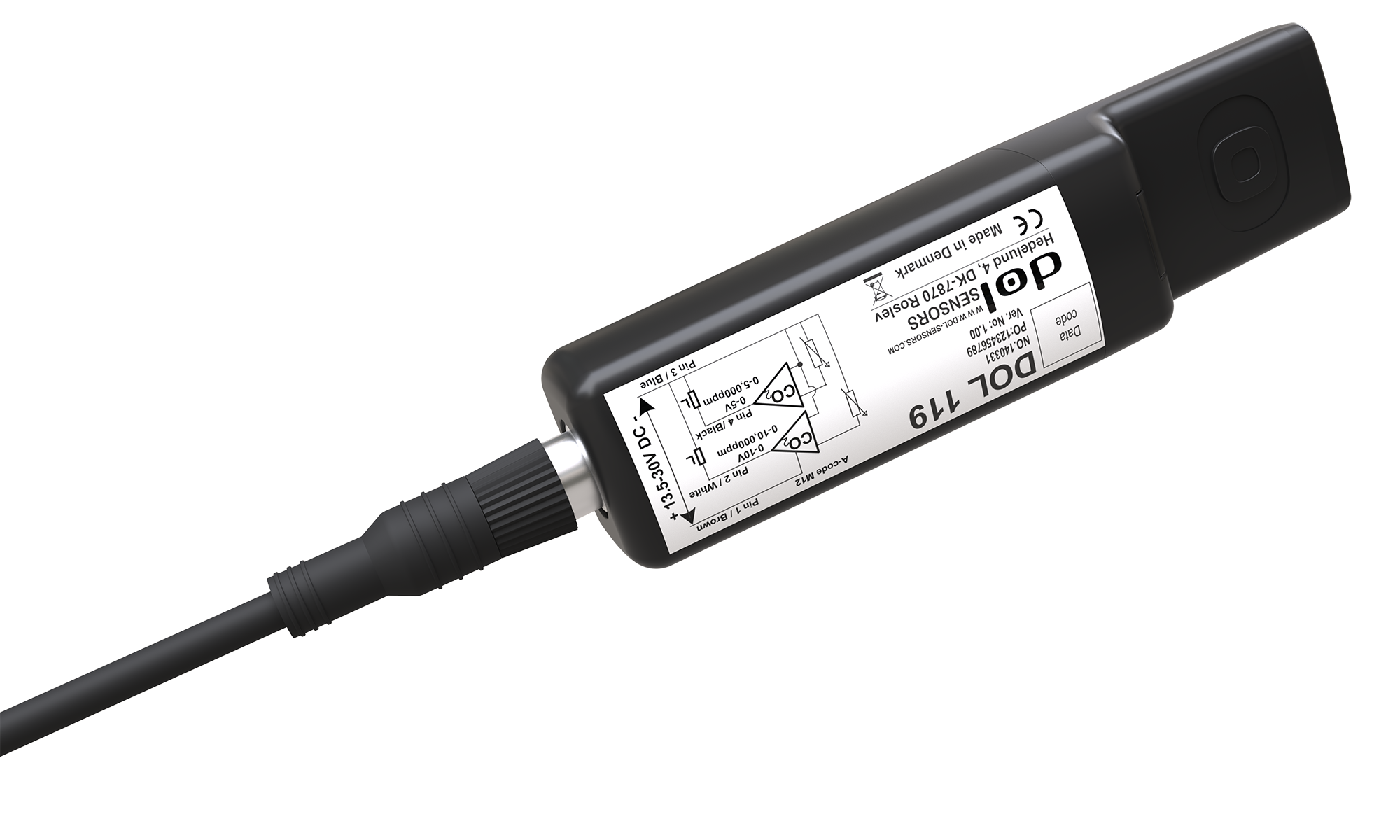
| Product Image | 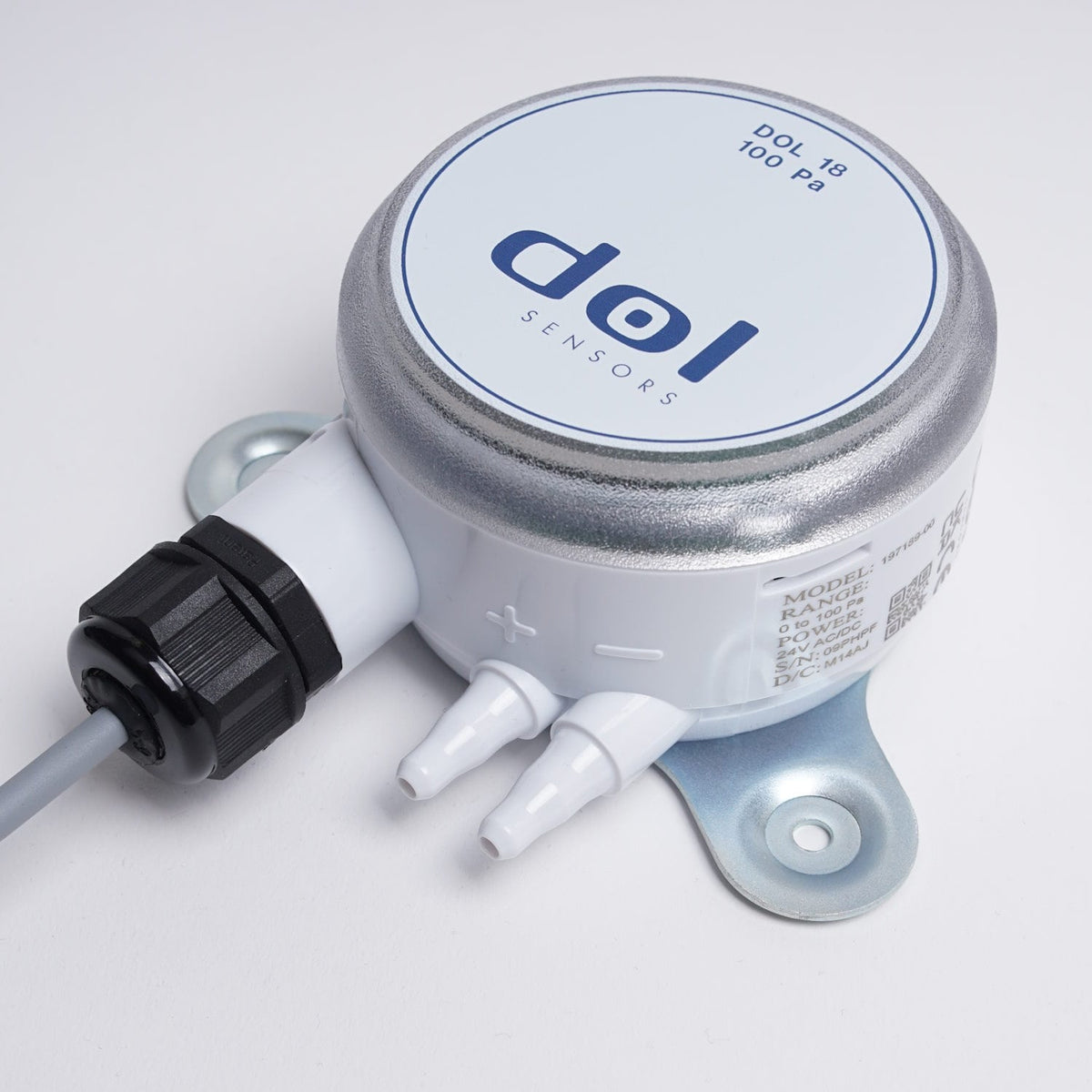 |
||||||||||||||||||||||
| Product Overview | The Central Duct Differential Pressure Sensor for Livestock Farms is designed for continuous pressure monitoring in centralized ventilation ducts, livestock buildings and exhaust-air treatment systems. It measures the pressure difference between two reference points and provides a control signal to compatible climate or production controllers. In commercial pig farms, poultry houses and other intensive livestock facilities, centralized duct systems require stable pressure conditions to distribute or extract air efficiently. Differential pressure feedback enables the ventilation controller to coordinate fans, dampers, air inlets and related airflow-control equipment according to actual system conditions. The sensor is particularly suitable for central exhaust ducts, negative-pressure ventilation installations, air filtration systems and air cleaning projects where pressure monitoring is an important part of environmental control and system protection. |
||||||||||||||||||||||
| Key Features |
|
||||||||||||||||||||||
| Structural Components |
|
||||||||||||||||||||||
| Working Principle / Structural Principle | The sensor operates by comparing air pressure at two different sampling points. In a central exhaust system, one sampling point may be located inside the main ventilation duct while the second point is connected to a reference pressure location. The sensing element detects the resulting pressure difference and converts it into an electrical signal. A compatible climate or ventilation controller receives this signal and can use it to regulate exhaust fans, variable-speed drives, dampers or other airflow-control equipment. When system pressure moves outside the required operating range, the controller can also initiate an alarm or corrective ventilation response. This closed-loop pressure feedback is useful in centralized livestock ventilation because airflow demand changes with animal age, season, temperature, fan operation and air-treatment resistance. |
||||||||||||||||||||||
| Technical Specifications |
|
||||||||||||||||||||||
| Applications |
|
||||||||||||||||||||||
| Customization Options | The sensor configuration can be adapted to different livestock ventilation projects. Pressure measurement range, electrical output, cable arrangement, pressure tubing, sampling accessories and controller interface can be selected according to project requirements. For complete livestock building projects, the differential pressure sensor can be integrated with central exhaust fans, variable-frequency drives, air inlets, dampers, climate controllers, filtration equipment and exhaust-air cleaning systems. Project selection can be designed according to local climate and farm conditions, livestock house dimensions, ventilation capacity, duct configuration and environmental-control strategy. |
||||||||||||||||||||||
| Installation & Maintenance | Install the sensor on a stable surface near the central duct or ventilation control area while protecting it from direct water spray, mechanical impact and unnecessary vibration. Select pressure sampling points that accurately represent the pressure conditions required by the ventilation design. Route pressure tubes carefully and avoid sharp bends, crushing, blockage or locations where condensate may accumulate. The positive and negative pressure ports must be connected according to the required measurement direction. Electrical wiring should comply with the selected livestock climate controller and project electrical drawings. Routine maintenance should include inspection of pressure tubing, sampling points, electrical connections and sensor mounting. Dust, insects, moisture or other obstructions in the pressure tubes should be removed. Sensor zero or calibration should be checked according to the applicable controller and sensor maintenance procedure. |
||||||||||||||||||||||
| Project Cases | Typical installations include centralized exhaust systems serving multiple pig-house sections, ducted ventilation systems with variable-speed fans, filtered-air pig farms and exhaust-air cleaning projects. In large-scale pig farm construction, the pressure sensor can form part of an integrated climate-control package together with fan groups, duct dampers, air inlets, environmental sensors and central controllers. In renovation projects, it can also be used when upgrading existing ventilation equipment to pressure-based automatic control. |
||||||||||||||||||||||
| Product FAQ | Q1: What does a central duct differential pressure sensor measure? It measures the pressure difference between two selected locations, such as a central ventilation duct and a reference pressure point. Q2: Why is differential pressure monitoring important in a central exhaust duct? Pressure feedback helps the climate controller maintain stable ventilation performance as fan capacity, airflow demand and system resistance change. Q3: Can the sensor be used with an air cleaning system? Yes. Differential pressure sensing is commonly applicable to centralized ducts associated with livestock air cleaning and exhaust treatment installations. Q4: Can it control ventilation equipment automatically? When connected to a compatible control system, the pressure signal can be used to regulate fans, dampers or other ventilation equipment according to the programmed strategy. Q5: Is the pressure range customizable? Yes. Measurement range and electrical configuration can be selected according to project requirements. Q6: What information should be supplied for project selection? Recommended information includes livestock house dimensions, central duct dimensions, ventilation capacity, controller model, required pressure range, electrical signal requirements and system layout. |
||||||||||||||||||||||
| Product Gallery | 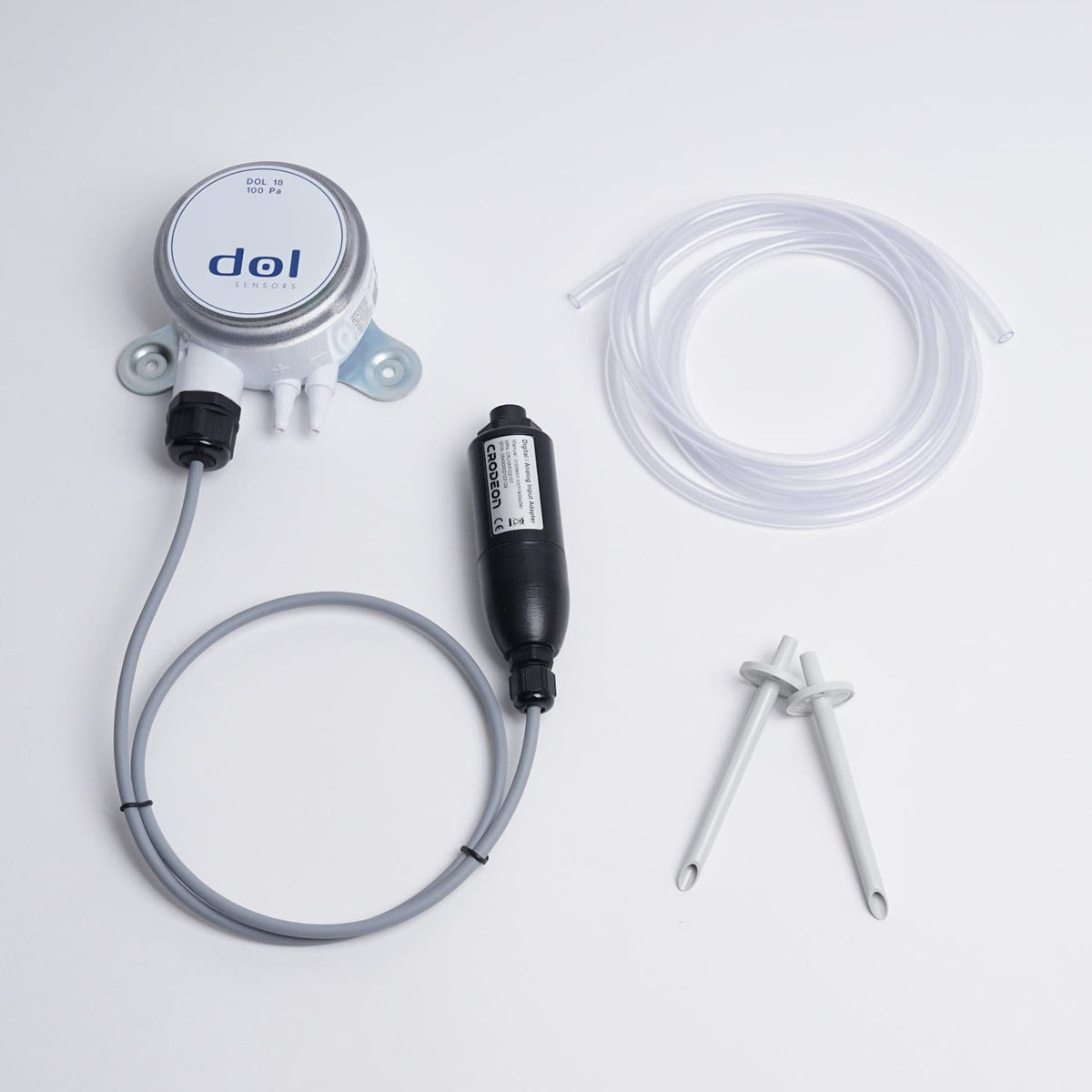 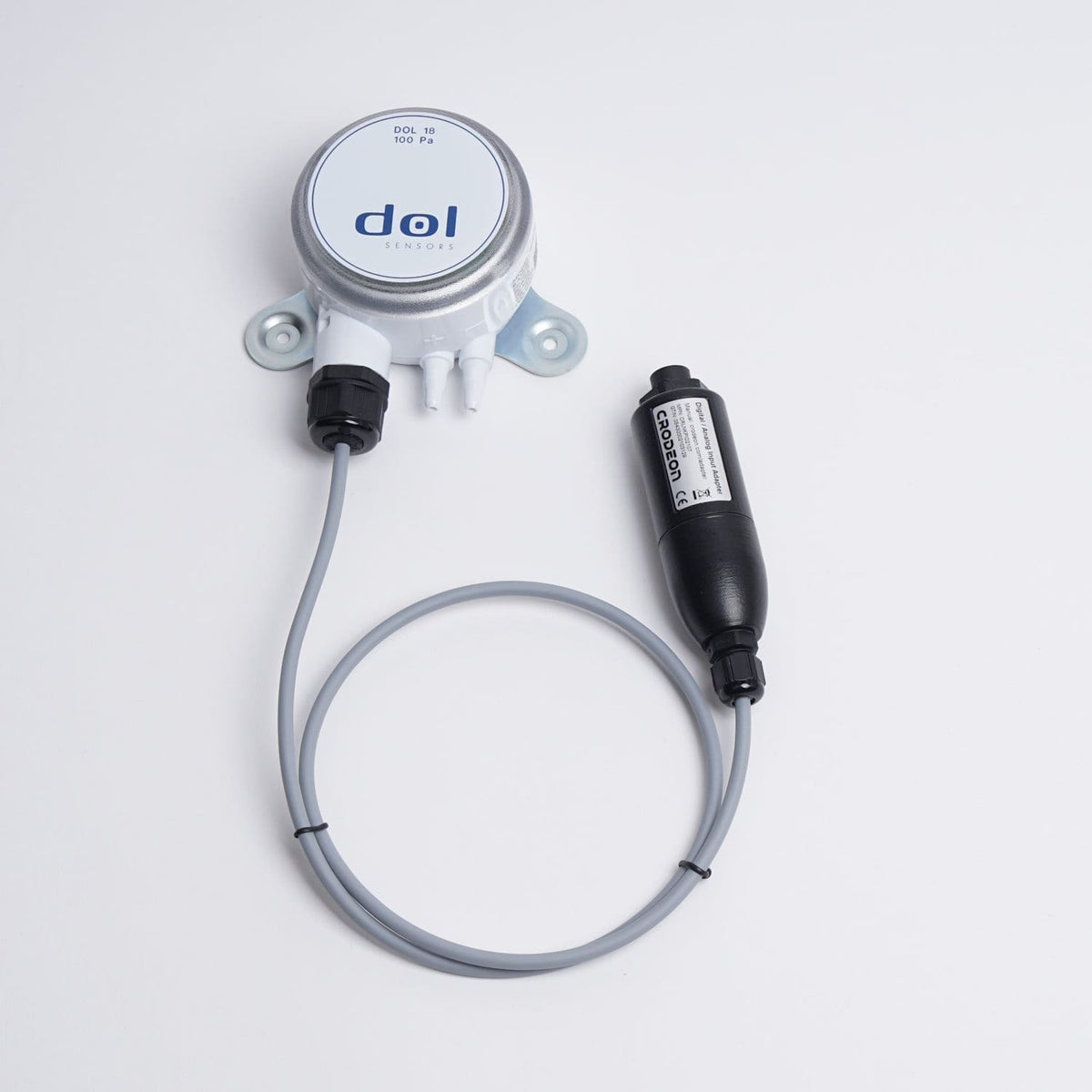 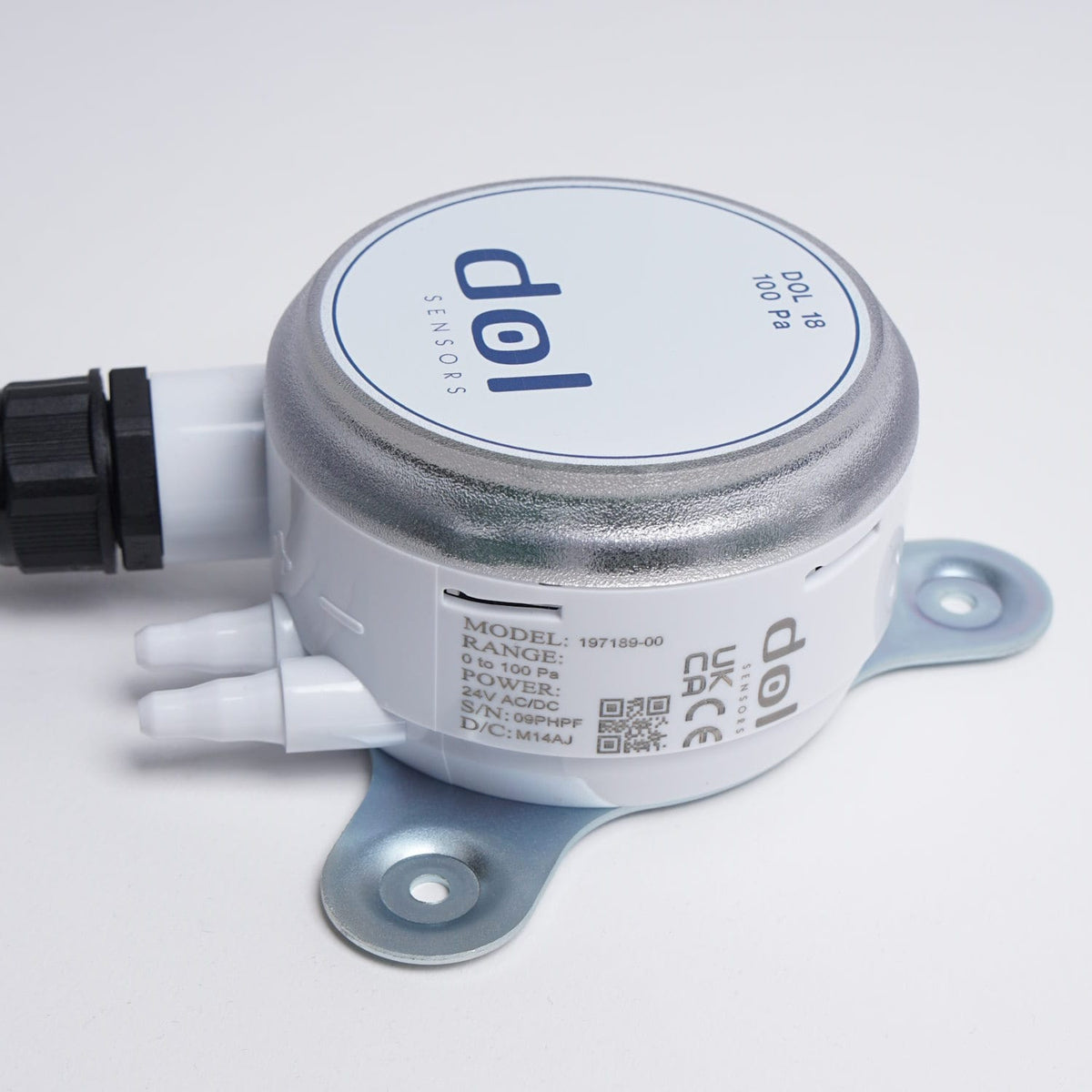 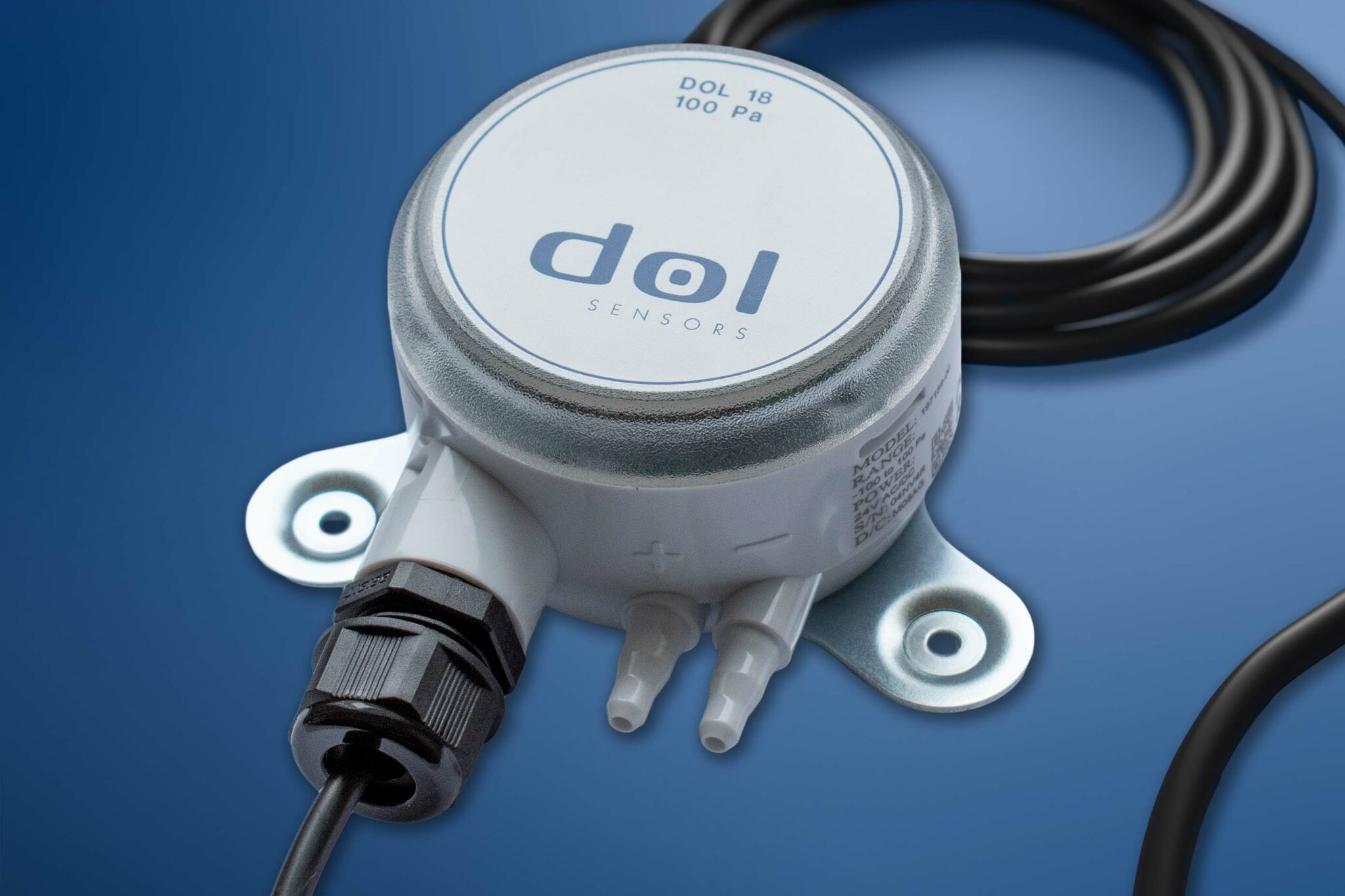 |
- Home
-
Products
- Pig Farming Equipment
- Cattle Farming Equipment
- Sheep & Goat Farming Equipment
- Poultry Farming Equipment
- Feeding & Drinking Systems
- Veterinary & Breeding Equipment
- Testing & Diagnostic Equipment
- Cleaning & Biosecurity Equipment
- Climate Control Equipment
- Livestock Weighing Equipment
- Manure & Waste Management
- Farm Transport & Handling
-
Solutions
- Pig Farm Solutions
- Dairy Farm Solutions
- Beef Cattle Farm Solutions
- Sheep & Goat Farm Solutions
- Layer Farm Solutions
- Broiler Farm Solutions
- Feeding & Drinking System Solutions
- Climate Control Solutions
- Biosecurity & Disinfection Solutions
- Manure & Waste Management
- Smart Farming Solutions
- Farm Renovation and Upgrade Solutions
- Partners
- Projects
- Resources
- News
- About Us
- Contact


Comments & Inquiries
Leave your questions or requirements below. We will reply as soon as possible.